What $10 Fake AirPods and a $30 Chip Decap Reveal About China’s Semiconductors

Track one is on the 2nd floor of Jupiter NEXT
Cheap “fake AirPods,” commonly known as Huaqiangbei AirPods, are widely sold in Shenzhen for prices as low as $10. Despite their price, many of these devices automatically pair with Apple products, support basic touch controls, and function as usable, true wireless stereo (TWS) earphones. While they clearly lack advanced capabilities such as genuine active noise cancellation or spatial audio, they are not merely non-functional counterfeits.
In this session, I present a detailed teardown of a $10 fake AirPods unit purchased in China and analyze how such a product is technically and economically feasible today. A comparison with genuine Apple AirPods reveals a striking contrast: while authentic AirPods use more than 20 chips per earbud to support advanced sensing and signal processing, the fake version relies on just four integrated circuits. At the center is a highly integrated Bluetooth audio SoC that combines wireless communication, audio decoding, power management, and a RISC-based control CPU into a single chip.
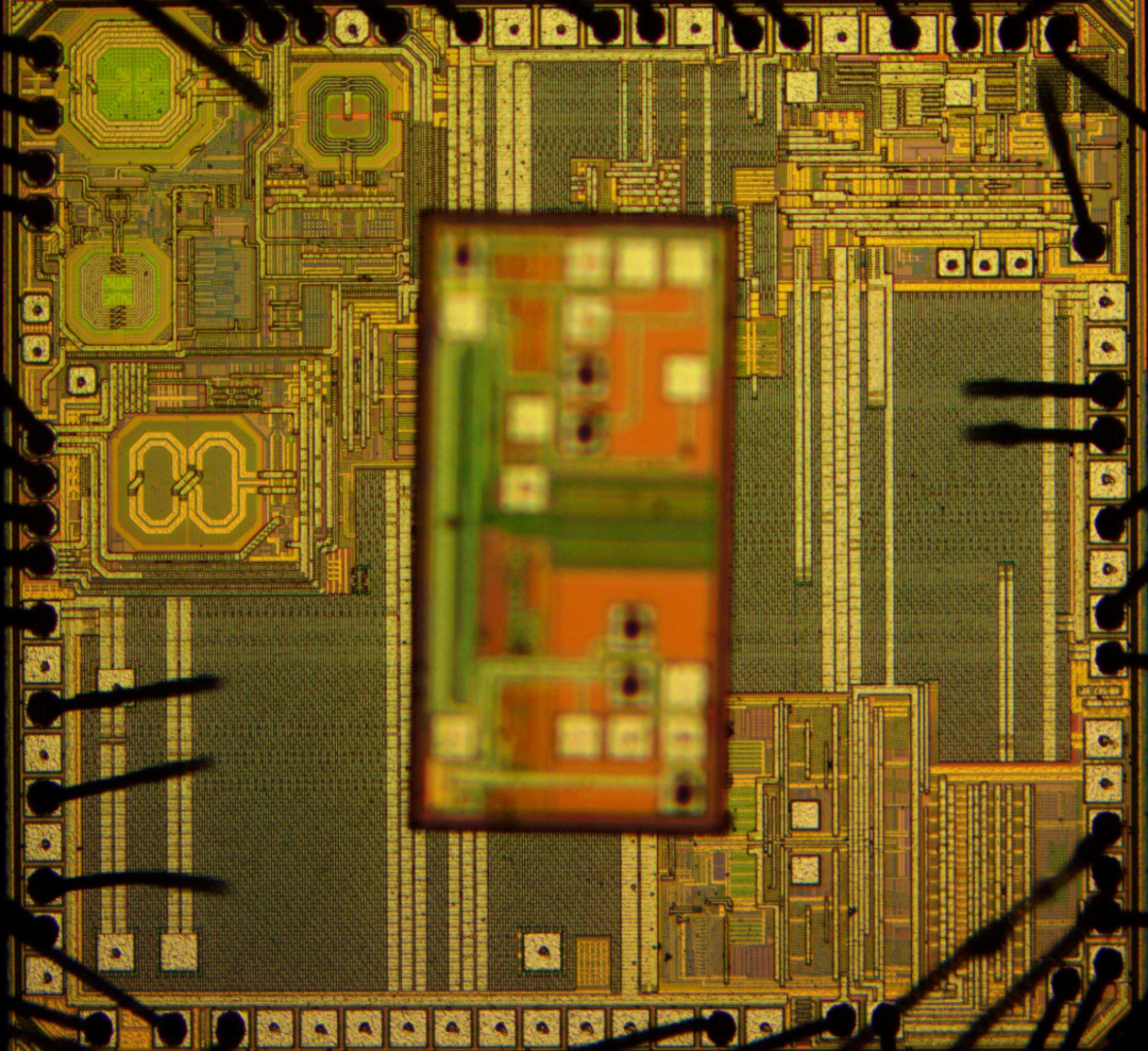
The main SoC in the device had its part number intentionally removed. To identify it, I used a commercial chip de-capsulation and die-analysis service discovered on Taobao. For approximately $30, with a turnaround time of only a few days, the service provided high-resolution die photographs suitable for architectural comparison. Matching these images against known teardown reports confirmed that the chip belongs to the same class of low-cost SoCs widely used in sub-$20 TWS earphones sold globally.
Beyond a single device, I also tore down multiple fake AirPods across different price tiers, ranging from ultra-low-cost models to higher-end versions that openly advertise their chip choices and no longer mimic Apple branding. These comparisons reveal a spectrum: from traditional gray-market counterfeits using untraceable components, to near-legitimate consumer products built on mature Chinese semiconductor platforms.
This talk highlights several aspects of China’s evolving semiconductor ecosystem: the role of fabless SoC vendors specializing in cost-optimized integration, the design techniques used to replace expensive sensors with simpler electrical solutions, and the surprising accessibility of professional-grade chip analysis services. Together, these elements enable a level of rapid, low-cost hardware development that would have been difficult to achieve a decade ago.
By grounding the discussion in real teardown data and die-level analysis, this session offers a market-facing perspective on China’s semiconductor evolution — one that is best understood not through policy documents or roadmaps, but by examining what is actually being shipped, sold, and used today.
About the Speaker
TAKASU Masakazu (@tks) is a hardware researcher, maker, and teardown enthusiast based between Japan and Shenzhen. He works closely with M5Stack, a Shenzhen-based open-source hardware company, and has over a decade of hands-on experience in China’s electronics ecosystem.
He is an open hardware activist and a strong advocate of transparency and learning from real, shipping products. He is the official Japanese translator of Bunnie Huang’s book The Hardware Hacker and has also served as the official Japanese translator for the China Open Source Annual Report.
His work combines physical tear-downs, chip decapsulation, and die-level analysis with on-the-ground knowledge of Chinese semiconductor vendors, manufacturing practices, and distribution channels.