Feel the Difference: A Haptic Petting Zoo

Dillon Simeone
The Io: Workshops Track is in the DreamTENT at Jupiter Original · View floor plan
Sign Up
Event capacity: 20
Spots remaining: 5
Log in to your account to signup
Most people have only experienced one type of haptic feedback: the vibration motor in their phone. This workshop introduces you to many others.
What You’ll Experience
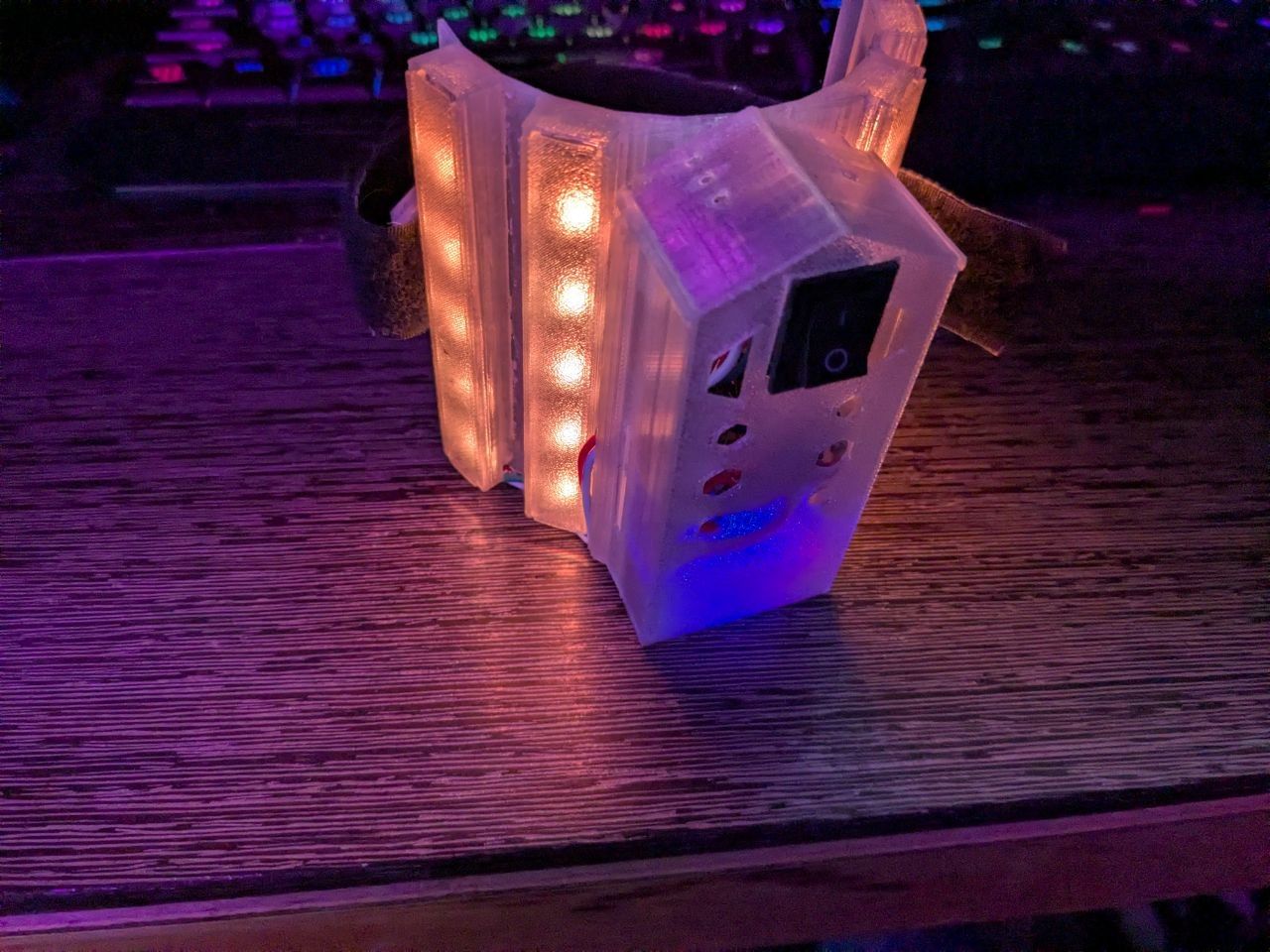
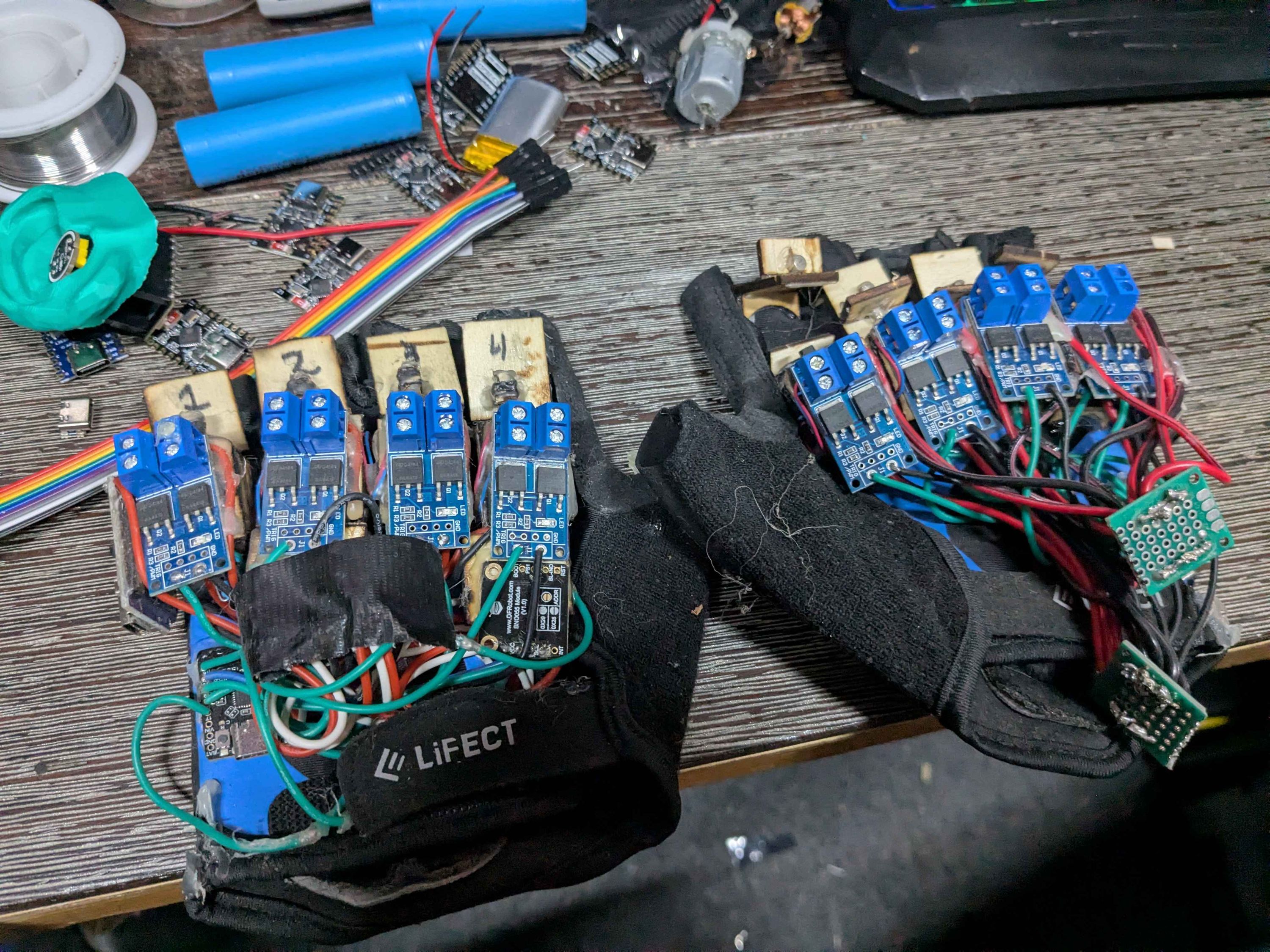
Interact with 10+ haptic systems spanning multiple sensory modalities: sharp solenoid clicks, servo-driven pressure patterns, thermal actuators, audio-controlled fans, piezoelectric actuators, LRAs, ERMs, tactile transducers, and haptic knobs. Each station demonstrates a different approach to creating tactile feedback, from $2 DIY solutions to professional-grade systems, all synchronized to various inputs.
What You’ll Learn
The principles of sensor-to-haptic translation: signal conditioning, cross-modal mapping, and how to normalize diverse inputs (audio, proximity, pressure, motion) into compelling tactile feedback.
Discover how different actuator types engage different mechanoreceptors in your skin. Every exhibit includes technical documentation and QR codes linking to full BOMs, source code, and build guides, all using off-the-shelf parts you can buy today.
Why It Matters
Haptic feedback transforms accessibility (especially for Deaf/Hard of Hearing communities), creates immersive experiences, and elevates UX design. Understanding the range of tactile technologies opens entirely new creative possibilities for your projects, whether you’re building musical instruments, game controllers, assistive devices, or interactive installations.
About the Workshop Leader
Dillon Simeone is Deaf and specializes in audio-reactive haptic systems as a lead design engineer. As co-author of "GestoLumina: Gesture-Interpreted Light, Sound, and Haptics" (Aalborg University Press) and lead engineer at Universal Music Design, Dillon developed full-lifecycle haptic wearables for immersive accessibility, from conceptual sketches to functional prototypes with custom PCBs and real-time audio processing firmware. He was a guest lecturer at Portland Community College on Sonic Interface Design and a co-author of "Sonic Agency," published in ASSETS ‘25 (ACM SIGACCESS Conference on Computers and Accessibility). He leverages deep technical skills to build innovative, accessible, and immersive experiences.
Dillon’s work emphasizes off-the-shelf components and open documentation, making advanced haptic systems accessible to makers at all levels.