Project update 3 of 5
Choosing the Right PCB Thickness
by Jaydeep DWhen we built the first prototype of bPiShift, we went with a standard 1.6 mm PCB, the most common thickness for prototyping and manufacturing. It seemed like the obvious choice at first.
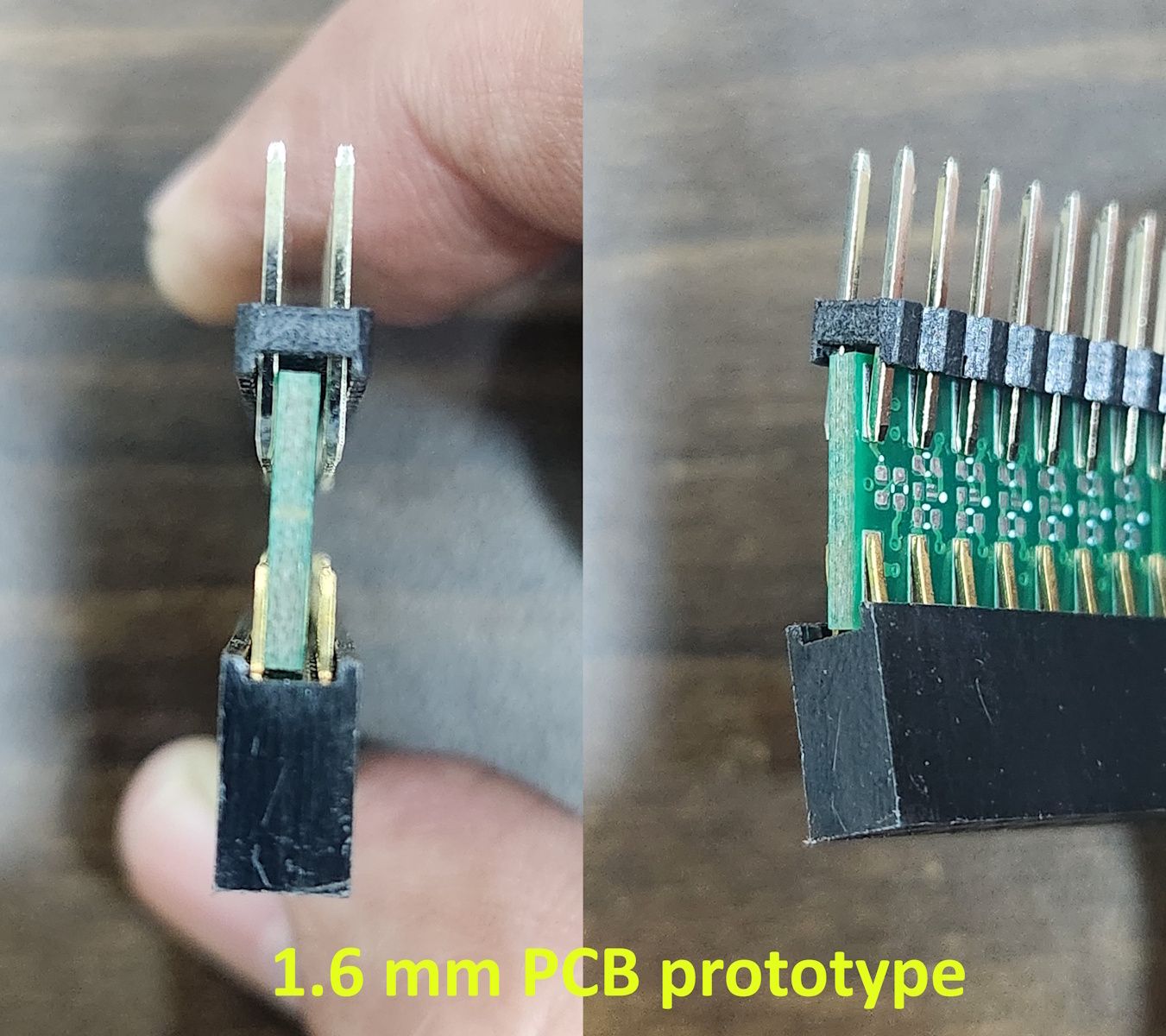
However, once the boards arrived and we started soldering the header pins, we noticed a small but important issue: the headers didn’t fit snugly. There was a slight gap between the pin base and the PCB surface, which made alignment tricky and soldering less precise.
To fix this, we revised the design and ordered a second prototype using a 2.0 mm thick PCB. The increased thickness made alignment and soldering much easier, resulting in a cleaner and more reliable assembly. This small change made a big difference: the header pins now fit perfectly, providing a tight, stable connection that feels just right when plugged into the Raspberry Pi’s 40-pin header.
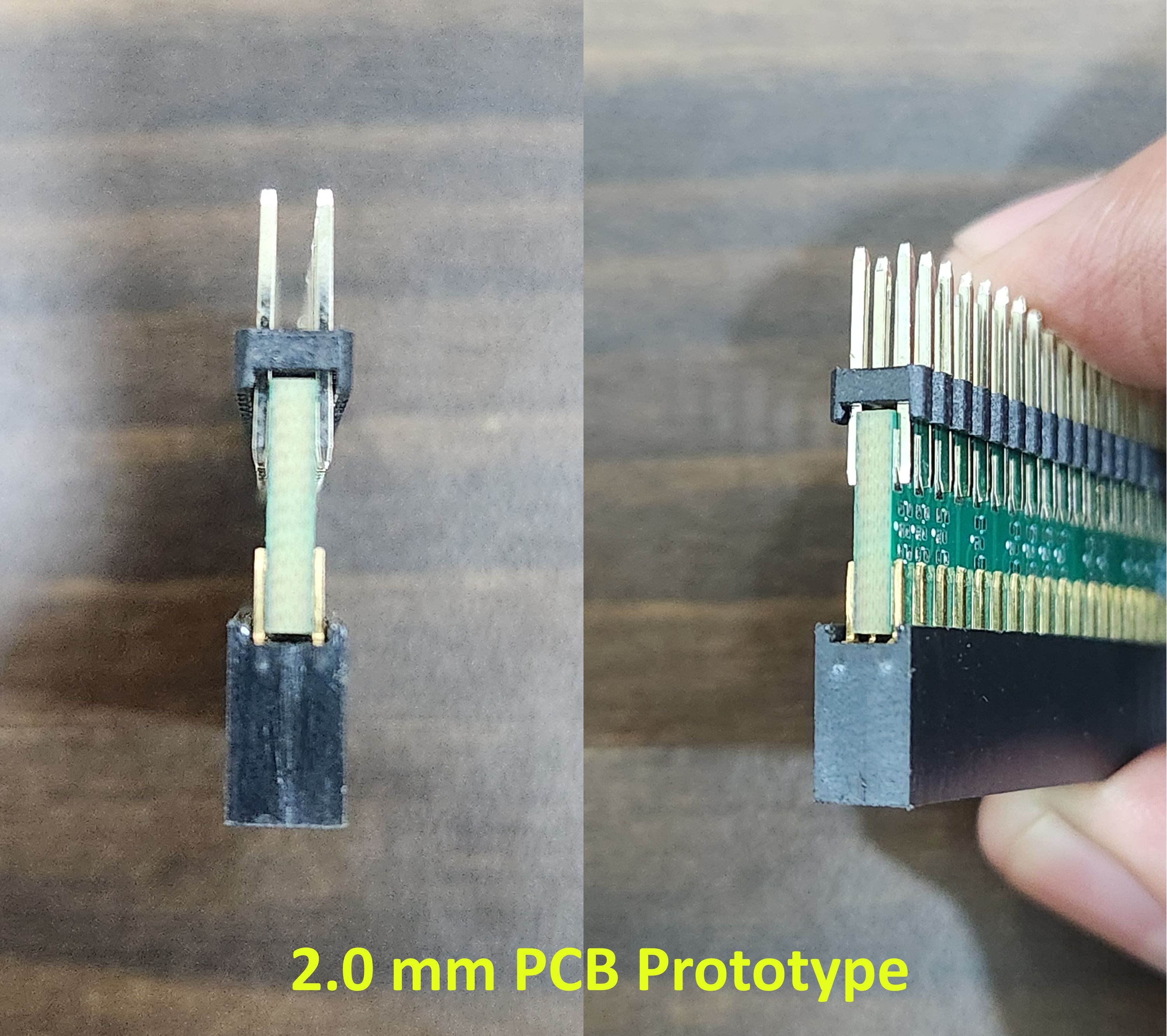
Sometimes, it’s these tiny mechanical details that can make the overall user experience feel seamless!