First of all, thank you to everyone who helped bring BenchVolt PD to life. The project has successfully reached its funding goal and I’m grateful for your support.
Before moving into batch one production, I will build a small five-unit pilot run using the final PCB revision. This will allow me to validate the last design changes and perform final checks before full production. My goal is to send this test batch to manufacturing soon, so the final version is fully verified by the time the campaign ends and batch one is ready to go.
For those still considering backing BenchVolt PD, I’ve also added a new feature that I think many advanced users will appreciate. I’ll explain it in detail below.
Final PCB and Schematic Release
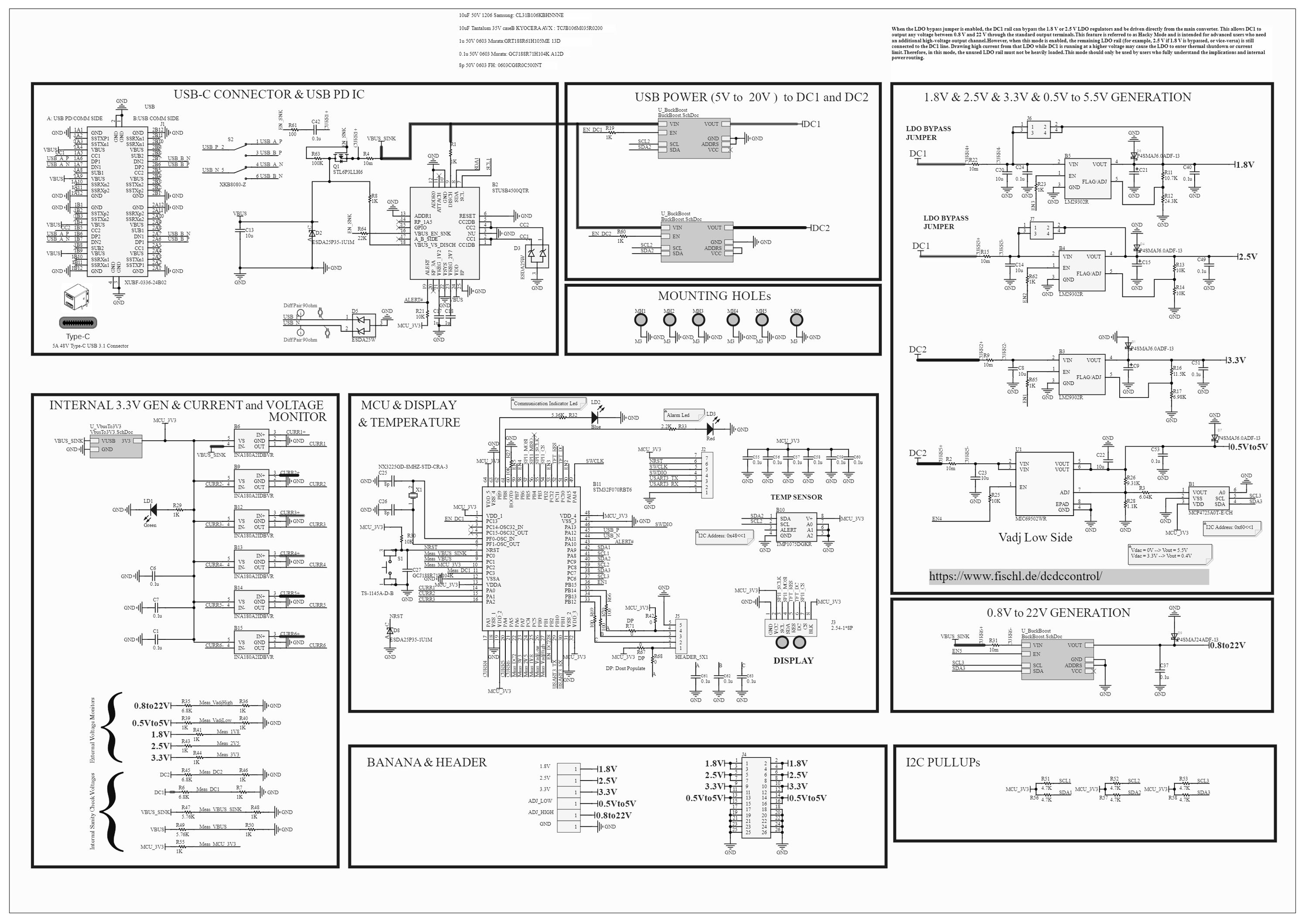
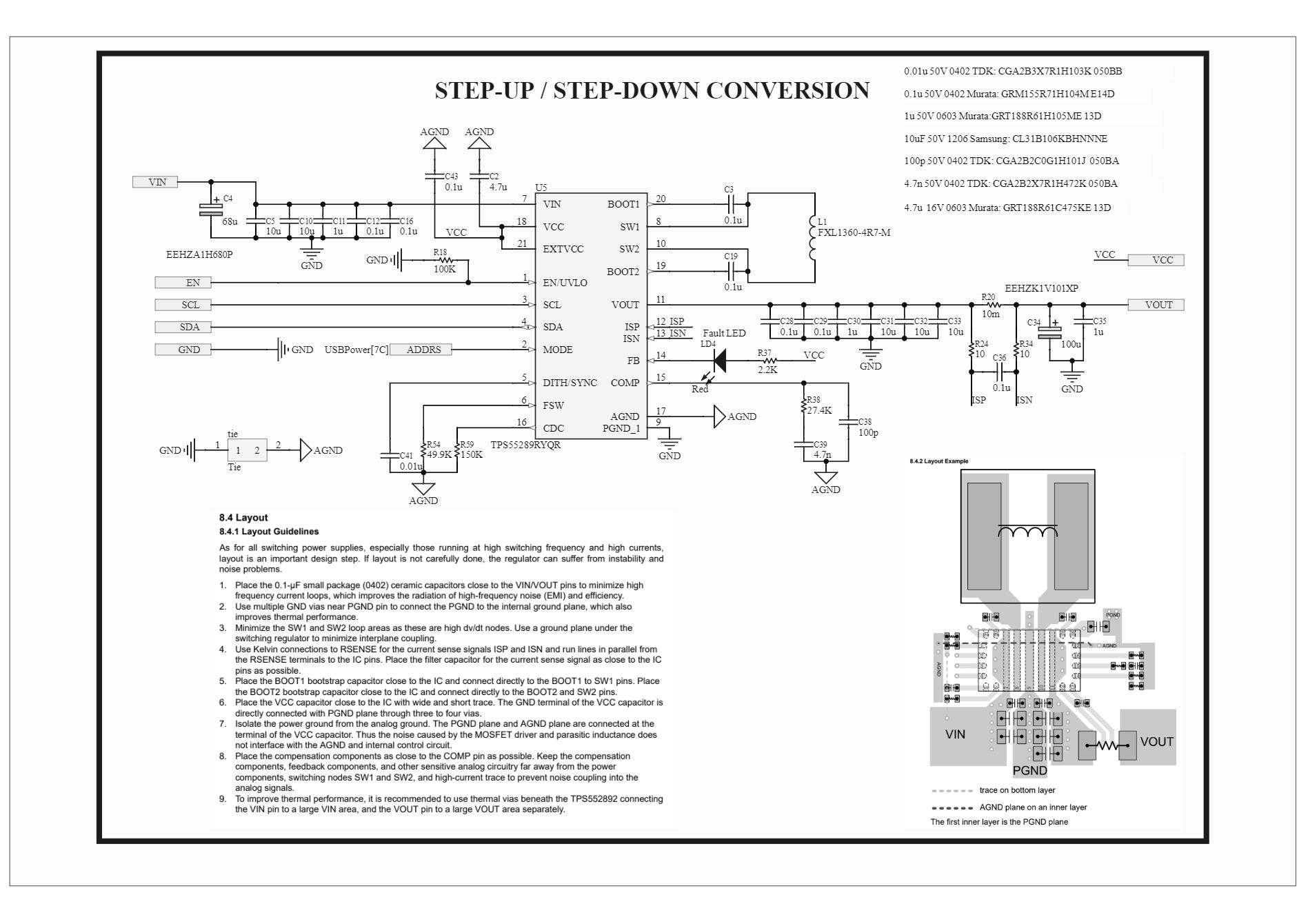
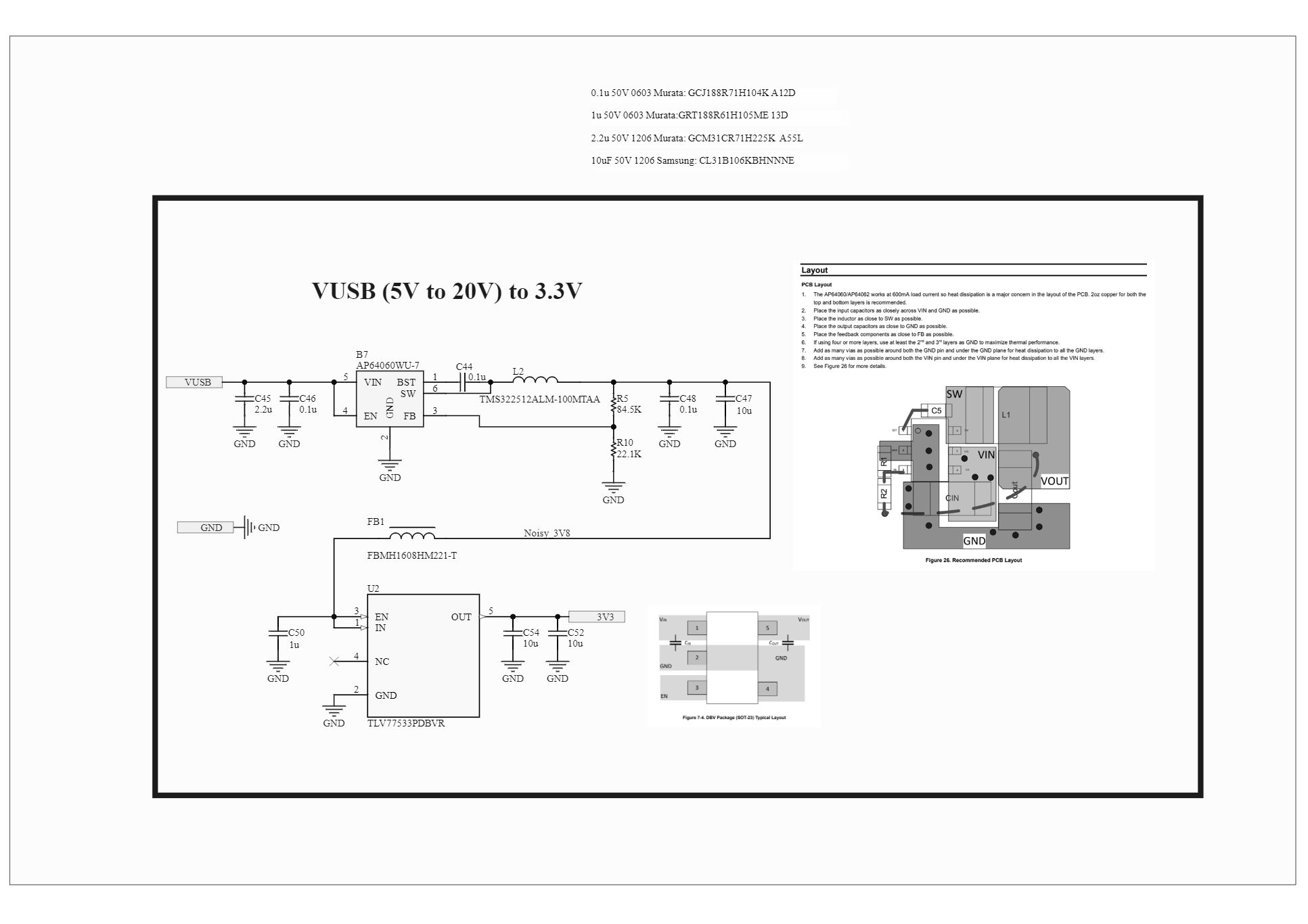
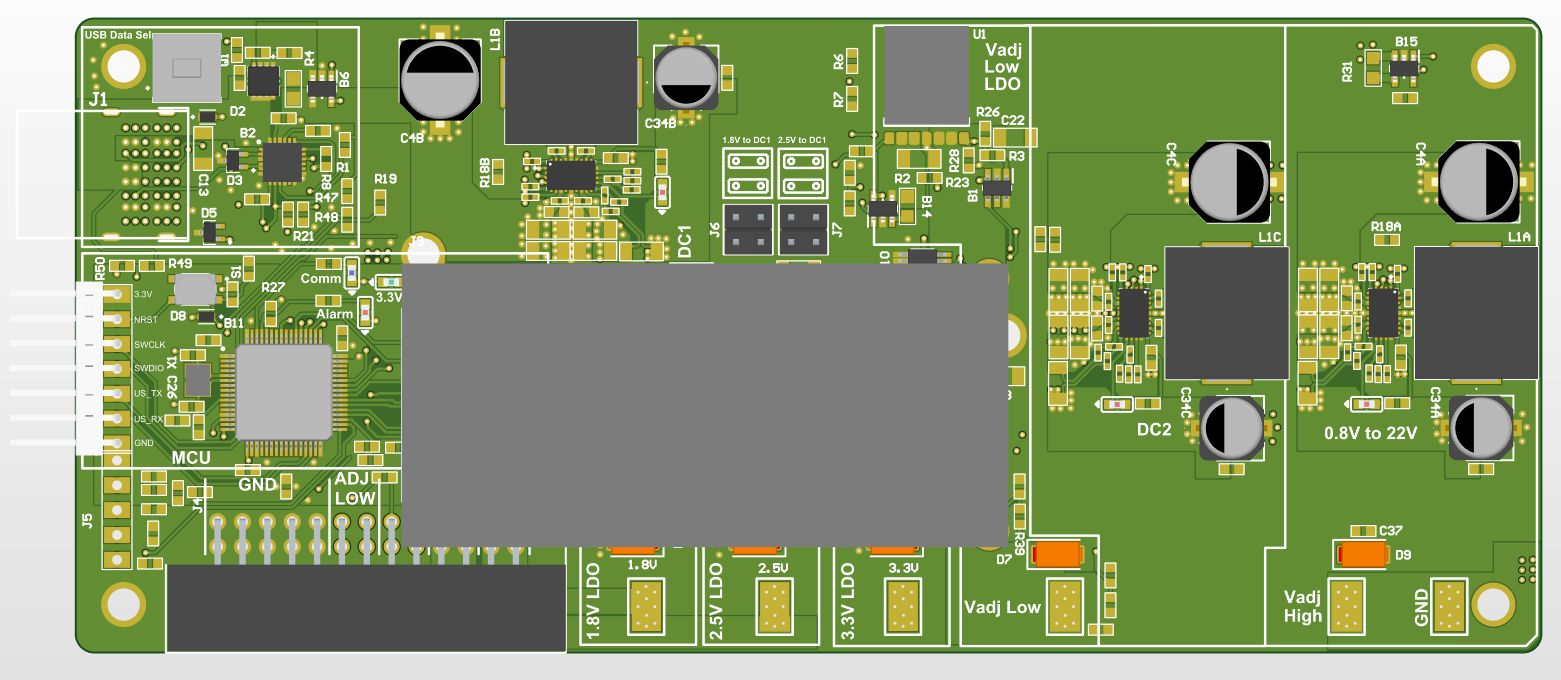
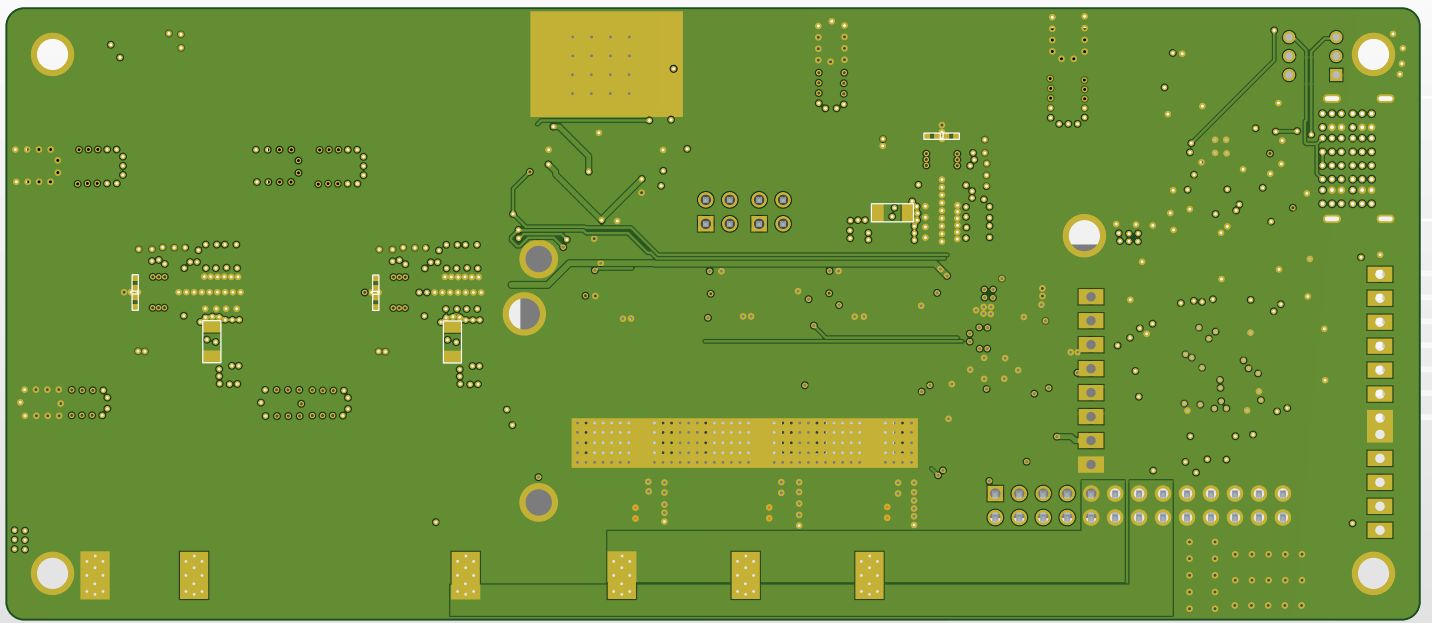
The layout is now complete, and only final design rule checks and manufacturing reviews remain.
Note: The latest revisions and files are always available in our GitHub repository.
Efficiency Improvements With TPS55289
I briefly mentioned this change in the previous update, but it’s worth emphasizing again. Thanks to switching to Texas Instruments’ TPS55289, BenchVolt PD’s efficiency has improved significantly. This DC-DC converter is exceptionally capable, offering:
- Very high efficiency
- Excellent control flexibility
While many designs typically use a single TPS55289, BenchVolt PD uses three of them due to its multi-channel architecture.
Introducing a New Optional Feature: Hackable Output Mode
Using three TPS55289 converters initially felt slightly wasteful to me, because two of them were feeding fixed-voltage LDO rails. In other words, two extremely capable buck-boost converters were being used only as pre-regulators. This led to a new idea and ultimately, a new feature. I’ve added a mode (called Hackable Output Mode) that allows the 1.8 V or 2.5 V LDO to be bypassed, routing the TPS55289 output directly to the corresponding channel output.
What Does This Enable?
- The affected channel(s) can output 0.8 V to 22 V, just like the adjustable output 2
- Users who need more high-voltage flexibility can now have two independent 0.8 V – 22 V outputs
- No firmware changes required
How is it Enabled?
This mode is activated by simply placing jumpers on the J6 and J7 headers, as shown in the image below.
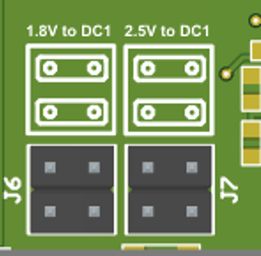
This feature is completely optional and intended for users who need multiple, independently adjustable, high-voltage outputs.
As always, feedback and questions are very welcome.