Project update 3 of 7
Project Status Report, a New Video Review, and More FAQs
by KrakenRF IncIn this update, we wanted to provide news from the community, show you some examples of weather satellite images you can receive, and answer a few more of the questions we have gotten.
Manufacturing Status
We are continuing to prepare for the bulk parts orders once the campaign funds hit. Depending on the results of a few upcoming tests on production parts, we may slightly revise the output RPM to ensure we have the best-quality gearboxes. Once decided, we will announce any changes in a future update. Any changes will be minor and will not affect performance in any meaningful way.
YouTube Video Reviews
Thank you to Gabe from the Saveitforparts channel, who agreed to review an early prototype unit of Discovery Drive. In his video, Gabe tests the rotator receiving signals from several weather satellites. You can check out his review below.
Example Weather Satellite Images
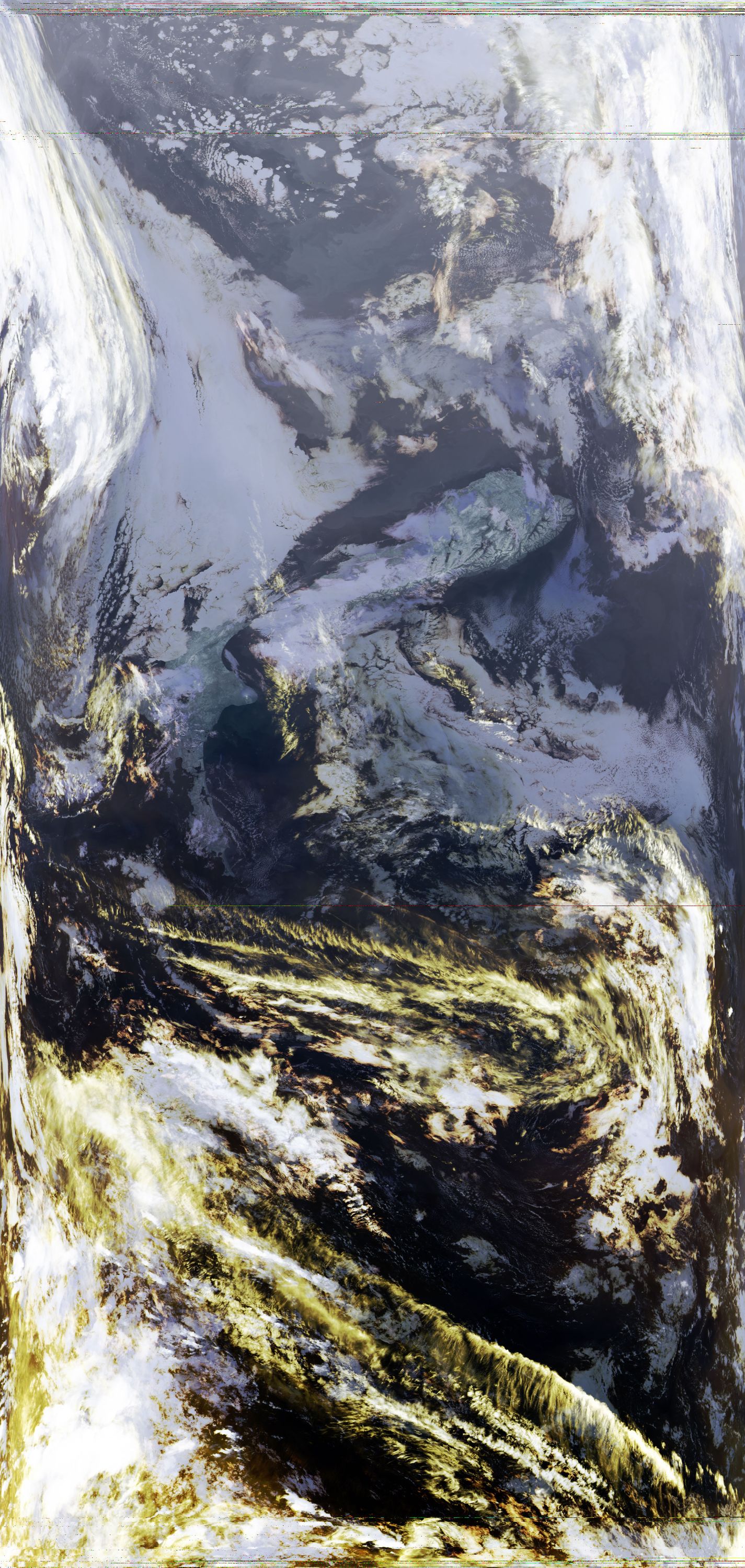
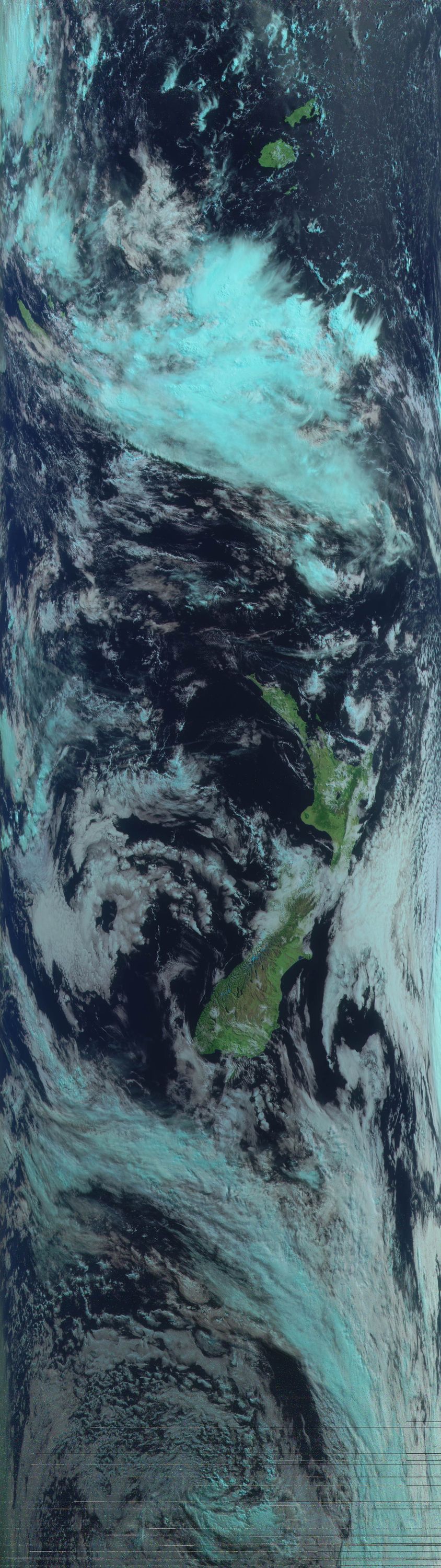
Below are some examples of weather satellite images you can receive with Discovery Drive and Discovery Dish.
With a Discovery Dish, it’s easy to receive HRPT images from polar orbiting satellites. Currently, the main weather satellites operating globally are Meteor M2-3, Meteor M2-4, METOP-B, and METOP-C. Note that to receive the METOP satellites, you will need a wideband SDR, such as the Airspy Mini.
If you are looking up tutorials for HRPT reception, note that some tutorials referring to NOAA POES satellite reception may be outdated, as the US NOAA POES satellites were decommissioned in August 2025.
Our Wiki on setting up Satdump for polar orbiting weather satellites is a good start, and this blog post titled "Beyond POES" is a great way to learn about other satellites.
Note that the images below have been compressed due to the original sizes being about 25 MB and 43 MB.
METOP Example Image:
Meteor M2 Image:
FAQ
We have received a few more questions from customers, answered below:
Does Discovery Drive use Stepper or DC motors?
For power efficiency, Discovery Drive uses brushless DC motors instead of steppers. Positional control is achieved via hall sensor feedback control, rather than stepper motor feedforward control. DC motors with hall sensor feedback control eliminate any risk of stepper motor slip, which could result in the rotator not knowing what position it is in.
Can the Discovery Drive use Ethernet control instead and disable the WiFI completely (no signal at all)?
There is no Ethernet input to the Discovery Drive. If required, Wi-Fi can be disabled via the USB-Serial interface. When Wi-Fi is disabled, the WebUI will no longer function, and so the only control mechanism will be via serial.
Is Discovery Drive compatible with PstRotator?
We have not tested functionality with PstRotator, but as long as PstRotator can understand the Easycomm protocol over serial, it will work.
Will Discovery Drive function down to -20°F?
The oils and grease used in the production of Discovery Drive gearboxes and motors will be rated down to at least -10°C (14°F), but no more than -20°C (-4°F). Unfortunately, 20°F will be too cold to expect the motors and gearboxes to function correctly. Also at near or below freezing temperatures, the Discovery Drive will use more than 10 W, so please take this into account if you live in these environments.
Would a single Discovery Drive support two or more Discovery Dishes mounted on a cross tube?
Yes, two Discovery Dishes can be mounted via a cross tube, more than two may be pushing it. Be wary of wind loading with multiple dishes attached.
Is the Discovery Drive hardware open source?
The hardware design is not open source, however, close to shipment we will release a high level block diagram for those wishing to develop their own software on the ESP32-S3.
Does Discovery Drive use a slip ring?
No, we have decided against implementing a slip ring for simplicity and longevity. While slip rings allow the rotator to rotate infinitely, they can wear and corrode out over time and can cause RF interference during movement if the contacts corrode. Using a high-quality industrial slip ring would add significant cost to the rotator. Instead, to avoid cable windup, we simply ensure that the rotator does not rotate more than -360 to 360 degrees, and allow it to unwind in between satellite passes.