We’ve said that Game Bub is “designed for future extensibility”, but what does that mean in practice?
Well, to start, Game Bub’s FPGA is extremely powerful: much more powerful than it needs to be to run Game Boy and Game Boy Advance games. This leaves plenty of room for more, bigger FPGA cores. Additionally, Game Bub has Wi-Fi and Bluetooth built in, ready to be used for something cool!
But much of Game Bub’s extensibility comes from the PMOD header on the top of the device. PMOD is an open standard for extension and peripheral boards, designed to be plugged into an FPGA or microcontroller. On Game Bub, the PMOD breaks out 4 I/O pins directly attached to the FPGA, which ends up being surprisingly powerful in practice.
Let’s take a look at what you could do with the PMOD header.
Additional peripherals
Game Bub doesn’t include the Game Boy Color’s infrared transceiver. It’s a relatively niche feature, and even when a game supports it, it’s extremely finicky.
However, there’s nothing stopping someone from creating a PMOD expansion board that adds infrared functionality to Game Bub! In fact, we’ve prototyped our own version of this:
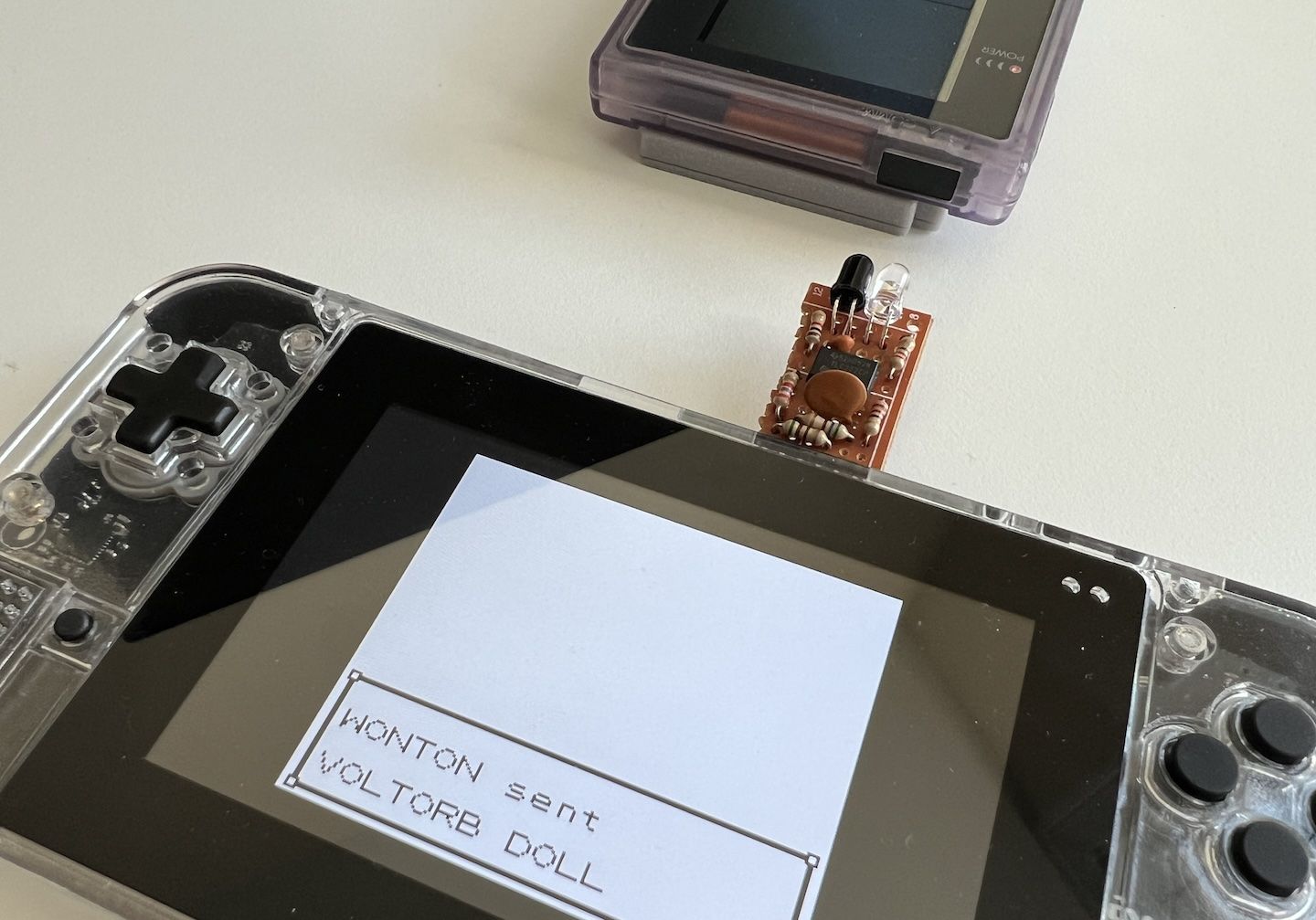
We’ve also had a few people asking about adding a solar sensor to Game Bub. That’s a great candidate for a PMOD extension board, too!
With the PMOD header, you can simply plug in a board and expand the capabilities of Game Bub—no soldering or disassembly needed! We’re excited to see what you’ll do with this.
Debugging
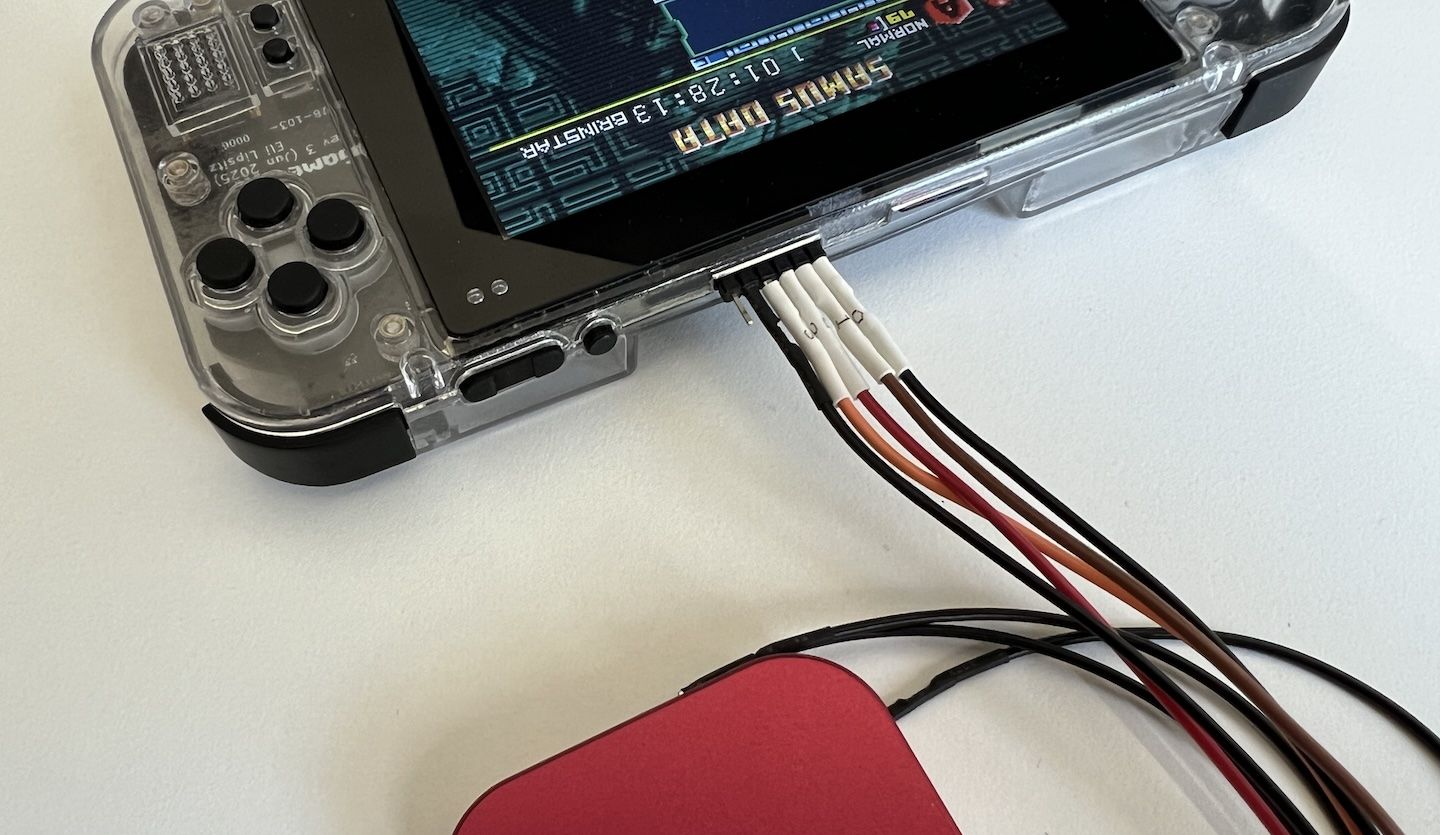
We’ve also been using the PMOD header as a debugging aid, by outputting live debugging signals from the FPGA during core development. While we do most of the core development in simulation, this capability has proven extremely useful for debugging issues that only happen on real hardware.
For example, this came in handy while developing the Game Boy Advance cartridge interface. We configured the FPGA to output a few extra internal signals to the PMOD header, attached a logic analyzer, and got a better picture of what was happening in the FPGA, in real time!
Expansion Through the Cartridge Slot
If the 4-pin PMOD header isn’t sufficient and you’re developing a custom core, you have another option. The Game Boy cartridge slot is essentially a 30-pin expansion slot! You could use it for memory expansion, to build a cartridge adapter for game systems other than Game Boy/Game Boy Advance, or for anything else you could think of.
Dock expansion
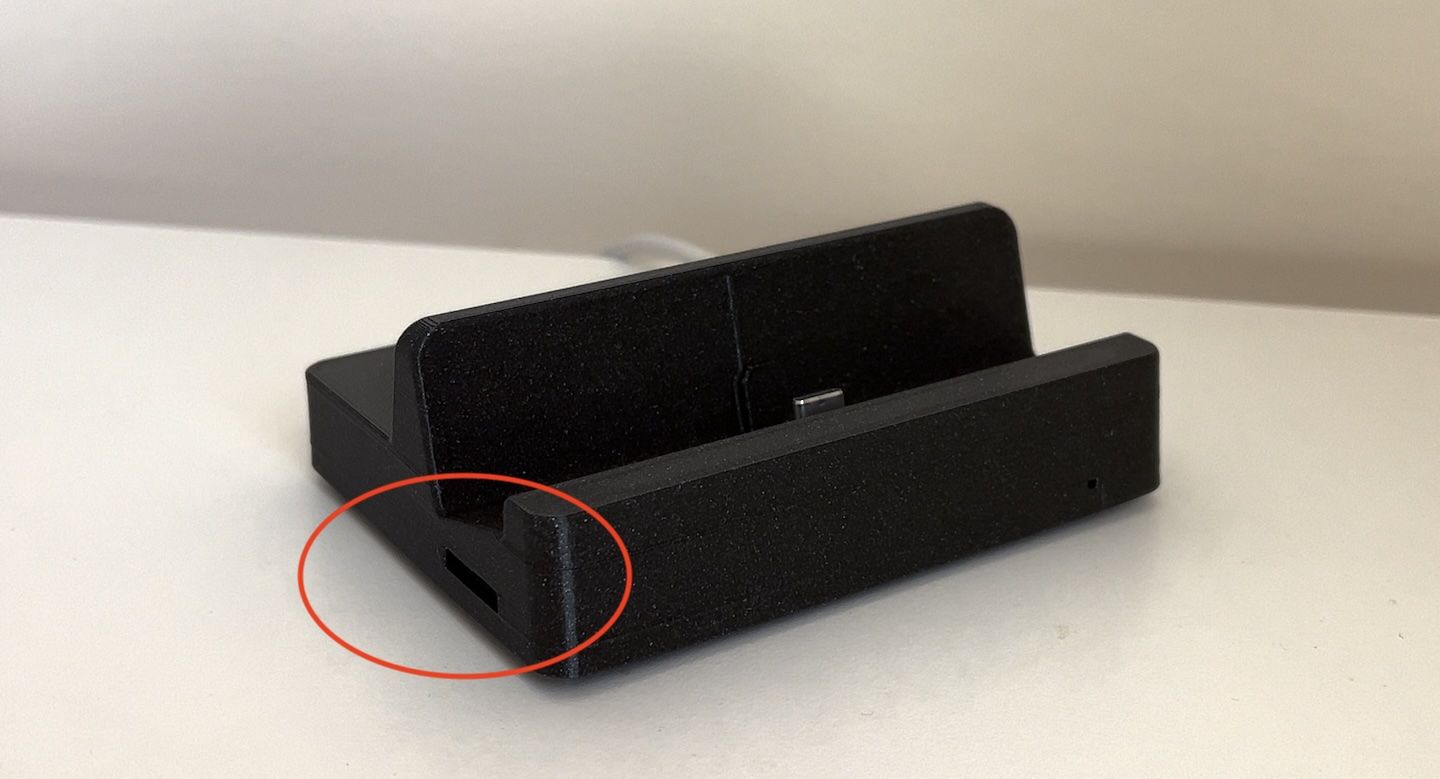
As a bonus, the current revision of the Game Bub Dock also has a PMOD connector, just in case! This could be used, for example, to add an expansion board with an SNES controller port.