Project update 6 of 11
News From the Last Week of Our Campaign, Plus the Latest Design Progress
by Eli LWe’re entering the final week of our campaign, and we’ve already met and exceeded our goal!
If you’ve already backed the campaign, thank you! We absolutely could not have done this without all of the support from all of you. And it’s not just about financing the project; this project is about giving back to the community and making the first fully open-source FPGA retro-emulation handheld available to everyone. Your enthusiasm and excitement go a long way towards making this happen!
If you haven’t backed the campaign yet, this is your last chance to get the campaign-exclusive transparent purple Game Bub, and to get the regular transparent Game Bub before prices go up (slightly). If you order now, you’ll also be in the first production and fulfillment batch, and get your device first!
We’re now gearing up for the full production run, finalizing the board and enclosure design. Let’s take a look at some of the final changes we’ve made, and some of the tradeoffs we’ve had to make while designing Game Bub.
Link Port Compatibility
Game Bub supports the original link cables, so you can connect to other Game Bub devices as well as original Game Boy, Game Boy Color, and Game Boy Advance systems. We’ve also tested this with the Game Boy Advance - Game Cube link cable, and are happy to report that we’ve been able to link up with Animal Crossing (GCN). Other games should work, as well.
Some of the larger accessories, such as the Game Boy Advance - Game Cube link cable and the Game Boy Advance Wireless Adapter have clips on them:
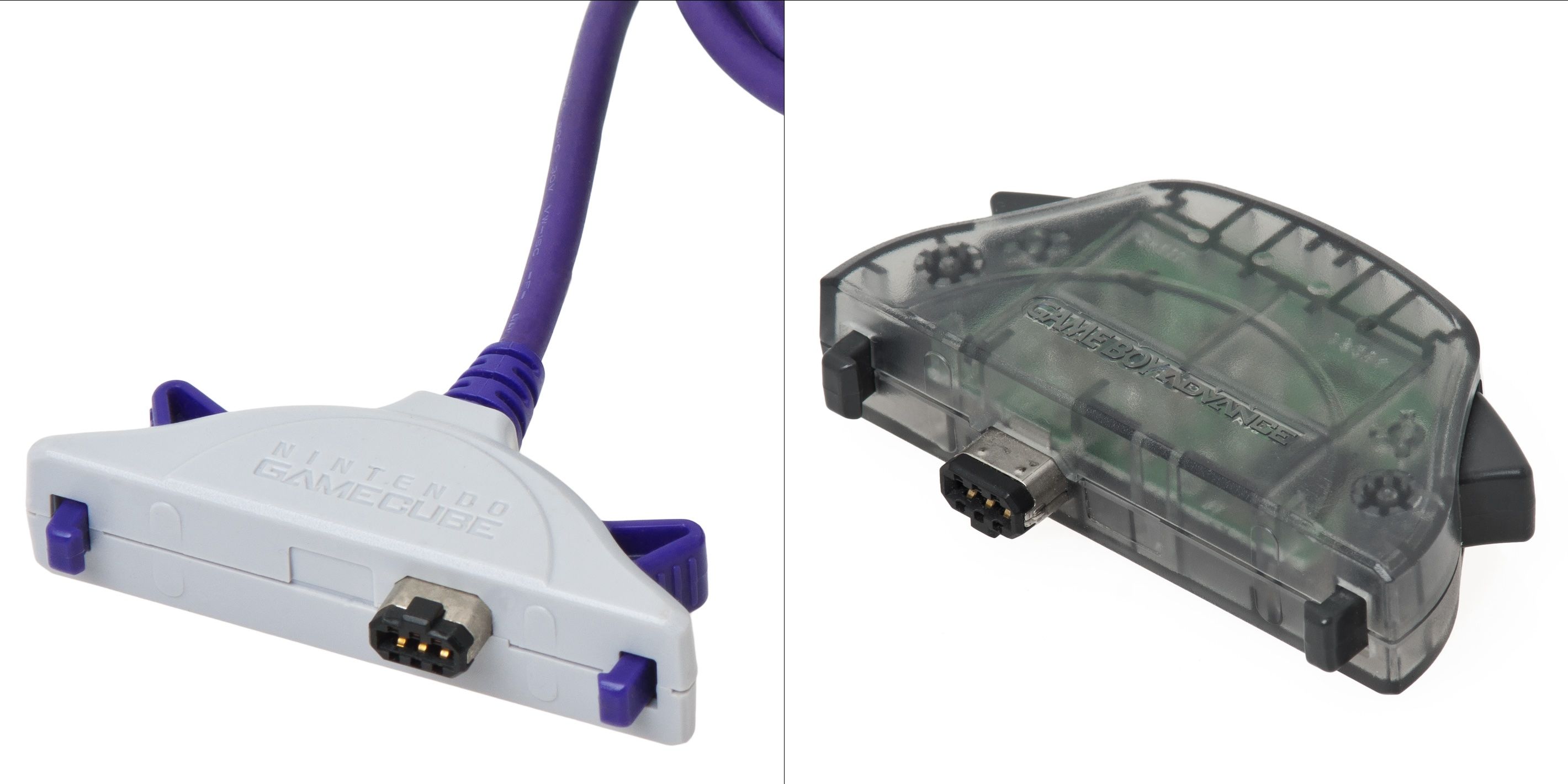


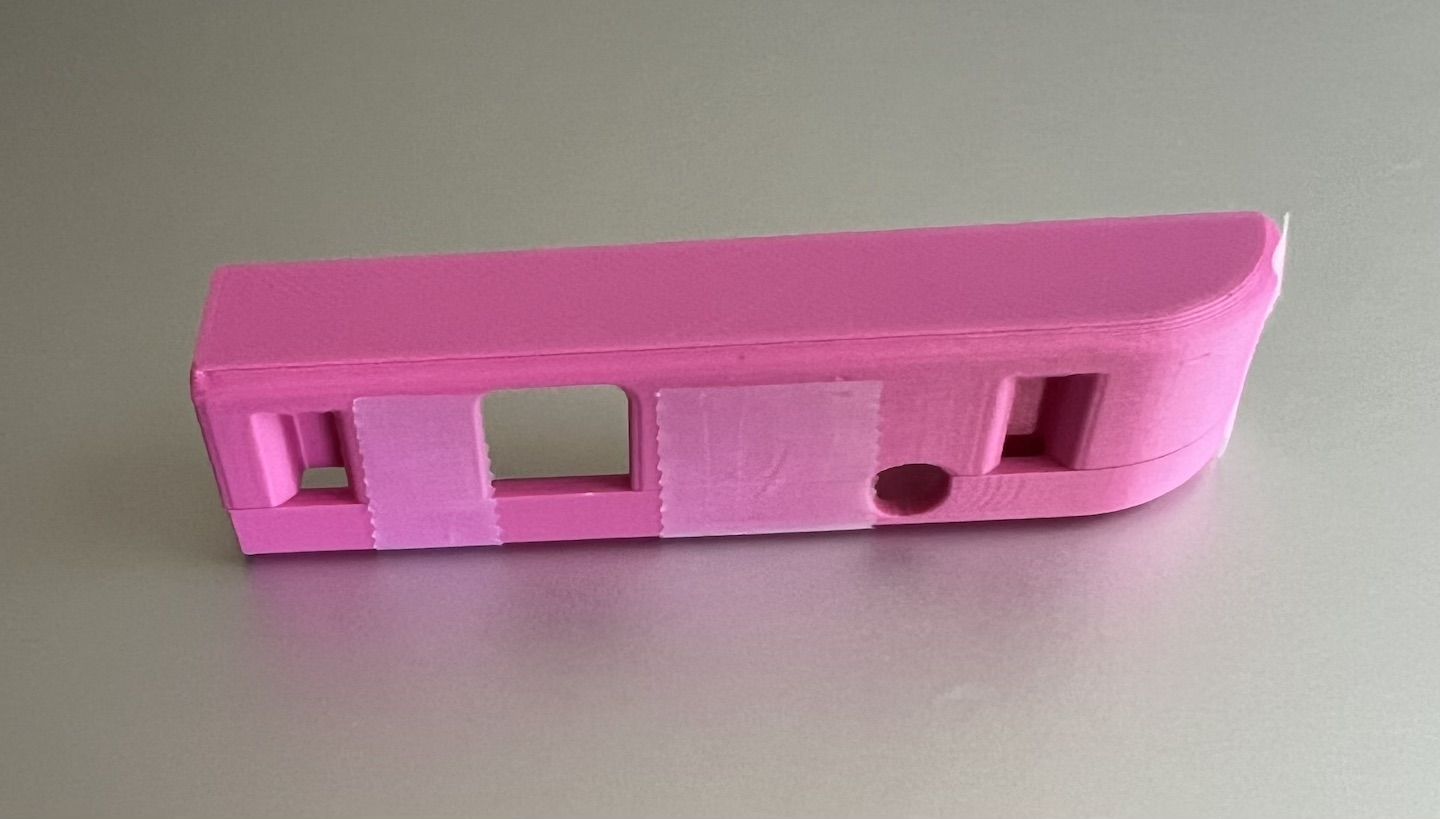
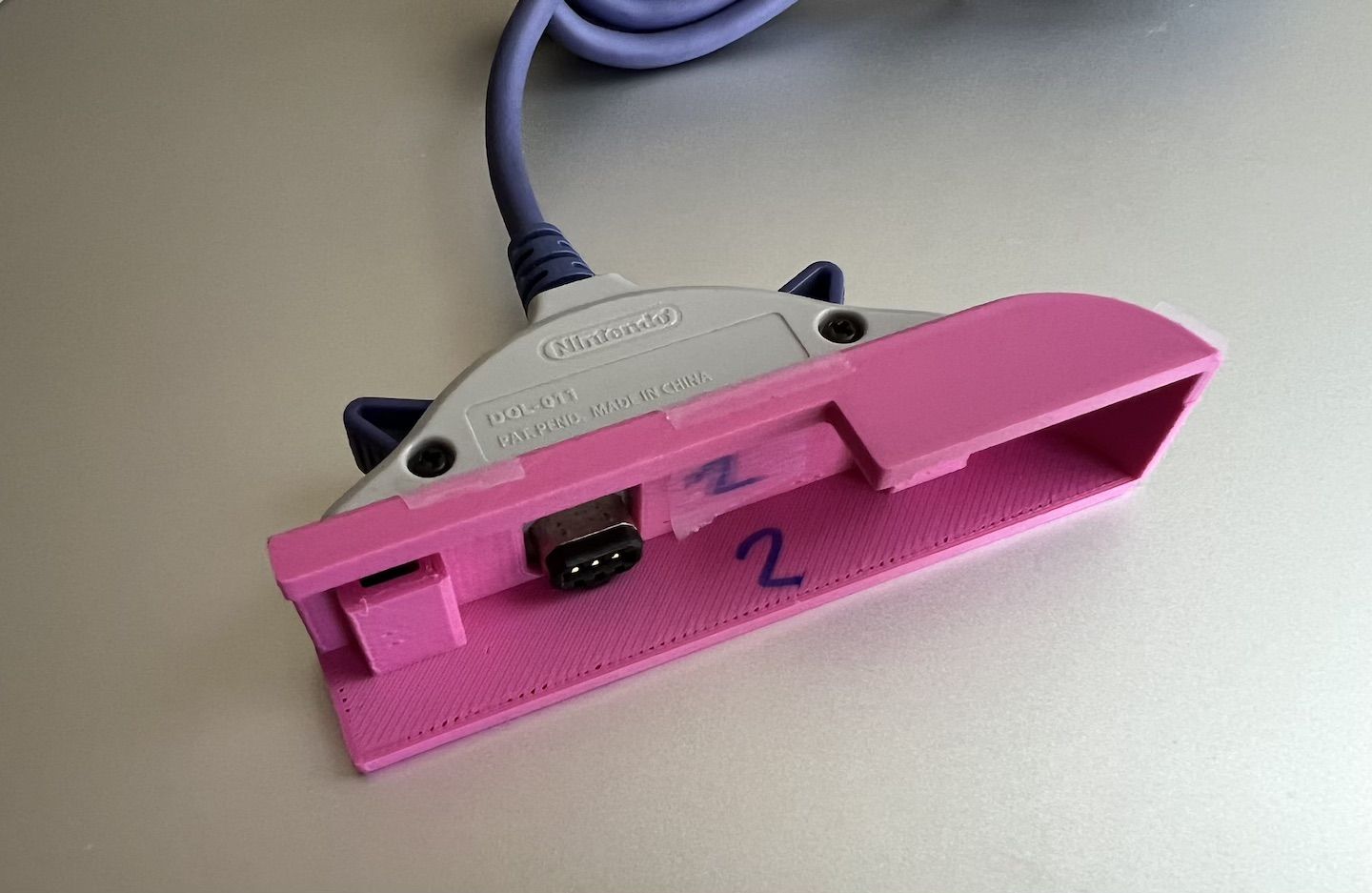
These hook into the corresponding notches on the Game Boy Advance, stabilize the accessory, and keep it from getting dislodged. We’ve gotten several questions about these notches and we’re pleased to report that we’ve added them to the final Game Bub shell design.
Check out the photos of the 3D printed prototypes we made to check fit and functionality:
Bigger D-pad
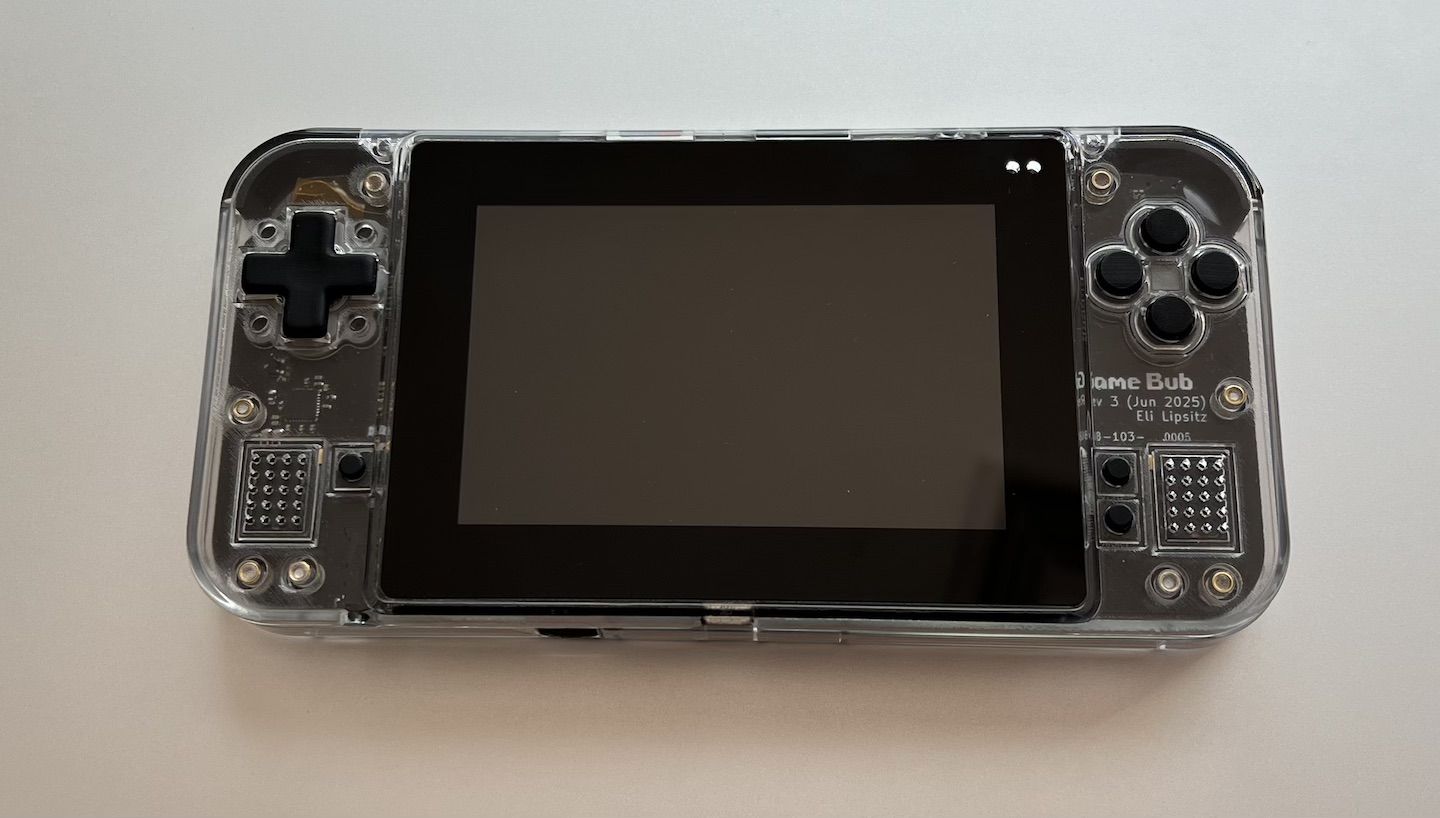
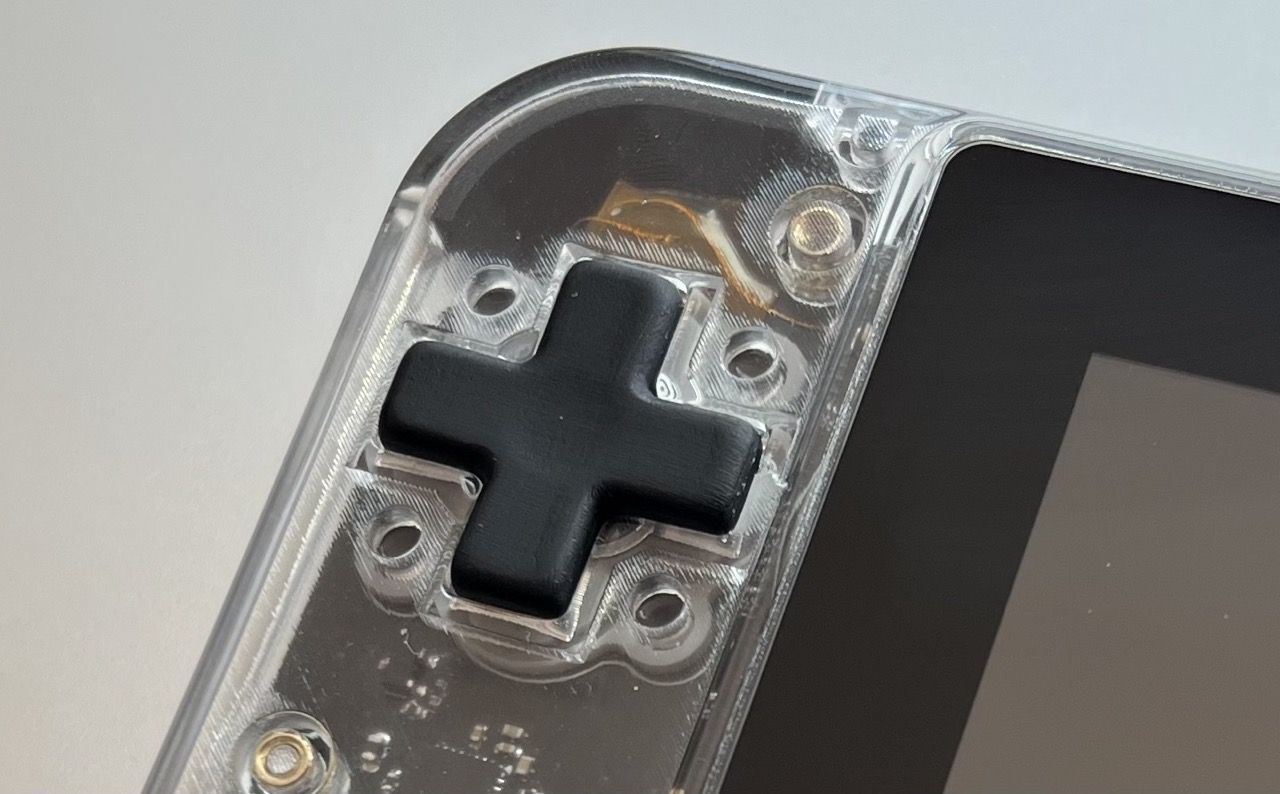
We’ve spent a lot of time perfecting the feel of the D-pad, but one piece of feedback we’ve received is that it feels a little bit small. The Game Bub’s D-pad is actually slightly larger than the D-pad in the Game Boy Advance and Game Boy Advance SP, but relative to the size of the device it looks small.
So, one final change we’re making is increasing the size of the D-pad without negatively impacting how it feels. Check out this version with a larger D-pad:
And here’s a closeup of the D-pad itself:
Design Tradeoffs
Throughout the whole process of designing and building Game Bub, we’ve really come to understand that product design is a series of tradeoffs and compromises.
In our case, we had a few major design goals that served as constraints to guide the rest of the design:
- Horizontal form factor
- Cartridge slot, with both Game Boy and Game Boy Advance cartridges sitting flush with the edge of the device, fully supported on both sides
- No letterboxing for Game Boy Advance games (a display aspect ratio of 3:2)
The cartridge slot and the reserved space for cartridge take up a significant amount of space, especially on the top of the device. This made it too difficult to fit additional shoulder buttons (L2 / R2), for use in other cores or button remapping. This also meant there was no space to put the link port on the top of the device, so we settled for putting it off to the side on the bottom.
The height of Game Bub is entirely determined by the height of a standard Game Boy cartridge plus the size of the cartridge slot: it isn’t a millimeter taller than it has to be. This, in turn, determined the size of the LCD panel we could fit into the device.
Unfortunately, it’s prohibitively expensive to design a fully custom LCD panel (as in, hundreds of thousands of dollars), so we’re limited to the panels available in the market. The Game Boy Advance’s aspect ratio, 3:2, is uncommon: most displays are either narrower (4:3, like 640x480), or much wider (16:9). This limited the size of display we could put into Game Bub. We chose the largest one that would fit without increasing the height of the device, which led to the fairly large bezels you see on Game Bub.
We also looked at OLED displays, but the available sizes are even more limited than LCDs, so this wasn’t a viable option.
We’re definitely our own worst critics, but we’ve received a lot of positive feedback (and some constructive criticism!) from testers and reviewers. And so, despite all these design compromises, we’re happy with the overall look and feel of Game Bub.
Of course, Game Bub is fully open source hardware and software, which makes it easy to mod or build your own. We’re looking forward to seeing what mods people come up with!
Building our Community
Lastly, we’re looking forward to building the Game Bub community! We’ve seen a lot of excitement around custom cores and community-led development. We’re working on launching a Discord and organizing our GitHub to help facilitate this. Stay tuned for more!
And don’t forget, if you haven’t joined the Game Bub community yet, this is the last week you can back the Game Bub campaign!