Patternflow
An open-source LED synthesizer that lets anyone create dazzling light shows
This project is launching soon.
0
updates
updates
This project is launching soon.
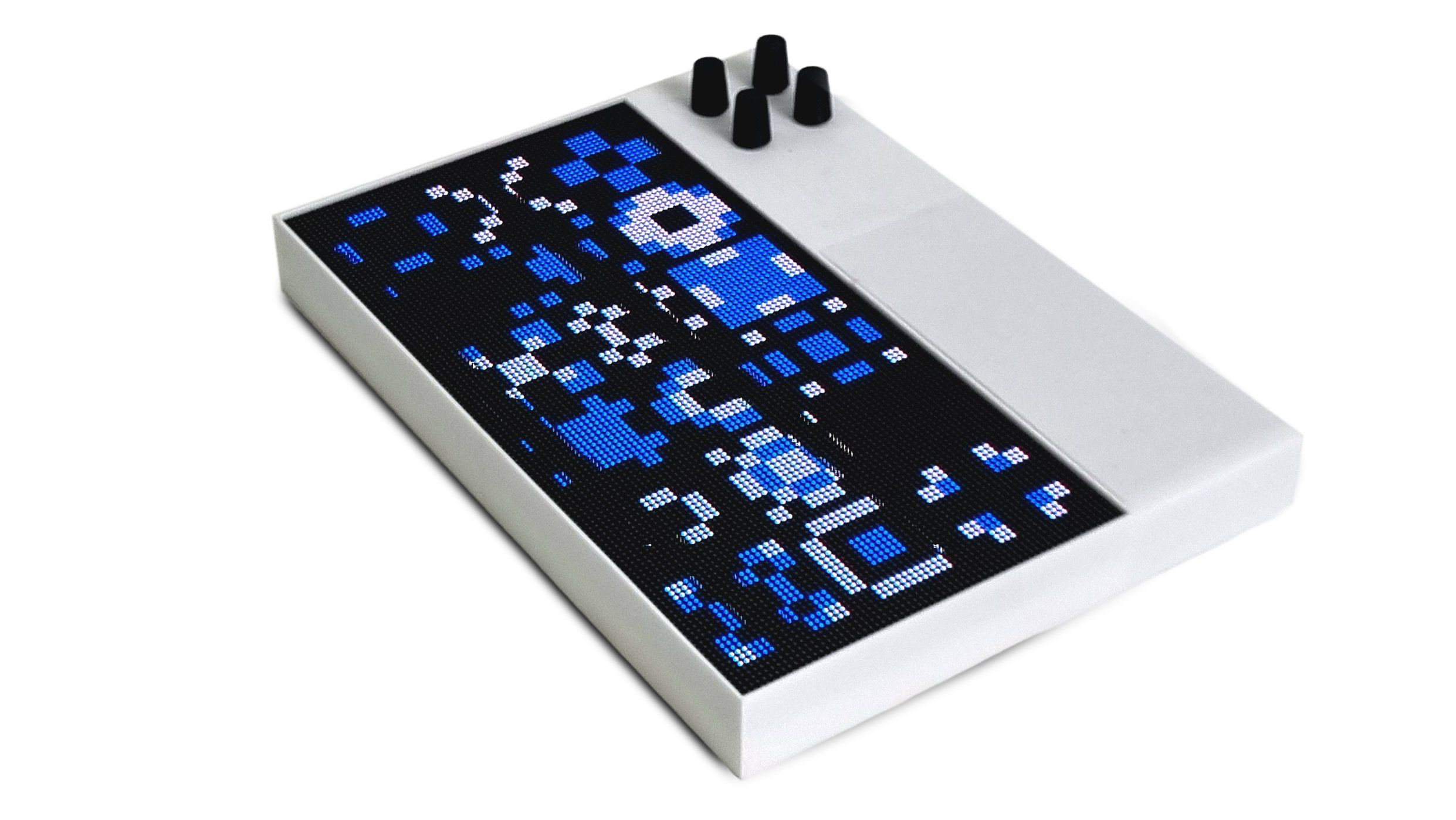
Patternflow is an open-source LED synthesizer. Turn four knobs with your fingertips and shape living patterns of light in real time. It is a contemporary reinterpretation of Participation TV, the 1960s work by Nam June Paik, a pioneer of video art. Paik invited audiences to experience art. Patternflow invites you to create it.
Interactive media art has a gatekeeping problem—installations can require serious capital, custom engineering, and years of specialized skill. We built Patternflow to flip that. Our motto is simple: make it easy. It’s attainable and portable—hang it on a wall or take it to your next jam session with friends. Everything you need is fully open source: the schematics, the firmware, the 3D models, the build guide, and even the workflow for creating patterns. And a custom web simulator lets anyone create beautiful designs that can be flashed and shared infintely.
Patternflow started as an experiment: a creative-coding pattern on an LED matrix, an ESP32, and four knobs. Playing that retro light with our fingertips felt too good to keep to ourselves, so we posted it to the Arduino Subreddit. The response was overwhelming: the original build and the open-source release, accumulated over 150,000 views and 3,700 upvotes. Plenty of people asked to buy one, but what stood out were the comments from people who wanted to build one, and make it their own.
That is why Patternflow is open source. Today, people can join our Discord, share their experiments, trade custom patterns, and help each other troubleshoot. Patternflow is more than a design object. It is an ecosystem of people making something great with their own hands, and helping each other do it. And, you don’t need the hardware to start—visit patternflow.work/pattern and turn the knobs on the on-screen Patternflow. It behaves exactly like the real device, and you can easily copy the prompt from the pattern section into an LLM to help you make new, stunning light shows.
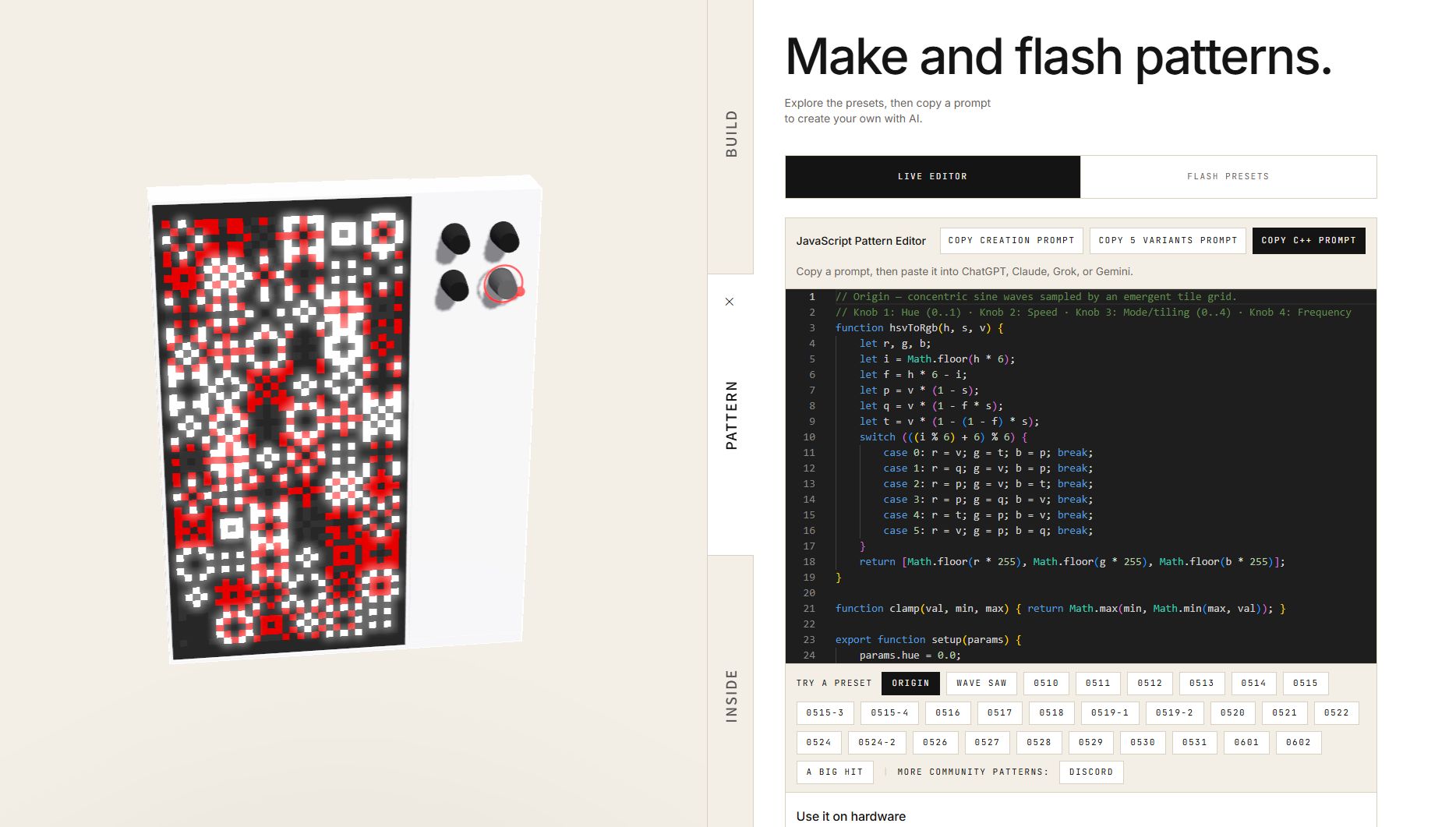
Found a pattern you love? Flash it to a physical Patternflow straight from your browser. If you play MIDI instruments, Patternflow will feel familiar. With OSC and audio-reactive features, you can layer live visuals on top of touch and sound, and perform in the moment instead of just watching. Our favorite part is that when you create a pattern and share it, someone on the other side of the world can load it onto their Patternflow in seconds. And every pattern the community shares is one you can play with immediately, no reflashing, no setup.
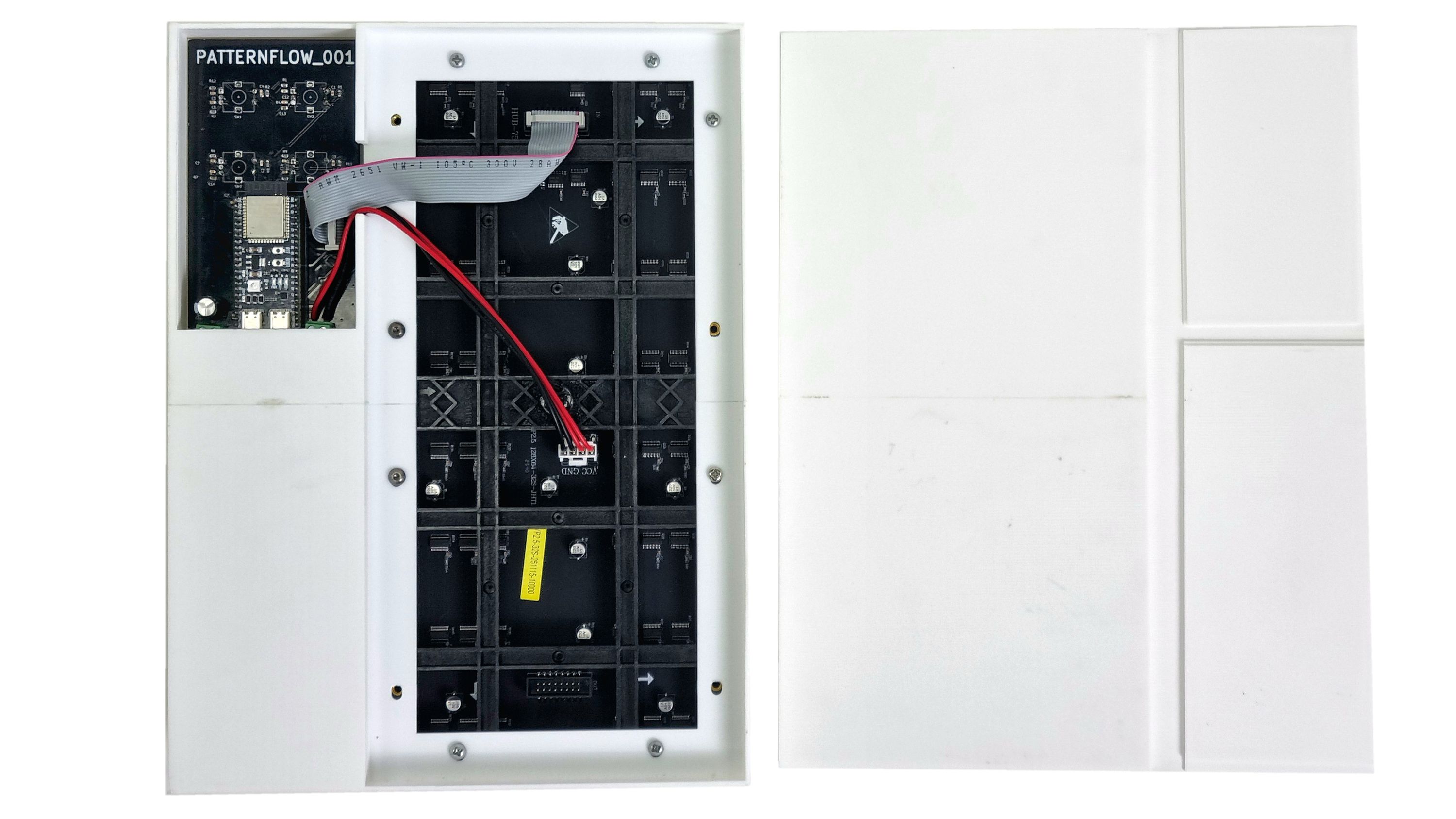
http://patternflow.local/; audio-reactive control over WebSocketPatternflow is open source not just in the sense of publishing what we made, but in the sense of growing it together. Build the enclosure from stainless steel or acrylic instead of 3D printing it, with your own materials, and it is still a Patternflow. Write up your build and send it to us, and your guide becomes one of Patternflow’s official guides. The same goes for code.
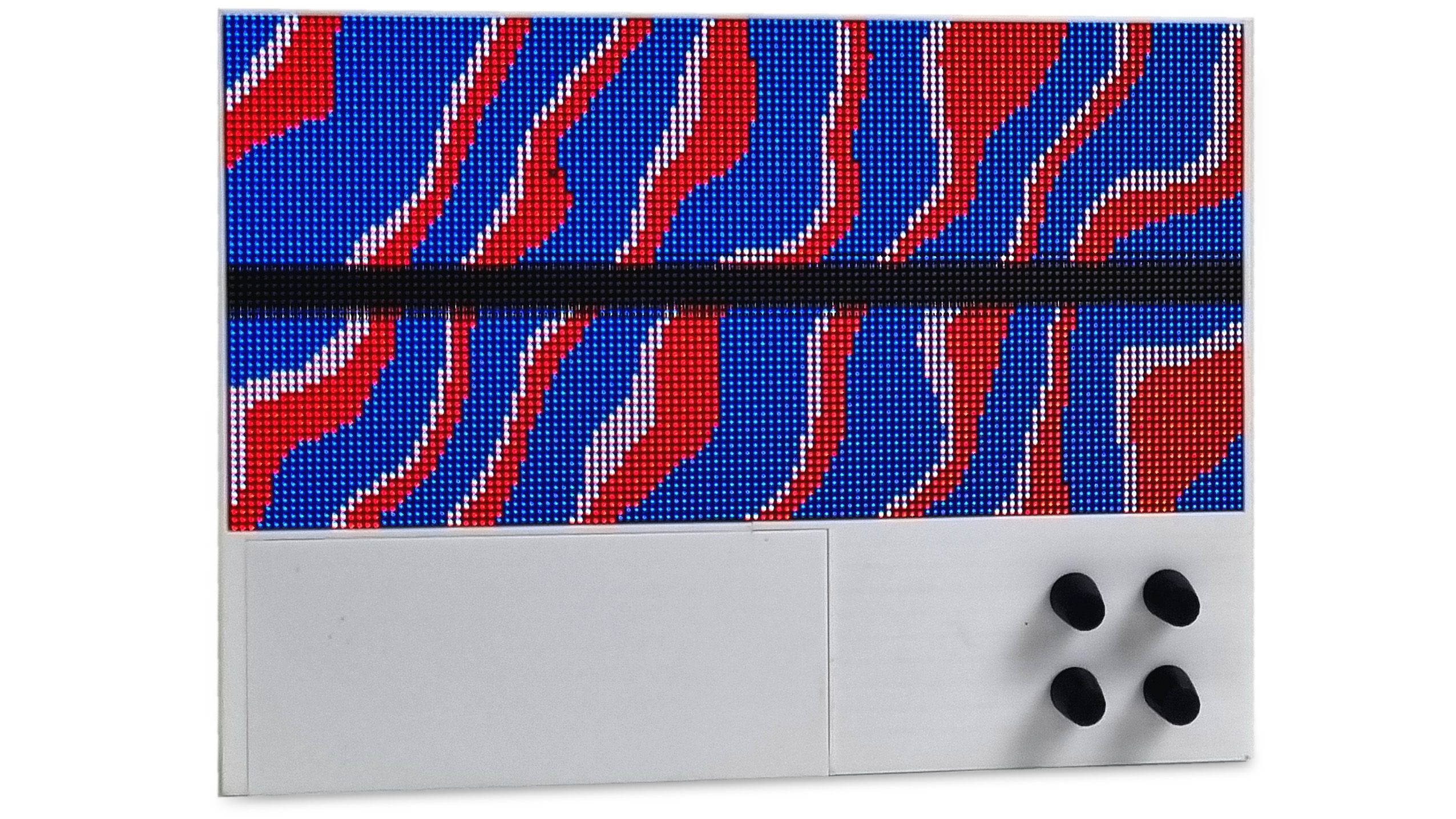
The reason is honest: no one can do this alone. This project involved first-time soldering, first-time PCB design, and long nights in a club room fixing joints until 11 p.m. Going open source means the project gets to live long and stay healthy, carried by everyone who builds it.
We treat Patternflow as art, so we document everything: the events, the emotions, and the thinking, transparently, on our journal. We hope someone reading it finds the courage to make something of their own. We have to make art. We invite you to contribute through GitHub issues, join the Discord for questions, builds, and custom patterns, and see CONTRIBUTING.md for guidelines.
All files are public right now, with code under the MIT license and designs with CC BY-SA 4.0 ("Patternflow" is a trademark of SeungHun Lee.)
You can sign up at the top of this page to be notified when the campaign launches and to receive other updates. We only send out relevant content, and you can unsubscribe at any time.

A Seoul-based artist making interactive media art something anyone can build, starting with open-source hardware.
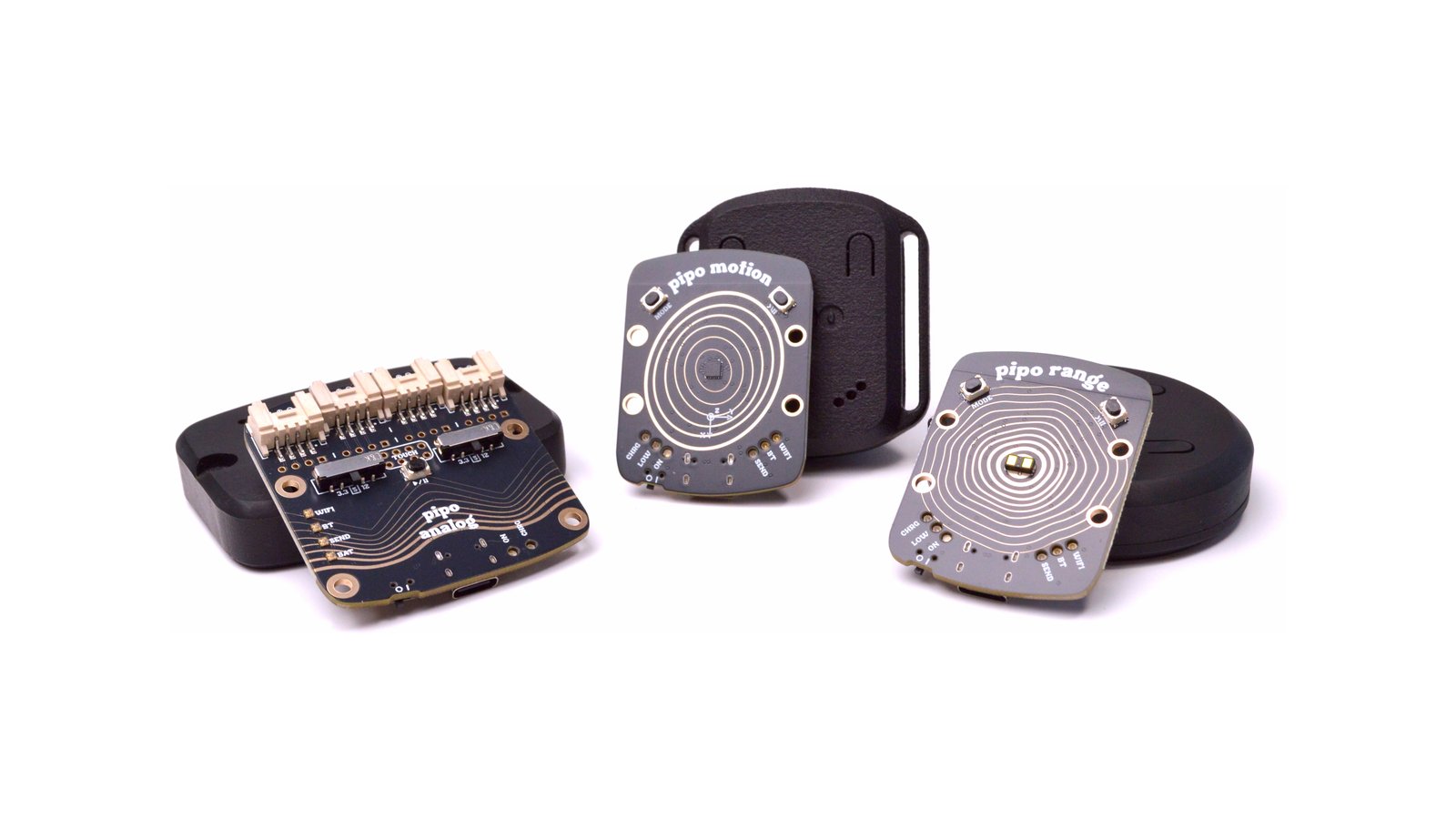
Wireless MIDI & OSC sensing for creative applications
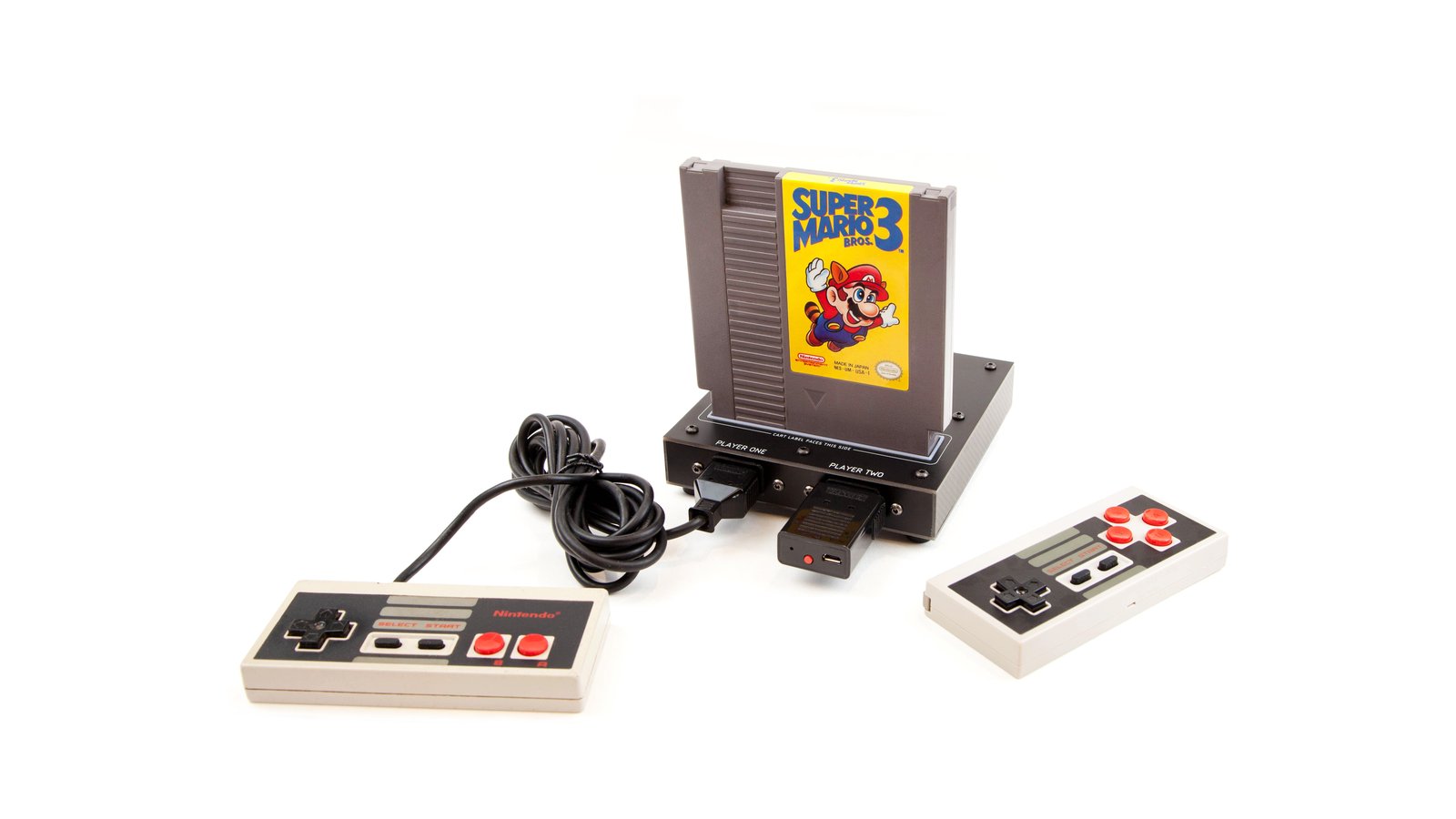
Classic NES games on open source hardware that fits in the palm of your hand
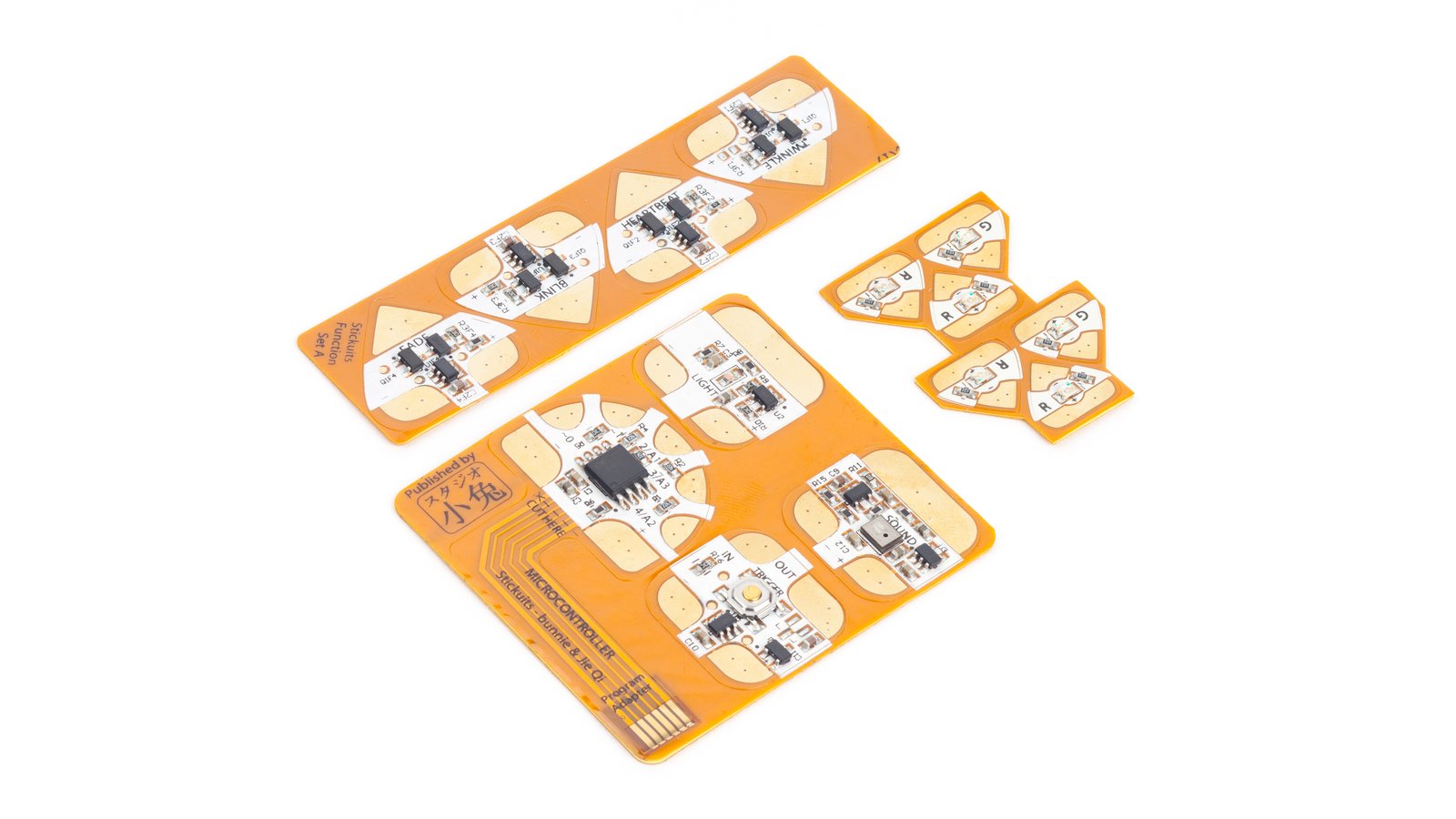
Circuit Stickers are peel-and-stick electronics for crafting circuits. Use them to add electronics to any sticker-friendly surface: paper, fabric, plastic, the sky's the limit!