Project update 2 of 7
Nearly 30% Funded - Press Coverage & Paperlike Computing
by Alexander SOne week into our campaign launch and we’re at 29% funded with 67 backers! To every backer, and to everyone who has shared the project, asked questions, or offered feedback, thank you!
Modos in the Press
- Liliputing: Modos Flow 13.3 inch E Ink touchscreen monitor hits Crowd Supply for $619 and up
- Tech Times: E-Paper Monitor Modos Flow Launches: Open-Source 60 Hz Beats Rivals on Crowd Supply
- LinuxGizmos: Modos Flow is a paper-like 13.3-inch monitor with 60 Hz refresh and touch support
- CNX Software: Modos Flow – An FPGA-based 13.3-inch USB-C touchscreen e-paper monitor
Paperlike Computing
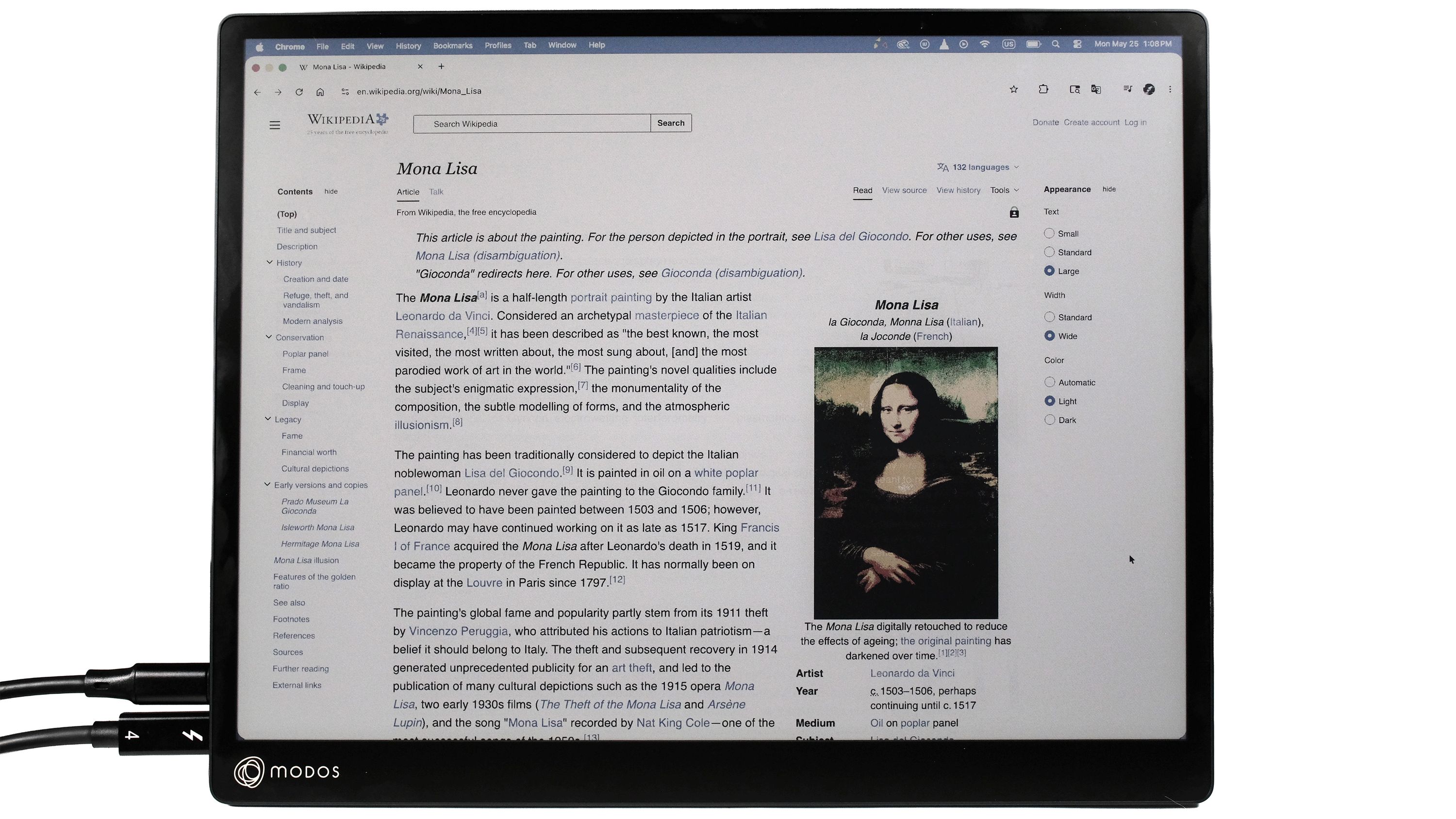
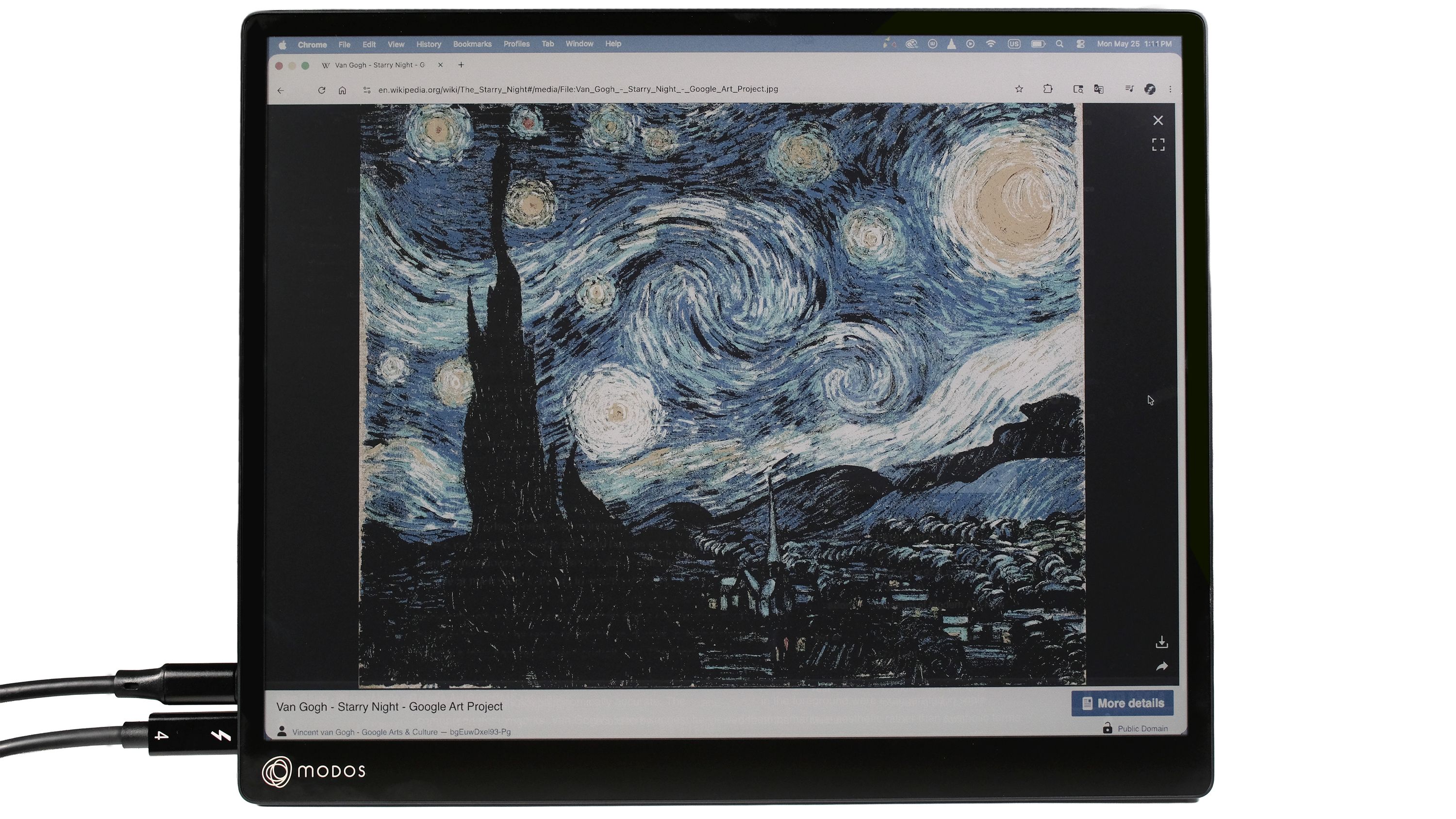
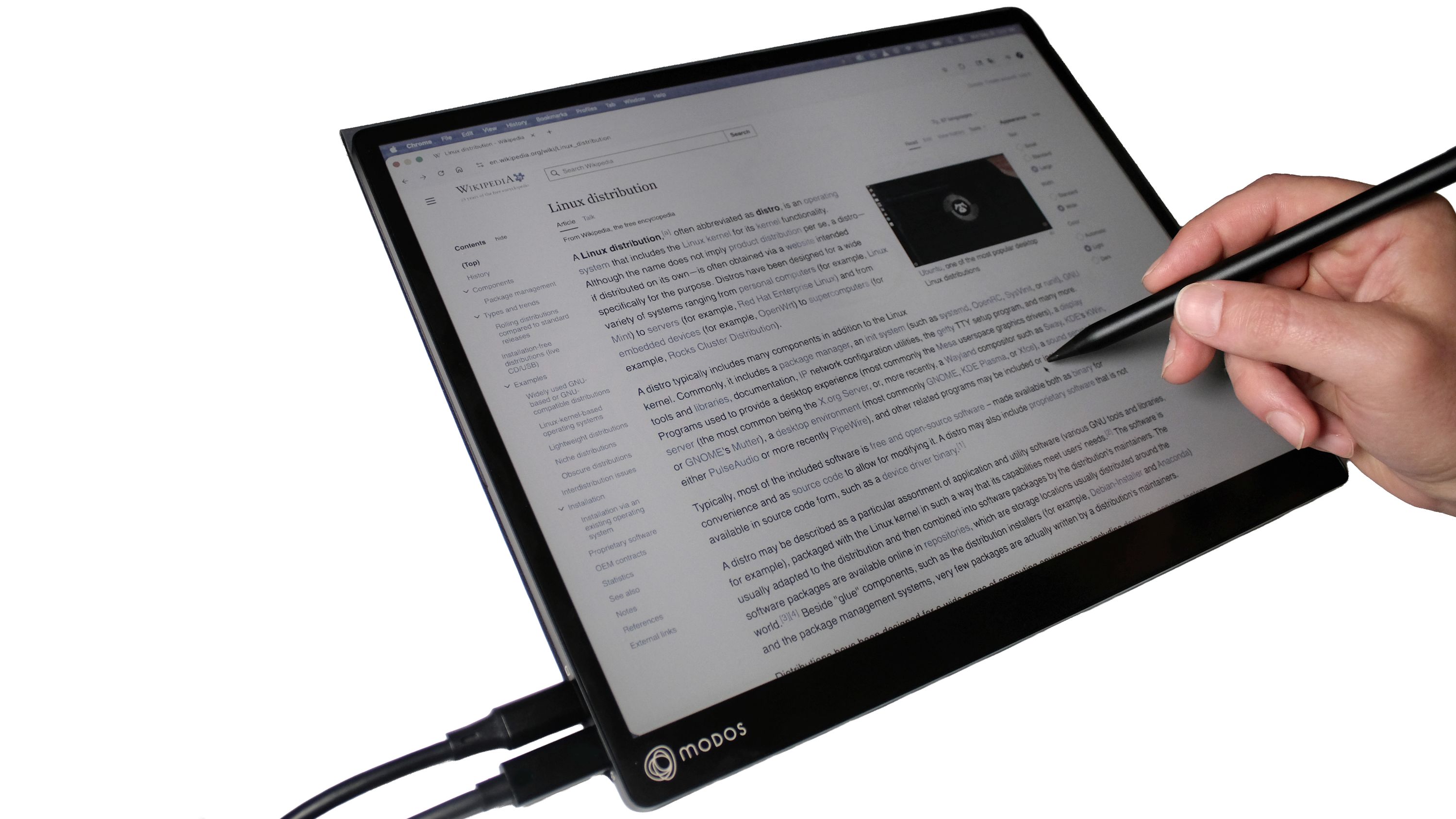
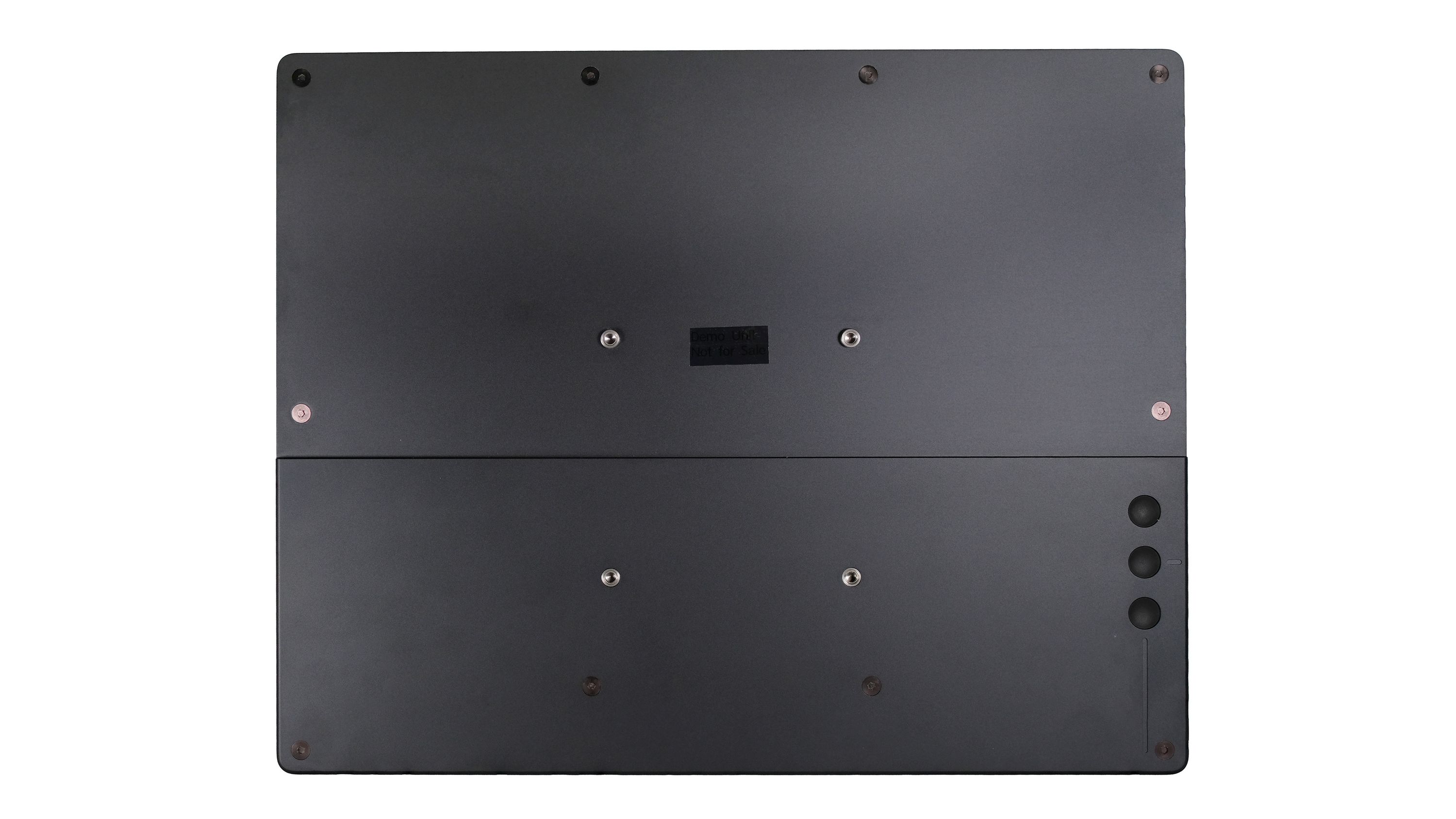
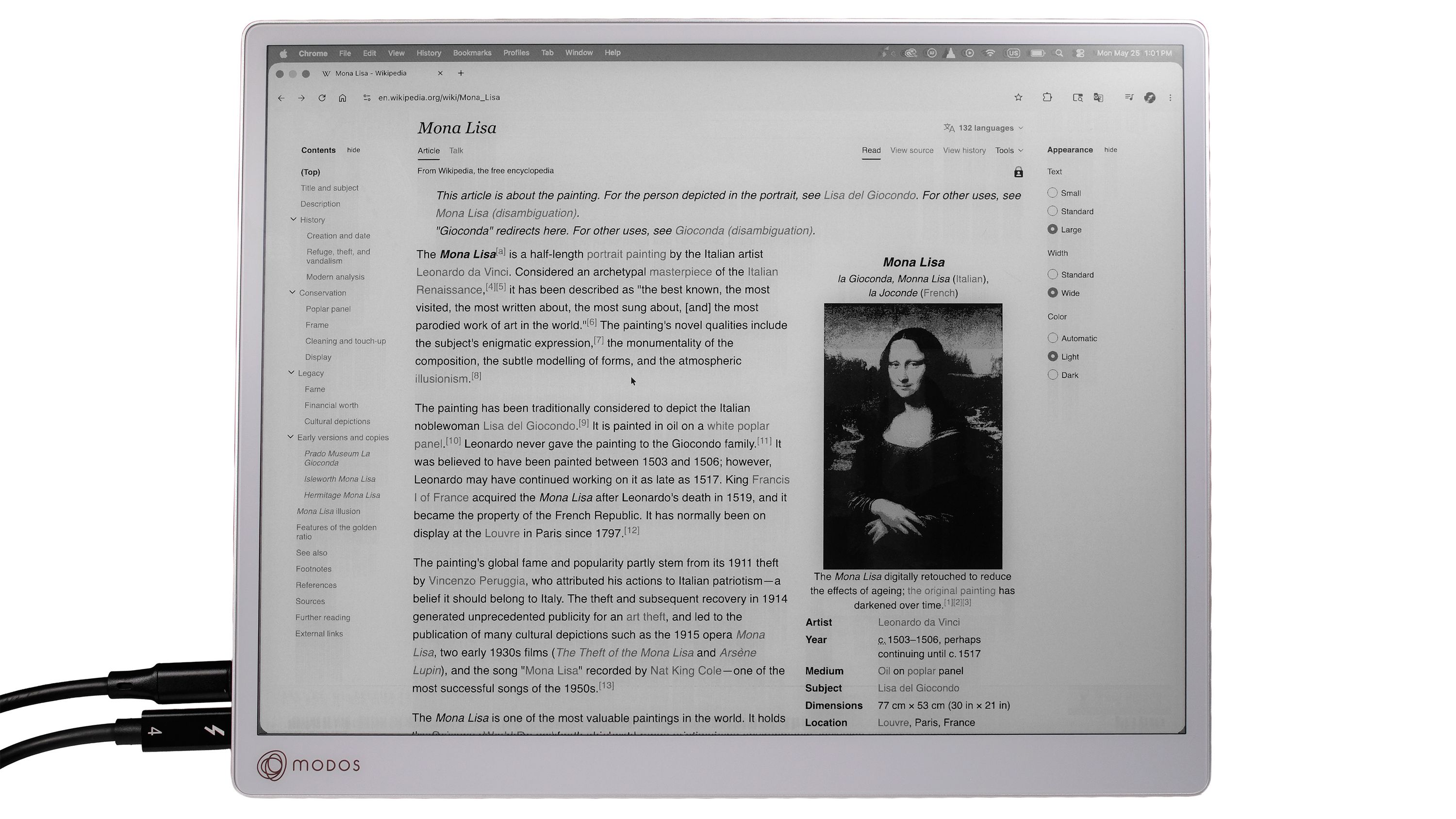
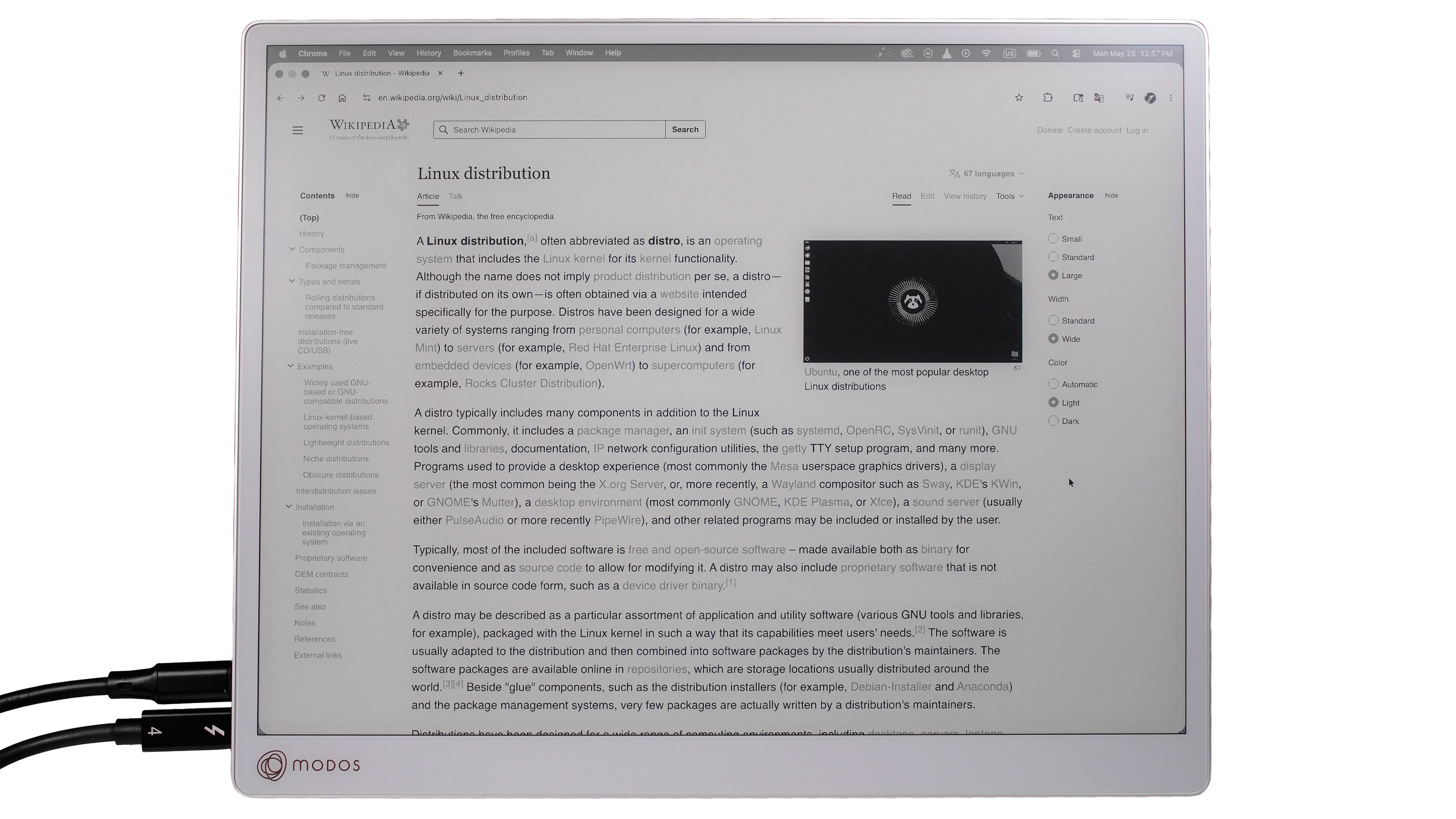
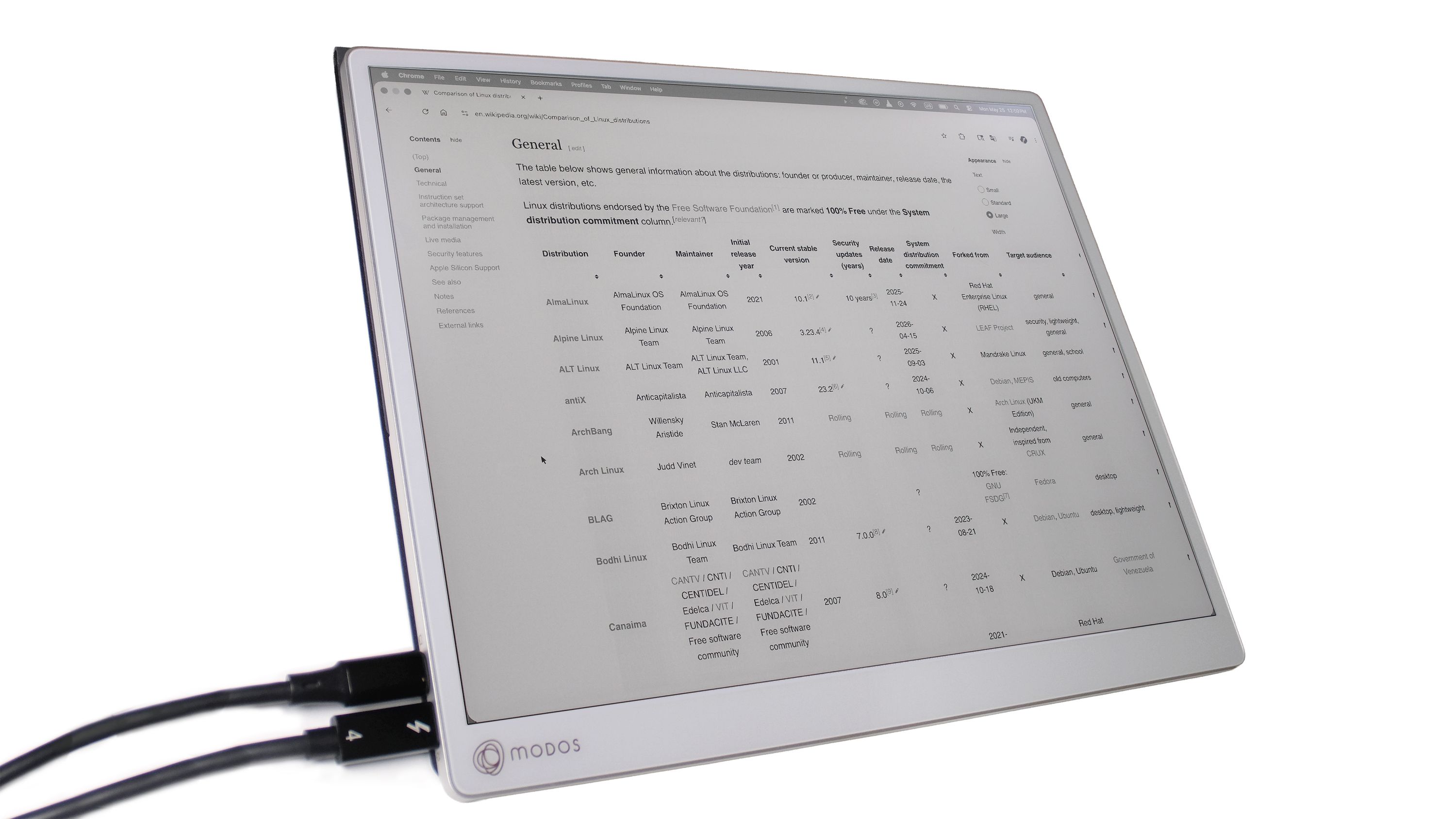
Many everyday computing tasks are not graphically demanding, but they can still be visually demanding. PDFs, documents, notes, drafts, source code, and reference material often stay open for hours while we work through ideas.
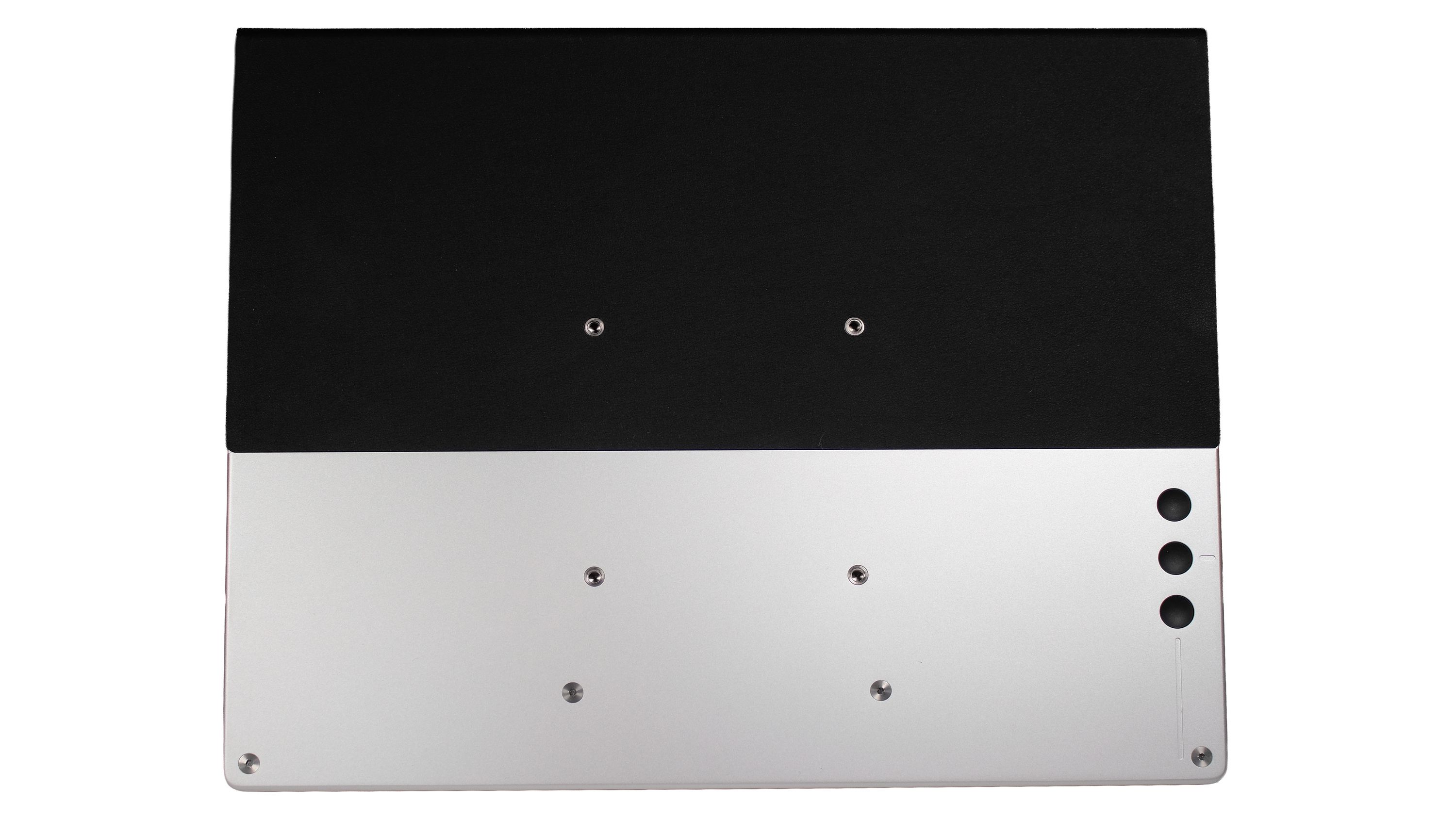
Modos Flow is a 13.3" inch e-paper monitor designed around our low-latency electrophoretic display controller. It provides a calmer display surface when video and animation are not the priority.
Flow comes in color and monochrome versions. Both share the same core: a 13.3-inch, 3200 × 2400 resolution, 300 PPI EPD panel, 60 Hz, USB-C DisplayPort Alt Mode, can be powered using a single USB-C cable, touch support, and compatibility with Linux, macOS, and Windows. The display system supports programmable modes, open hardware, and a controller API for experimenting with how content is rendered and updated.
At the controller level, Flow builds on ideas from Caster/Glider: low-latency EPD driving, runtime-controllable update modes, regional updates, waveform-based grayscale rendering, and hardware dithering. Text can stay crisp in fast binary or 4-level grayscale modes, while more detailed content can use 16-level grayscale.
The color version uses E Ink Kaleido 3 to add visual structure to e-paper workflows. Color helps with highlights, diagrams, charts, UI cues, and marked-up PDFs. Stylus support for annotation and quick notes. The frontlight keeps the display readable as ambient light changes. The goal is not to replace a color accurate monitor, but to add visual context for review and reference.
The monochrome version uses E Ink Carta 1300, with a focus on contrast, pixel-level text clarity, and clean rendering of lines, tables, code, and document structure. It’s the better fit when the workload is primarily black text, grayscale diagrams, terminal output, and dense reference material.
Both versions are meant to make e-paper computing feel more practical: responsive for focused work, open for experimentation, and visually less demanding for long sessions with text.
Making E Ink Look Good - Atkinson Dithering
Community member Inkredible created a video about the work he’s been doing over the past year to develop better dithering algorithms for e-ink displays, including Modos Flow. I highly recommend checking it out. The video shows different use cases for Flow and also goes into detail on implementing Atkinson dithering.
Thank you, Inkredible, for all of your contributions and for sharing them with the community!
Our New Goal: Reach 50% Next Week!
Every backer, share, and mention moves us closer to a more open e-paper ecosystem: one where the hardware and software are accessible, adaptable, and built to be understood, repaired, and improved over time.
If this vision resonates with you, please back the campaign, share it with a friend, or help us spread the word.