Since the last update, we’ve been able to continue the production and shipping process. Here is an update of what has happened and where to go from here.
Shipping Updates
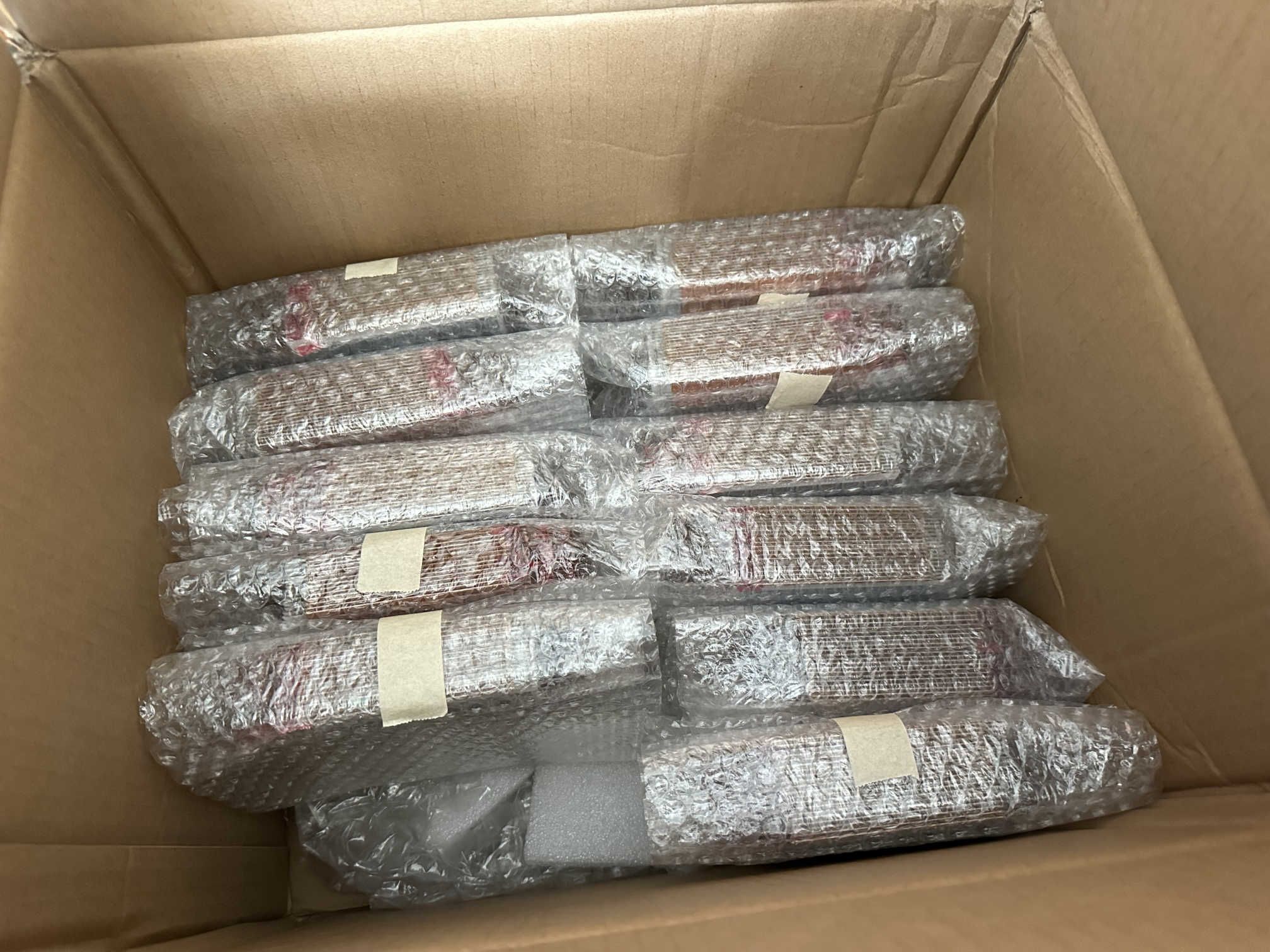
Last time, we reported we were shipping out the first batch. Up through today, we have shipped out 260 13" kits and 215 6" kits. This means we have shipped out all of the 13" orders to Crowd Supply for fulfillment. We are currently hitting a small delay: around half of the 6" panels we received didn’t meet our quality standards. Due to the Chinese New Year, it took us a bit longer to inspect the broken screens and handle the logistics around replacing panels. We just received the replacements right before this update, so production will resume soon. We are expecting to ship out all remaining 6" orders to Crowd Supply this month, if things go smoothly. Once a batch arrives and gets checked in, Crowd Supply will ship individual orders out to backers/customers.
Printable Cases
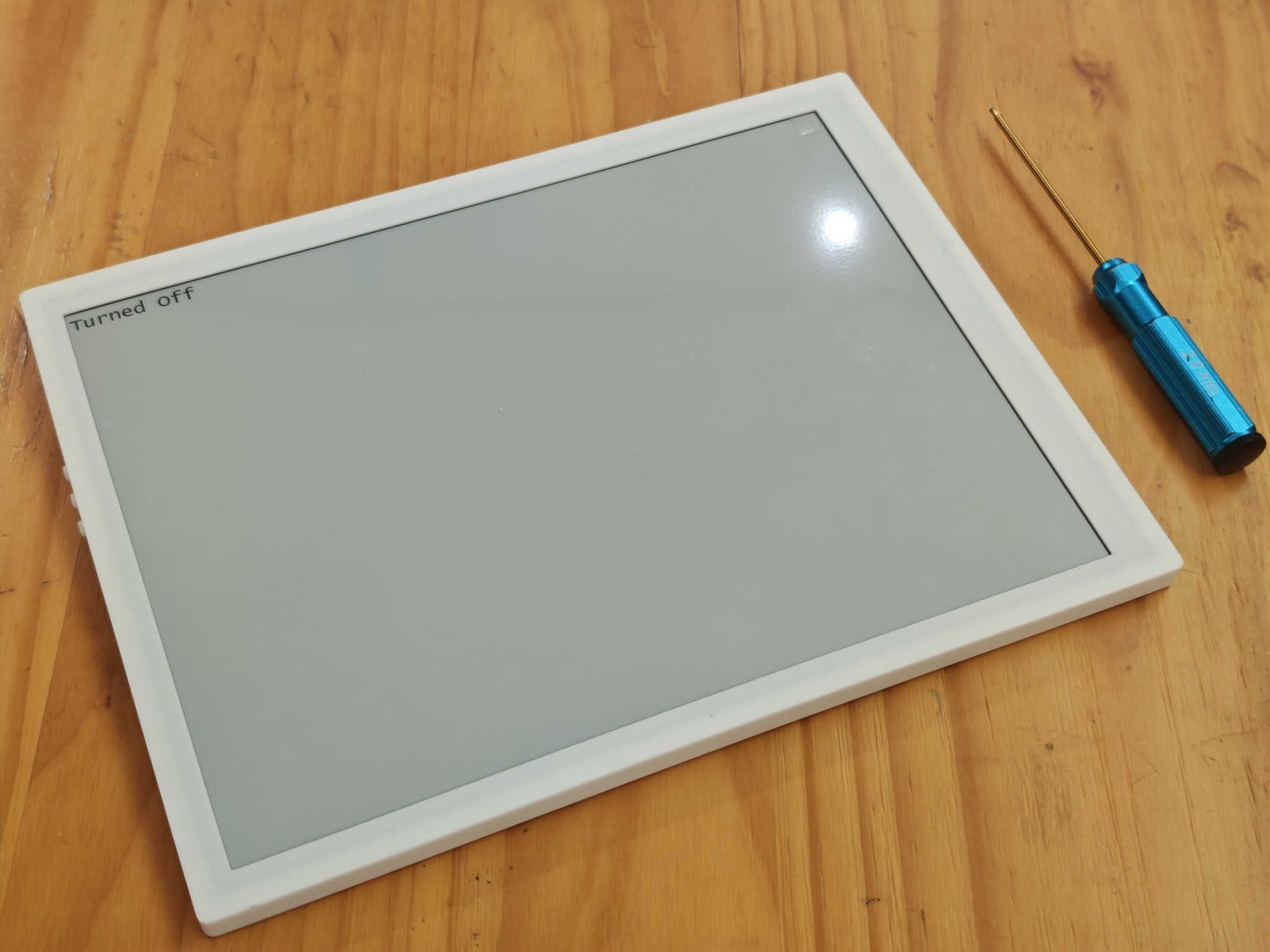
Since last update, we have revised the reference printable cases for the dev kit. We have checked individual printable STEP models into the repository with accompanying assembly instructions.
Firmware
Our boards are shipped with default firmware that turns this development kit into an E-ink monitor. We have checked the firmware used for production into the source repository. To use it:
- Install dfu-util (for example,
apt install dfu-util, orbrew install dfu-util) - Make sure you have a Python 3 environment and you can install packages to it
- Install
hidapiPython package by runningpip3 install hidapi - Change directory to
utils/flash_tooland copy over compiled bitstreamfpga.bitand firmwareglider_ec_rtos.bin. Pre-compiled binaries are provided, but they may not be up to date. - Holding the button closest to the USB port and plug in the USB cable
- Run the tool
python3 flash.py
As a bonus, the flash and test utility we used in the factory is also provided as utils/flash_tool/main.py.
All the instructions above are in the repository README as well, in case you need them in the future. The README also contains guides for compiling the firmware for the MCU and the gateware for the FPGA. For reference, the stock firmware is compiled with STM32CubeIDE 11.7.0 and Xilinx ISE 14.7.
With alternative firmwares, it’s also possible to implement other applications than just being a monitor.
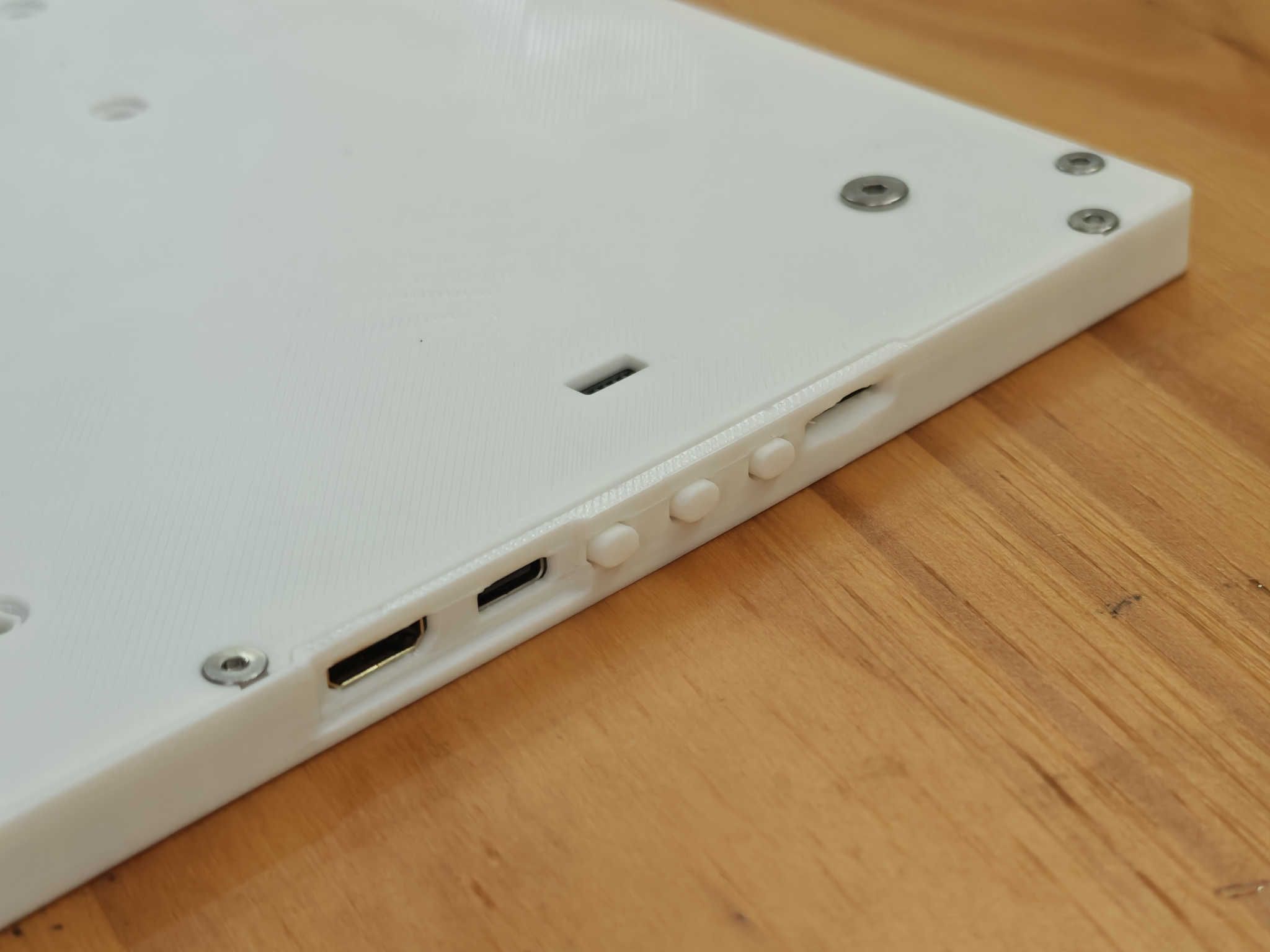
The MCU and the FPGA are interconnected by an 8-bit parallel bus, using the FSMC on the STM32 microcontroller. It’s theoretically possible to stream video data from the microcontroller to the FPGA without involving external video sources.
There is an SD card slot connected to the microcontroller if assets storage is needed. There are also extra FPGA IOs (LVDS capable) and MCU IOs available on the expansion port. On the other hand, there is also nothing preventing you from using screens other than E-ink. You can also use the FPGA to act as a display bridge to drive LCD/ OLED screens as well.
As always, thank you for your support and for helping make all of this possible.