Oddly Specific Objects
Books
KiCad
Open Book Touch
A pocketable, open-source backlit e-reader
This project is launching soon.
0
updates
updates
Oddly Specific Objects
Books
KiCad
This project is launching soon.
Open Book Touch is the ultimate realization of the Open Book Project, a long-standing effort to build an affordable, open source, hackable, DIY-able e-book reader.
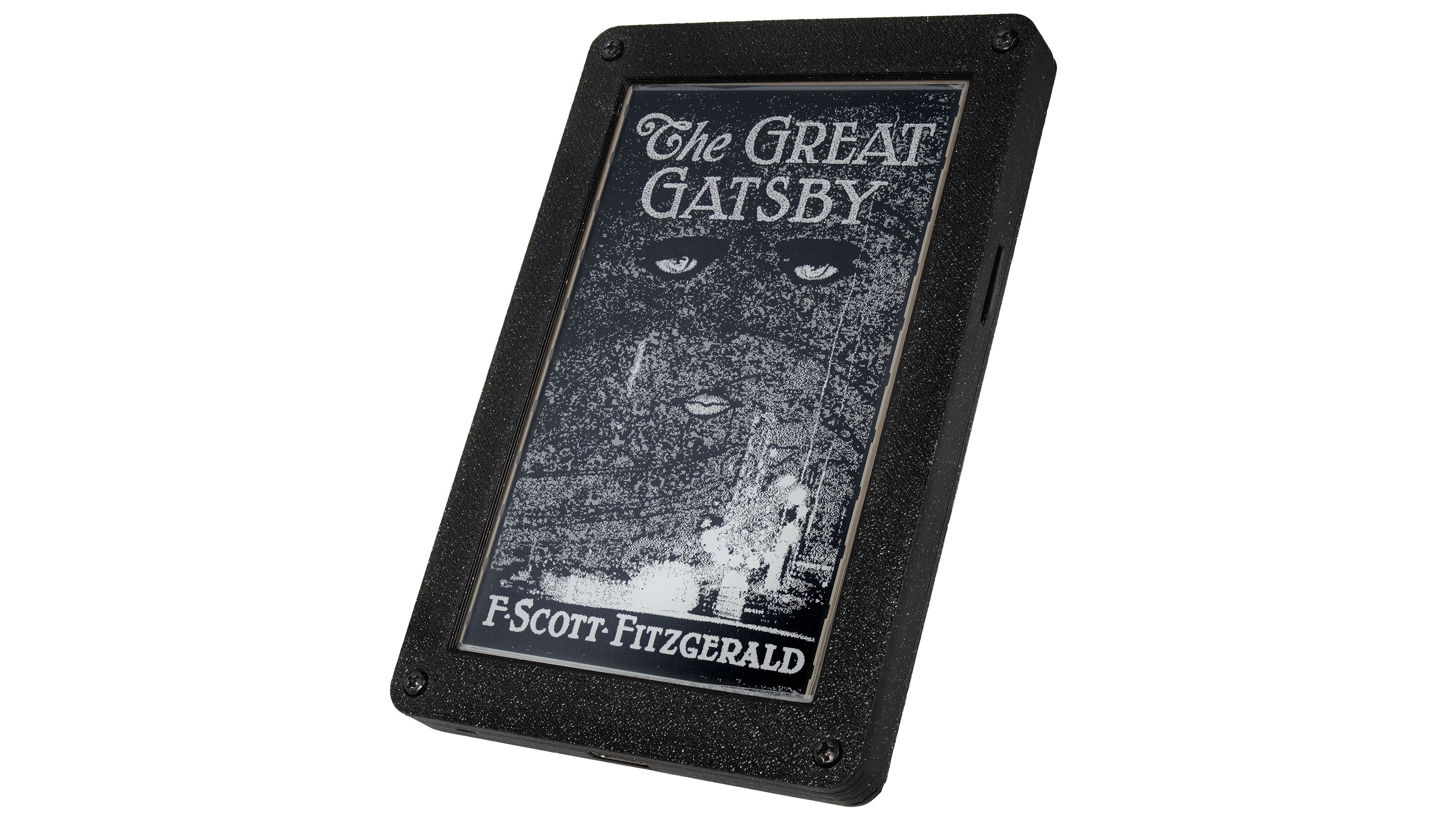
Equipped with an ESP32-S3 microcontroller and a front-lit 480x800 pixel e-paper touchscreen, it’s the most advanced open source e-book reader yet. Moreover, at under a centimeter thin in its 3D-printable enclosure, it may be the thinnest open source e-book reader as well.
Previous iterations of Open Book all featured eight physical buttons: one on top, five more forming a direction pad on the front, and a pair on the left and right for advancing to previous or next pages. With Open Book Touch, all those buttons melt away: the front of the device is little more than a beautiful, streamlined, completely symmetrical 4.26-inch capacitive touch e-paper display.

The dedication to simplicity extends to the components on the board: Open Book Touch has been distilled to its essence, all while adding features that folks have asked for for years. A dual-core ESP32-S3 MCU with support for both Wi-Fi and Bluetooth adds connectivity both to devices in your orbit and to the world at large. We’ve included enough flash memory—16 megabytes—to support far more complex firmware, leaving plenty of room to spare for custom fonts. We’ve added eight megabytes of super-fast SRAM for memory-intensive operations like parsing EPUB files. A 32.768 kHz crystal allows for accurate timestamping of files on any card you insert into the MicroSD card slot. And integrated LiPo charging circuitry and charge monitoring let you fill your battery from any USB Type-C power source.
The e-paper display packs the 480x800 pixels often found on 7.5-inch displays into a delightfully pocketable 4.26 inch diagonal, yielding an incredibly sharp resolution in its standard 1-bit mode. With dithering, photographs and illustrations look great in pure black and white (although 2-bit grayscale is also supported).
The display also boasts five warm and five cool LEDs in the display’s frontlight module: with the ESP32-S3’s native PWM capabilities, Open Book Touch allows for fine-grained dimming and color temperature control for reading in dark environments. Read all night without disrupting your night vision!
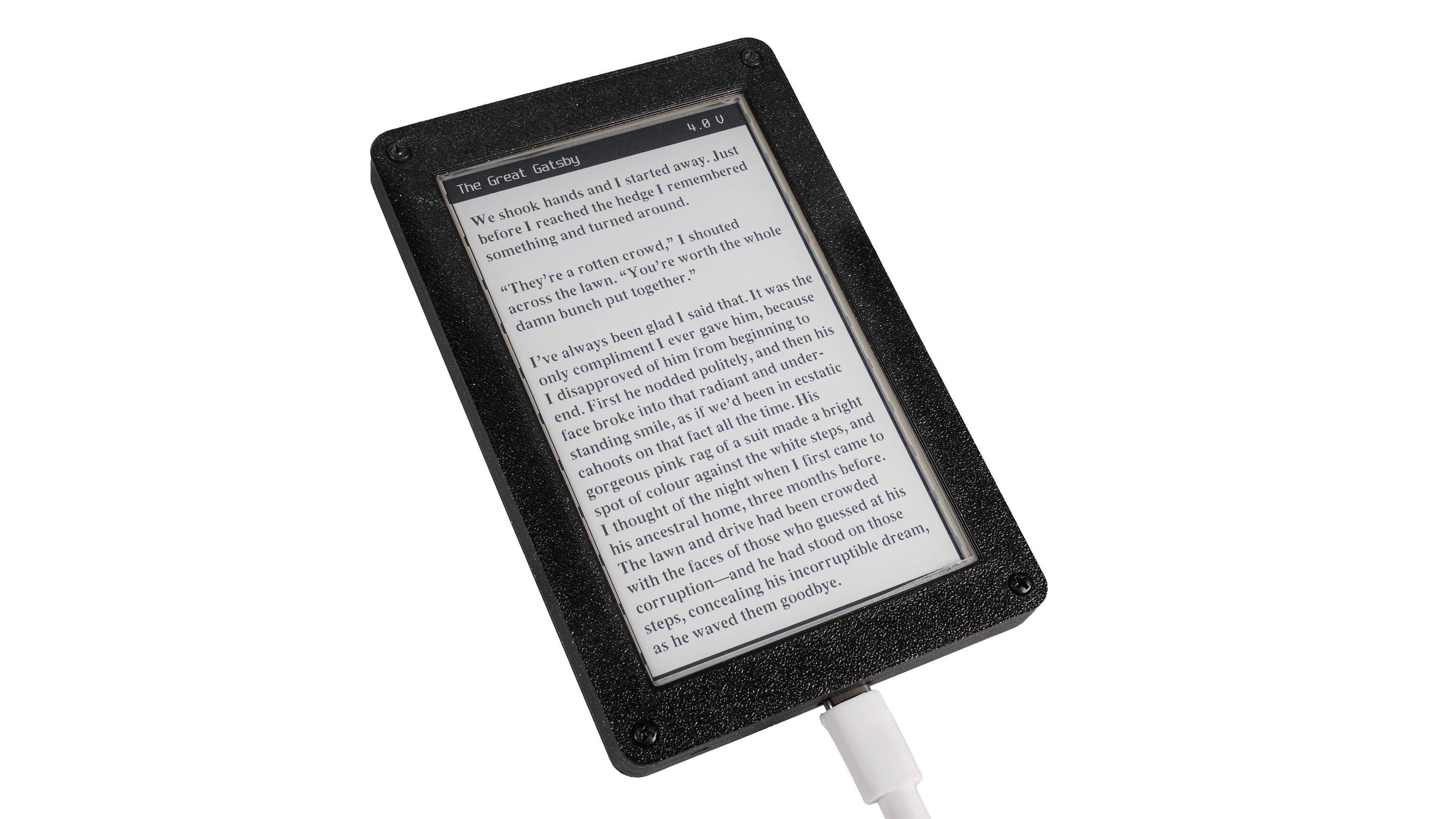
We’ve been tirelessly refactoring Focus, the UI framework underlying the Open Book’s firmware, to support touch screen interaction. Focus uses a view controller system inspired by NextStep’s AppKit and Apple’s UIKit that makes it intuitive to lay out view hierarchies and respond to events. When complete, we expect to release an open source SDK that will allow people to build all kinds of applications for Open Book Touch (even if, y’know, reading books is the one nearest and dearest to our hearts).
The new Open Book firmware takes advantage of the ESP-IDF framework and FreeRTOS, meaning that we’re finally bidding farewell to fragile Arduino workflows. File operations and system calls “just work”, paving the way for more advanced integrations; for example, we’ve currently got SQLite running as the backend for storing book metadata.
Still, none of this is to say that you can’t use Arduino if you want to! Open Book Touch has been tested to work with both Arduino and CircuitPython, if you want to use it as an incredibly svelte e-paper development board. MicroPython and Rust should also be possible; if your programming language or framework of choice supports the ESP32-S3, it should work with Open Book Touch.
Finally: we expect Open Book Touch to achieve days to weeks of reading time and months of standby on a single charge of its user-replaceable 1800 mAh LiPo battery. That’s all thanks to careful planning to maximize use of the S3’s low-power RISC-V coprocessor, and a ton of lessons learned building the ultra-low-power Sensor Watch project.
All software, documentation and design files (KiCad schematics, board files and enclosure) will be released under an Open Source Hardware compatible license when the product design is finalized and the product begins shipping to backers.
You can sign up at the top of this page to be notified when the campaign launches and to receive other updates. We only send out relevant content, and you can unsubscribe at any time.
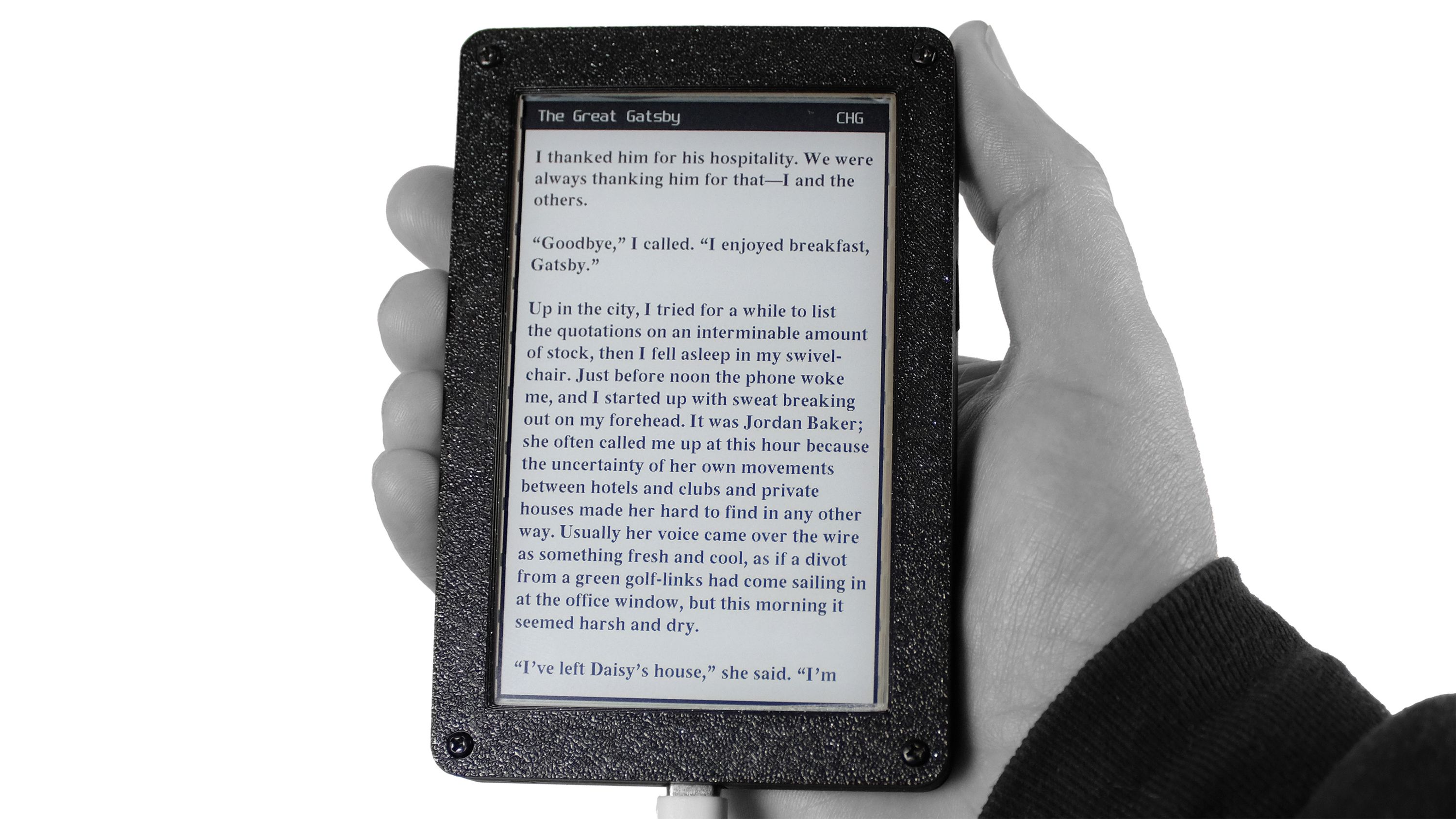

"[T]he updated design also includes a front-lit display that will make it easier to read in dimly lit environments without adding a clip-on book light."
We create comprehensible open source designs that democratize the knowledge required to create useful technology. Read: we make stuff, then we tell you how we did it so that you can do it too.
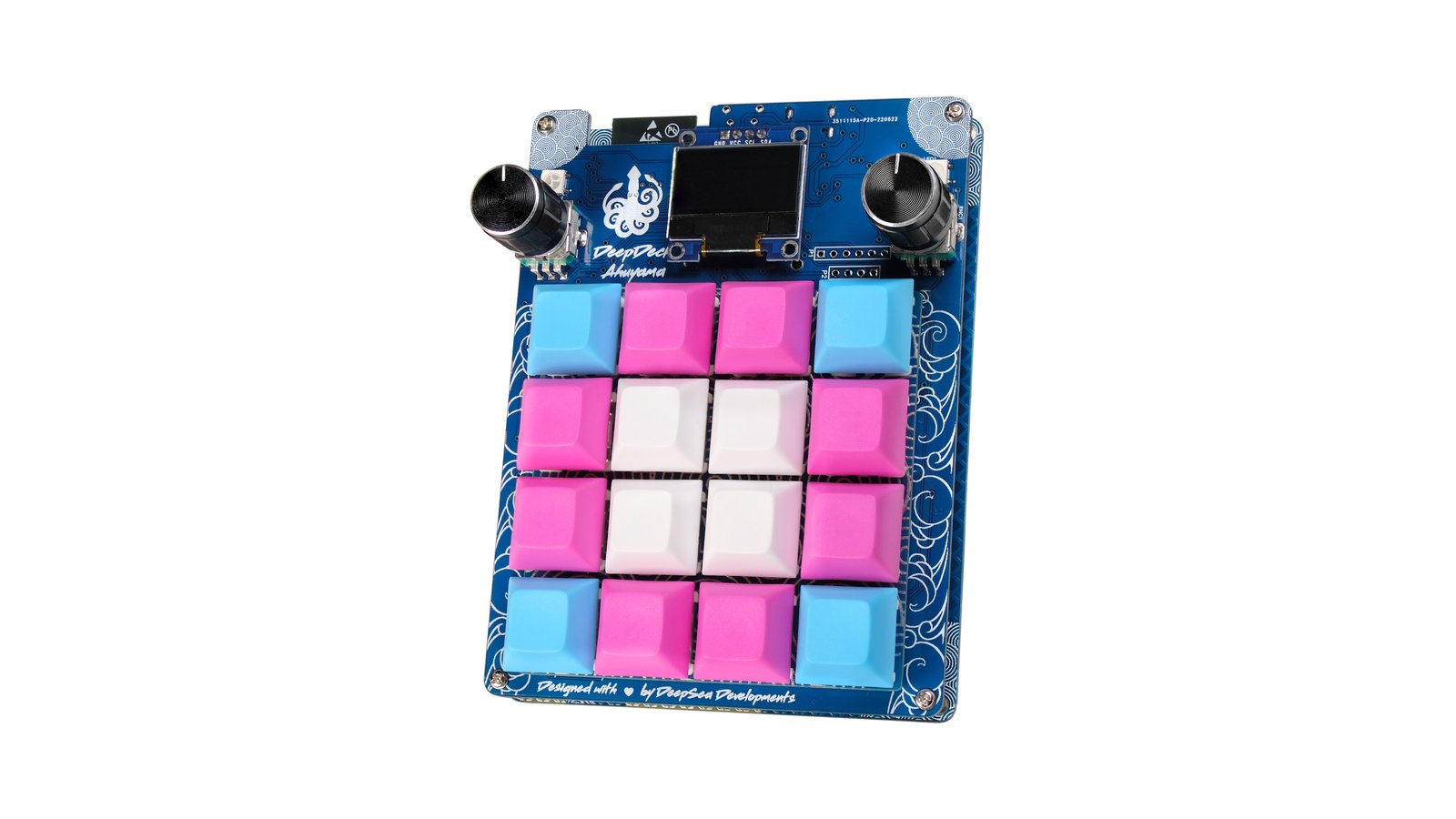
Wireless, fully programmable, open source, ESP32 macropad featuring 16 RGB, mechanical, hot-swappable keys and two RGB rotary encoders
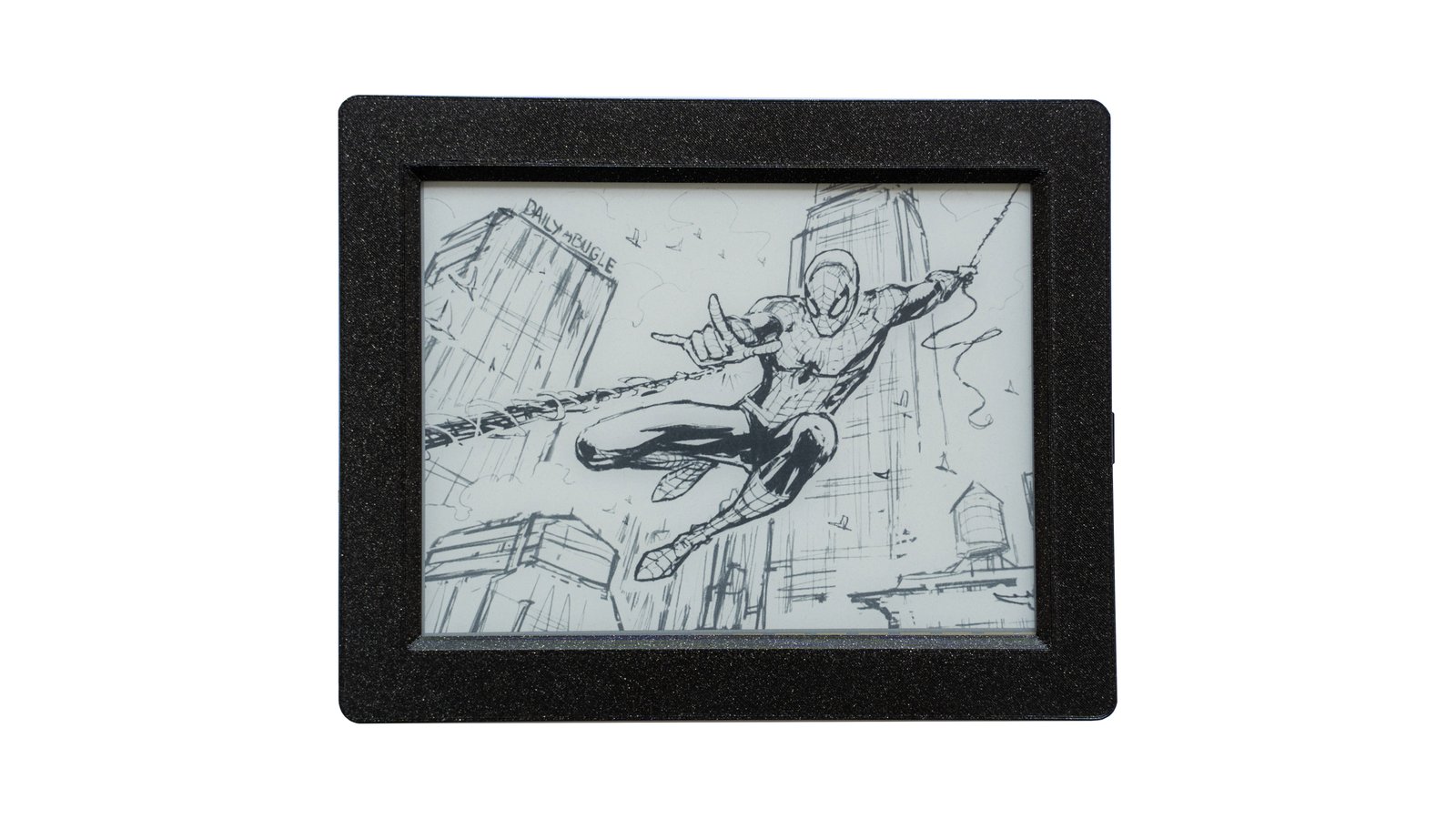
Versatile, easy-to-use, Wi-Fi-enabled 6" e-paper display with a touchscreen and frontlighting
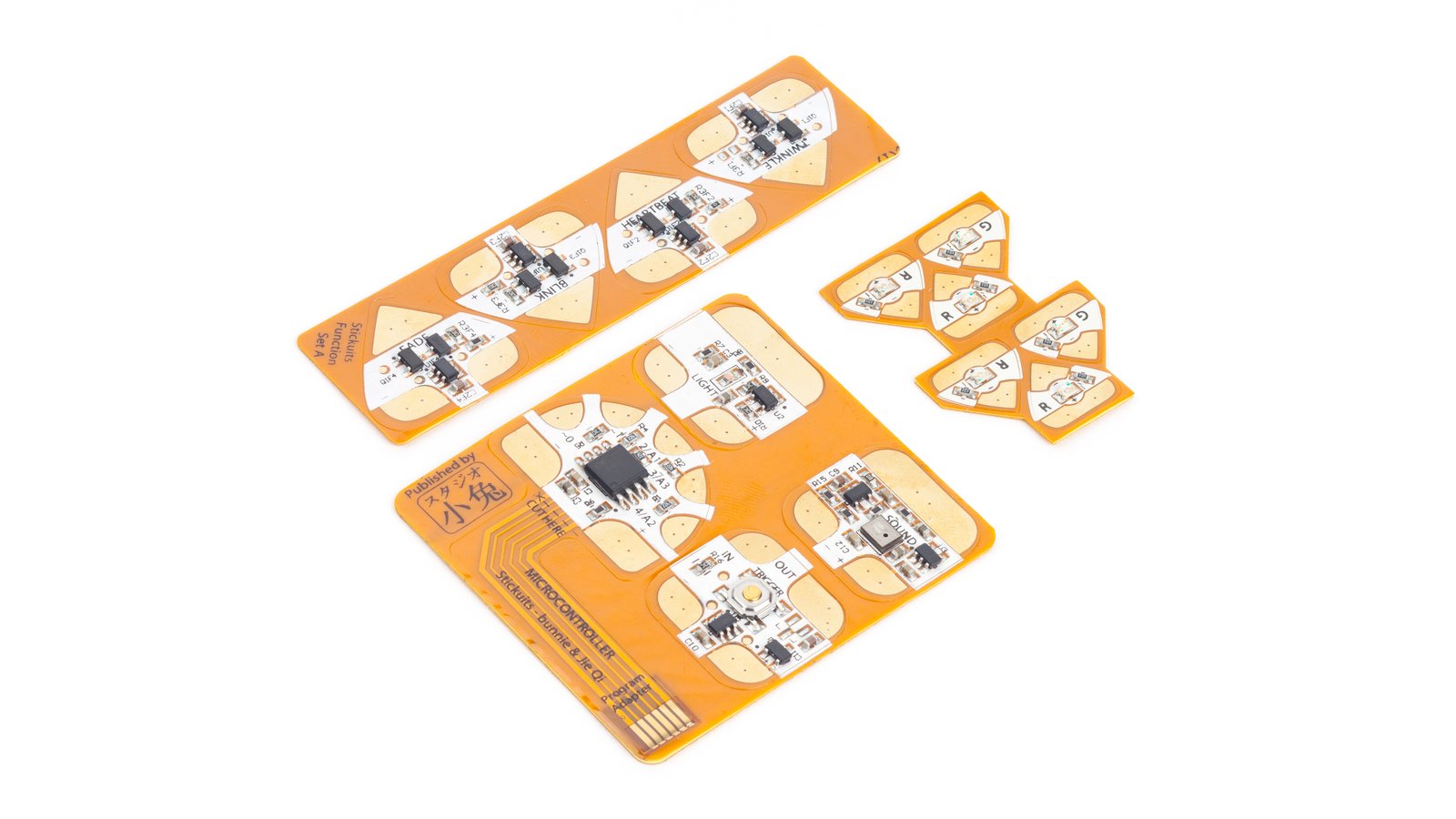
Circuit Stickers are peel-and-stick electronics for crafting circuits. Use them to add electronics to any sticker-friendly surface: paper, fabric, plastic, the sky's the limit!