RELOC
Microcontroller Boards
ESP32
SCINTIX P4
A real-time ESP32-P4 module for the Raspberry Pi CM4/CM5 ecosystem
This project is launching soon.
0
updates
updates
RELOC
Microcontroller Boards
ESP32
This project is launching soon.
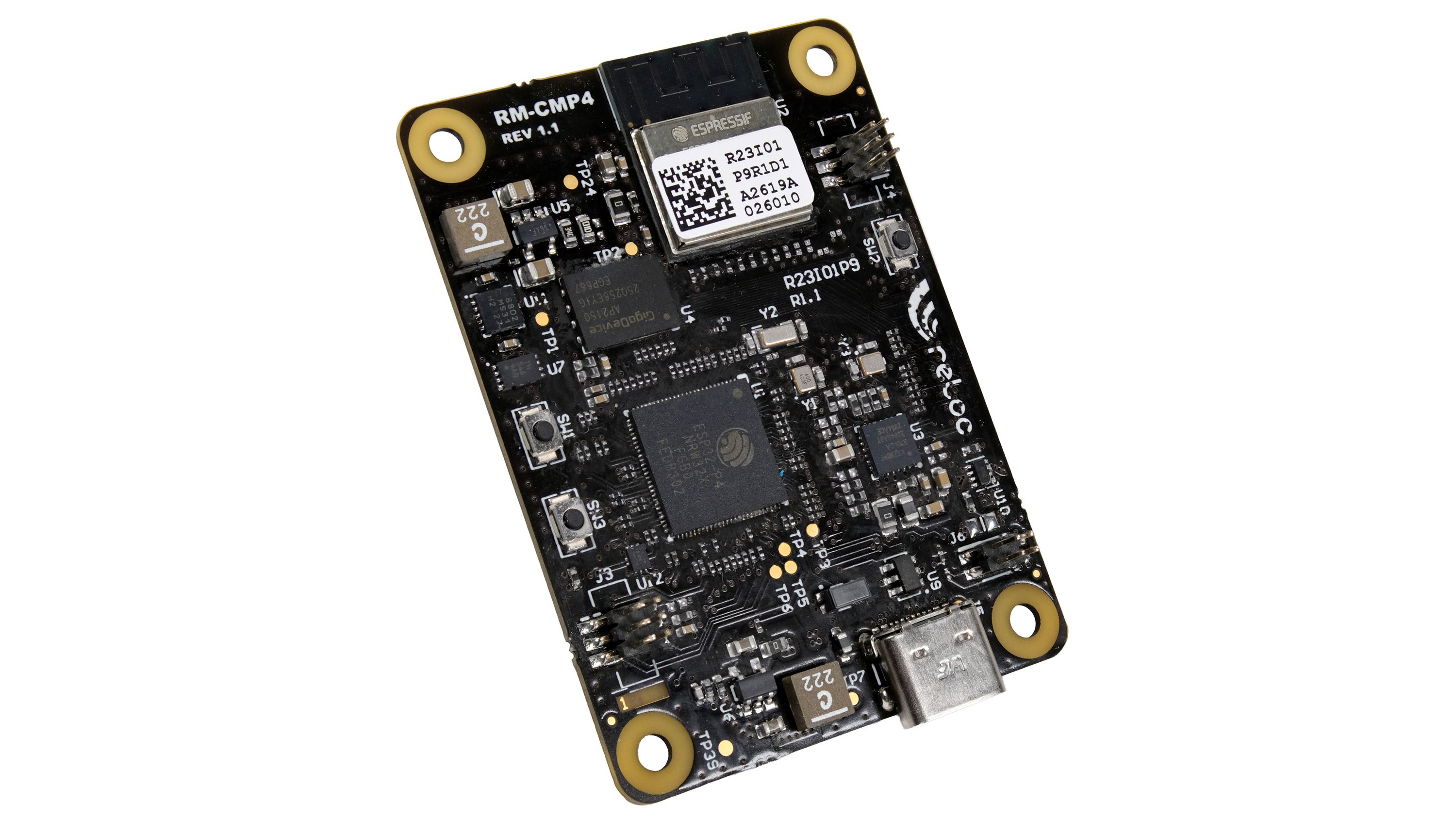
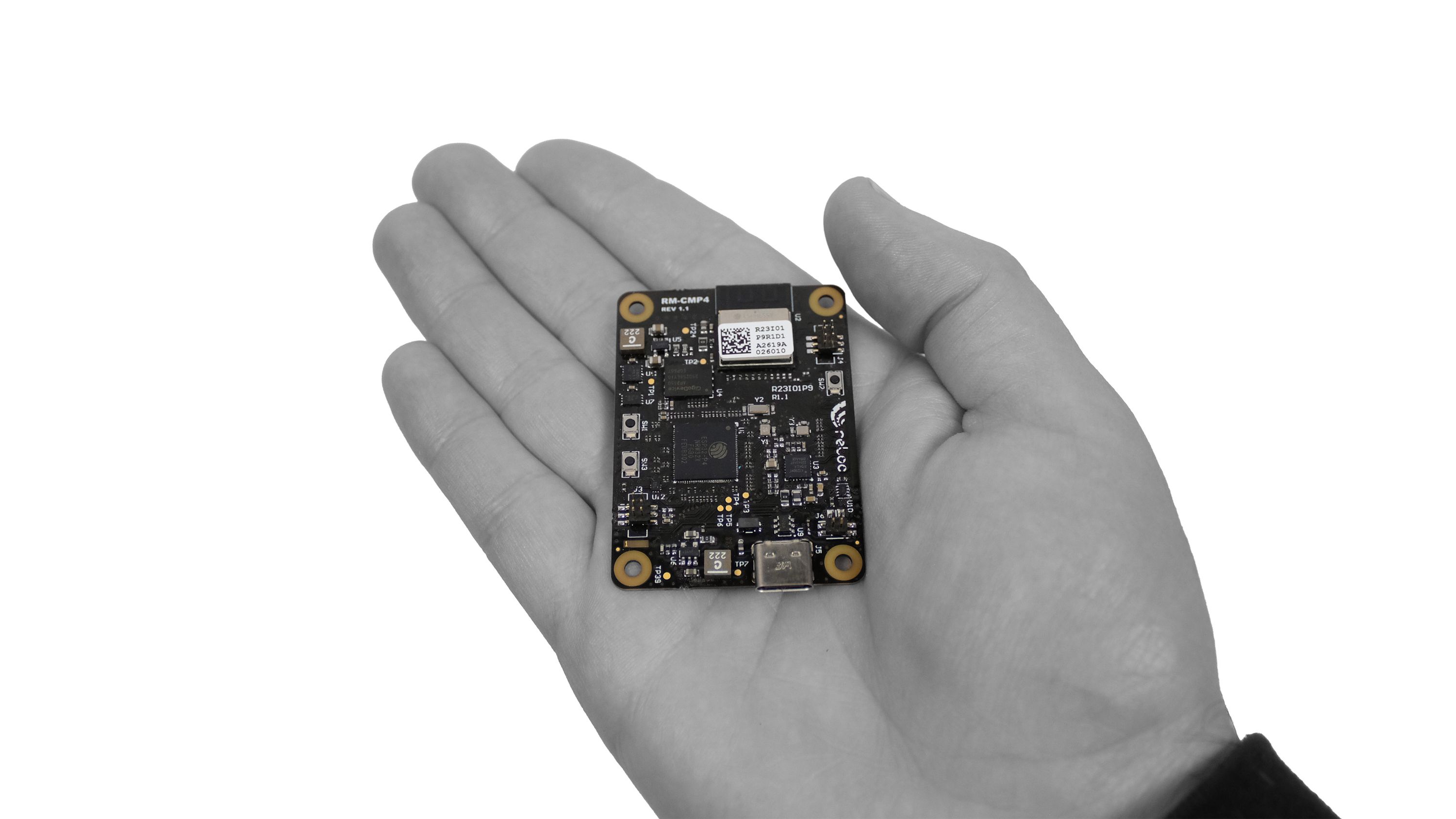
SCINTIX P4 is a compact compute module that brings real-time MCU performance into the Raspberry Pi CM4/CM5 carrier ecosystem. It’s different from every other compatible module because it features a real-time ESP32-P4 MCU into the same mechanical and electrical footprint. This gives MCU developers the determinism, instant boot, and low power consumption they expect. To our knowledge, this makes SCINTIX P4 the first MCU-based compute module ever released in this form factor.
Plugged into a CM4/CM5 carrier, SCINTIX P4 gives you immediate access to displays, cameras, Ethernet, USB, and all the peripherals the ESP32-P4 exposes, no custom hardware needed. Standalone, it runs powered and programmed over USB Type-C. When it’s time to go from prototype to product, the SoM can make the transition as well. Custom carriers can be reduced down to only the components you need broken out, which simplifies your design, streamlines certification, and speeds up time to market.
At the heart of SCINTIX P4 is the ESP32-P4, Espressif’s latest flagship MCU — a recently launched, fresh and powerful option for embedded developers. Dual-core RISC-V at 400 MHz with AI instruction extensions and a single-precision FPU, plus a dedicated low-power RISC-V core for always-on tasks. SCINTIX P4 pairs it with an ESP32-C6 companion for Wi-Fi 6, Bluetooth 5, and 802.15.4 (Zigbee / Thread / Matter), and adds an on-board Ethernet PHY, native MIPI-DSI and MIPI-CSI, 32 MB PSRAM, and 32 MB NOR flash.
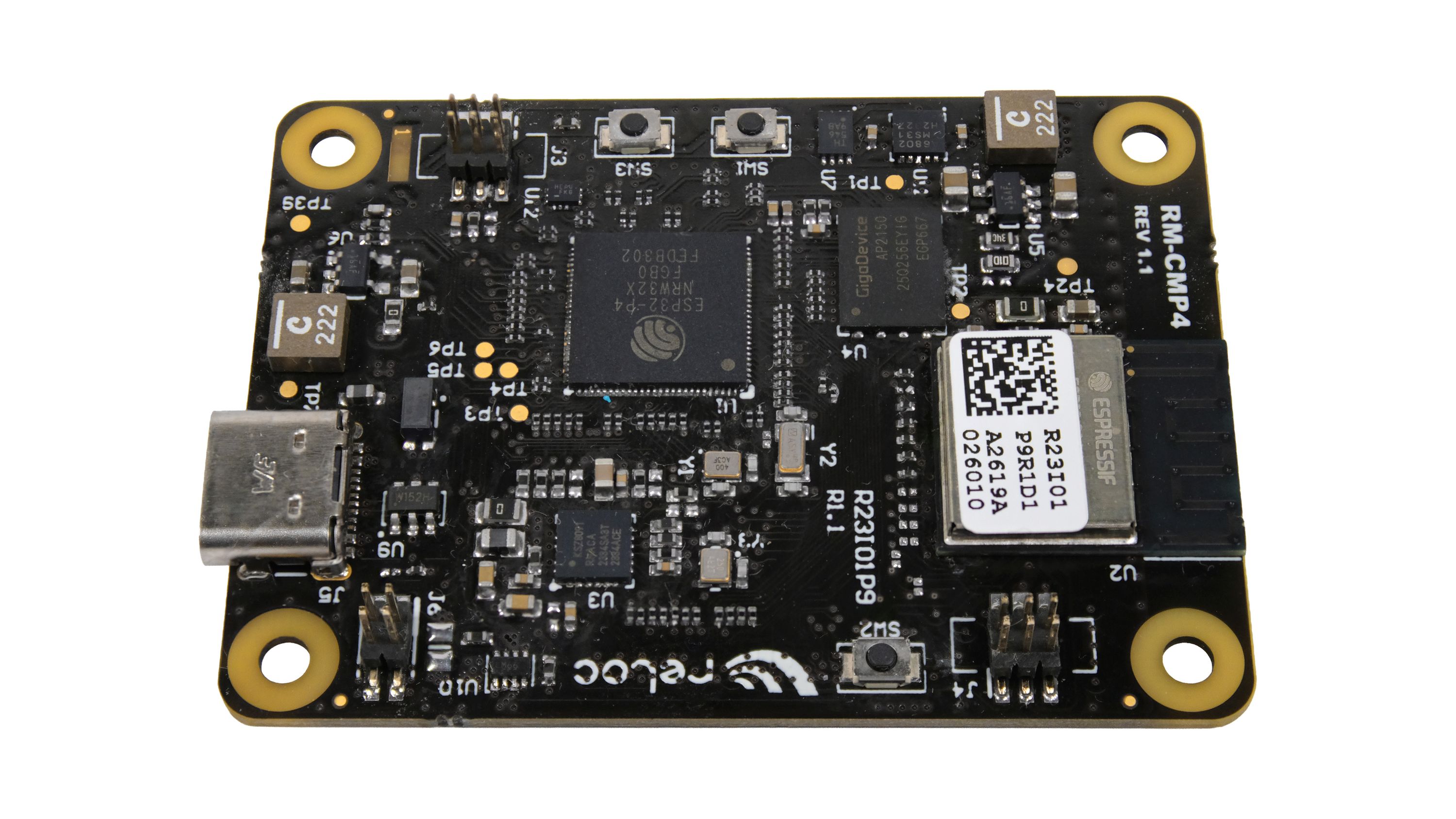
SCINTIX P4 is designed for developers who need real-time MCU performance but don’t want to redesign the hardware around their application. Typical use cases include rapid prototyping of IoT, robotics, and real-time embedded systems; display and camera-based HMI projects leveraging MIPI-DSI and MIPI-CSI; edge AI and sensor processing applications; and modular embedded systems that need the flexibility of a CM4/CM5 carrier with the deterministic behaviour of an MCU.
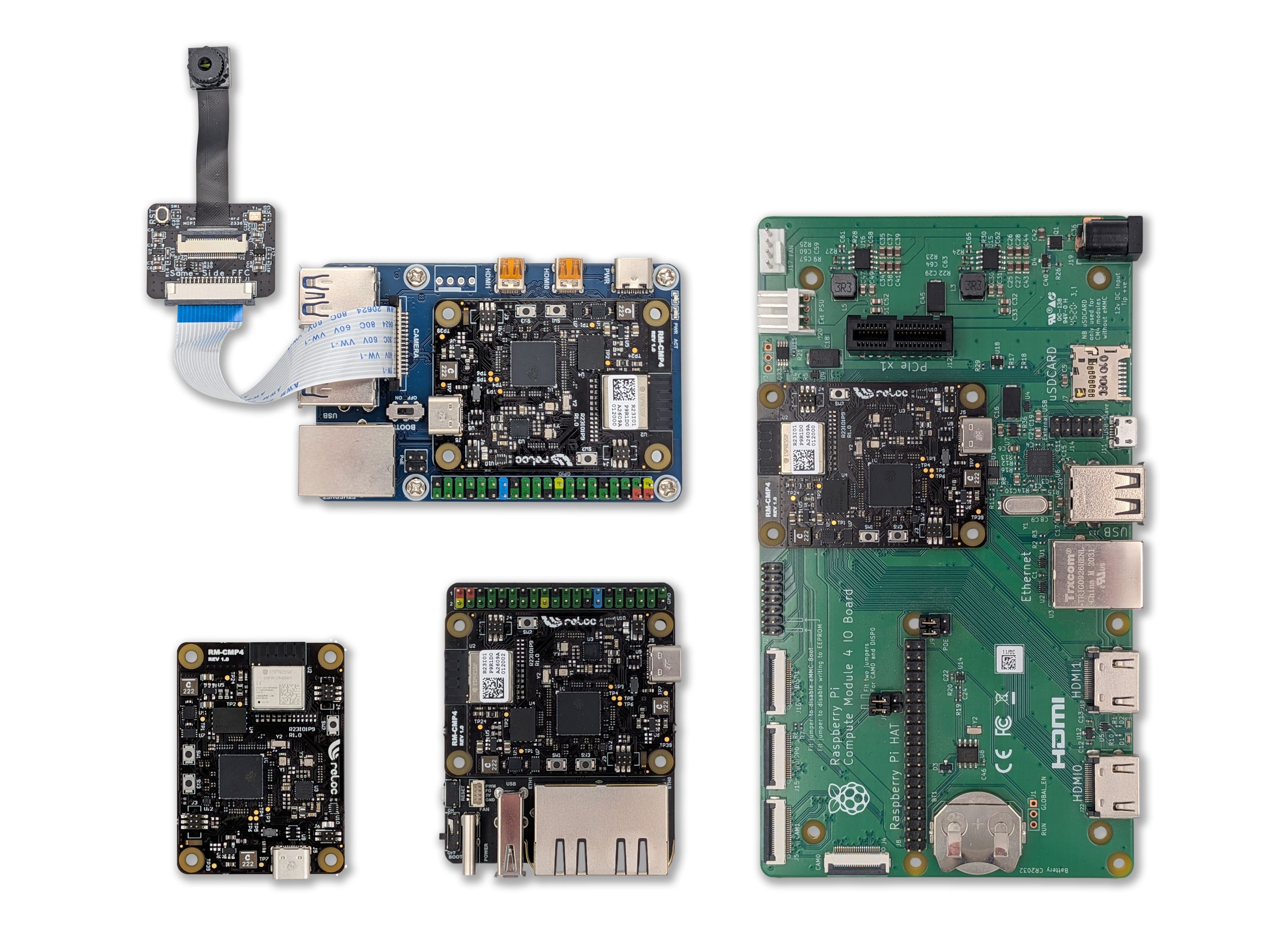
Unlike Linux-based compute modules, SCINTIX P4 runs bare-metal or RTOS firmware. This means instant boot, predictable latency, lower power consumption, and a simpler software stack — all the advantages of MCU-class development, combined with the rich peripheral set and ready-made carrier ecosystem of the Raspberry Pi compute module family.
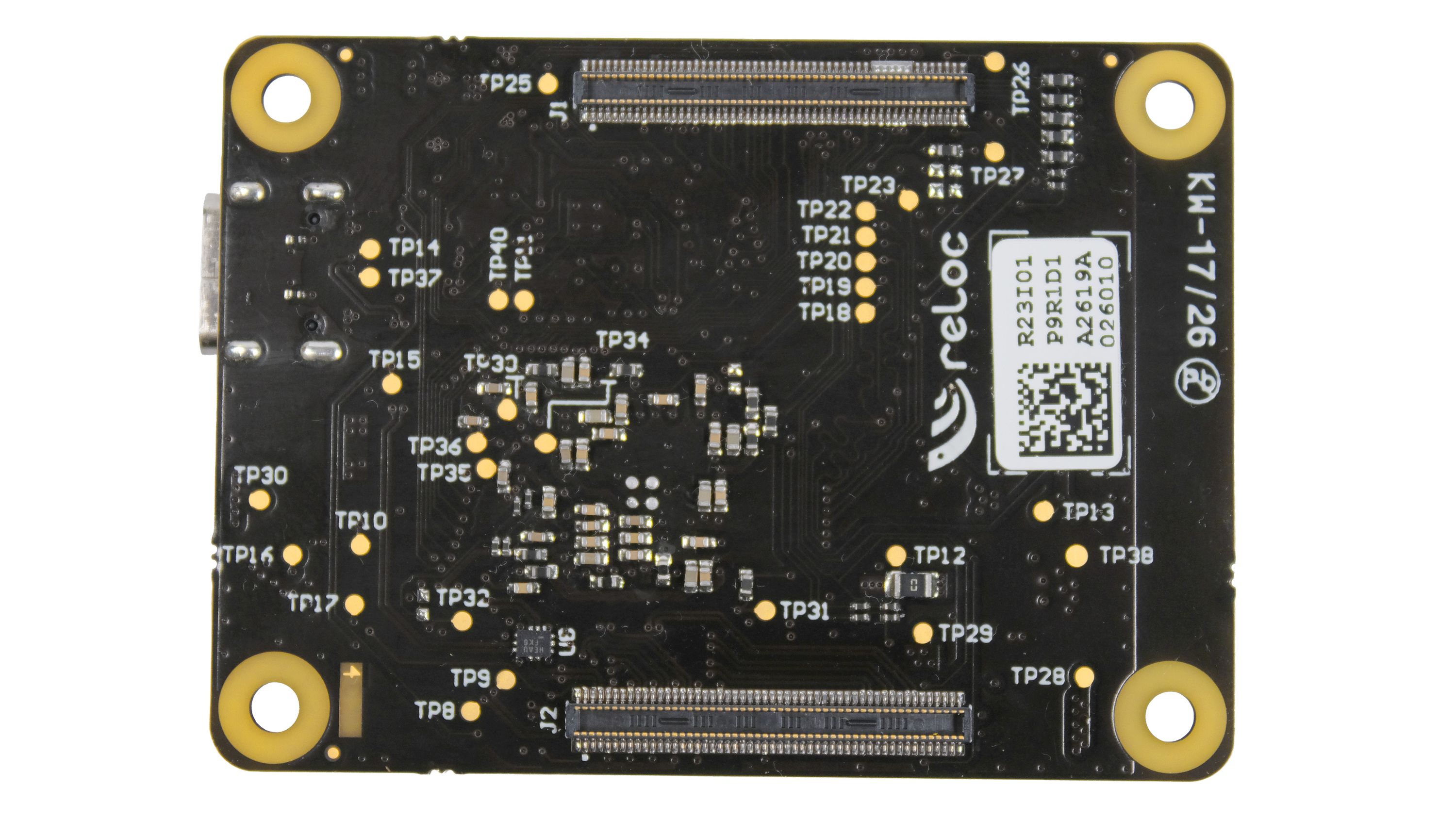
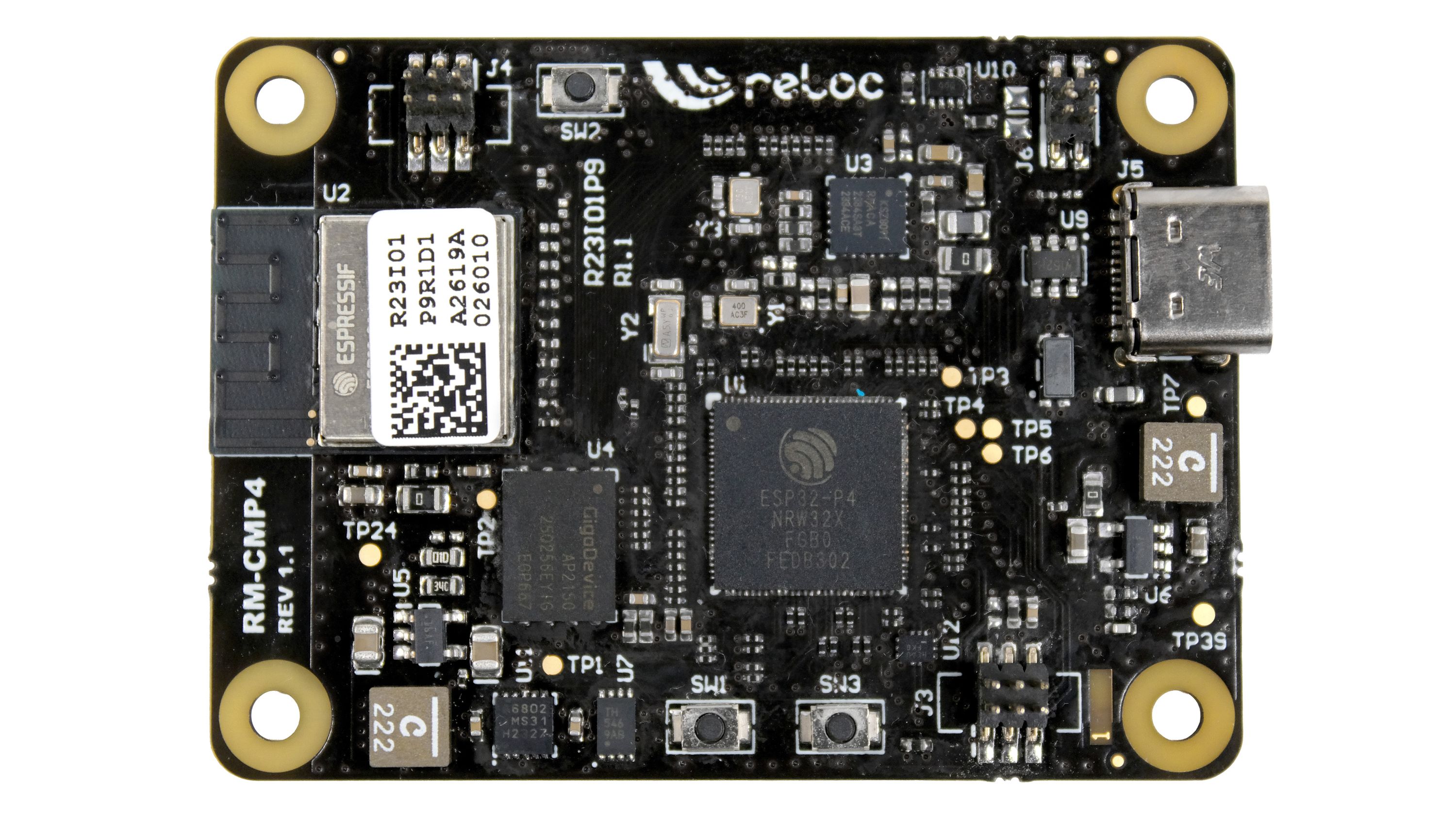
Espressif Systems ESP32-P4NRW32X
We are committed to releasing the design resources needed to understand, extend, and build around SCINTIX P4. A public GitHub repository will be created at campaign launch and progressively enriched throughout the campaign with:
The repository will also host an active issue tracker for community feedback and contributions.
You can sign up at the top of this page to be notified when the campaign launches and to receive other updates. We only send out relevant content, and you can unsubscribe at any time.

We are a team of engineers based in Parma, Italy. For the past 20 years we have been designing embedded systems and full IoT solutions, from the hardware up to the cloud. Our work is quietly running inside millions of products in the field, across consumer, industrial, and professional markets.
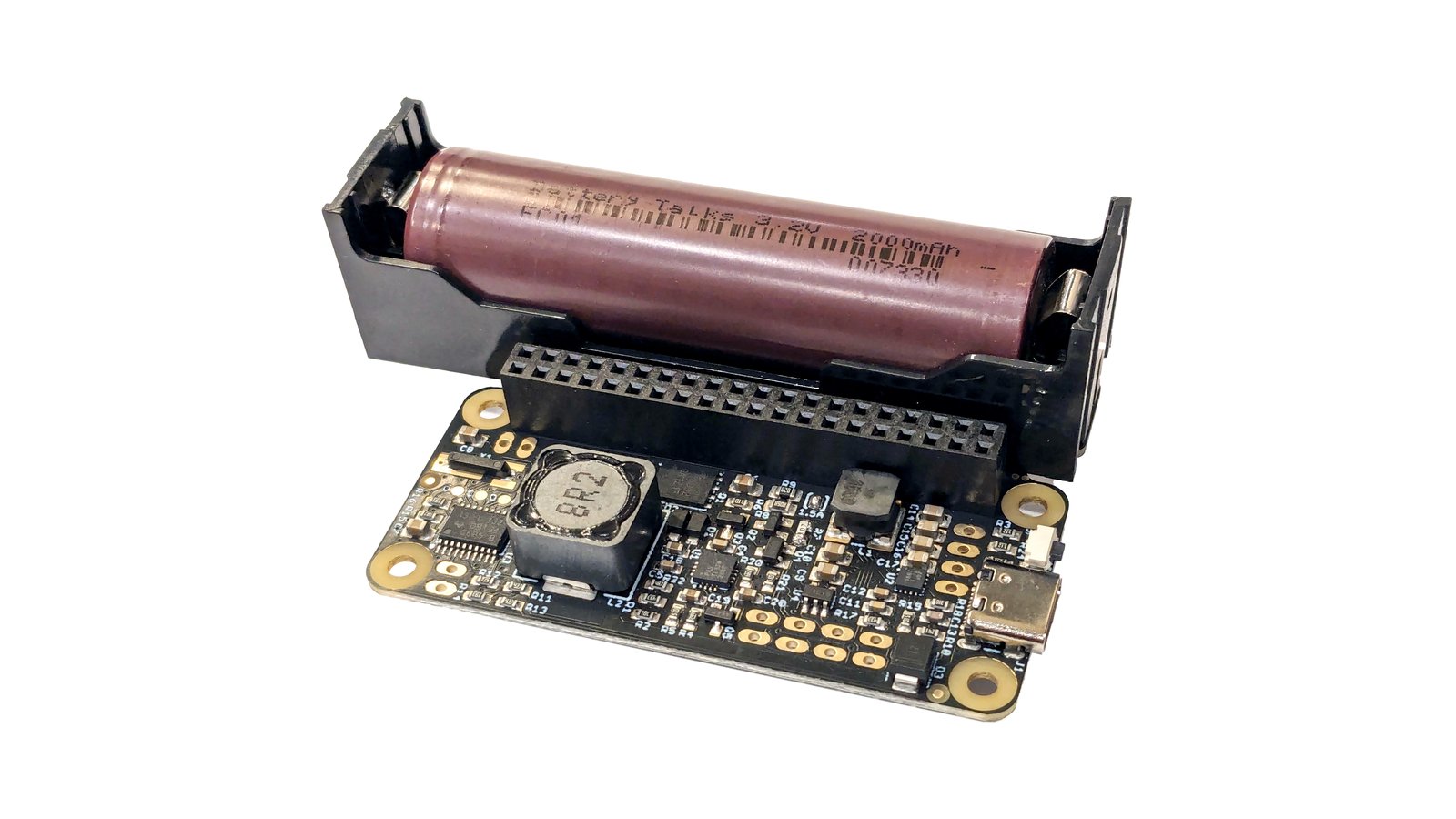
A full-featured LiFePO4 battery, power manager, and UPS for the Raspberry Pi
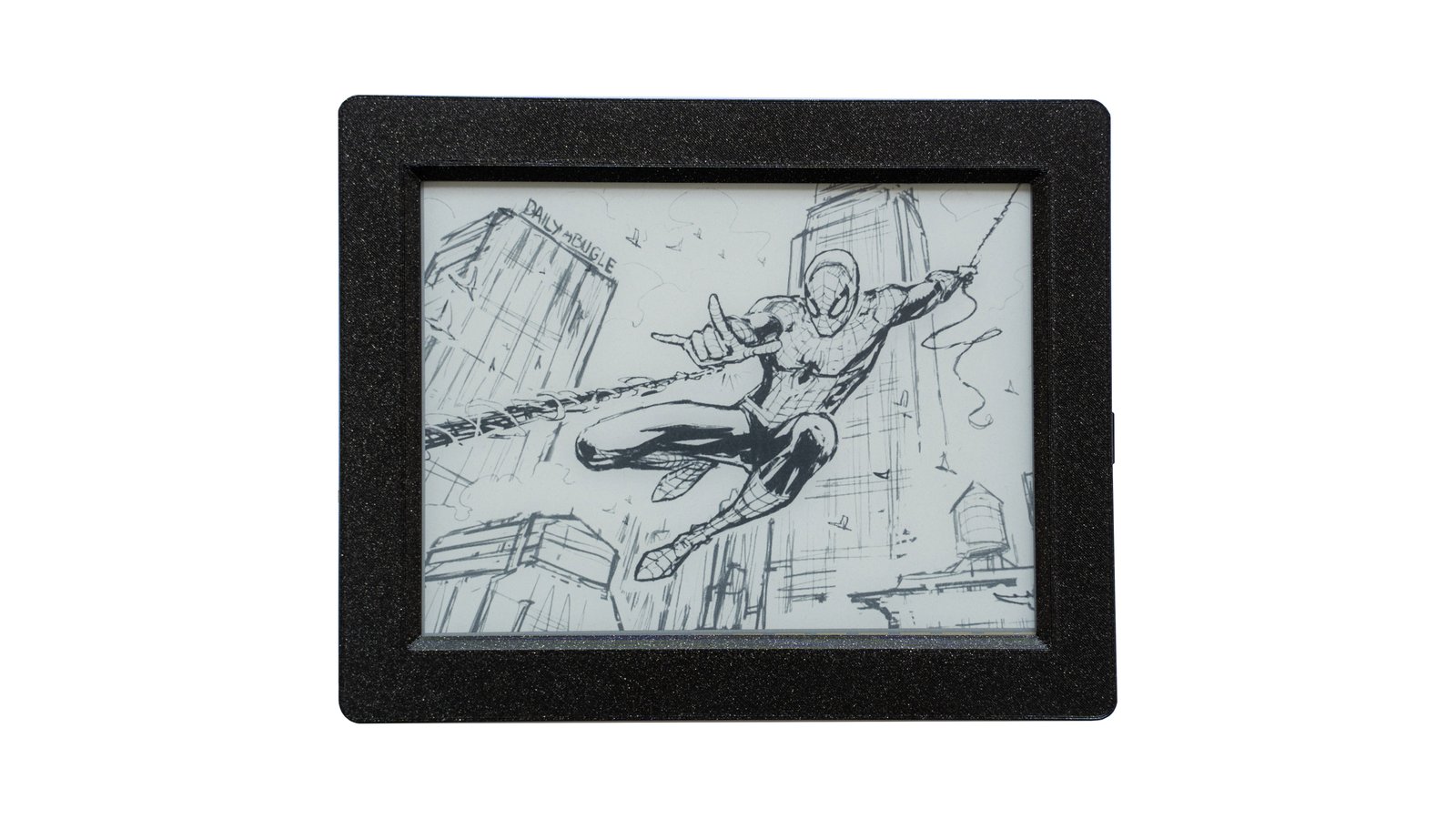
Versatile, easy-to-use, Wi-Fi-enabled 6" e-paper display with a touchscreen and frontlighting
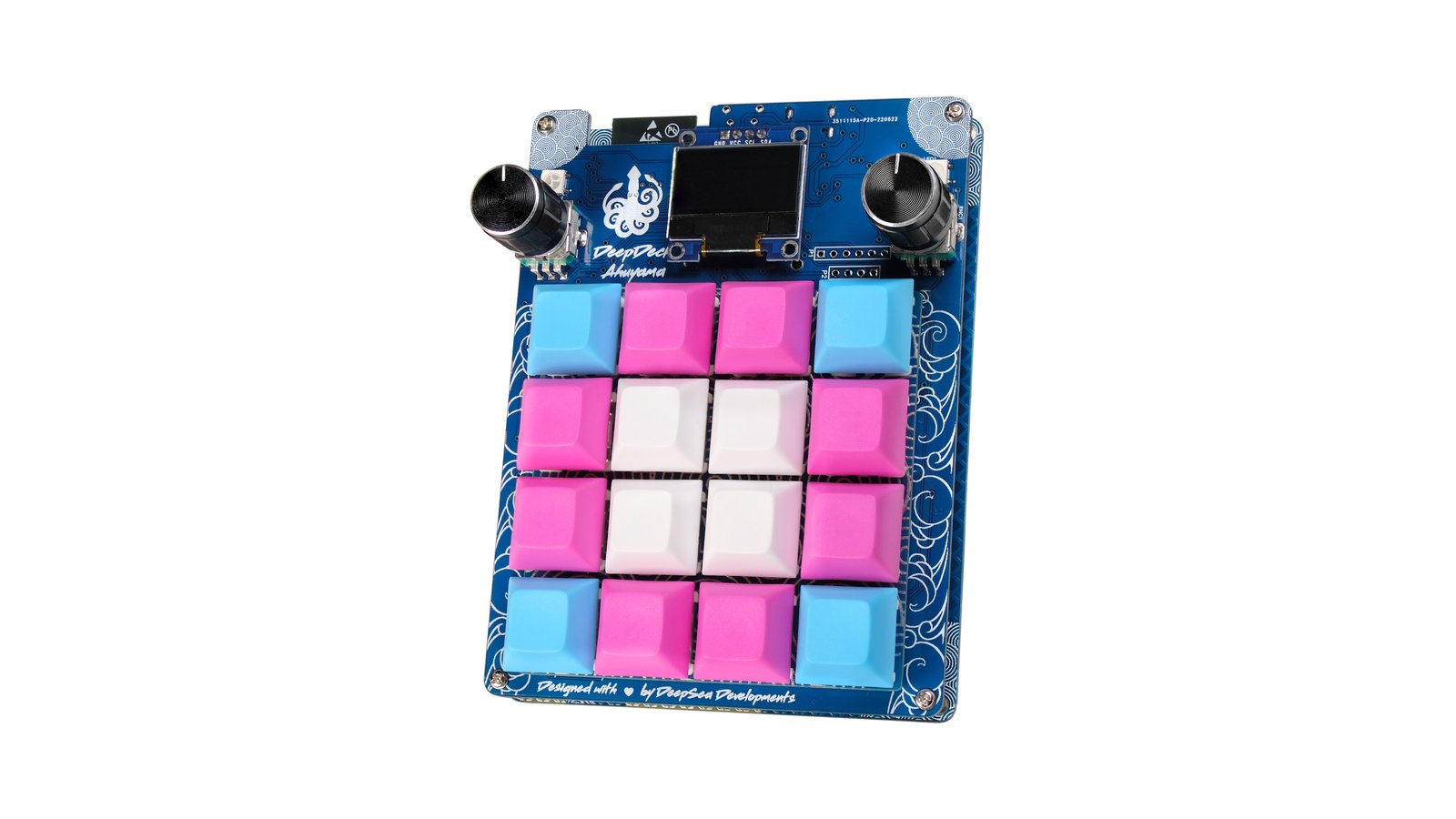
Wireless, fully programmable, open source, ESP32 macropad featuring 16 RGB, mechanical, hot-swappable keys and two RGB rotary encoders