Sanctuary Systems
Embedded Linux Boards
KiCad
Sentinel Core
A Mini-ITX Raspberry Pi CM5 I/O board with PCIe
Funding ended on May 14, 2026 at 04:59 PM PDT.
Sanctuary Systems
Embedded Linux Boards
KiCad
Funding ended on May 14, 2026 at 04:59 PM PDT.
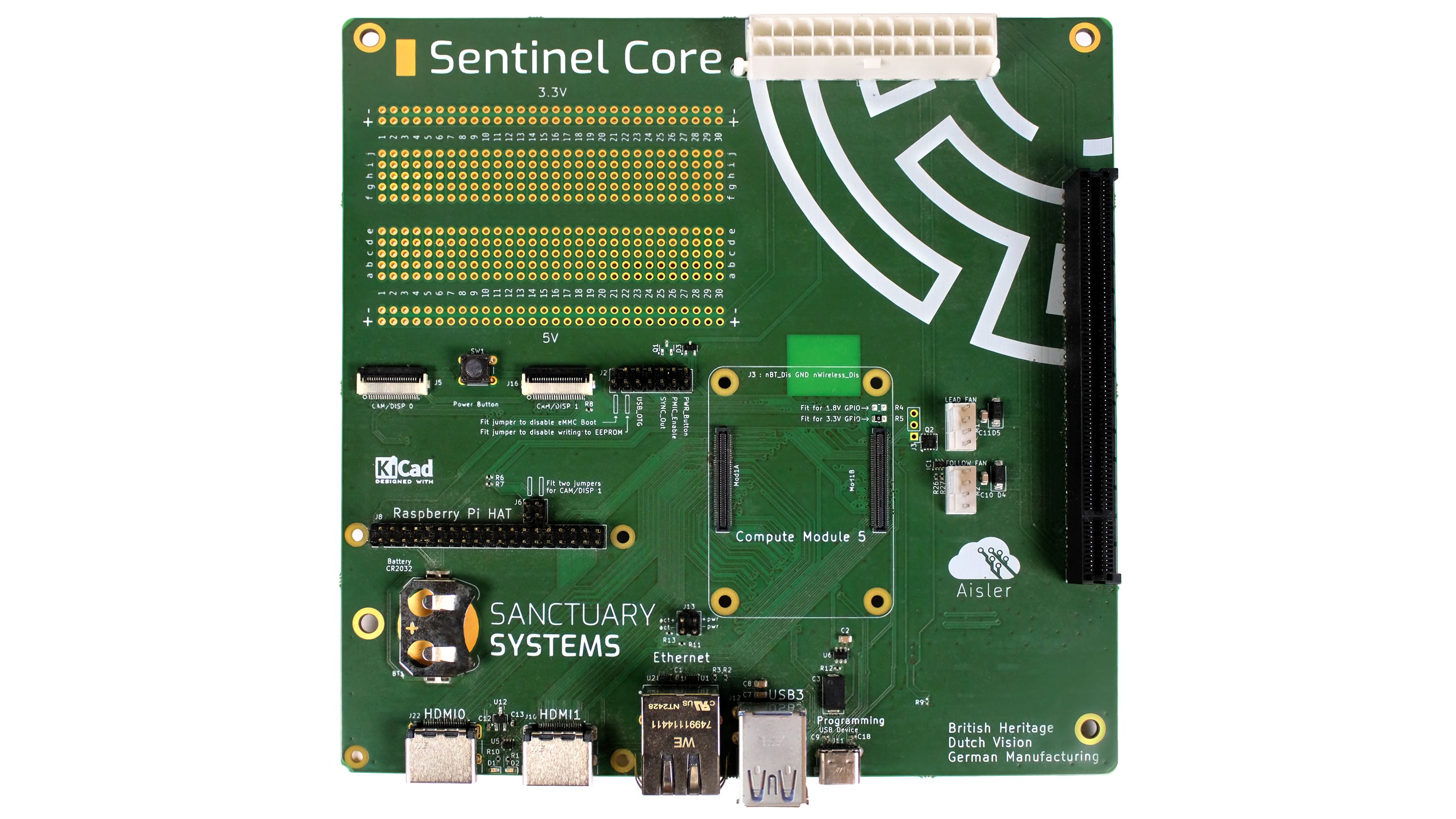
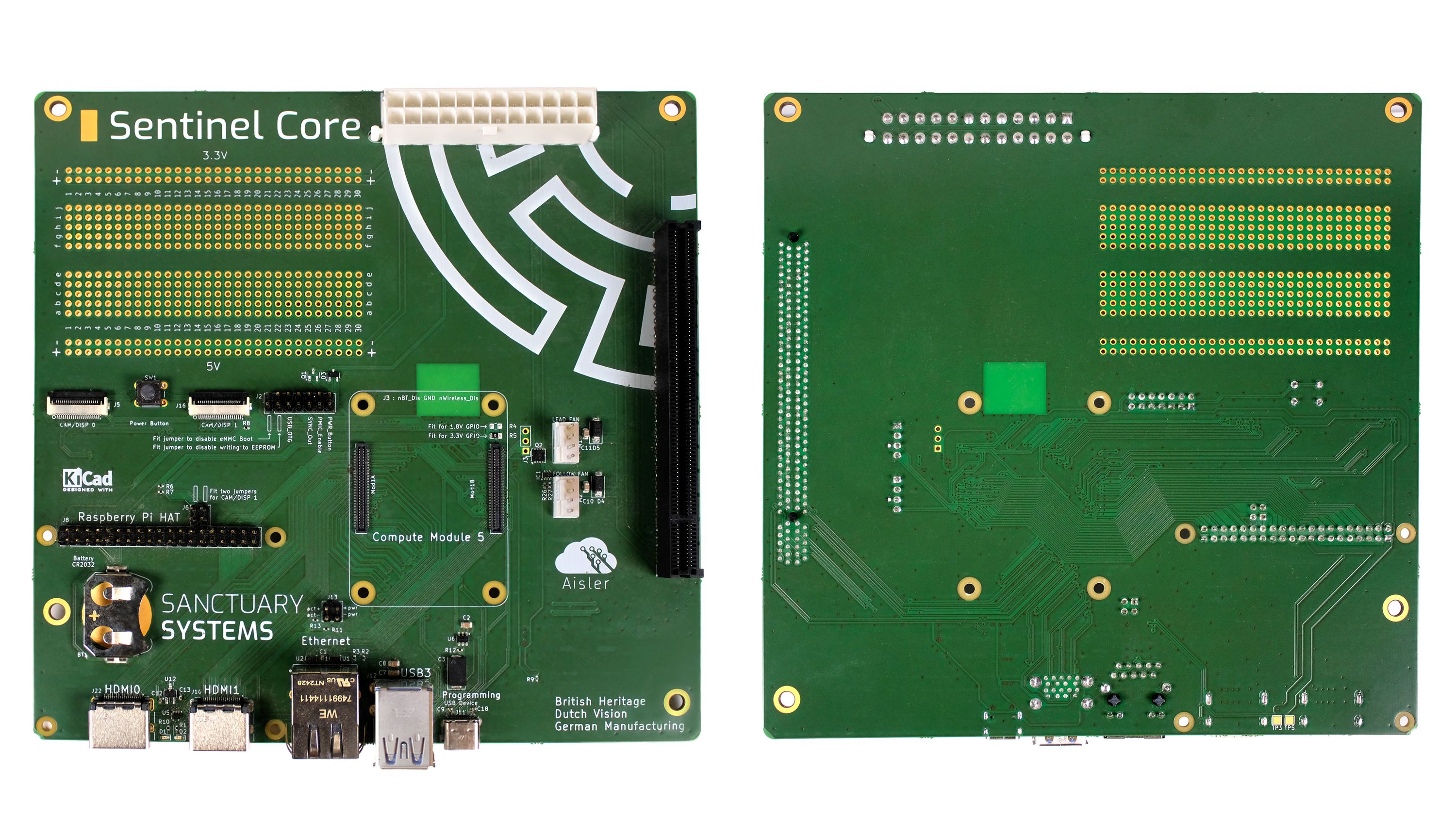
Sentinel Core is an experiment-ready I/O board built for the Raspberry Pi Compute Module 5. It brings the CM5 into the Mini-ITX PC ecosystem and unlocks easy PCIe expansion so you can add a GPU to run local LLMs and transcode video or integrate various expansion cards to build a router, a NAS, or some other specialized home server.
Where most compute-module boards aim to be a better Raspberry Pi, Sentinel Core aims to be a better computer. It packs the CM5 in a standard Mini-ITX motherboard with all the usual connectors and a full sized PCIe slot ready for any expansion card you can think of. Whether you want to run local LLM-powered voice assistants, Jellyfin or Plex video transcoding, or something yet to be dreamed up, Sentinel Core gives you the freedom to take your Raspberry Pi CM5 to the next level.
Sentinel Core was born from a simple frustration: there were no CM5 I/O boards that enabled meaningful GPU support without bulky adapters, improvised cables, or messy, complicated setups. As interest in local AI and privacy-first smart-home platforms has exploded, hardware has remained the bottleneck.
With Sentinel Core, a typical setup might look something like this:
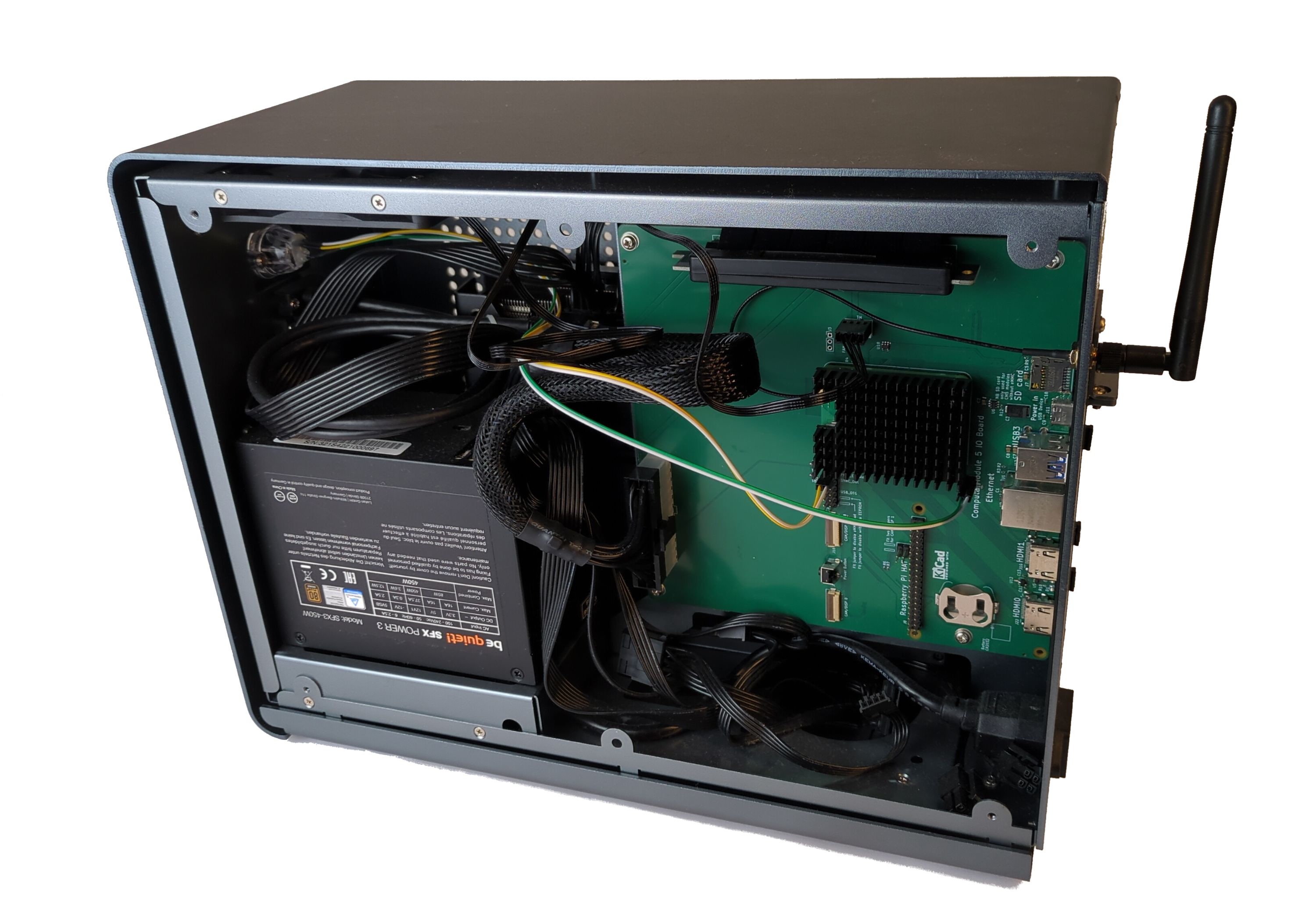
A Raspberry Pi CM5 running Home Assistant with a small, low-profile GPU in the PCIe slot and a compact Mini-ITX case with an ATX power supply. Suddenly you can run fast, fully local voice assistants, LLM automations, and on-the-fly inference while keeping your data where it belongs, at home.
But that’s just one use case. Early testers have already explored a wide range of possibilities, including GPU video rendering and gaming, NAS builds (using a PCIe SATA card), compact machine-learning nodes for robotics, and network appliances (with PCIe NICs). You can even use Sentinel Core as a general-purpose Linux PC – just add your favorite Mini-ITX case and a standard ATX power supply to create an efficient ARM-based workstation.
Sentinel Core is an open-hardware project. We believe a system you rely on should never be a black box, which is why all major design resources will be made available under the CERN-OHL-P license. This includes the hardware schematics, the board layout files, the full bill of materials, 3D-printable accessory designs, and supporting scripts and utilities for setup and testing.
All design files will be publicly accessible through our GitHub repository, with documentation that will continue to evolve and improve throughout the production process. Our goal is to ensure clarity, transparency, and reproducibility for anyone who wants to understand, modify, or build upon the design.
People often talk about privacy and security as if hackers are on your doorstep, while people using cloud services are just fine. The truth is, for most of us, the real risk isn’t some targeted attack. It’s companies changing the rules after you’ve already paid for their product or service.
We’ve seen it happen again and again. Bambu Lab introduced cloud authorization requirements for 3D printers people already owned. A $1,500 smart bassinet started putting previously free features behind a subscription. Microsoft Cortana got cancelled entirely. And in the LLM landscape, current prices are largely subsidized by venture capital. When that runs out, expect changes. ChatGPT Pro already costs $200/month, and you don’t have to be a genius to extrapolate what happens when the next model is 10x more expensive to run.
Whenever you rely on the cloud, your provider can change the rules, increase the price, or discontinue the service, leaving you with little more than an expensive paperweight. Meanwhile, local smart-home devices are things you actually own. You set them up, and they keep working without subscriptions or surprises. With Sentinel Core, you can run fast, fully local voice assistants with GPU acceleration, keeping your data where it belongs: at home. And that’s just one example.
| Sentinel Core | x86 PC | |
|---|---|---|
| Power | 5-10 W idle, efficient under load | 30-100+ W idle |
| Extensibility | Full PCIe slot for GPU, NIC, storage | Multiple PCIe slots, more options |
| Software | ARM Linux (support improving) | Linux or Windows (mature ecosystem) |
| Cost | Lower entry point | Higher entry point with more headroom |
| Sentinel Core + | Competitor | Sentinel Core Advantage | Competitor Advantage | |
|---|---|---|---|---|
| Local AI | GPU | Jetson Orin Nano ($249) | Upgradeable GPU, more VRAM options, standard Linux | Integrated CUDA stack, lower power (25W), optimized for edge AI |
| NAS | SATA card | Synology DS224+ (~$300) | Flexible software, can add GPU for transcoding | Turnkey setup, polished UI, less tinkering |
| Home automation | — | Home Assistant Green ($120) | Powerful enough for local voice AI with GPU | Plug-and-play, silent, 2W power draw |
| Router | Multi-port NIC | Netgate 1100 (~$200) | More CPU power, general-purpose | Turnkey pfSense+, commercial support |
| Media server | GPU | Intel N100 mini PC (~$150) | Handles more 4K transcodes, HDR tone mapping | Built-in Quick Sync, cheaper, lower power |
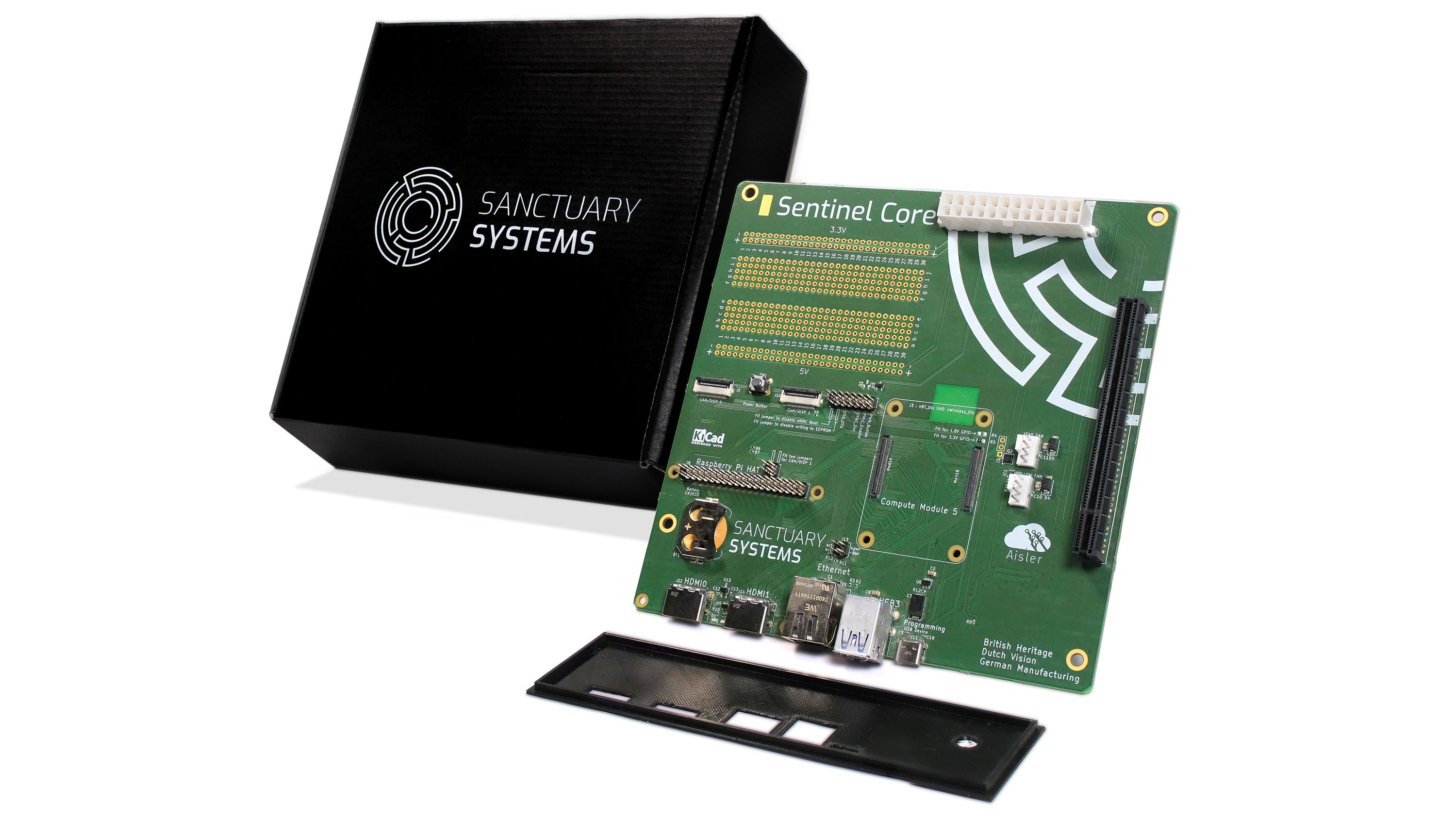
Sentinel Core is manufactured by Soldered Electronics in Croatia through their Inkubator program for open hardware startups. Soldered has extensive experience delivering electronics globally and maintains an established relationship with Crowd Supply. They handle PCB fabrication, component sourcing, SMT assembly, and testing.
We’re planning an initial batch of 200 units, with capacity to scale up if demand exceeds expectations.
Once production and testing are complete, units will be shipped to Mouser Electronics in Texas. From there, Mouser will handle worldwide distribution to backers. Sentinel Core is CE marked, so European customers need not worry about compliance issues.
We’re targeting delivery three to four months after the end of the campaign. You can learn more from the Ordering, Paying, and Shipping section of the Crowd Supply guide.
The Sentinel Core design is verified, and we have working prototypes in hand from early testing, so we know the hardware works. Soldered Electronics will handle component sourcing, and they have plenty of experience navigating supply-chain issues. That said, this is our first production run, and crowdfunding always involves some uncertainty.
On the software side, GPU support on ARM Linux keeps improving but is definitely less mature than it is on x86. AMD and Intel GPUs work well with open source drivers, while NVIDIA support is more limited. We recommend checking Jeff Geerling’s PCIe database for compatibility reports before buying a GPU. Raspberry Pi availability has been unpredictable in the past, though things have stabilized recently.
We’ll post campaign updates as production progresses so you know where things stand. Meanwhile, thank you for taking the time to consider our product.

Sentinel Core is part of Soldered Electronics Inkubator



Produced by Sanctuary Systems in Enschede, Netherlands.
Sold and shipped by Crowd Supply.
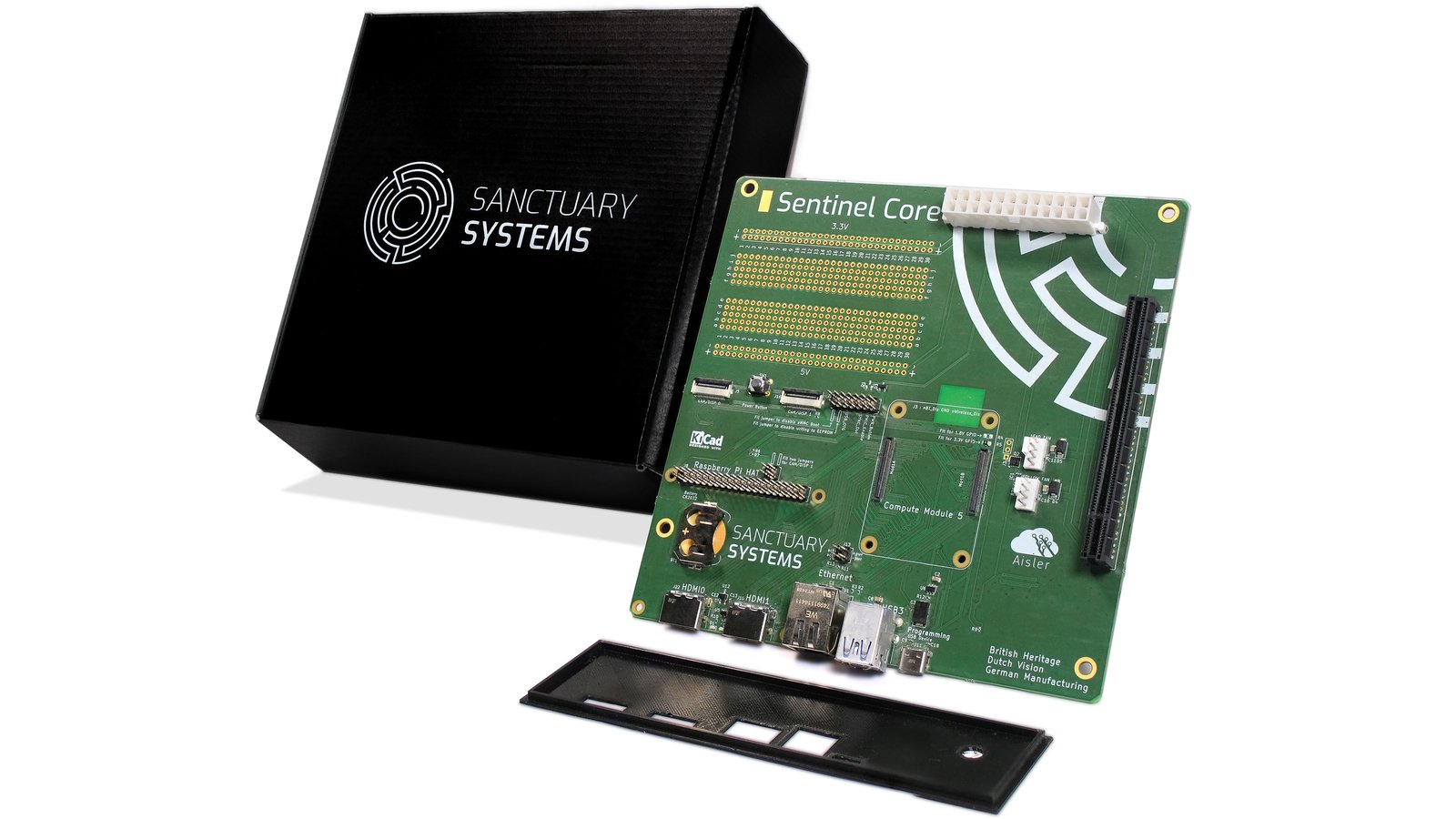
Mini-ITX I/O board for Raspberry Pi Compute Module 5 (CM5) with full-length PCIe slot and ATX power. Comes with a custom I/O faceplate. Raspberry Pi CM5 sold separately.
Want to buy this item? Check the current project page for the latest information.
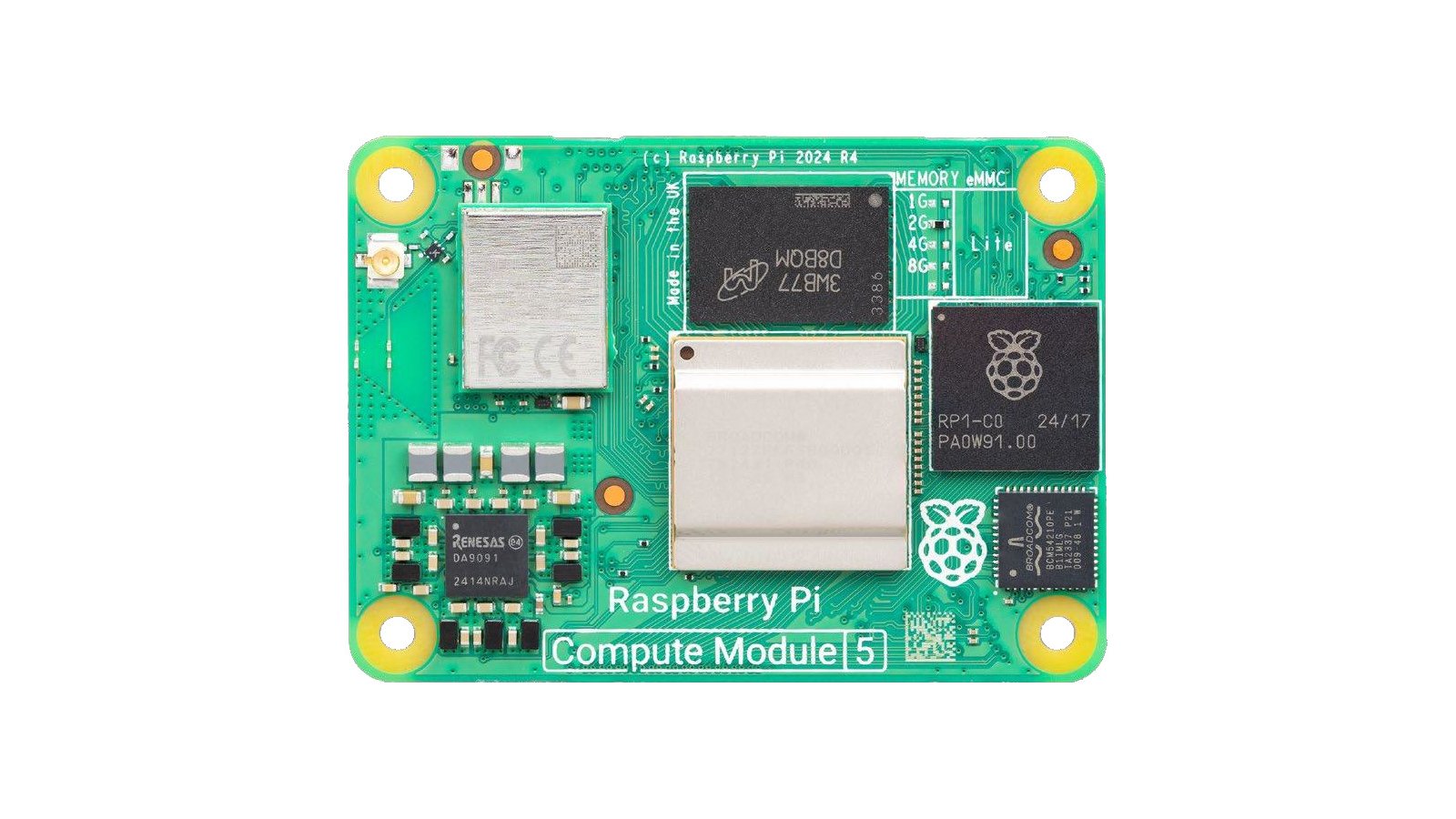
From the Raspberry Pi Compute Module 5 project.
This CM5108032 variant of the Raspberry Pi Compute Module 5 is a System on Module (SoM) containing an ARM quad-core Cortex-A72 processor, 8 GB RAM, ethernet, 2.4 and 5 GHz 802.11b/g/n/ac Wi-Fi, 32 eMMC storage, and supporting power circuitry.
Want to buy this item? Check the current project page for the latest information.
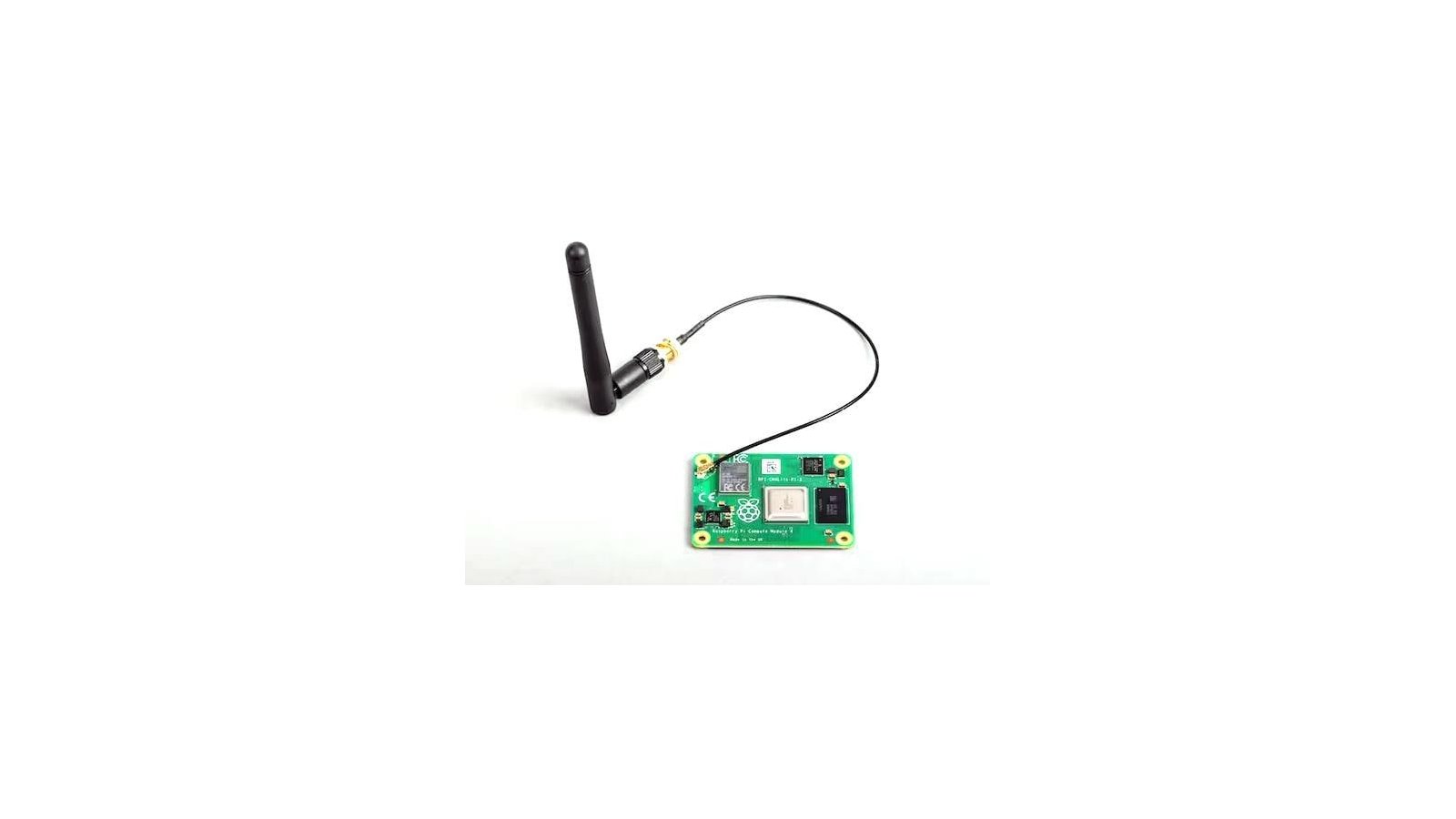
From the Raspberry Pi Compute Module 4 project.
A simple omni-directional antenna kit certified for use with the Raspberry Pi Compute Module 4 and 5. Covers 2.4GHz and 5GHz frequency bands.
Want to buy this item? Check the current project page for the latest information.
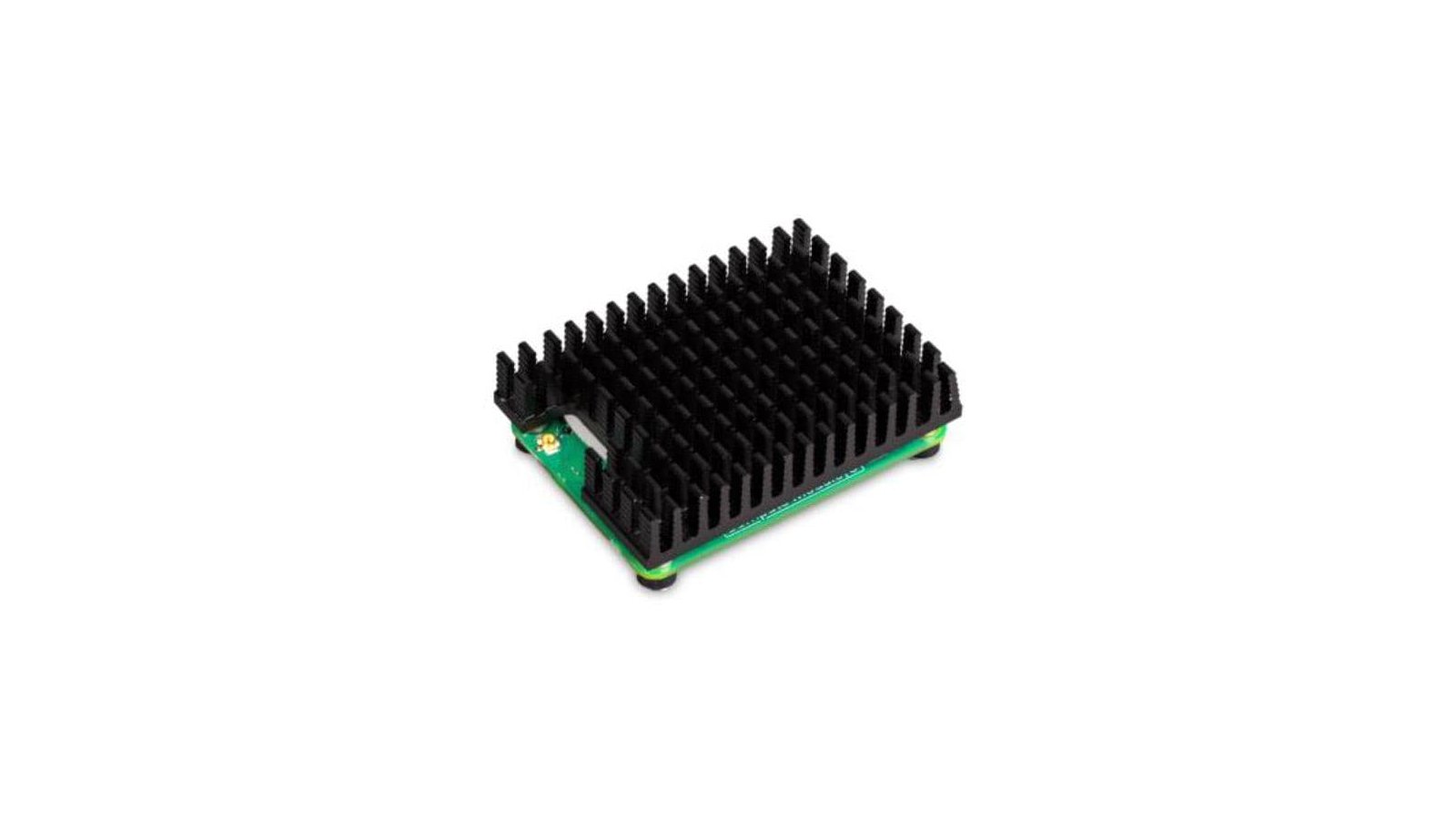
From the Raspberry Pi Compute Module 5 project.
Passive heatsink for the Raspberry Pi Compute Module 5
Want to buy this item? Check the current project page for the latest information.

· sanctuary-systems.com · sanctuary-systems-com · Sanctuary-Systems
We focus on privacy-first smart home solutions and believe that the hardware you depend on should be open, repairable, and under your control.