Project update 3 of 7
From Prototype to Product - A Report from Our Beta Testers
by Joshua Lee, Finch YuanHello to our incredible community of Wave Watchers!
What began as a spark of inspiration has, after two years of relentless iterating and testing, evolved into the product you now see on Crowd Supply: the AnyShake Explorer.
This journey was never a solo expedition. It was charted alongside a dedicated group of beta testers, our very first “Wave Watchers.” These early adopters deployed prototypes in their homes, basements, and workshops, quietly listening to the earth’s subtle tremors with patience and curiosity.
The reliability of the final product stands firmly on the foundation of their contributions. Their honest feedback served as our compass, while their persistence kept us moving forward. Today, we’re excited to pull back the curtain and share the full story of AnyShake’s evolution from messy prototypes to the polished device you see today.
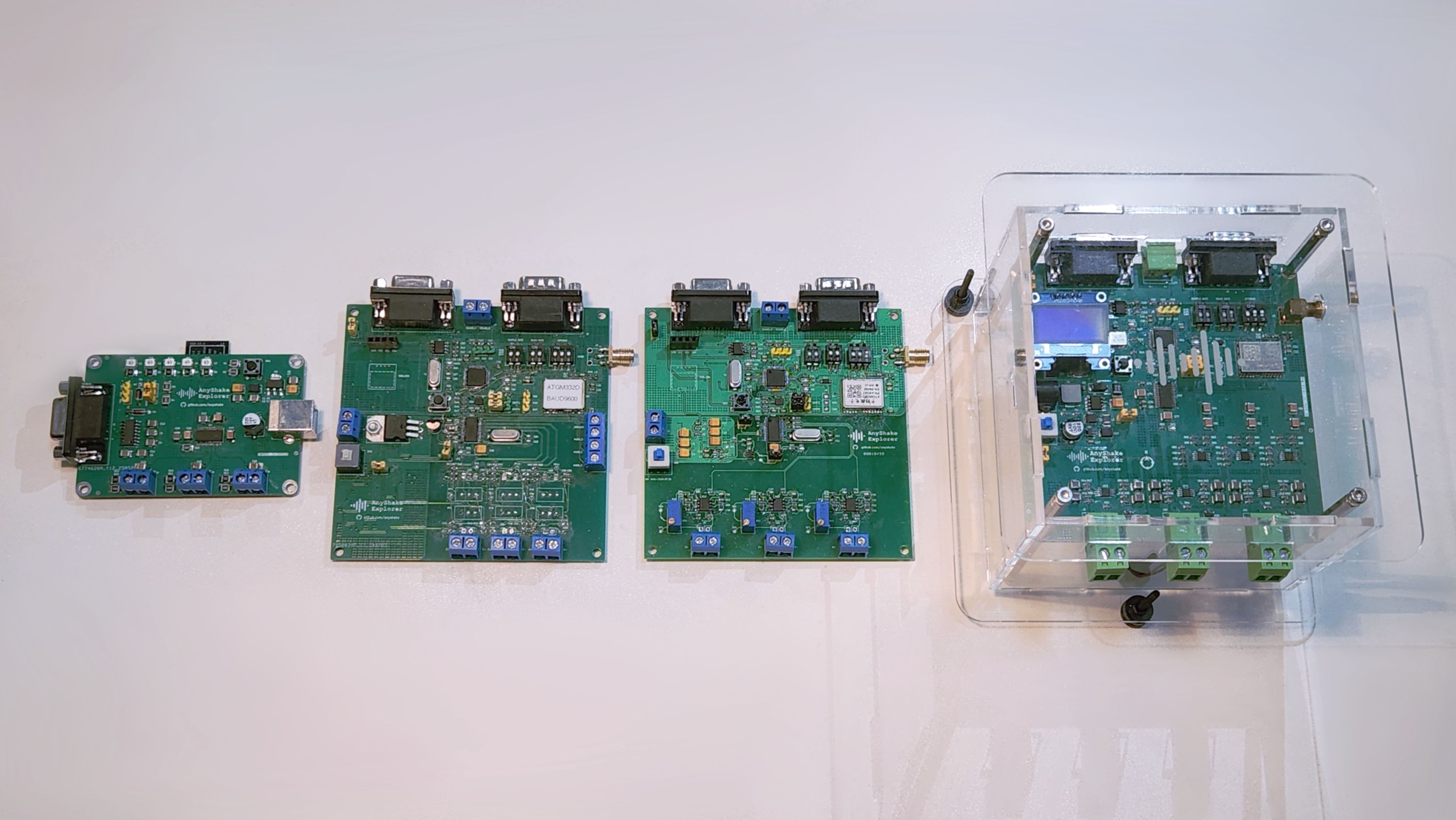
0x1: The DIY Pioneers and the E-D001
The AnyShake Explorer was born in 2023, when an undergraduate student, unable to afford the high cost of commercial devices like the RS3D, set out to build an alternative from scratch. The original prototype — based on the ADS1256 ADC — was a modest and experimental effort. Later iterations upgraded to the higher-performance ADS1262 and consolidated the ADC and MCU onto a custom PCB, which was then open-sourced on GitHub.
Passionate DIYers around the world began building their own devices based on the E-D001 design in our v1 branch, using the ESP8266 platform. These enthusiastic users became our first “real-world testers.”
Their feedback validated the core concept: the prototype could indeed capture ground motion effectively. But their experience also exposed the limitations of the original design. We quickly realized that achieving lower noise and better customizability would require a more capable platform, leading to the transition to STM32.
0x2: Conquering Noise — From Intermediate to Improved Prototypes
With STM32 in place, we developed a new version integrating the ADC, accelerometer, and MCU. To keep costs accessible, we selected 4.5 Hz open-loop, velocity-sensitive magnetic geophones, and — inspired by the olewolf/geophone project — added a front-end amplifier.
But real-world testing soon revealed a major challenge: excessive system noise. One beta tester put it bluntly:
“I can see the signal, but the background noise is too strong — it’s hard to distinguish weak, distant tremors.”
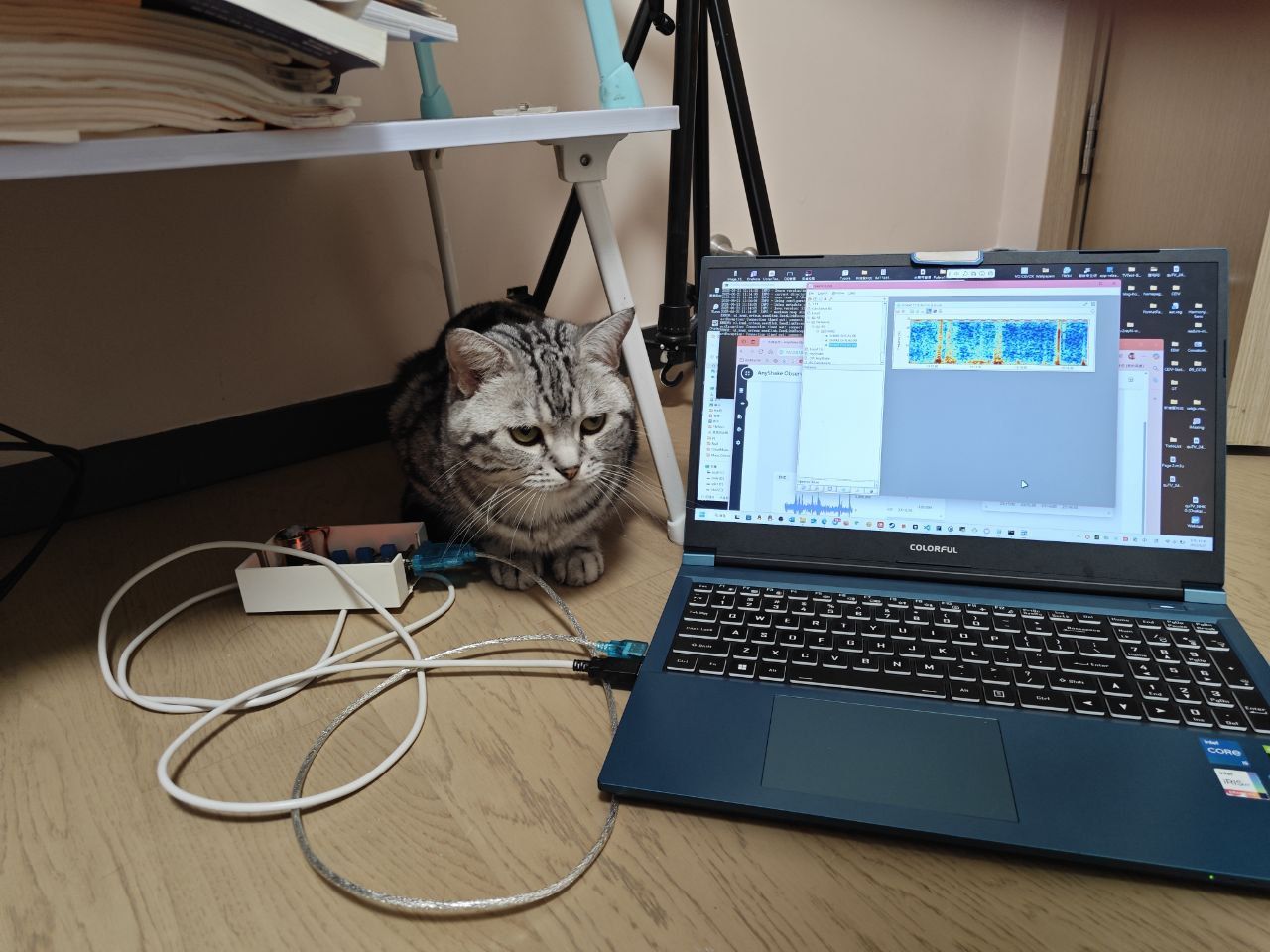
This kind of feedback, though tough to hear, was exactly what we needed. It didn’t discourage us, it motivated us. We spent months diving into academic literature and ultimately implemented a pole-zero compensation circuit to dramatically reduce low-frequency noise.
The improvement was immediate and profound. Once testers received the revised prototypes, they reported that the instrument’s effective bandwidth extended from 4.5 Hz down to 0.5 Hz (2 seconds). Suddenly, distant seismic signals became crystal clear.
0x3: The Gauntlet — Closed Beta Testing
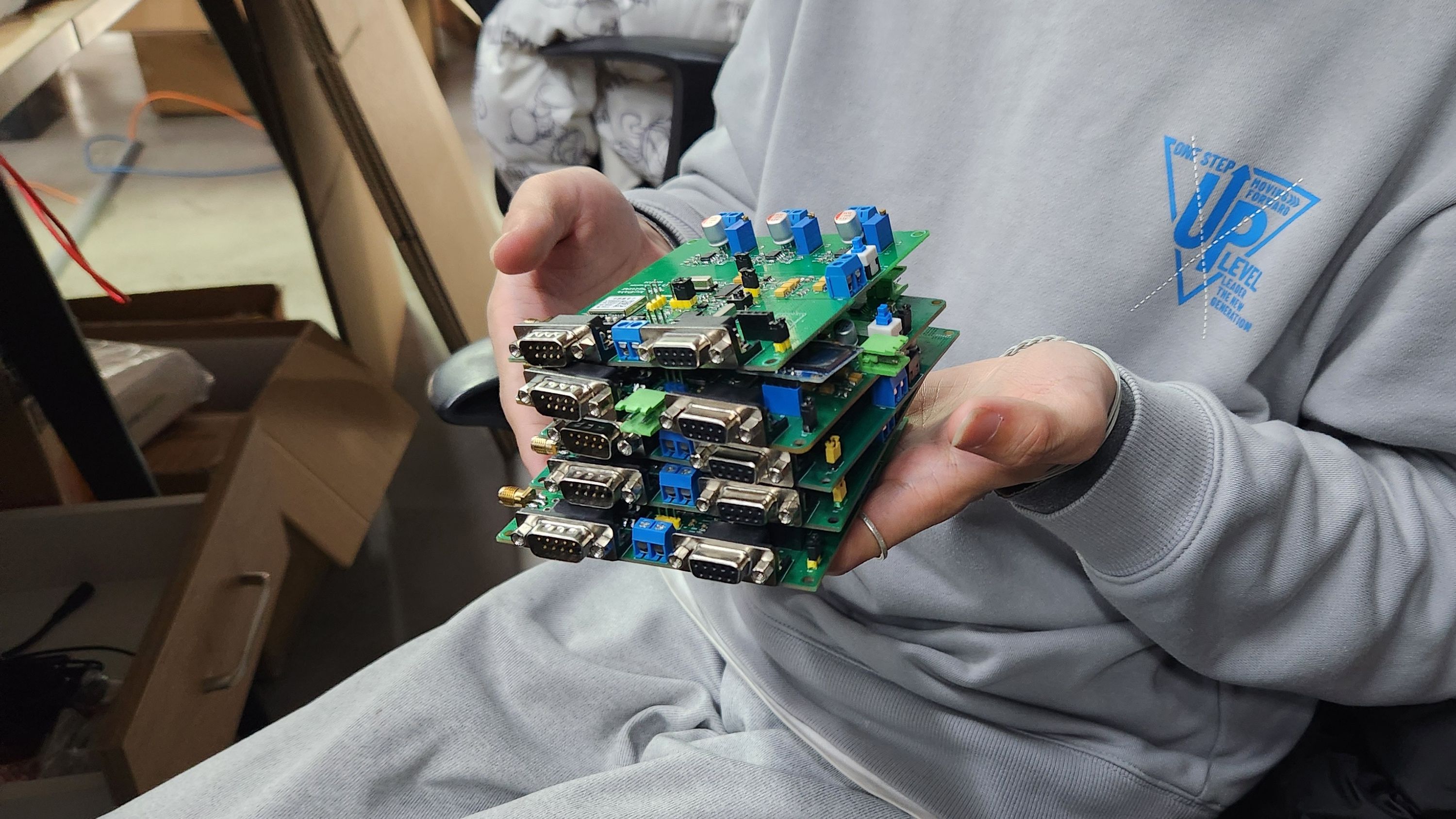
Before finalizing the product, we produced a pre-release version, the E-C121G, and distributed it to a core group of beta testers for extensive evaluation across diverse real-world conditions.
They tested the devices under a wide variety of scenarios, including:
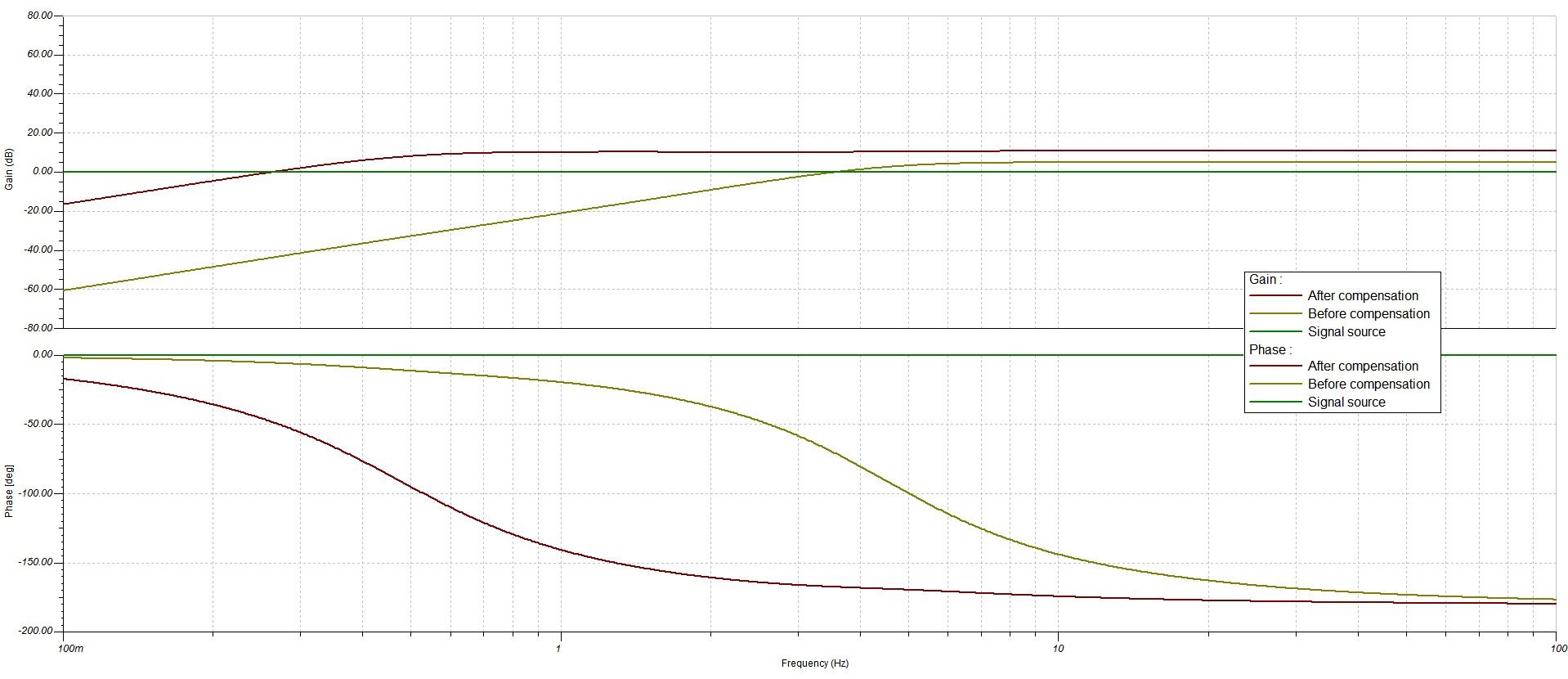
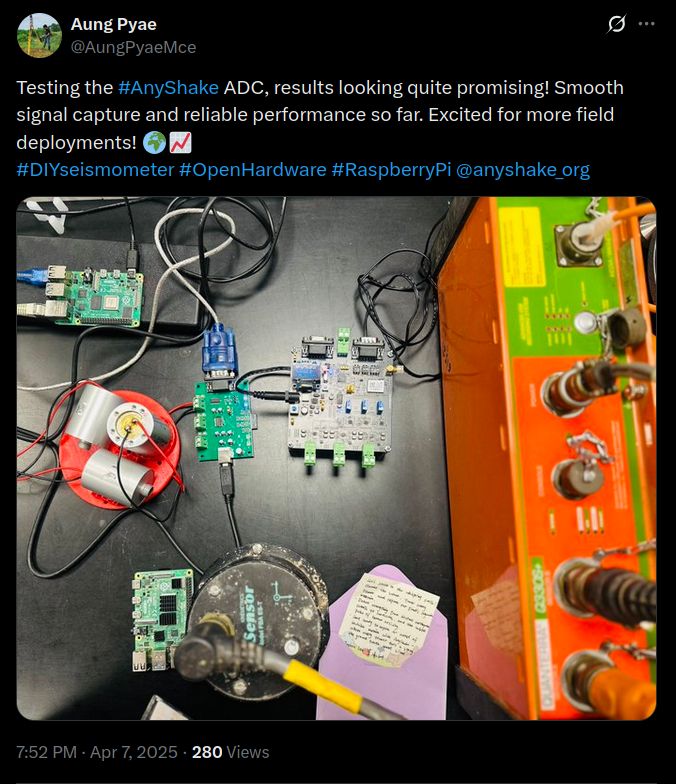
- Long-term stability: One tester ran the unit continuously for over three months in a basement, connected via RS-485 to a Linux server. The result? Not a single data interruption or system crash.
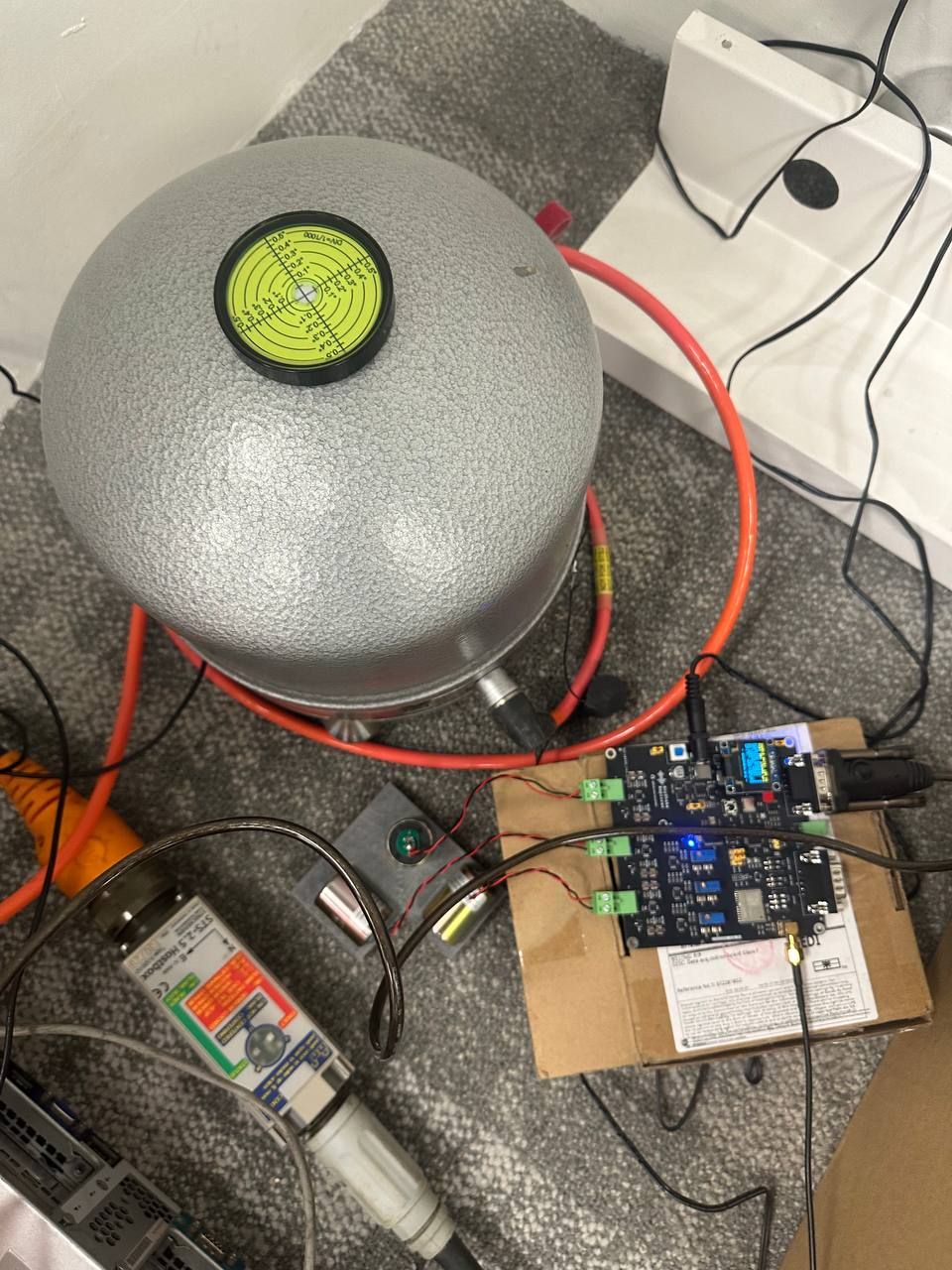
- Real earthquake detection: A Singapore-based tester compared seismic data recorded by the E-C121G with STS-2.5. The arrival times of P- and S-waves matched perfectly, demonstrating the accuracy of our timing and signal chain.
- Cross-platform compatibility: Testers successfully used our data transfer tools across Windows PC, various SBC models such as the Raspberry Pi, Orange Pi, even an MT7621-based router with OpenWrt installed! Zero compatibility issues were reported.
These demanding, real-world tests shaped the final product you see today: the E-C111G. Every decision, from switching to the more stable accelerometer to optimizing the firmware — was informed by the rigorous feedback and real-world experiences of our testers.
0x4: A Final Product You Can Trust
From the very beginning, we embraced a fully open-source philosophy, publishing everything from schematics to software. We also encouraged users to build their own devices and many did, with success.
As word spread, we began receiving more and more requests for ready-to-use, pre-assembled units. So we experimented with small-scale sales and the response was overwhelmingly positive.
In response to this growing demand, we founded SensePlex Limited at the end of 2024 to bring AnyShake to market while staying true to our open-source values and ensuring long-term sustainability.
So when you support the AnyShake Explorer, you’re not just backing a compelling idea or a cool gadget. You’re supporting a precision instrument, validated by a passionate community, stress-tested in real-world environments, and refined with care over the course of two years.
It’s a journey from a student project to a professional-grade seismic monitoring solution. We’re immensely proud of it.
To our amazing beta testers: thank you for your time, your feedback, and your trust. And to everyone reading: we’re grateful for your support and encouragement.
If you have any questions or just want to say hi, we’d love to hear from you.
Feel free to share our project with friends, colleagues, or anyone else who might be interested!
With gratitude,
— The AnyShake Team