Project update 2 of 7
Your Questions Answered
by Finch Yuan, Joshua LeeHello wave watchers, and welcome to this week’s campaign update!
As our journey on Crowd Supply continues, we’ve been thrilled by the wave (ha!) of support and insightful questions from all of you. Your curiosity about the AnyShake Explorer—its capabilities, its technology, and its place in the world of citizen science—is what drives this project forward.
That’s why this week, we’ve compiled a comprehensive FAQ to address the excellent questions you, our backers and fellow earth science enthusiasts, have been asking.
Let’s dive into the most frequent questions we get about the AnyShake Explorer.
List of Questions
General
- What can I actually do with this project?
- Is this project suitable for scientific research?
- Is AnyShake a clone of Raspberry Shake or similar products?
Hardware & Technical
- What kind of sensor does it use?
- Can it really detect distant earthquakes?
- How is the device powered?
Software & Data
- How can I view the waveforms?
- Is my data shared across the internet?
- What about contributing to a global seismic network?
- Can I download and analyze my own raw data?
Community & Project
- What are the future plans for the project?
- How can I contribute to the project?
- How do I report bugs?
General
What can I actually do with this project?
Once you’ve set up your AnyShake Explorer, you can:
- Monitor Vibrations 24/7: Continuously observe ground motion in real time. You can also integrate AnyShake Explorer with your own network of environmental or weather sensors for broader context. Many users on platforms like YouTube and X (formerly Twitter) regularly share the seismic signals they've captured and now you can join in and share your own data too.
- Earthquakes Alerts: The included software features built-in earthquake detection. You can also extend it further by writing your own scripts, for example, connecting to a Telegram bot, or integrating it with your Home Assistant setup to build a customized earthquake alert system tailored to your needs.
- Identify Man-made Vibrations: Detect signals from nearby traffic, construction activity, or even footsteps around your home or lab.
- Monitor Building Health & Structural Vibrations: Deploy it in buildings or infrastructure to track vibration levels, assess structural health, and detect early signs of damage or stress.
- Power Academic Research & Teaching: Generate intuitive, high-fidelity seismic data for formal academic studies, university-level coursework, and compelling scientific lectures. It provides a direct, tangible connection to geoscience concepts.
- Build Custom Seismic Networks: Utilize professional, industry-standard seismology software to connect multiple AnyShake units. This allows you to create your own private or public networks for specialized research or localized, high-density monitoring, giving you full control over your data and infrastructure.
Is this project suitable for scientific research?
Absolutely. The system has been successfully utilized in academic research, seismic education, and structural health monitoring. It is particularly well-suited for projects that demand:
- High-resolution ground motion data
- Open access to algorithms and firmware
- Portable, field-deployable instrumentation
During our internal testing, the system was employed in structural health monitoring applications, delivering reliable and insightful results. The figure below illustrates the outcome of an HVSR survey conducted with the AnyShake Explorer.
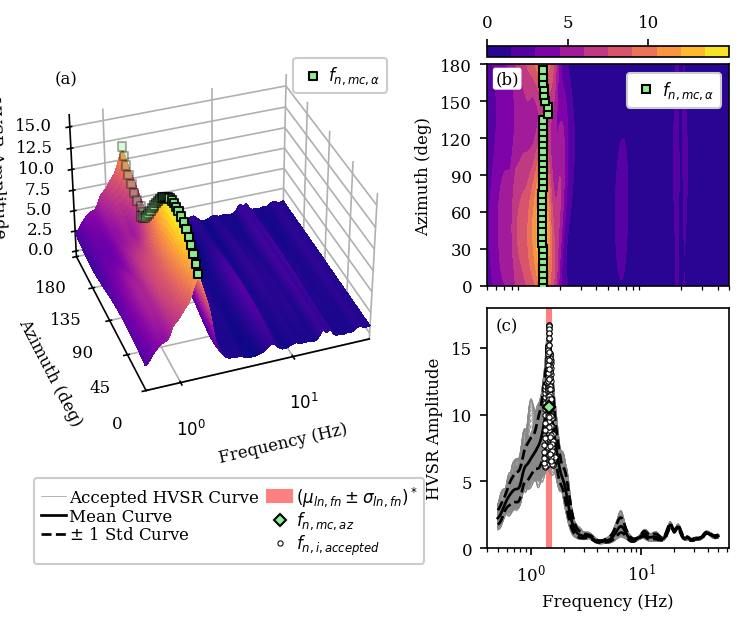
These initial real-world applications have validated the system’s performance and demonstrated its strong potential for broader use in civil engineering.
We actively encourage community contributions and academic collaborations, and look forward to seeing how researchers and engineers worldwide will continue to advance its capabilities.
Is AnyShake a clone of Raspberry Shake or similar products?
No. The AnyShake Project is absolutely not a clone of Raspberry Shake or any other commercial seismograph. While both products share similar goals—making seismic monitoring more accessible, AnyShake is an original, fully open-source project developed from scratch, both hardware and software.
Key differences include:
- Open-source hardware: All schematics and PCB layouts are available for anyone to review, modify, or reproduce.
- Independent firmware and DSP pipeline: Our signal acquisition, filtering, and compensation algorithms are custom designed and not derived from proprietary implementations.
- Custom software platform: AnyShake Observer is a native, cross-platform application designed specifically for this hardware, not based on CAPS, OSOP Wave Server, heli_ewII, or other legacy tools.
While we acknowledge the success of Raspberry Shake in popularizing personal seismographs, AnyShake Project is an independent effort, aimed at pushing the limits of openness, accuracy, and customization for developers, researchers, and educators.
What kind of sensor does it use?
The AnyShake Explorer features three analog input channels designed specifically for open-loop, velocity-type geophones. These inputs are optimized for a ±2.5 V full-scale range, matching the expected dynamic output of a properly matched geophone.
- Input Type: Differential, analog voltage
- Input Range: ±2.5 V (with input protection)
- Sensor Type Required: 4.5 Hz open-loop, velocity-sensitive magnetic geophones
The following figure shows a typical open-loop velocity geophone that is fully compatible with the AnyShake Explorer.
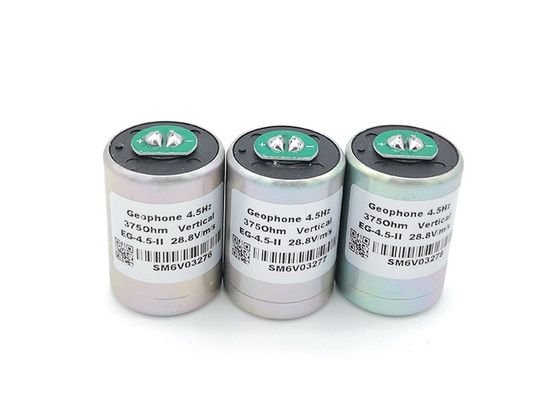
While the standard sensor has a natural frequency of 4.5 Hz, we’ve implemented a zero-pole compensation circuit that effectively extends the response period to two seconds (0.5 Hz). This analog-domain enhancement allows AnyShake Explorer to detect lower-frequency ground motion typically only achievable with much more expensive broadband sensors, which significantly expands its range of scientific and engineering applications.
Can it really detect distant earthquakes?
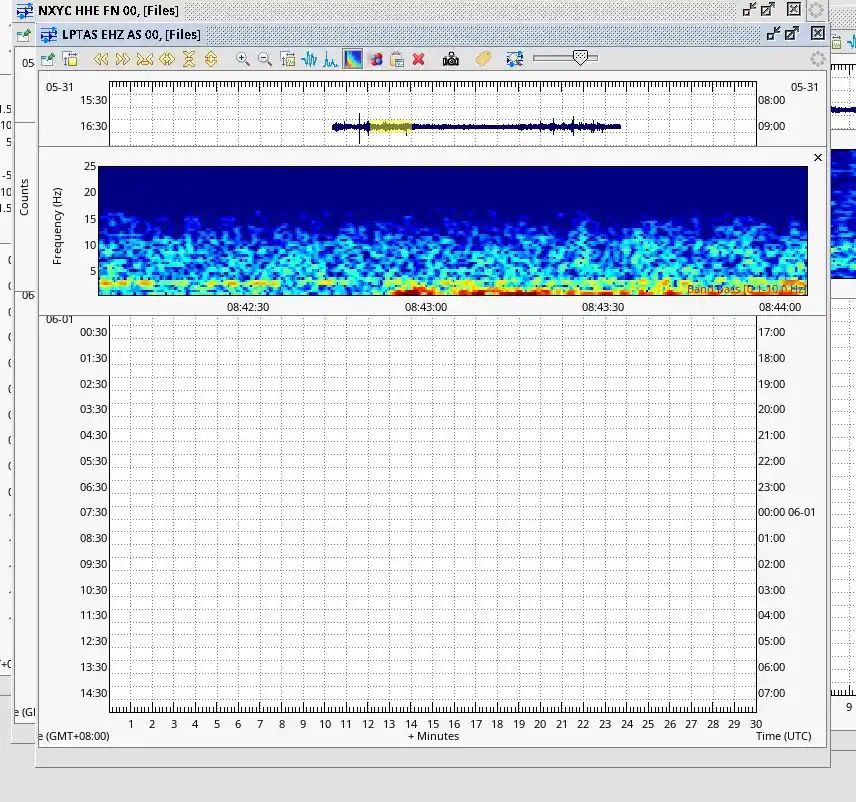
Absolutely! With proper installation in a low-noise environment and solid mechanical coupling, AnyShake Explorer is capable of detecting teleseismic events, particularly those with a magnitude of 6.0 or higher.
The following example shows a magnitude 6.0 earthquake that occurred off the coast of Kushiro, Hokkaido, Japan on May 31, 2025, recorded by an AnyShake Explorer E-C111G unit located approximately 2,500 km away in China.
How is the device powered?
The AnyShake Explorer operates on a DC power input ranging from 9 V to 12 V, delivered through a 2-pin terminal block or a DC barrel jack (available in the current hardware revision).
The power input stage is robustly protected with:
- Overvoltage and short-circuit protection
- Reverse polarity protection
- A TVS (transient-voltage-suppression) diode to guard against input surges
The AnyShake Explorer is designed with energy efficiency in mind. Under normal operating conditions, its power consumption is approximately 0.6 W, making it ideal for remote or off-grid deployments.
To put this into perspective:
A 10 W solar panel, paired with a modest battery pack, is more than sufficient to power the device continuously, even in low-light conditions. For example, with a 12 V 7.2 Ah sealed lead-acid battery (commonly used in small UPS systems), the device can run for over 140 hours (nearly 6 days) without sunlight — perfect for rural area, environmental monitoring stations, or emergency backup setups.
This low-power design unlocks true portability and long-term autonomy, without sacrificing performance.
Software & Data
How can I view the waveforms?
You have two primary ways to view waveforms, designed for both immediate access and professional integration:
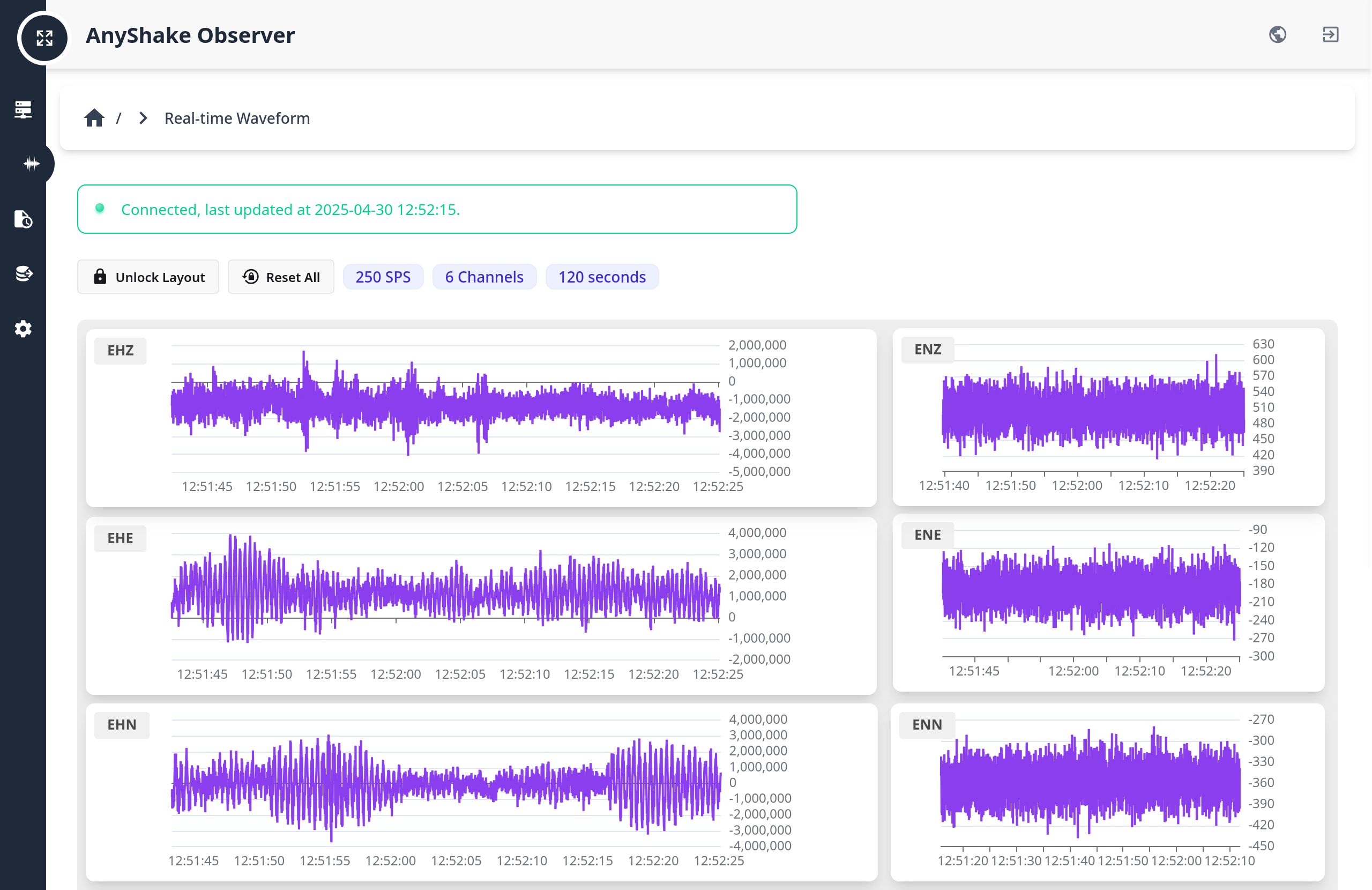
- Use the AnyShake Observer web interface – This intuitive, browser-based dashboard allows you to view real-time waveforms, inspect past events, and export seismic clips directly. It’s perfect for day-to-day monitoring, demonstrations, and quick data reviews from any device on your network.
- Connect via SeedLink using third-party software – AnyShake Observer runs a built-in SeedLink server, a standard in the seismological community. You can connect tools like Swarm, SeisGram2K, or other SeedLink-compatible software to stream and analyze seismic data in real time, just like you would with a professional-grade station.
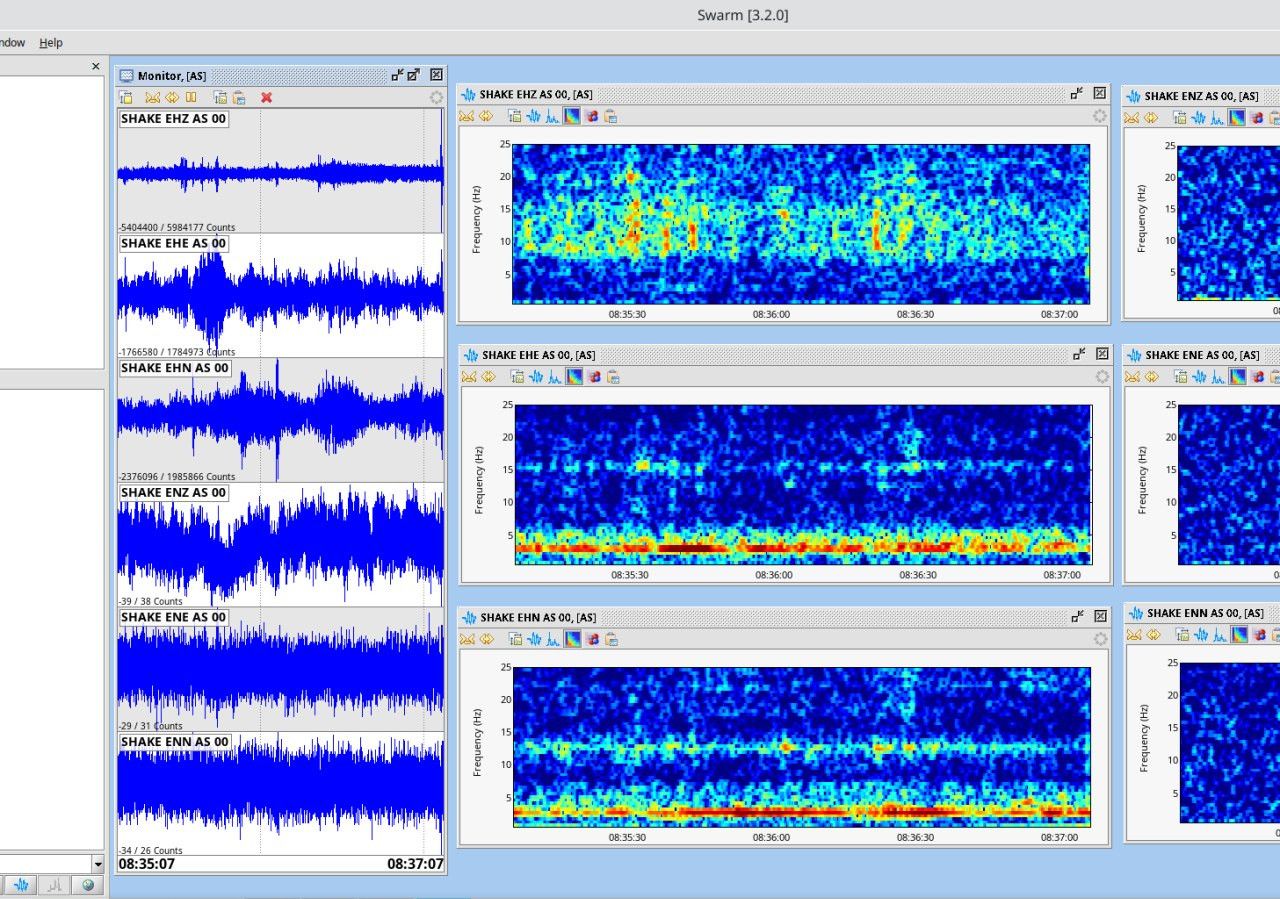
This approaches ensures that both enthusiasts and researchers can access and work with the data in the way that best suits their needs.
Is my data shared across the internet?
AnyShake Observer does not upload waveform data by default. Your seismic recordings, including raw waveforms and processed signals, are stored and processed locally, and are not transmitted to the internet unless you explicitly choose to share them.
Our team takes your privacy and data ownership seriously. We believe that you should have full control over how your data is stored, accessed, and shared. That’s why AnyShake Explorer is designed to work completely offline by default. If you wish to contribute data to a public network or collaborate with others, you can enable sharing via open protocols like SeedLink, TCP Forwarder or export files manually — always on your own terms.
No cloud accounts, no forced uploads, and no hidden data collection. Just science, transparency, and control in your hands.
What about contributing to a global seismic network?
At present, AnyShake does not maintain its own centralized seismic network. Our current focus is on helping users connect their devices to existing seismic infrastructure, such as:
- Institutional SeisComP networks
- Custom data servers
- Educational monitoring systems
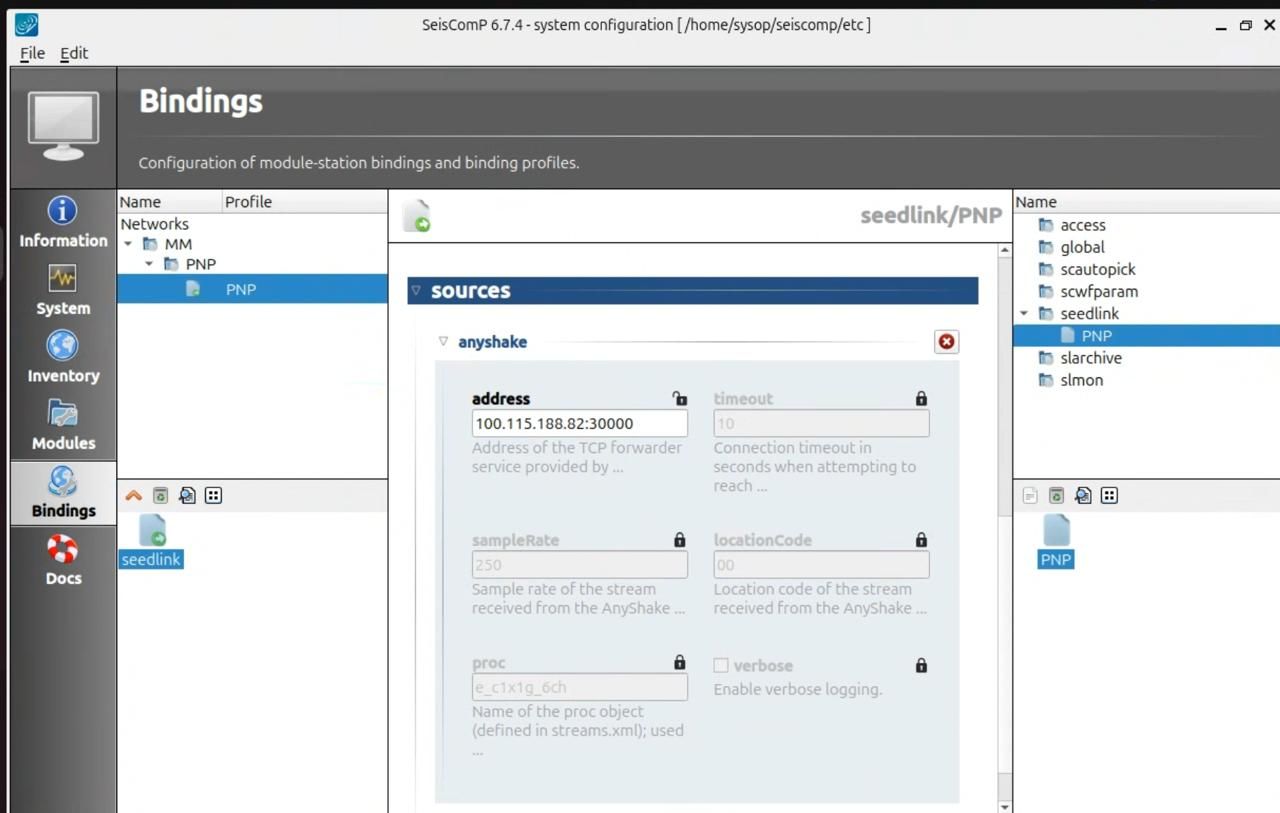
We believe in empowering users to choose whether and how they contribute to the global understanding of seismic activity, without compromising privacy or autonomy.
In the future, we plan to introduce an open, decentralized seismic network, opt-in only, where users can contribute data under their own terms using peer-to-peer protocols or trusted hubs.
How can I download and analyze my own raw data?
- Targeted Historical Query: The historical query feature lets users retrieve waveforms from the database by specifying a time range (up to one hour). It also integrates global seismic agency data for reverse earthquake lookup. Retrieved waveform clips can be exported in multiple formats, including MiniSEED, SAC, TXT, and WAV audio.
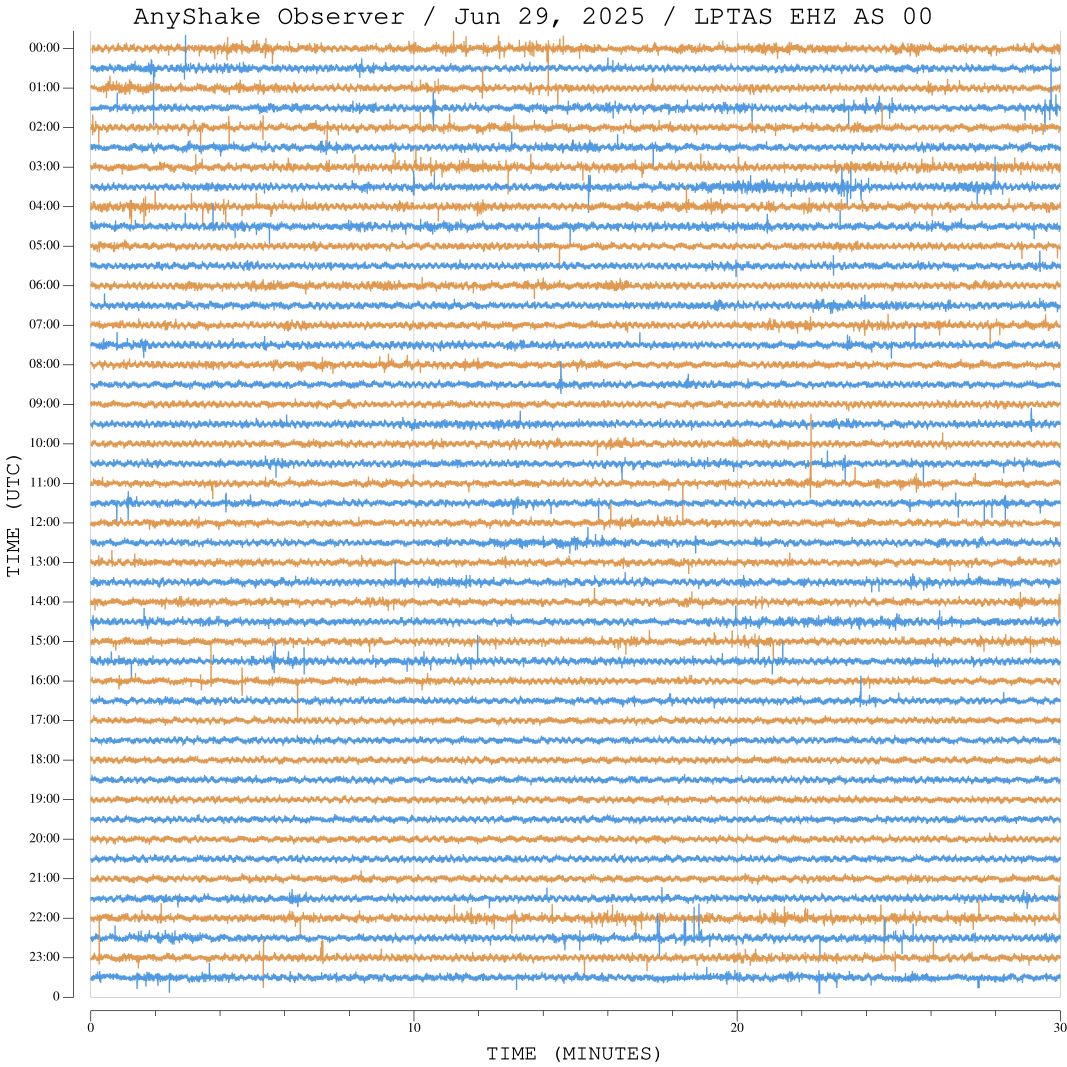
- Bulk Data Download: The Data Download page allows users to access and download daily archived MiniSEED files and helicorder images directly from disk for extended archiving or offline analysis.
Community & Project
What are the future plans for the project?
We have a long-term vision for AnyShake! We’re exploring ideas for future versions, including multi-axis sensors (to detect horizontal motion) and integrating other environmental sensors. Our roadmap will be heavily influenced by feedback and collaboration with you, the community.
Here are some of the key areas we’re actively working on:
- Performance Improvements: Further enhance the sensitivity, stability, and signal quality of AnyShake Explorer through firmware and software-level optimizations.
- New Features & Protocol Integration: Develop new capabilities and tackle the complexity of existing industry standards. We're committed to supporting more open protocols and making previously difficult-to-implement features accessible to users and researchers alike.
- Distributed Seismic Networks: Enable the creation of scalable, decentralized networks of AnyShake devices. This would support both local and global deployments for earthquake detection, structural monitoring, or scientific research—fully under user control.
We’re building not just a product, but an open platform. Your feedback, ideas, and contributions will continue to shape what comes next.
How can I contribute to the project?
We would love for you to get involved! There are many ways to contribute:
- Software development (features, fixes, visualization, etc.)
- Firmware improvements (signal processing, filtering)
- Hardware enhancements or adaptations
- Documentation (translation, correction, expansion)
Please email us at anyshake@senseplex.net to discuss your interest in contributing.
How do I report bugs?
For general issues, please file them in the appropriate GitHub repository according to the module involved. For example:
- If you discover a crash while using AnyShake Explorer, open an issue at GitHub > explorer > Issues
- If you experience problems using the AnyShake Nexus plugin with SeisComP, open an issue at GitHub > nexus > Issues
For serious issues such as security vulnerabilities, please do not publish them publicly. Instead, email us directly at anyshake@senseplex.net to avoid potential exploitation or malicious attacks before a fix can be issued.
Want to learn more?
Your curiosity and support are the bedrock of this project. We want to ensure that every one of your questions finds an answer. If your query isn’t covered here, please don’t hesitate to reach out.
For real-time conversation, join our community! We’re active on our Discord server and would love to chat with you there. You can also reach our team directly by sending an email to anyshake@senseplex.net
Thank you for being on this exciting journey with us!