Project update 3 of 7
Freezing Time - Auto Exposure and High-Speed Imaging
by Waves VisionWelcome to our second weekly update! This week, we’re diving into the core strength of our 5MP Global Shutter camera: capturing high-speed motion without distortion.
When dealing with fast-moving objects—like a drone propeller or a cooling fan, the way you manage light and timing is everything. Because our sensor is a true global shutter, every pixel is captured simultaneously, but we still need to manage exposure to "freeze" the action.
The Power of Manual Exposure
We’ve put together a comparison using a high-speed rotating fan to demonstrate how you can dial in the perfect shot using standard v4l2-ctl commands.
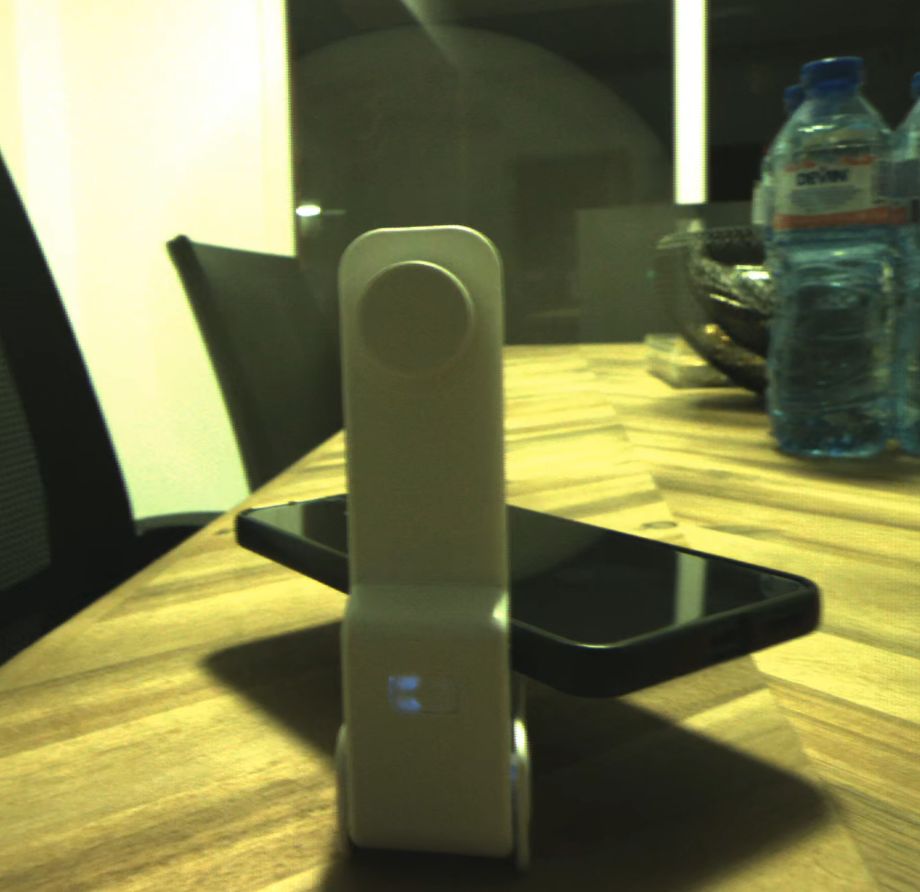
Scenario A: Auto Exposure / Auto Gain
In the first image, the camera is set to Auto Exposure. While the image is bright and well-balanced for a general scene, the shutter stays open longer to let in more light. This results in "motion blur", where the fan blades appear as a transparent "jello" or smear.
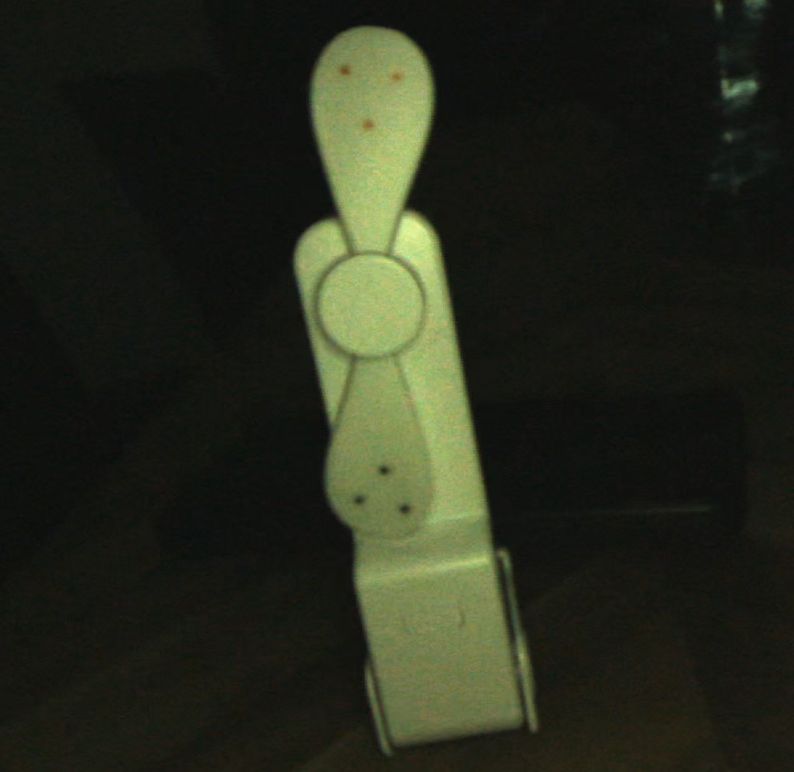
Scenario B: High-Speed Manual Capture
In the second image, we’ve switched to manual mode and dropped the exposure to its lowest level. The result? The fan blades are frozen in time. You can see the sharp edges of the blades as if they weren’t moving at all. Keep in mind that the exposure time is very low and having a good light source is key!
To achieve this "frozen" effect, we used:
v4l2-ctl -d /dev/v4l-subdev2 --set-ctrl=auto_exposure=1 # disable auto exposure
v4l2-ctl -d /dev/v4l-subdev2 --set-ctrl=exposure=100 #in rage od 1 to 1024
Note for Pro Users: When you use ultra-low exposure times to freeze high-speed motion, the sensor has less time to collect light. For the best results in these scenarios, we recommend using a high-intensity light source or external LED strobes (which can be synced via the VSYNC/FSYNC pins we introduced in V2).
Why This Matters
Motion blur is the enemy of data. Our 5MP GS camera gives you the granular control needed to eliminate that blur entirely, providing clean frames for your AI and CV algorithms to process.
Project Status
We are continuing to make progress on the software integration and are excited to see the community growing. As always, we are here to help if you have questions about specific lighting, setups, or high-speed use cases.
- Ask a Question: Use the Ask A Question link on our campaign page.
- Email us directly: contacts@wavesvision.com
Thank you for your continued support!