ESP32JTAG
A multifunction, wireless JTAG tool powered by an ESP32 and an FPGA
Funding ended on Dec 04, 2025 at 03:59 PM PST.
Funding ended on Dec 04, 2025 at 03:59 PM PST.
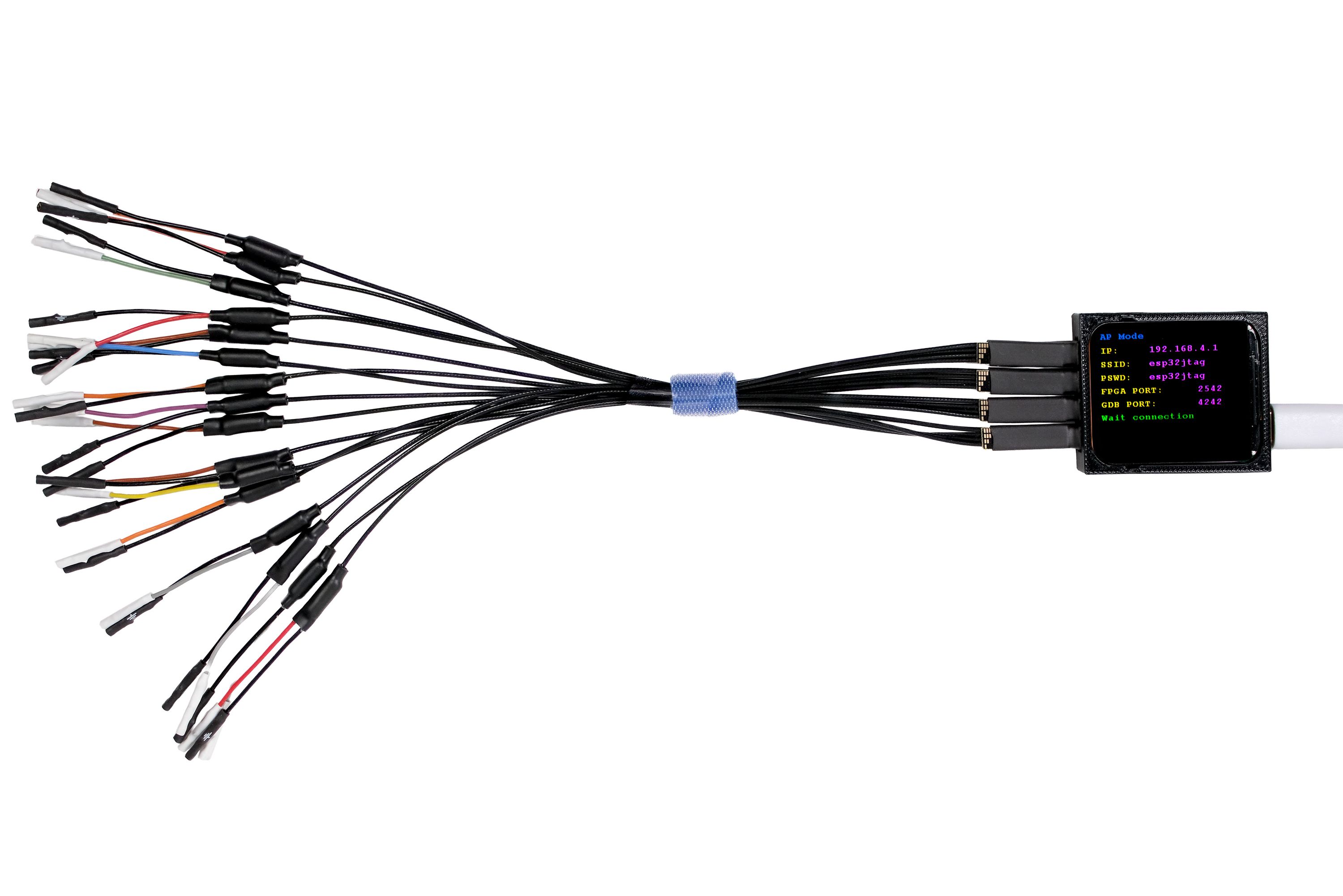
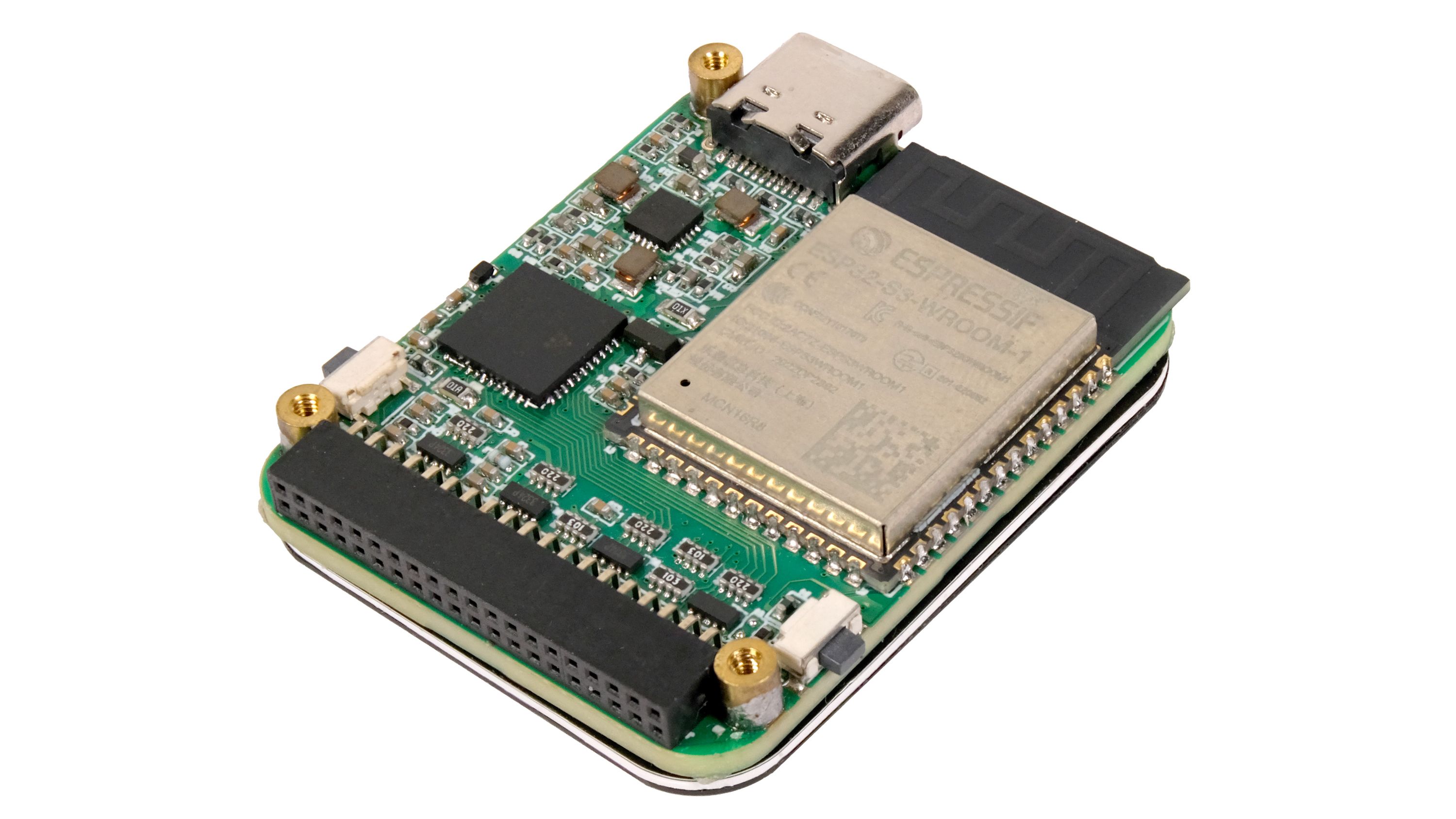
ESP32JTAG is an open-source, Wi-Fi-enabled JTAG debugger that combines JTAG/SWD debugging, 16-channels 250 MHz logic analyzer, FPGA configuration, and UART terminal access, into a single, compact, and wireless device. It allows embedded engineers to debug MCUs wirelessly, freeing them from the limitations of traditional wired debug probes. By consolidating tools normally requiring multiple USB dongles, ESP32JTAG saves engineers time, reduces clutter, and streamlines the debugging process. Its built-in web server means no drivers or extra software are needed—just power it on, connect via Wi-Fi, and start working from any PC, tablet, or smartphone.
Most developers juggle multiple tools for microcontroller debugging, 16-channels 250 MHz logic analyzing, FPGA programming, and serial monitoring. ESP32JTAG integrates them into one device that can operate simultaneously across its four configurable ports. This reduces cost, desk space, and complexity while improving workflow efficiency.
The tools can run in parallel — for example, you can debug an MCU and an FPGA, perform logic analysis, and use the web terminal all at the same time. This makes ESP32JTAG both highly cost-effective and easy to set up and use.
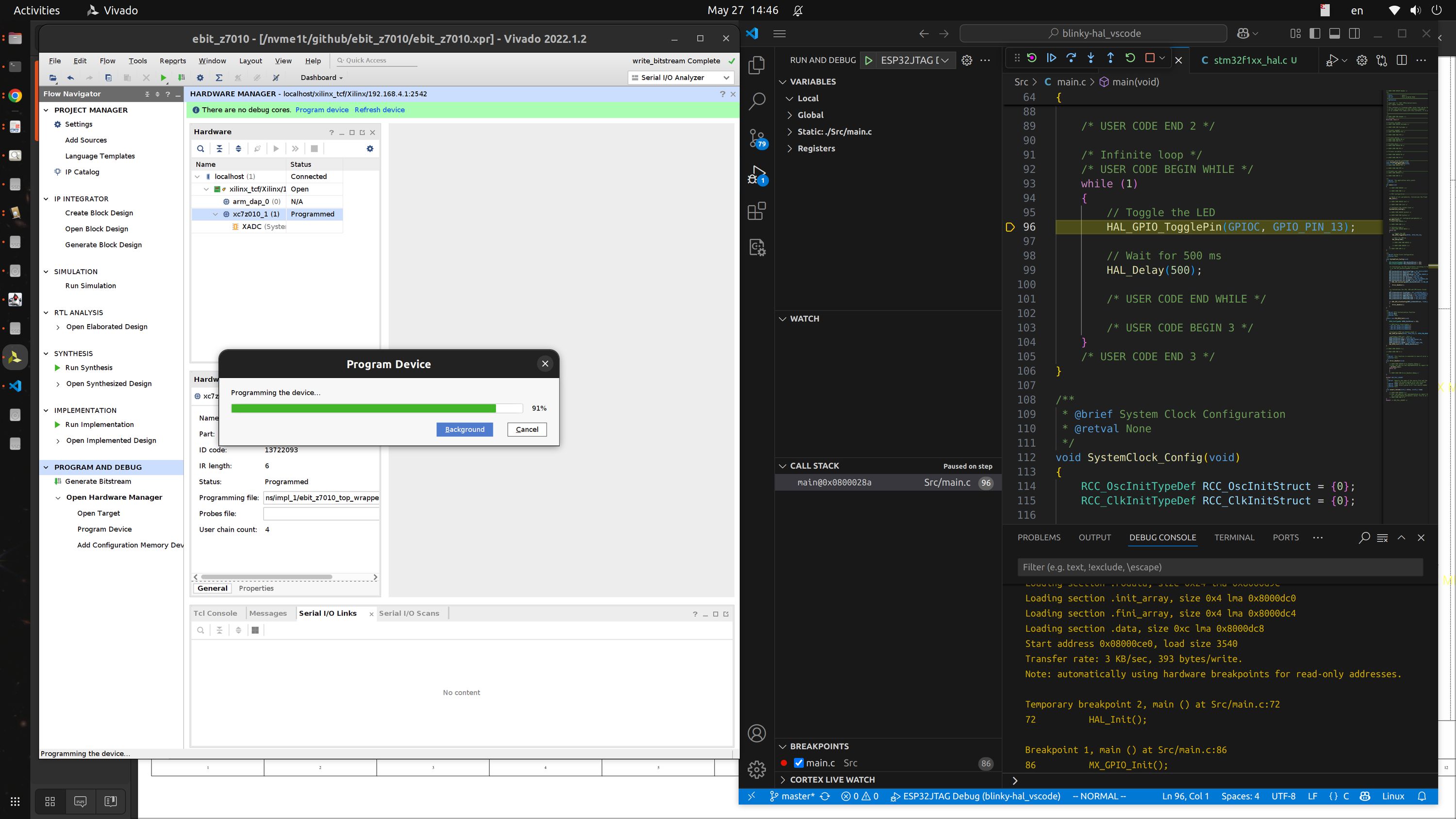
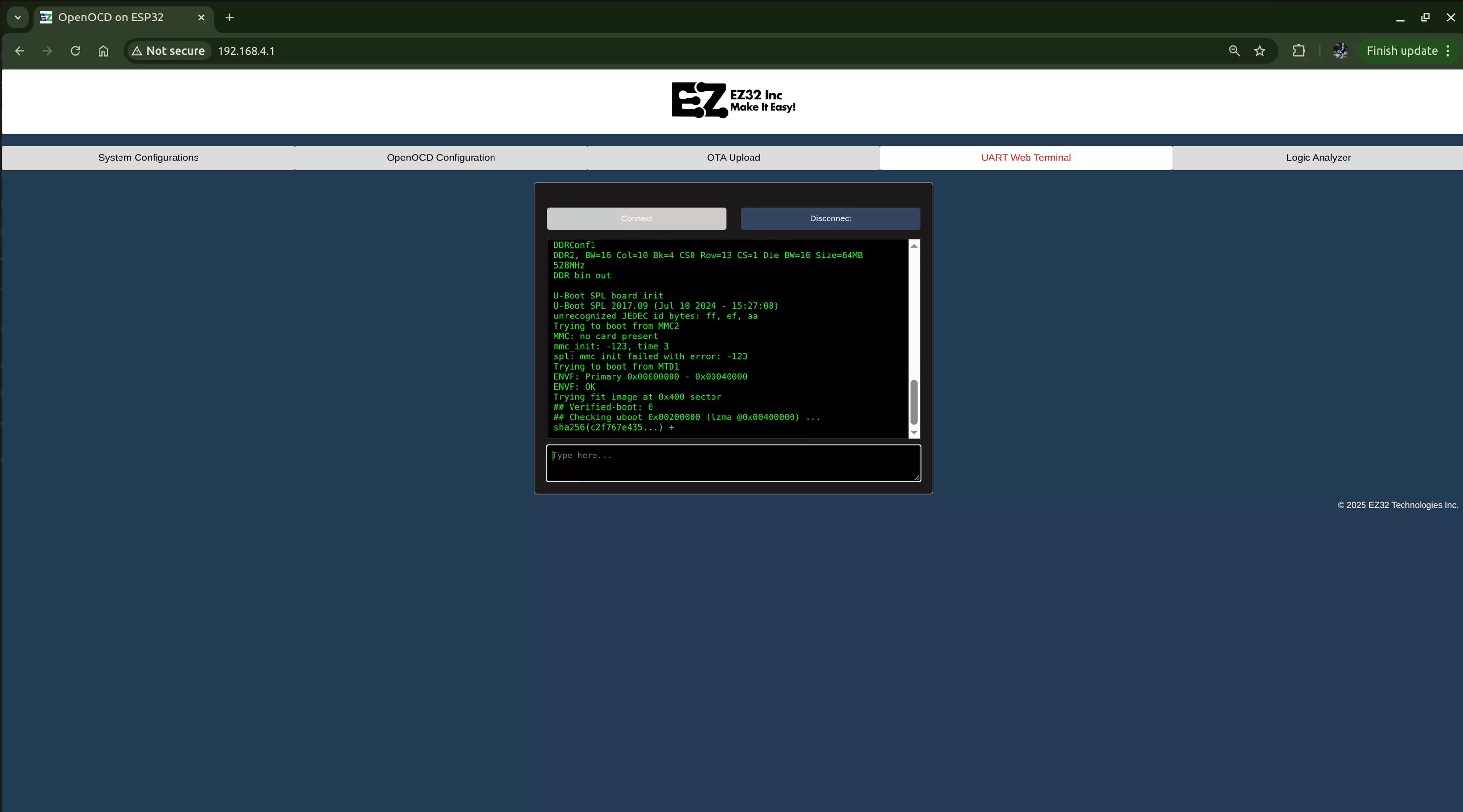
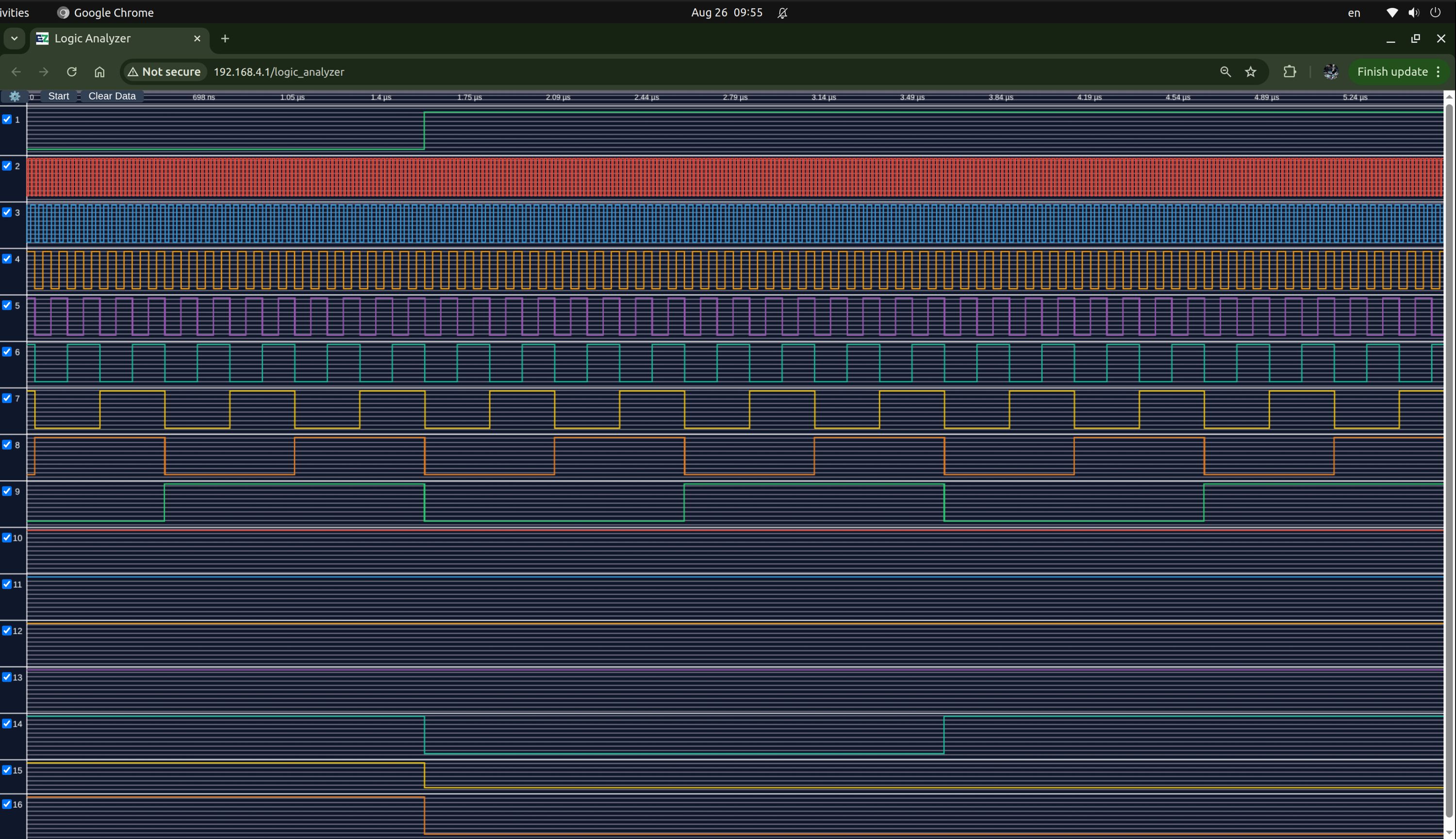
ESP32JTAG integrates multiple functions into a single device without compromising performance. Each feature is designed to deliver high capability, not just basic functionality.
For MCU debugging, it supports a wider range of IDEs and tools than typical ST-Link and similar products. Thanks to its 266 MHz dual-core CPU, 16 MB Flash, 8 MB PSRAM, and onboard FPGA, ESP32JTAG is far more powerful than competitors like ST-Link, which are typically based on 72 MHz ARM CPUs with 128 KB Flash and 24 KB RAM. More importantly, the superior hardware resources ensure no loss of debug data, a common limitation of resource-constrained tools like ST-Link. It’s time to replace outdated USB dongles with a modern solution — ESP32JTAG.
As another example, its logic analyzer can capture 16 channels at 250 MHz, outperforming even more expensive single-purpose analyzers.
Unlike traditional debugging probes that require proprietary drivers or USB-only connections, ESP32JTAG uses Wi-Fi 6 and Bluetooth 5.0. A built-in web server provides an easy-to-use interface for configuration, firmware updates, and documentation. With support for popular IDEs (VSCode, Arduino, STM32Cube) and open-source tools (OpenOCD, GDBServer, Blackmagic Probe, openFPGALoader), ESP32JTAG is ready to plug into your existing workflow.
ESP32JTAG is open-source hardware and software. Schematics, bill of materials, firmware, and documentation are openly available, making the tool transparent, hackable, and future-proof. Community contributions will help expand its features over time, ensuring it evolves with the needs of embedded developers.
| ESP32JTAG | Segger J-Link Wi-Fi | Glasgow | ST-Link | Saleae Logic Pro 16 | DSLogic Plus | |
|---|---|---|---|---|---|---|
| Manufacturer | EZ32 Inc. | Segger | 1BitSquared | STMicroelectronics | Saleae | DreamSourceLab (DSLogic series) |
| Form Factor | Compact module with LCD display | Compact module with USB + Wi-Fi | PCB board (optional CNC case) | USB dongle / embedded on ST boards | Box enclosure (~92 × 92 × 15 mm) | Compact (~79 × 74 × 9 mm) aluminum case |
| Functions | JTAG / SWD (MCU), FPGA JTAG, XVC, WebUART, 16-ch logic analyzer | JTAG / SWD / SWO, Wi-Fi debugging, IDE integration | JTAG, SPI, I²C, UART, memory interfaces, logic analyzer, applets | SWD / JTAG / SWIM (STM32 / STM8) | Logic + analog capture, protocol decoders | 16-ch logic analyzer, multi-mode capture |
| Strengths | All-in-one: wireless, display, debug + logic analysis | Professional, stable, wireless JTAG/SWD debug | Ultra-flexible, open, FPGA-based multi-tool | Low-cost, integrated into ST ecosystem | High-end logic analyzer, polished software | High sample rate for price, open software |
| Extensibility | Upgradable firmware | Proprietary | FPGA reconfigurable (applets) | Fixed firmware | No | Limited (thresholds / modes) |
| Wireless Connectivity | Wi-Fi 6 + Bluetooth 5.0 | Wi-Fi 2.4 GHz (built-in) | None | None | None | None |
| Software & Toolchain Support | OpenOCD, GDBServer, Blackmagic, openFPGALoader, CMSIS-DAP, VSCode, Arduino, STM32Cube | Segger J-Link software, IDEs (Keil, IAR, Eclipse, etc.), GDB server | Python host + open FPGA toolchain + applet ecosystem | STM32CubeIDE, ST-Link Utility, 3rd-party tool support | Saleae Logic software (cross-platform, API/SDK) | DSView (open source) + Sigrok support |
| Openness | Hardware + firmware open | Proprietary | Fully open (hardware, gateware, software) | Proprietary | Proprietary | Partially open (software only) |
| Target & I/O Voltage Support | 1.2 V – 3.3 V (with monitoring & reset) | 1.2 V – 3.3 V | 1.8 V – 5 V (per bank configurable) | 1.65 V – 3.6 V (5 V tolerant inputs) | 1.2 V – 5.0 V | –0.9 V to +6 V, threshold adjustable |
| I/O Channels | 16-channel logic analyzer, JTAG, GPIO, and voltage monitoring — fully configurable via a web interface | Debug only | 16 I/O pins (two banks) | Debug only | 16 multi-use inputs (digital/analog) | 16 digital channels |
| Sample Rate | JTAG/SWD: Up to 80MHz, Logic analyzer: Up to 250MHz(16-ch) | No logic analyzer | Up to ~100 MHz (depending on applet) | No logic analyzer | Digital: 500 MS/s (4 ch), 100 MS/s (16 ch); Analog: 50 MS/s | 400 MHz (4 ch), 200 MHz (8 ch), 100 MHz (16 ch) |
| On-Board Capture Memory | 1 Mbit FPGA internal RAM | No logic analyzer | 128 Kb FPGA internal | No logic analyzer | 600 Kb FPGA internal | 256 Mb DDR |
| Trigger Features | Logic analyzer: edge/level, MCU: Breakpoints / watchpoints | Breakpoints / watchpoints | Applet-based | Breakpoints / watchpoints | Edge, pulse, analog, protocol | Advanced multi-stage protocol triggers |
| Protection Features | Voltage monitoring, ESD, input protection | ESD, input protection | ESD, OVP, current sensing, E-stop | 5 V tolerant inputs | Input protection, over-voltage | ESD, sustained input protection |
| USB Host Interface | USB + Wi-Fi | USB + Wi-Fi | USB 2.0 | USB 2.0 | USB 3.0 | USB 2.0 (Type-C) |
| Dimensions | 34 × 44 × 10 mm | ~97 × 53 × 27 mm | 150 x 75 x 15 mm | ~50 × 20 × 10 mm (dongle) | ~92 × 92 × 15 mm | ~79 × 74 × 9 mm |
| Weight | ~30 g | ~65 g | ~100 g | Small | ~220 g | ~100 g |
| Power | USB Type-C | USB Type-A | USB Type-C | USB Type-A | USB Type-A | USB Type-C |
| Monitoring & Sensing | Voltage monitor, reset control | No | Voltage/current sensing, threshold interrupts | Basic target V detection | Analog input voltage | Threshold monitoring |
| Supported Protocols | JTAG, SWD, XVC, UART, FPGA config, logic analysis | JTAG, SWD, SWO | Wide: UART, SPI, I²C, JTAG, memory buses, custom applets | SWD, JTAG, SWIM | SPI, I²C, UART, JTAG, CAN, etc. | Digital protocols, advanced triggers |
| Typical Price | ~$139 | ~$1,170 | ~$179 (Rev C) | ~$20–40 (standalone dongle) | ~$999 | ~$149 |
We have completed hardware revision v1.3 and are now working on v1.4, which focuses on Wi-Fi RF performance, the enclosure, and improving the surface finish for a more refined appearance. We expect this revision to be to be nearly identical to the production unit. Manufacturing will be handled by a reputable PCB assembly house with experience in producing ESP32-based products. All boards will undergo functional testing, including wireless connectivity, I/O validation, and LCD verification. Packaging will follow standard consumer electronics practices (retail box with protective inserts and antistatic pouches).
Products will be shipped in retail packaging, with protective antistatic bags for the main unit and polybags for accessories. Shipments will be sent in bulk to Mouser’s fulfillment warehouse for worldwide distribution. Individual backers will receive the product through Mouser’s logistics system, ensuring reliable and trackable delivery. You can learn more about Crowd Supply’s fulfillment service under Ordering, Paying, and Shipping in their guide.
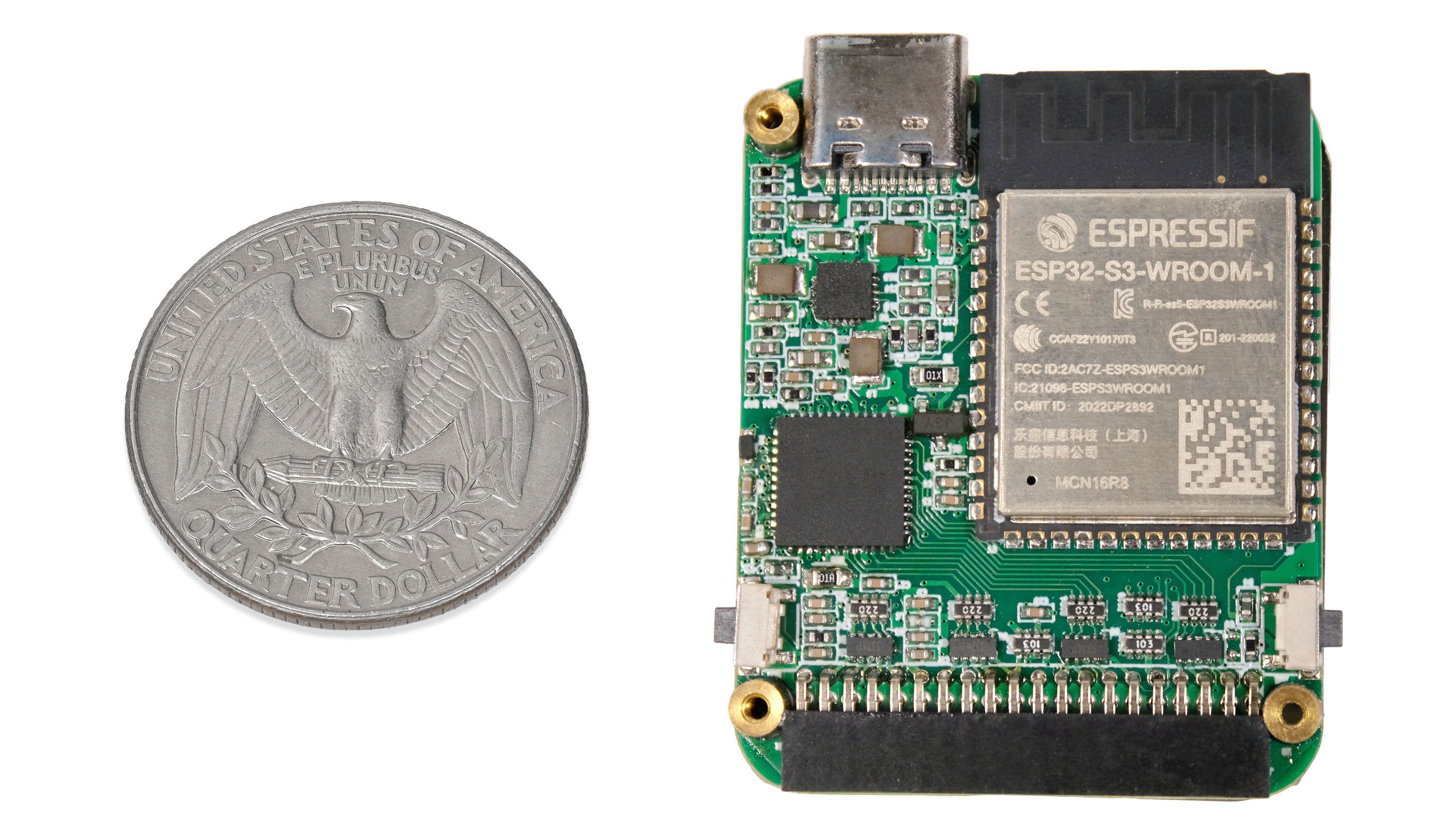


Produced by EZ32 in Markham, Ontario.
Sold and shipped by Crowd Supply.
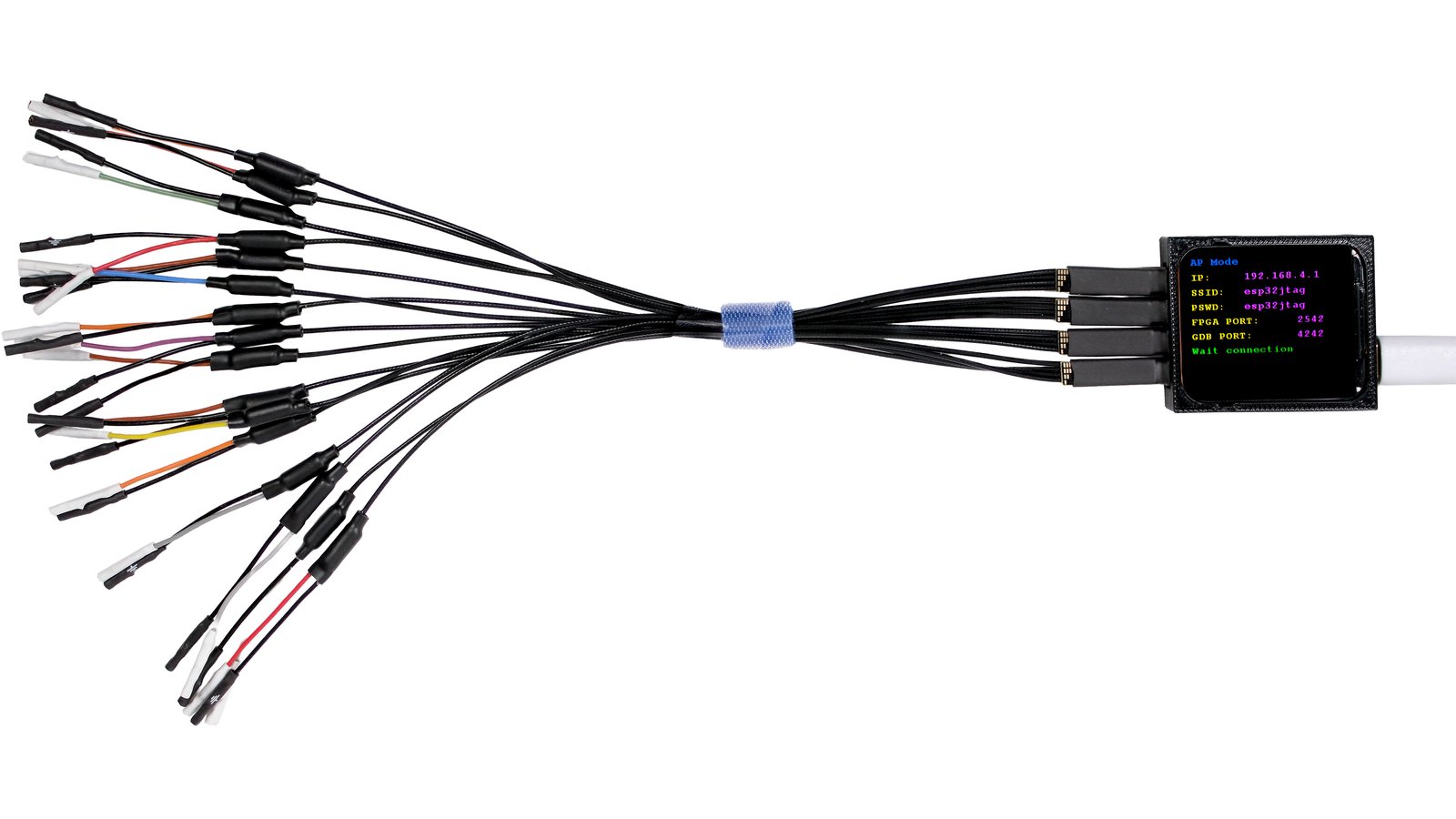
Enjoy full wireless MCU and FPGA debugging, 16-channel logic analysis, and WebUART support. Perfect for embedded engineers looking to simplify their development workflow. Includes shielded fly-wire sets and a quick-start guide.
Want to buy this item? Check the current project page for the latest information.