Lime Microsystems
Software Defined Radio
LimeSDR Micro
An open M.2 SDR with integrated vector signal processing acceleration
Lime Microsystems
Software Defined Radio
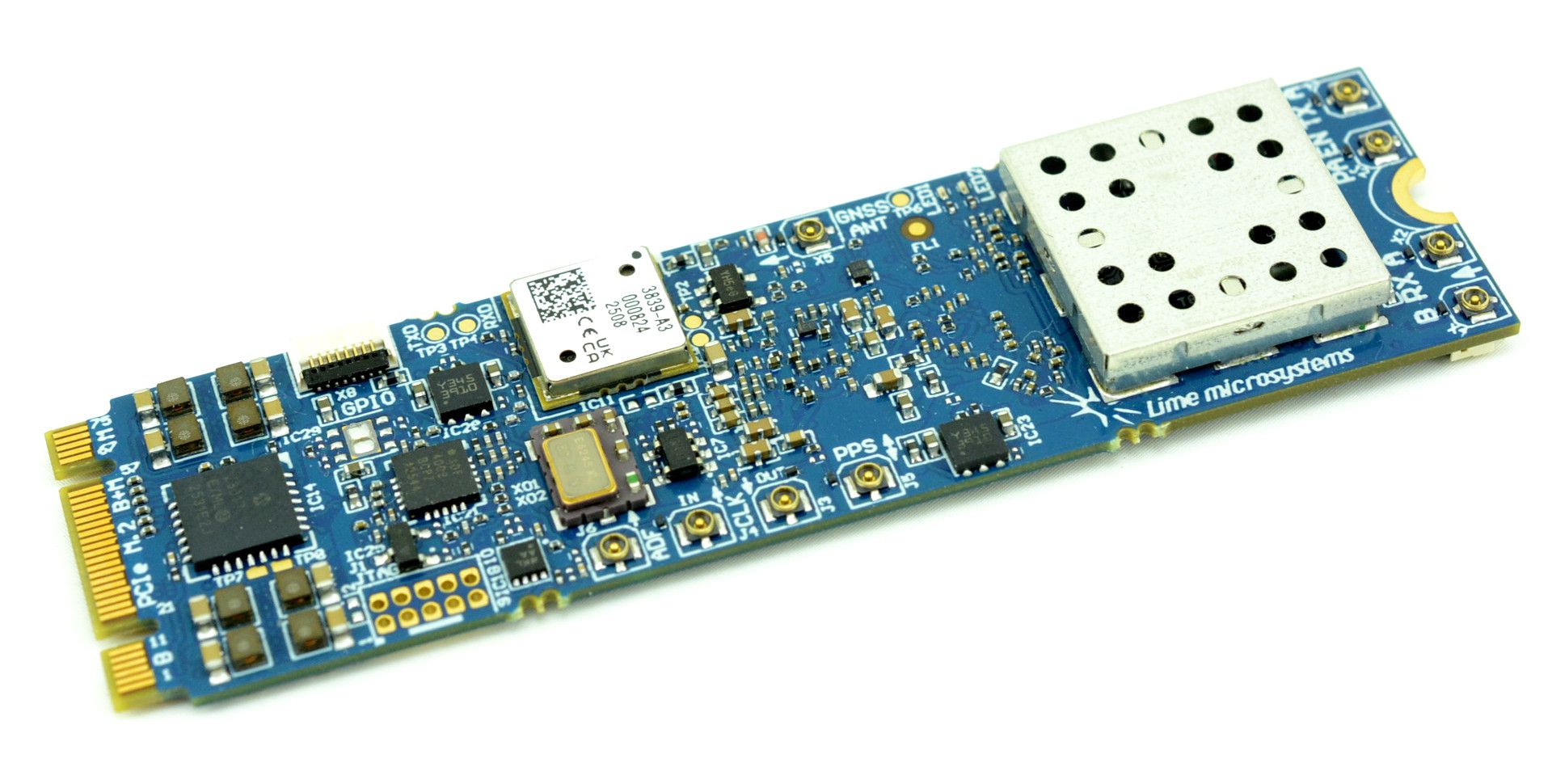
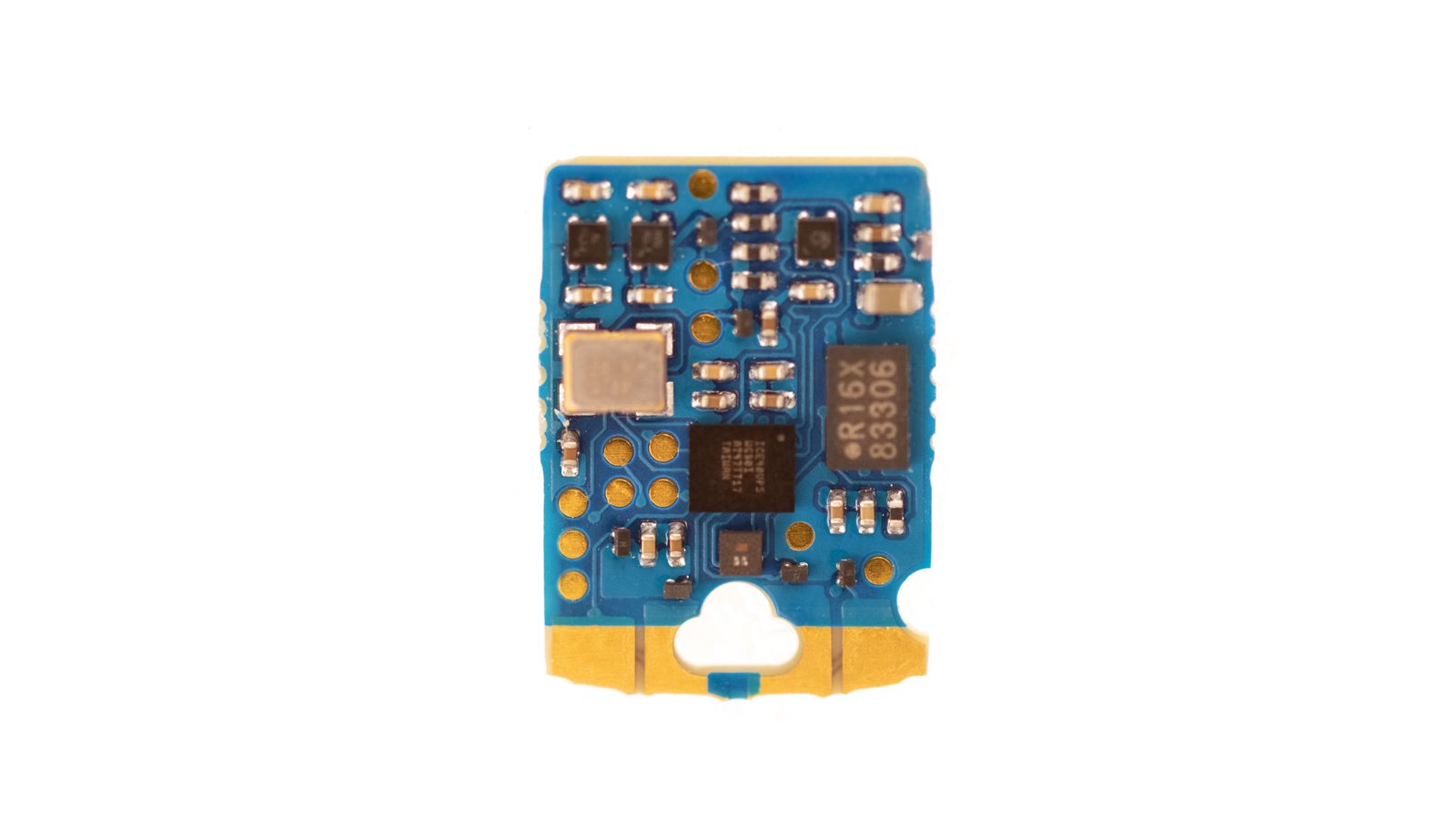
LimeSDR Micro is a next-generation, high-performance, software-defined radio (SDR) with integrated vector signal processing acceleration, packaged in a compact M.2 2280 form factor. Featuring an NXP LA9310 baseband processor and Lime Microsystems LMS7002M transceiver, LimeSDR Micro is an all-software-programmable platform with market leading size, weight, power, and cost.
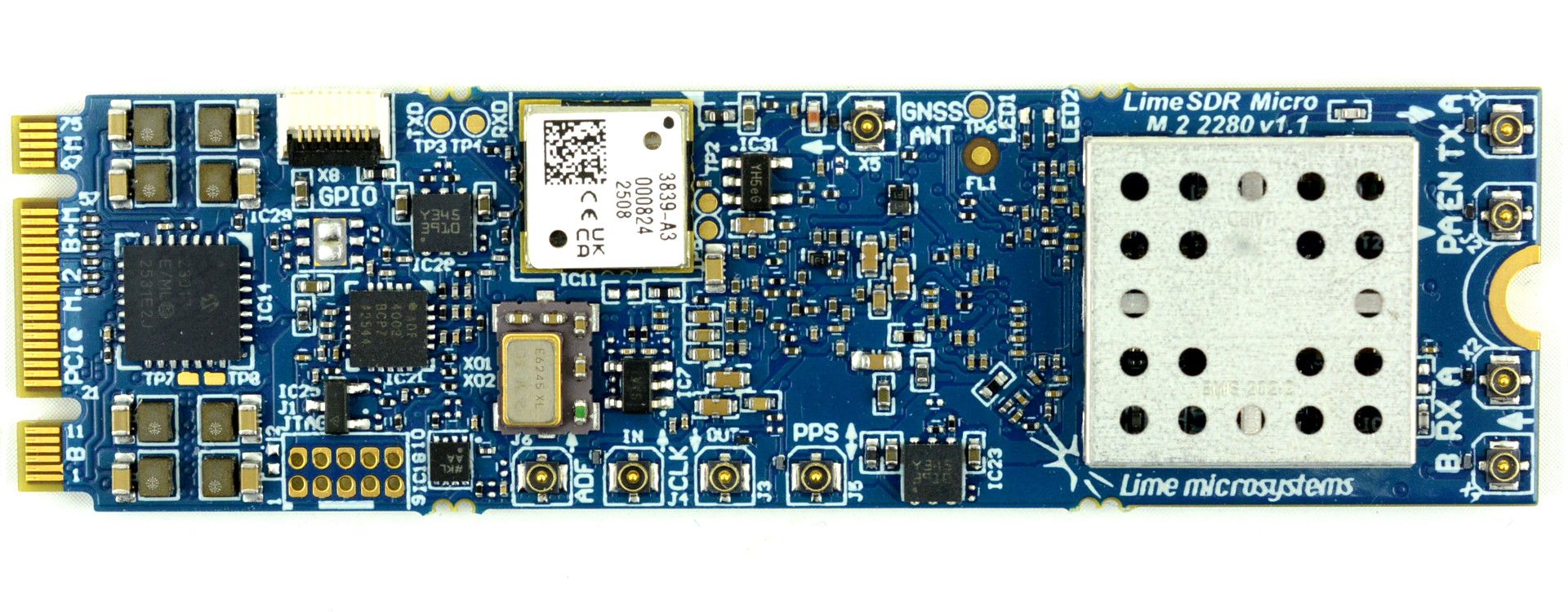
LimeSDR Micro may be used as a classic SDR with all processing carried out on the host computer, or the LA9310 Vector Signal Processor Accelerator (VSPA) may be used to offload physical layer processing and thereby significantly reduce load on the host CPU, while simultaneously reducing power consumption and enabling the creation of highly energy-efficient solutions.
LimeSDR Micro is suited to a wide variety of applications, ranging from simple receive-only and narrowband uses, to signal analysis, cellular base stations, custom user equipment/modems, drone communications, and more.
Thanks to its compact nature and the NXP LA9310 ultra-low power consumption baseband processor, LimeSDR Micro is suited to many applications where a classic SDR simply would not meet the size, weight, and power requirements. Integrating a commercial baseband processor provides a clear path to highly optimized solutions deployed at scale.
Notes:
¹ As supplied, LimeSDR Micro has 1x transmit and 2x receive channels, but may be expanded up to 4x receive channels via two analogue baseband inputs on an FPC connector.
² At present, the optional GNSS receiver may be used for location, time of day, and generating a VCTCXO DAC value. A future firmware update may add GSPDO support, but this is not guaranteed.
³ LimeSDR Micro may not be suited to installation in certain space-constrained systems, e.g. laptops, due to the increased (non-standard) module height of up to ~4mm from the PCBA top side.
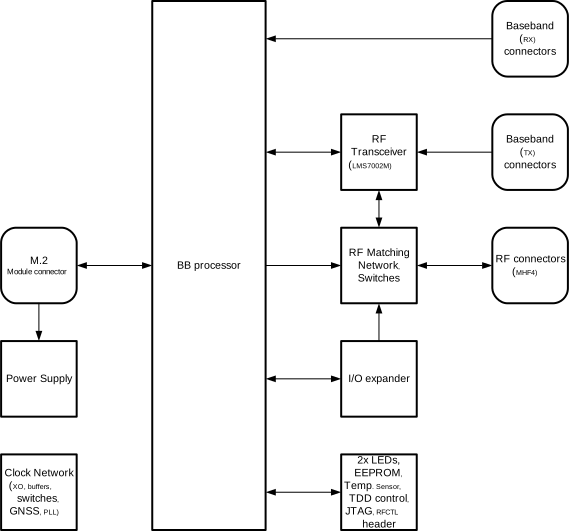
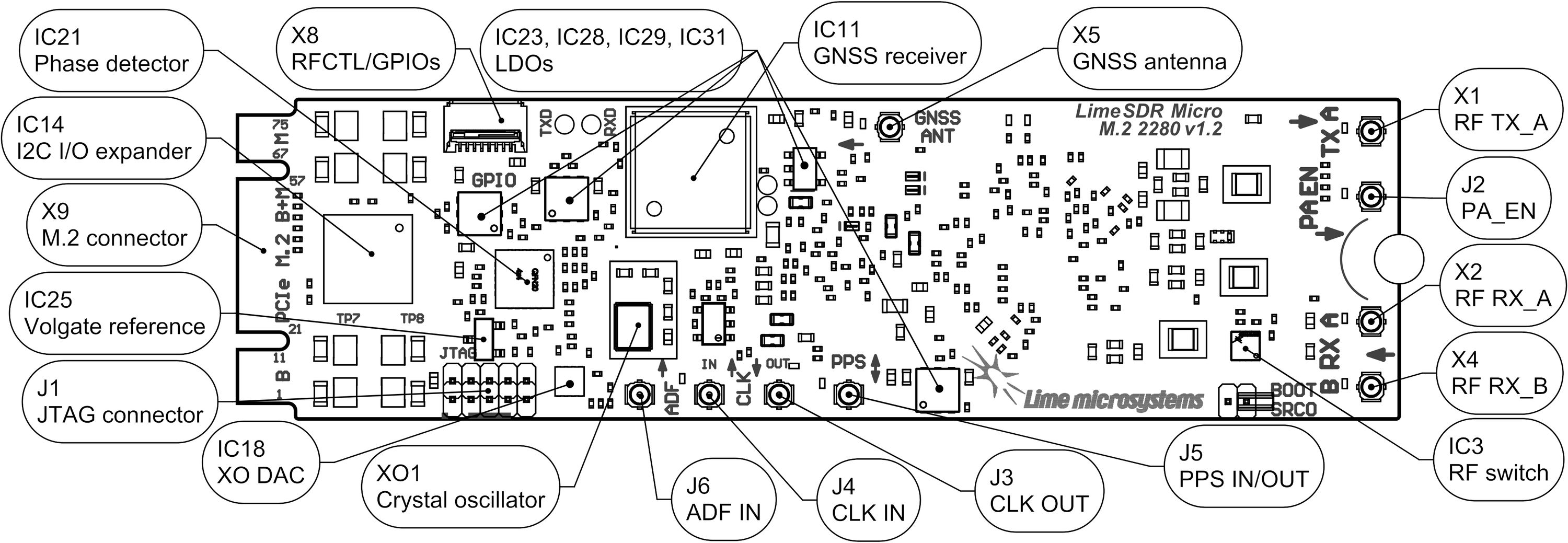
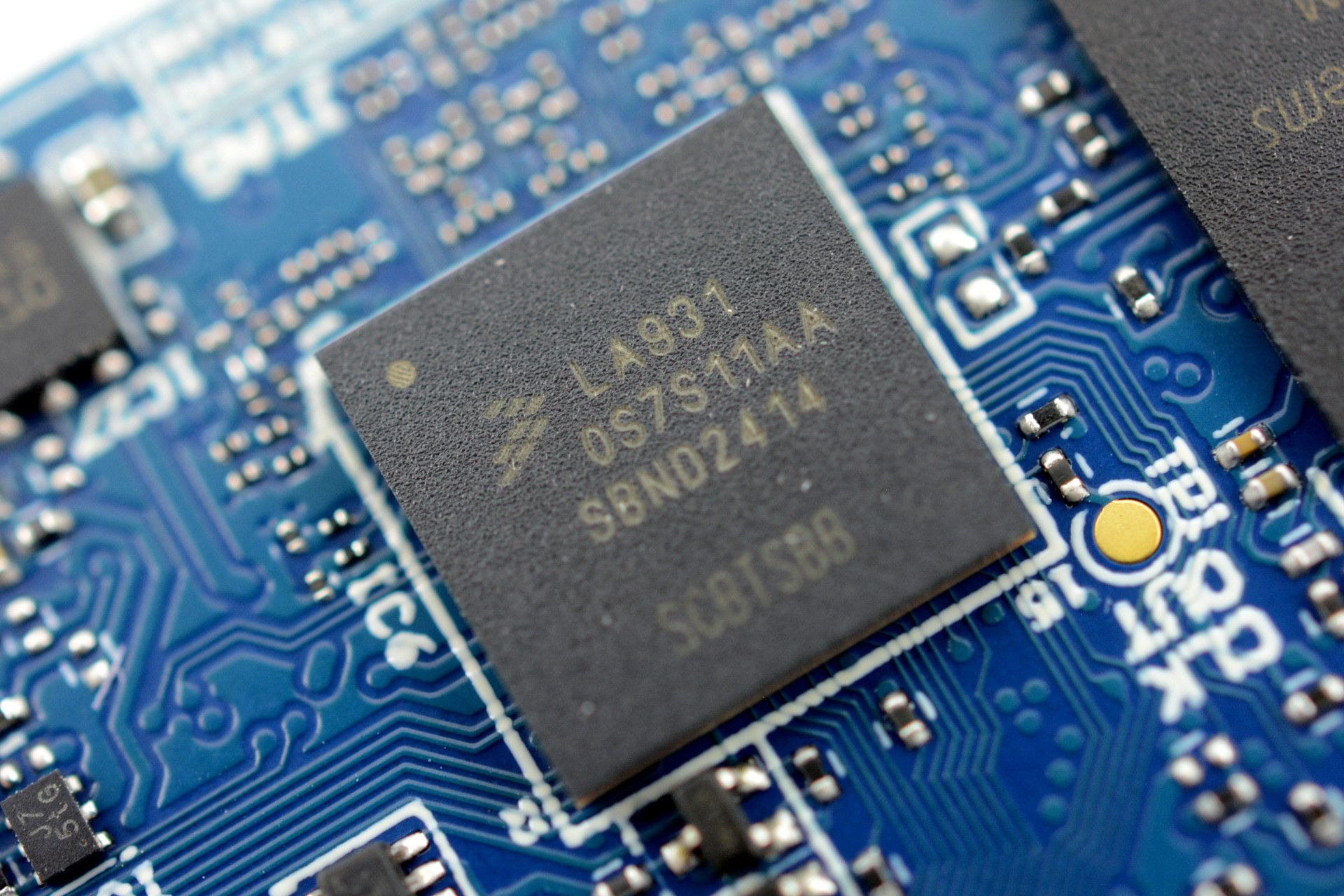
LimeSDR Micro is an all-software-programmable platform and does not require FPGA development experience in order to take advantage of hardware-accelerated signal processing. The NXP LA9310 Reference Manual and VSPA2 Instruction Set Manual are both available without NDA, along with of course comprehensive documentation for Lime Microsystems LMS7002M.

NXP also provide a collection of open source VSPA kernels for functions such as FFT, inverse FFT, CRC generation, FIR filters, mixer, and modulation/demodulation of up to 1024-QAM. With selected kernels accompanied by MATLAB scripts for generating test vectors. The DSP kernels may be used both to extend the default firmware and to create of entirely new firmware, for example, to implement physical layer processing for a particular wireless standard.
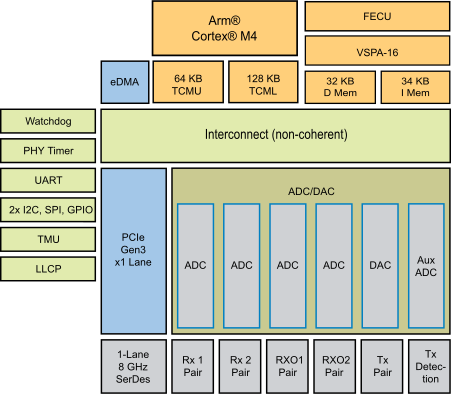
LimeSDR Micro uniquely combines the power and flexibility of SDR running on a general-purpose processor (GPP) such as a development workstation, with the option to progressively transfer compute-intensive functions to a commercial baseband processor, thereby providing a clear path from developing applications in the lab to deploying them in demanding and resource-constrained environments.
LimeSDR Micro is a fully fledged member of the LimeSDR family, which was established a decade ago and set the standard for radically open software-defined radio.
LimeSDR Micro is supported by:
The VSPA firmware can be built by a free-to-use, Linux-based compiler, with a single command (cmake target) which sets up the toolchain and builds the firmware project.
Lime Suite NG includes plug-ins for SoapySDR, GNU Radio, Amarisoft 4G/5G, and others. There is also support for OpenAirInterface and srsRAN Project.
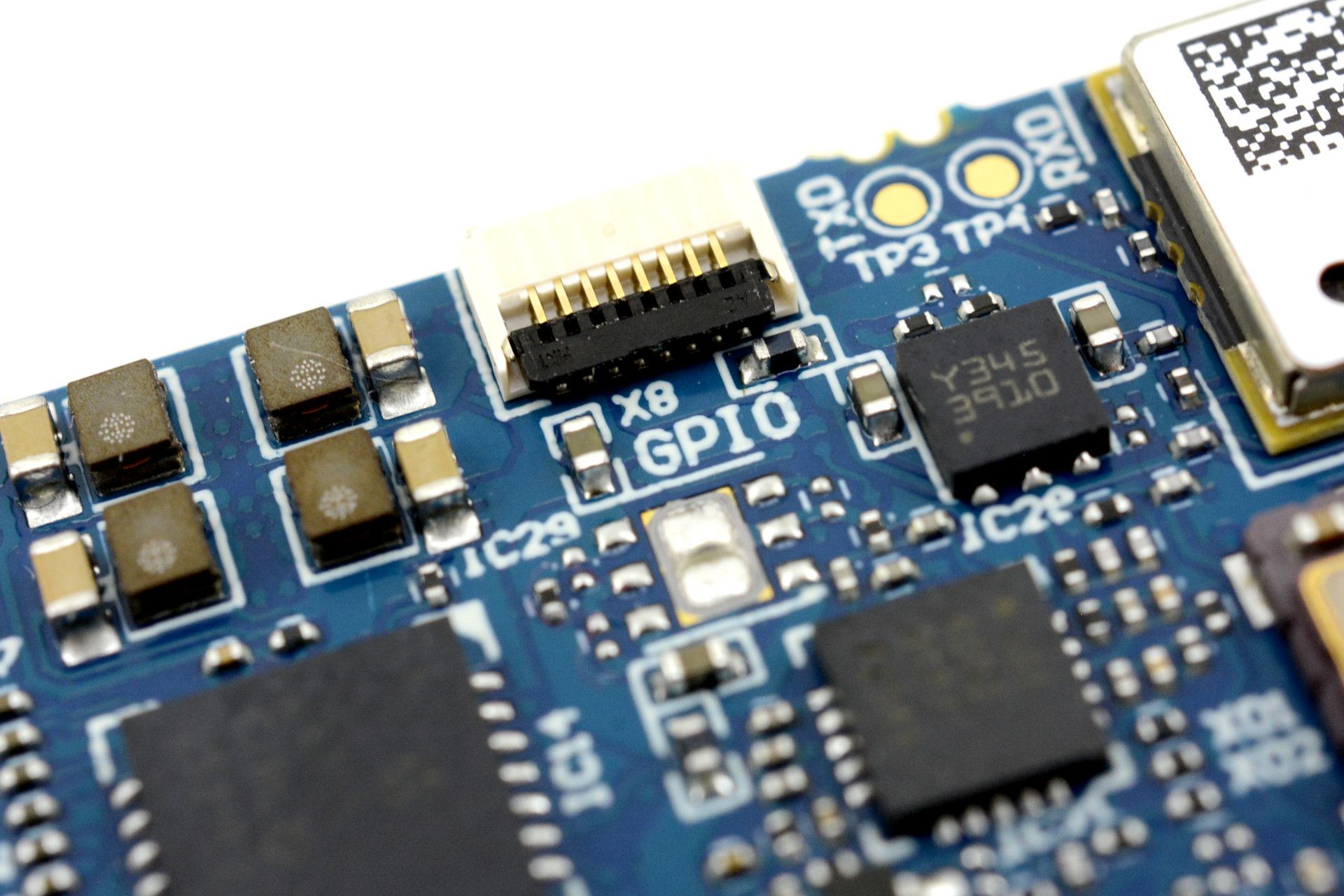
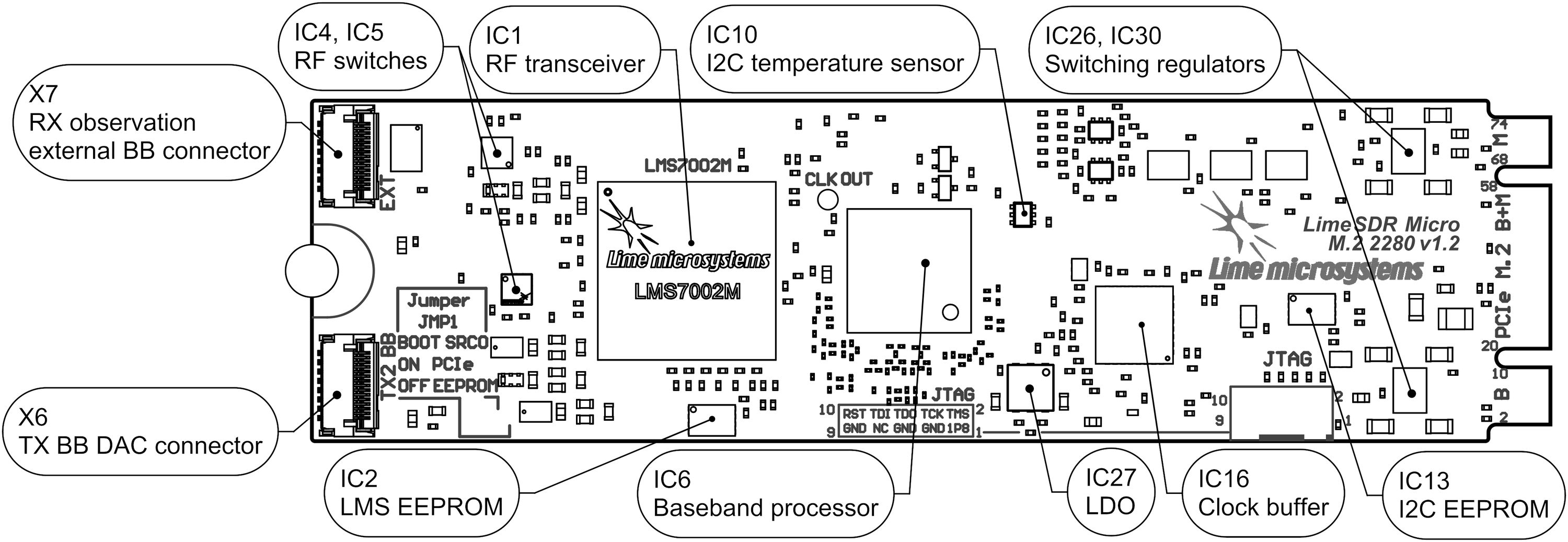
LA9310 has a 1T4R architecture. The first two receive channels are connected to LMS7002M, providing coverage over a 30 MHz – 3.8 GHz frequency range. A 15-pin FPC connector provides access to the second two LA9310 analogue baseband inputs, which may be used with accessories that increase the channel count and extend the frequency range. In addition, an 8-pin FPC provides access to GPIO for accessory control.
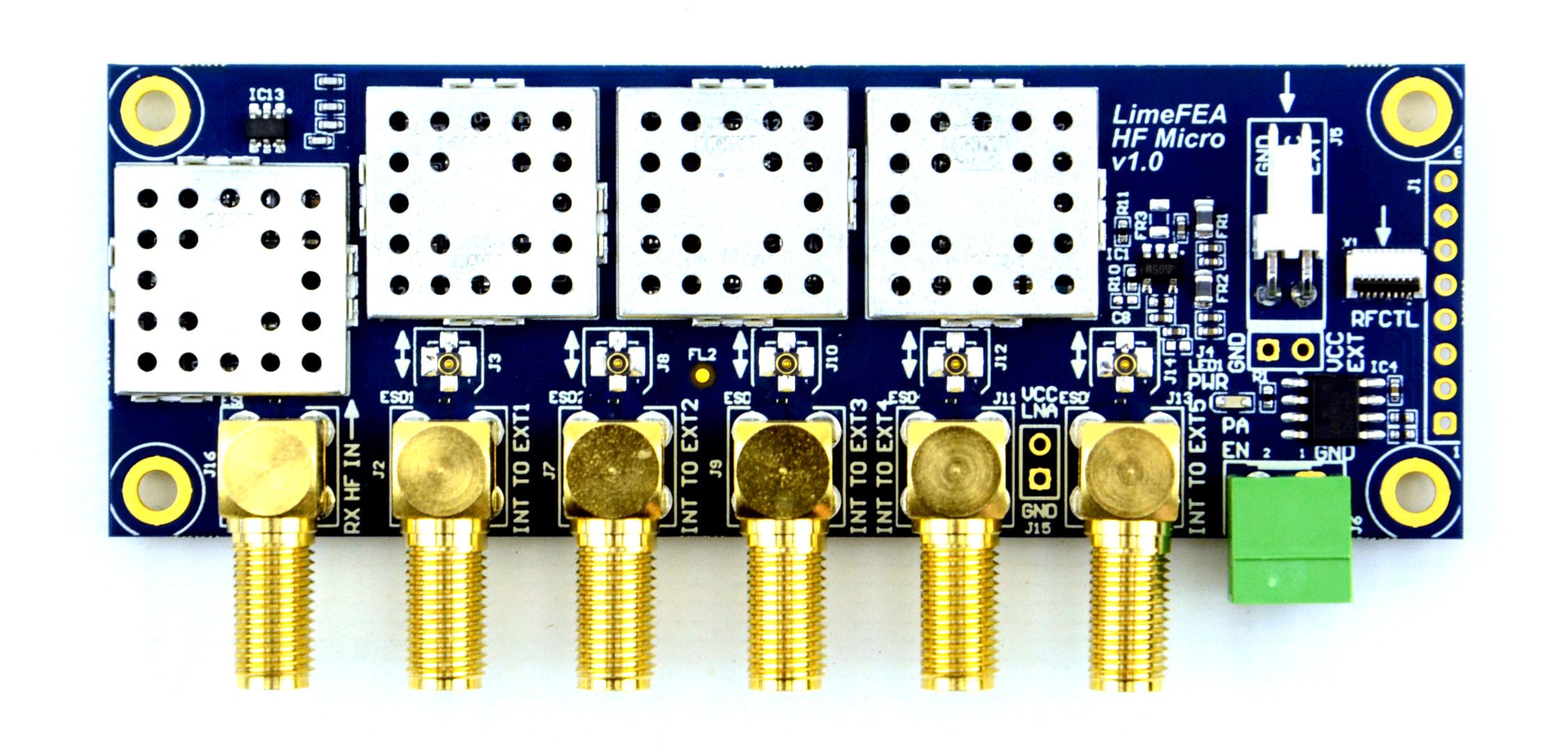
LimeFEA HF Micro adds a third receive path with a frequency range of 0 - 30 MHz to LimeSDR Micro. This third receive channel uses a direct sampling architecture and essentially captures the entire HF frequency range, with tuning then performed in the digital domain, along with digital filtering, demodulation, etc.
LimeFEA HF Micro integrates configurable analogue filtering so as to help mitigate the effect of blockers and improve sensitivity:
In addition, LimeFEA HF Micro provides:
The five MHF4-to-SMA transitions are provided for convenient access to LimeSDR Micro RF and clock I/O. Likewise with the TDD signal, which is present on the same FPC connector as the I²C signals which are used to configure the LimeFEA HF Micro board.
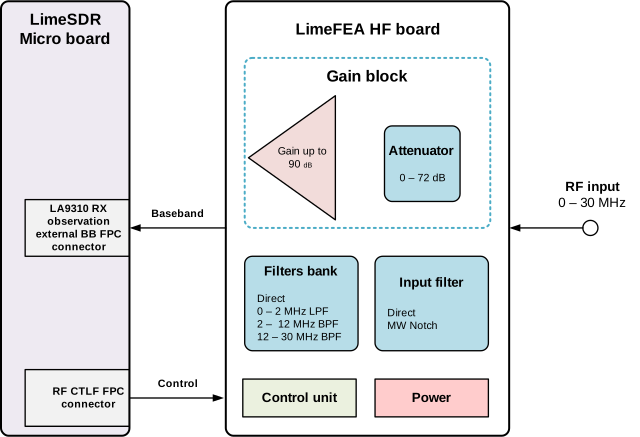
Please note that LimeFEA HF Micro integrates relatively basic band filtering and certain uses may benefit from additional, narrower band filtering such as that provided by a pre-selector.
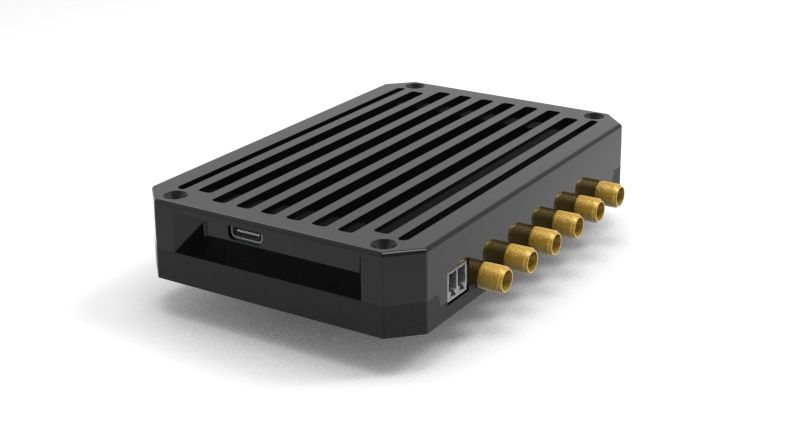
LimeSDR Micro Pro builds on LimeSDR Micro to provide a highly convenient USB 4.0 (40 Gbps mode only) peripheral that also integrates LimeFEA HF Micro. The solution is packaged in a high-quality enclosure which is machined from solid aluminium, and is powered via USB Type-C PD.
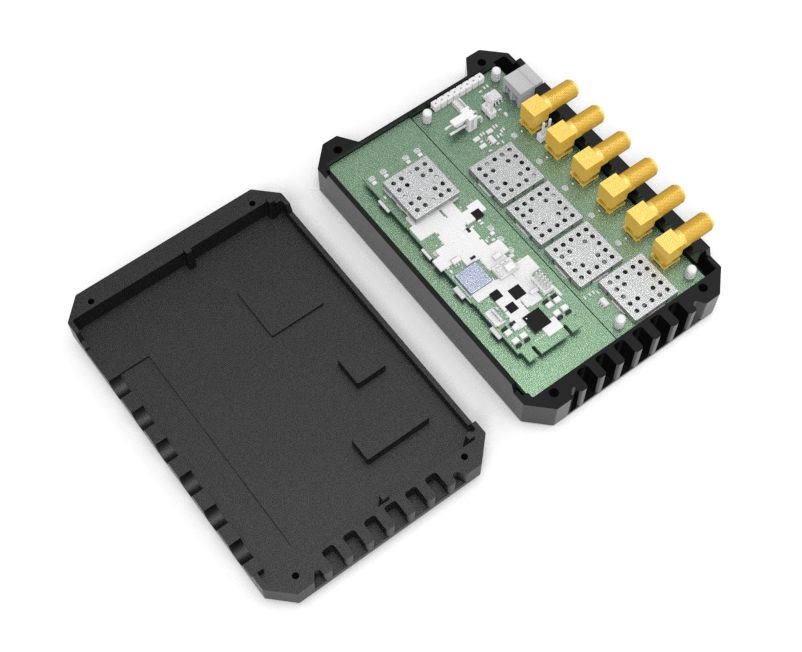
Please note that LimeSDR Micro Pro can only be used with computers which support USB 4.0 40 Gbps mode (a.k.a. Thunderbolt 3). It will not work at all with slower ports or USB 3.x!
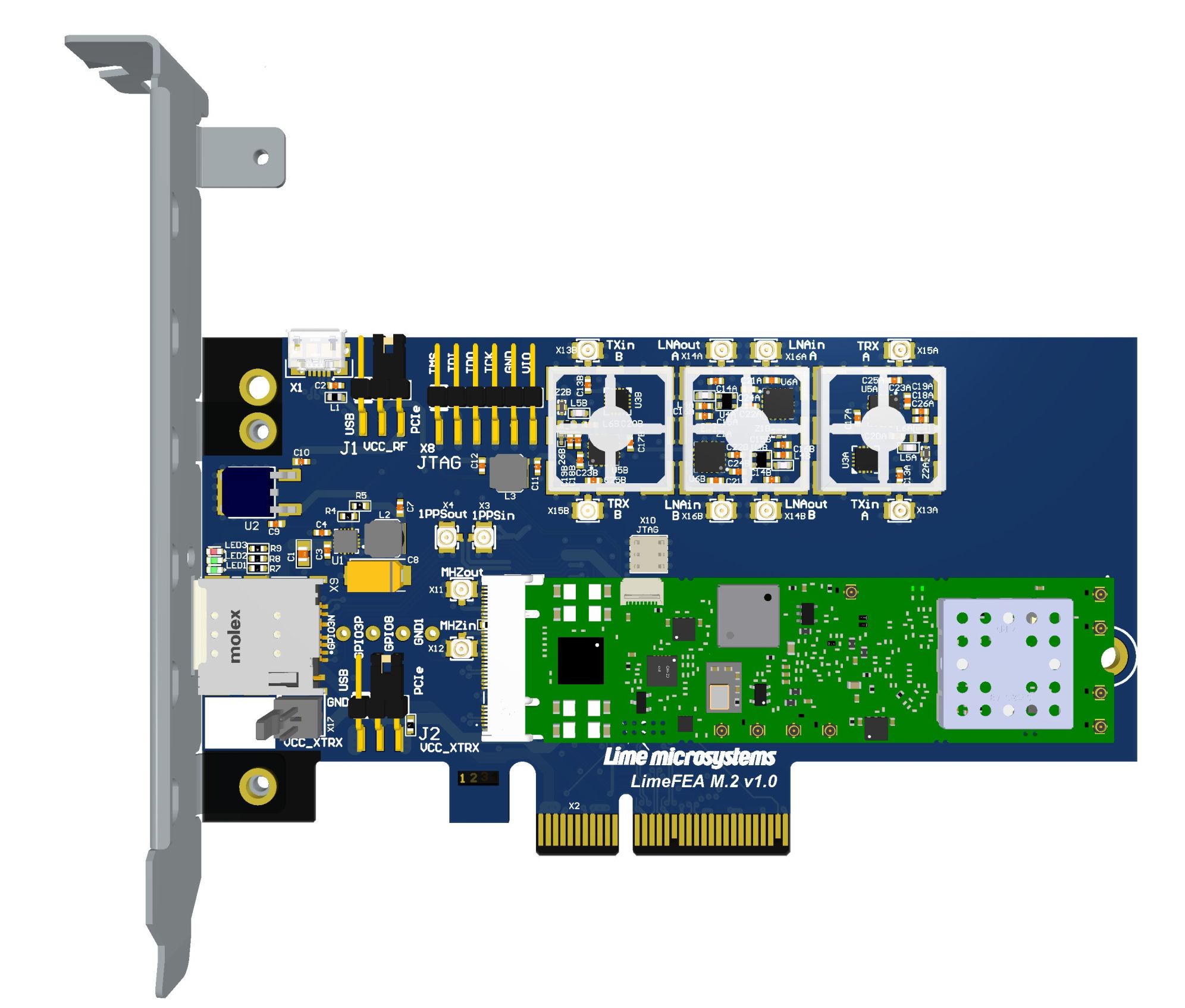
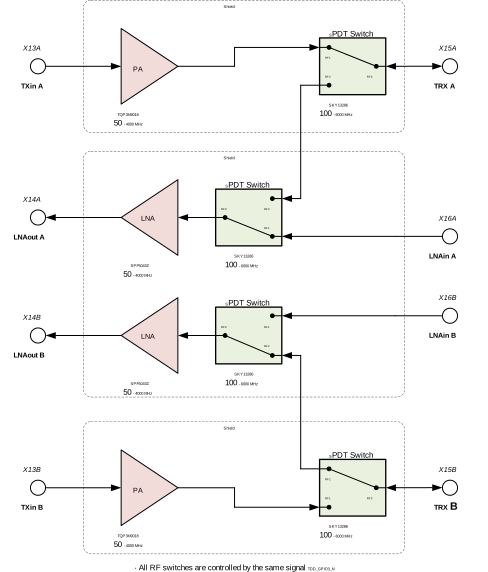
LimeFEA M.2 2280 is a combination of an adapter that allows LimeSDR Micro M.2 2280 to be used in a full-size PCIe x4 or larger slot, and a 2x2 MIMO RF front-end (RFE) which integrates low-noise amplifiers (LNAs) in the receive paths (100 MHz to 4 GHz receive frequency range) and power amplifier (PA) drivers in the transmit paths (100 MHz to 6 GHz transmit frequency range).
| Function | Freq. (MHz) | Gain (dB) | Output P1dB (dBm) | NF (dB) |
|---|---|---|---|---|
| Tx amplifier | 900 / 1900 / 4000 | 22.4 / 20.5 / 17 | 21.4 / 21 / 19.2 | 1.1 / 1.1 / 2.5 |
| Rx amplifier | 900 / 1900 / 3800 | 18.2 / 12.9 / 7 | 22.6 / 22.7 / 22.8 | 0.8 / 0.8 / 1.5 |
| RF switch | 1000 / 2000 / 6000 | -0.7 / -0.8 / -1.6 | - / 30 / - | - / - / - |
LimeFEA M.2 2280 is based on the existing LimeFEA mPCIe Full design and the figures shown here are those measured for the latter.
TDD switching is controlled via a LimeSDR Micro GPIO pin and enables a single RF connection to be used for transmit and receive, e.g., with LTE-TDD and 5G NR TDD operation.
Note that only one transmit path will be active when used with LimeSDR Micro, since it is a 1T2R design. However, LimeFEA M.2 2280 may also be used with future M.2 2T2R SDRs.
Any RF cables, such as SMA-to-U.FL pigtails for the PCIe bracket, should be ordered separately.
Selected partners and customers have had access to pre-production hardware for some months and the design has been updated based on feedback received and the results from our own testing. We are now ready to go into production using the same trusted manufacturing partners we’ve used to deliver other products in the LimeSDR family.
After completing production, we’ll send everything to Crowd Supply’s fulfilment partner, Mouser Electronics, who will distribute products to backers worldwide. You can learn more about Crowd Supply’s fulfilment service under Ordering, Paying, and Shipping in their guide.
The biggest risk we face is supply chain uncertainty. From finding reliable sources of components, to being on site for production, we’ve made every effort to ensure smooth delivery to backers. Should something nonetheless go wrong, we’re committed to communicate openly and honestly about what’s going on and what we’re doing to fix it. We appreciate the trust you put in us!
Produced by Lime Microsystems in Guildford, England.
Sold and shipped by Crowd Supply.

A software-defined radio in an M.2 2280 form factor featuring an NXP LA9310 baseband processor and Lime Microsystems LMS7002M transceiver. This version does not include a GNSS module. Note that the module has a nonstandard top-side maximum component height of ~4 mm.
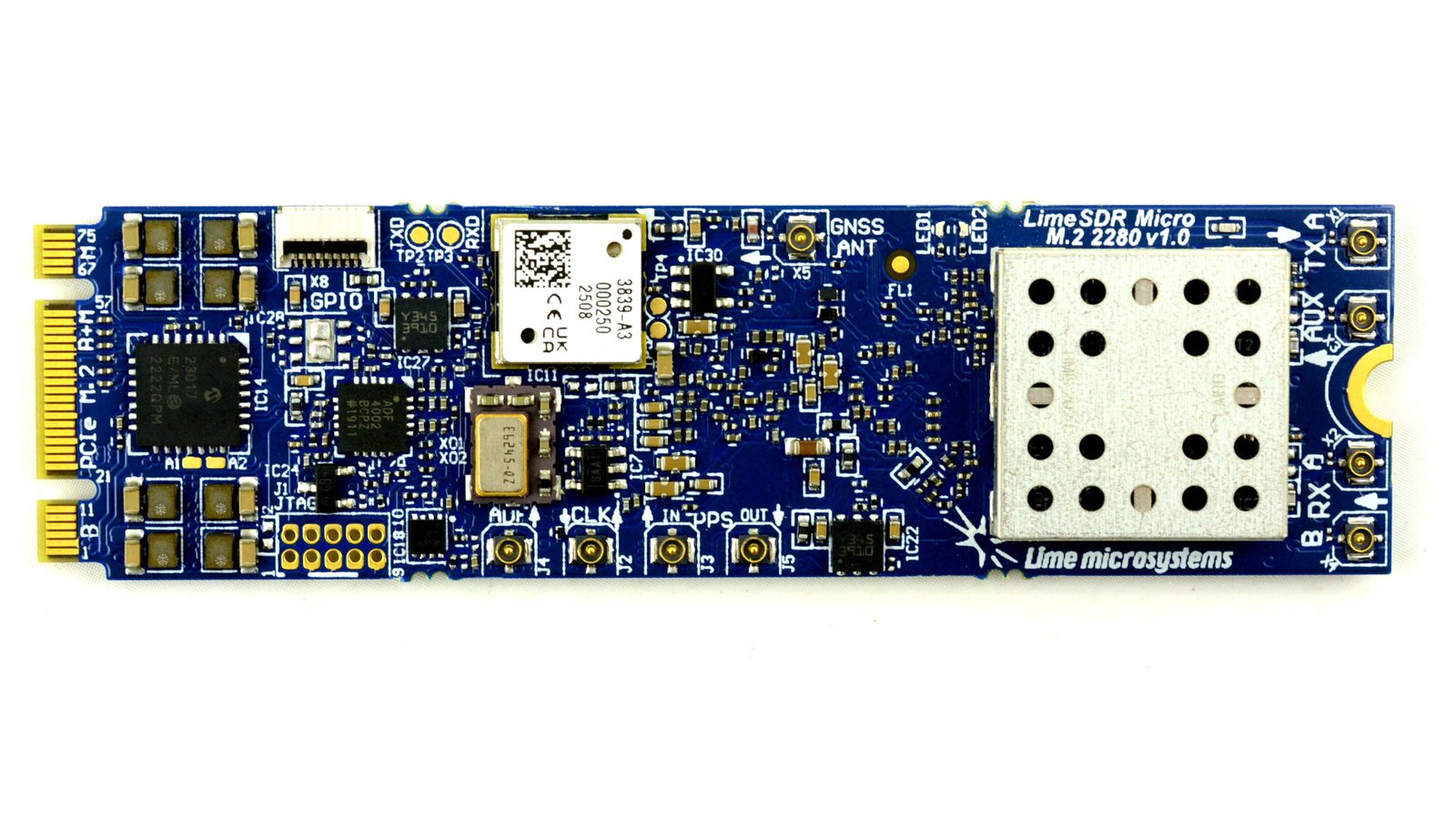
A software-defined radio in an M.2 2280 form factor featuring an NXP LA9310 baseband processor and Lime Microsystems LMS7002M transceiver. This version includes a GNSS module. Note that the module has a nonstandard top-side maximum component height of ~4 mm.
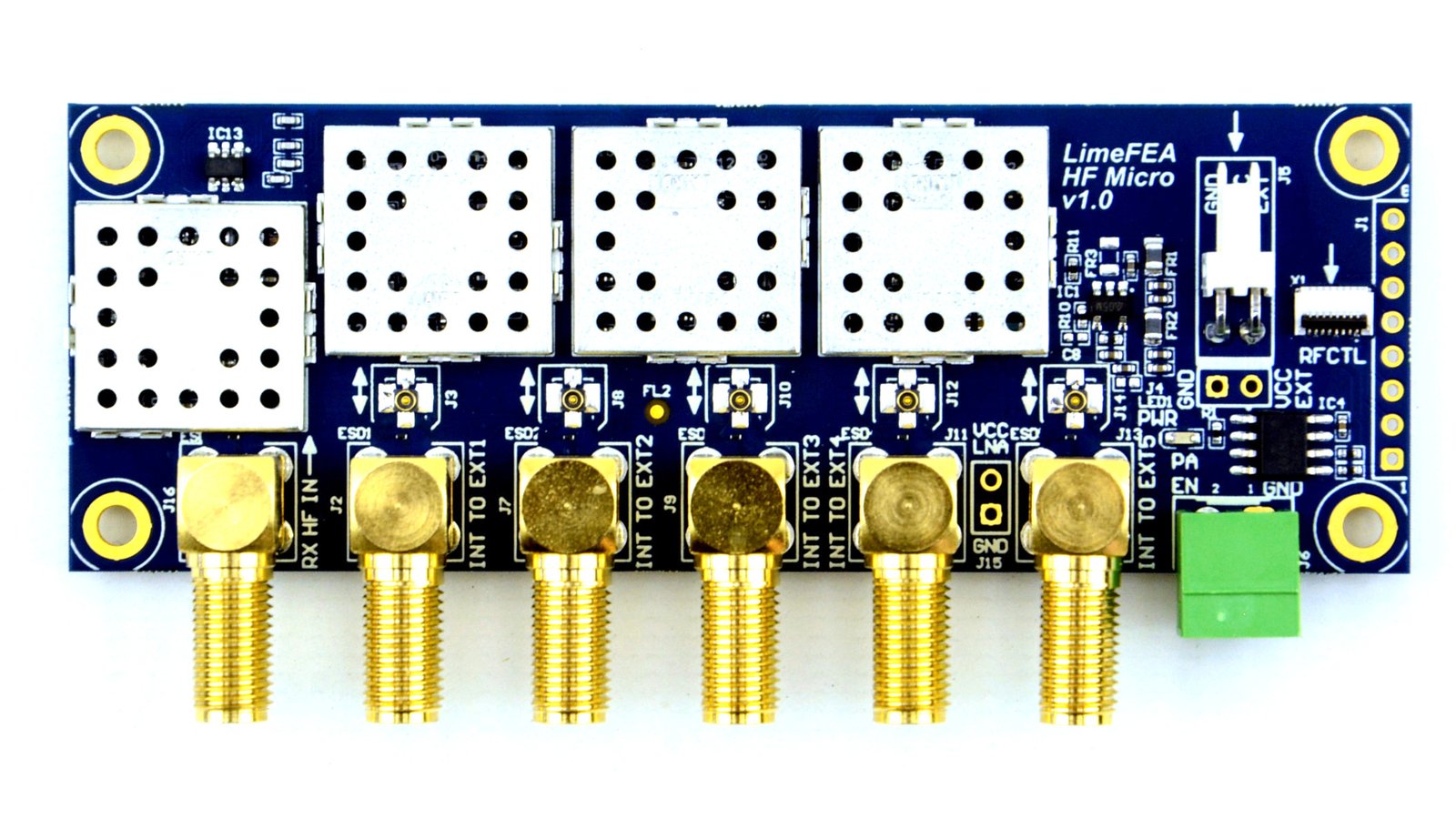
A companion board to LimeSDR Micro M.2 2280 (Basic or GNSS) that adds a third receive path with a frequency range of 0 - 30 MHz. This third receive channel uses a direct sampling architecture and essentially captures the entire HF frequency range, with tuning then performed in the digital domain, along with digital filtering, demodulation, etc. Includes a two-pole pluggable terminal and two FPC cables for connecting to a LimeSDR Micro M.2 board (sold separately).
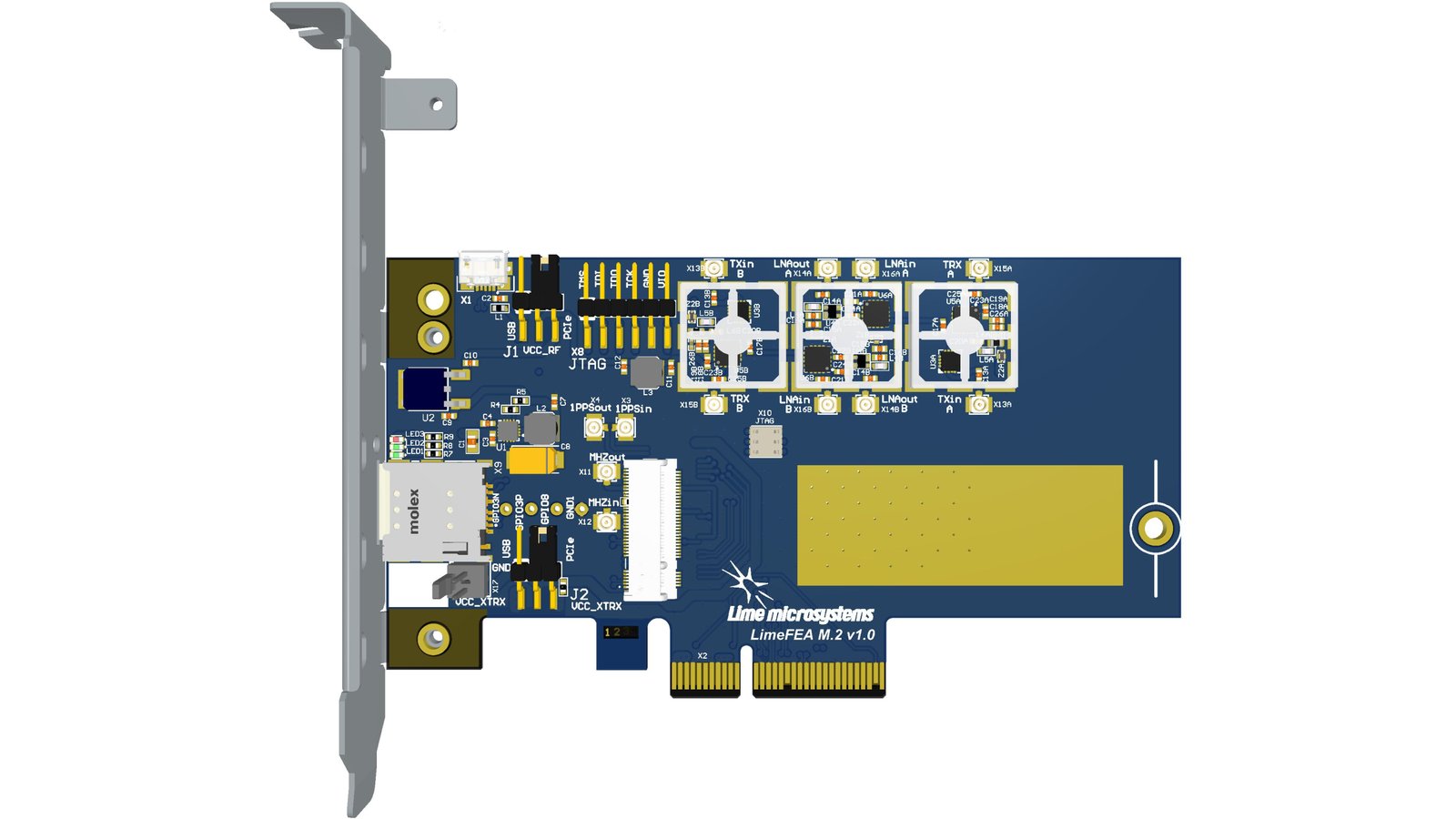
An adapter for using LimeSDR Micro M.2 2280 (Basic or GNSS) in a full-size PCIe x4 or larger slot. Includes an onboard 2x2 MIMO RF front-end (RFE) with low-noise amplifiers (LNAs) in the receive paths (100 MHz to 4 GHz receive frequency range) and power amplifier (PA) drivers in the transmit paths (100 MHz to 6 GHz transmit frequency range). RF cables sold separately. Includes a custom PCIe bracket and one FPC cable for TDD switching on a LimeSDR MIcro M.2 2280 board (sold separately).

A USB 4.0 (40 Gbps mode only) device in an aluminum enclosure that fully integrates a LimeSDR Micro M.2 2280 GNSS and a LimeFEA HF Micro, all powered via USB Type-C PD. Requires a host computer that support USB 4.0 40 Gbps mode (a.k.a. Thunderbolt 3). Includes a two-pole pluggable terminal, one 30 cm 40 Gbps USB Type-C cable, and two monopole antennas.
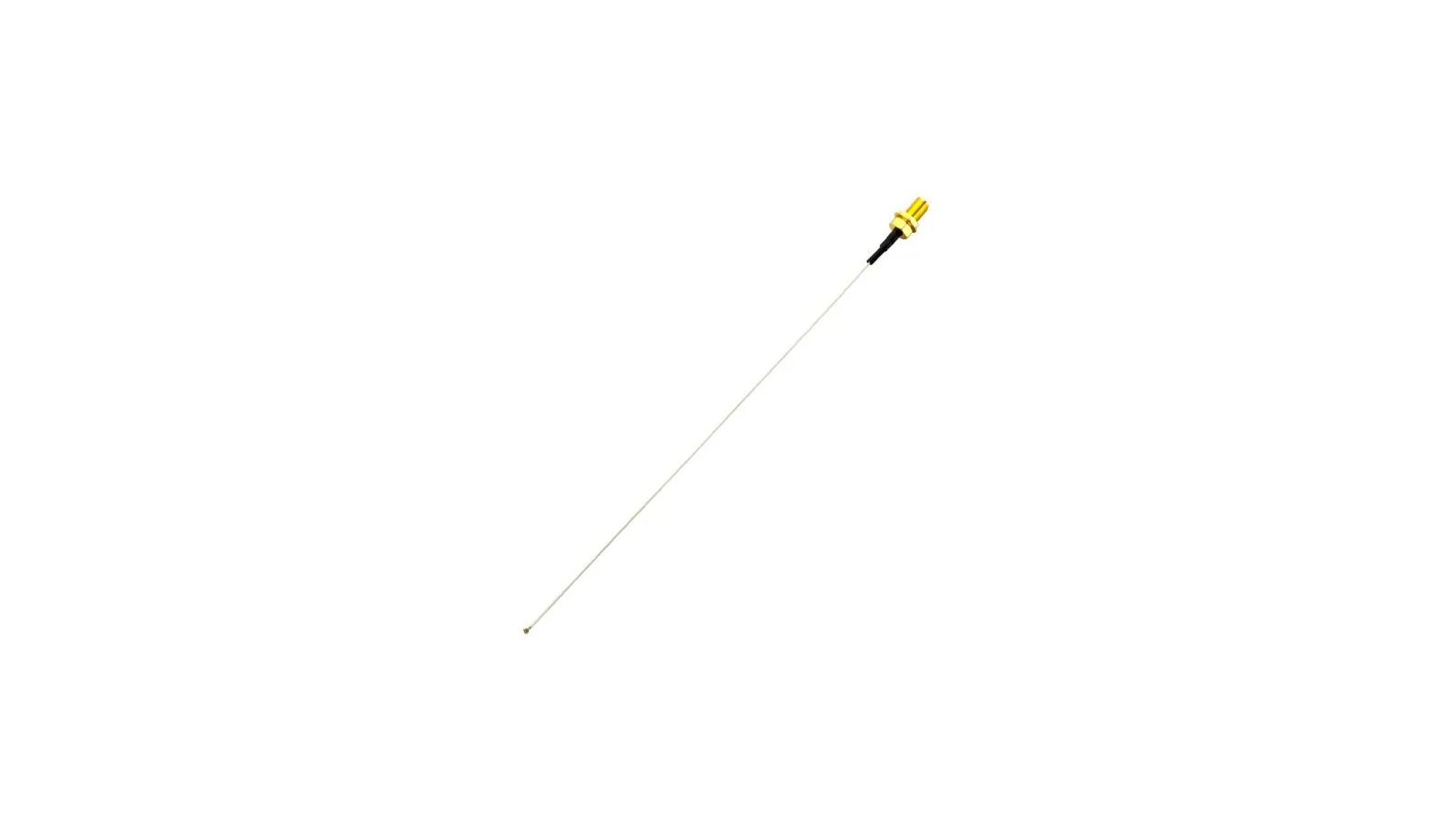
From the Coaxial Cables project.
An RF cable with an I-PEX MHF-4L plug (also compatible with Murata HSC) to a female SMA bulkhead connector, 100 mm long. Made of 1.13 mm black coax.
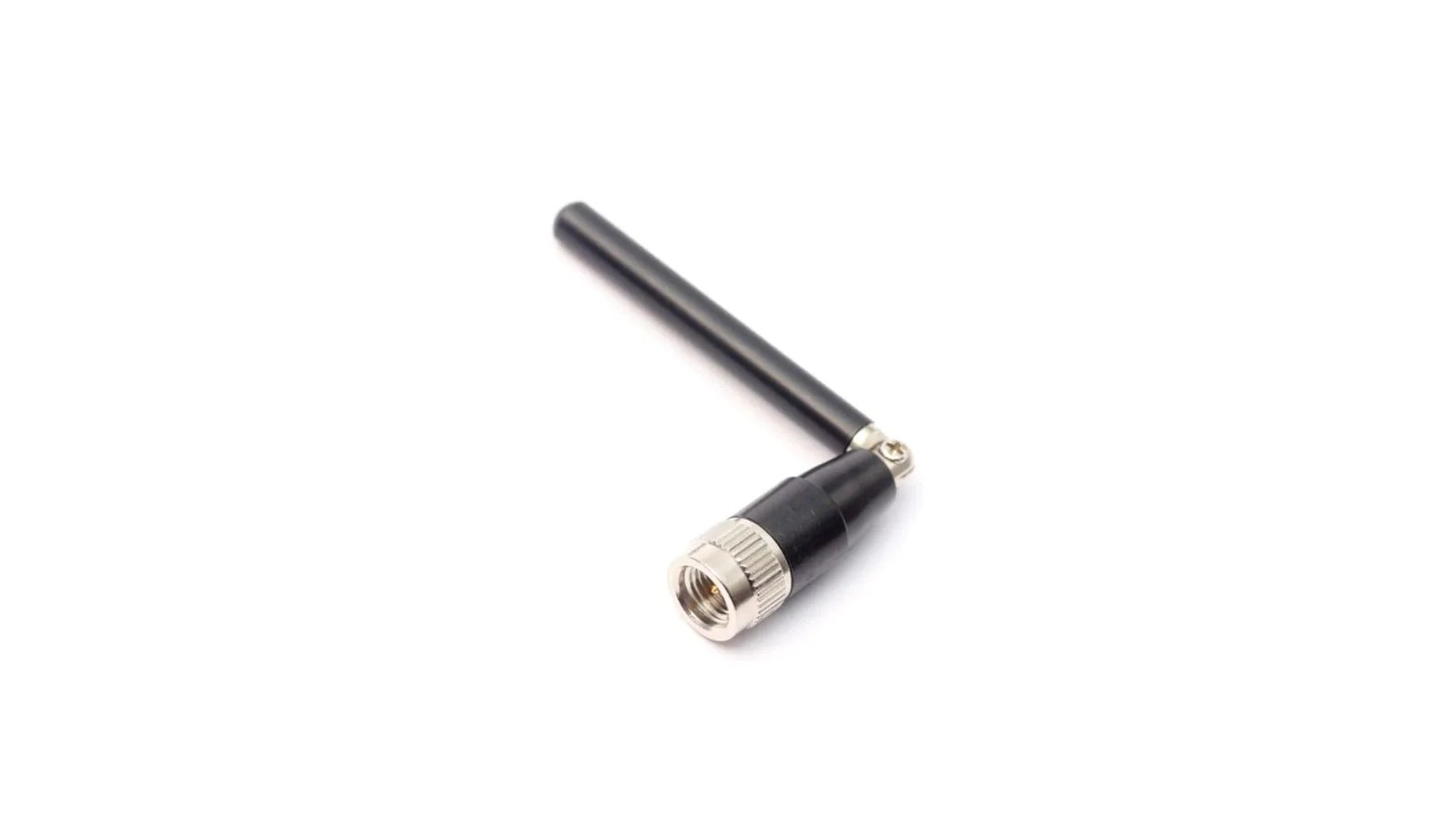
From the TG.09 Cellular Antenna project.
A TG.09 4G/3G/2G cellular hinged SMA(M) mount monopole antenna.
· limemicro.com · myriadrf · LimeMicro · limemicro
Working toward the democratization of wireless communication through an open source ideology.







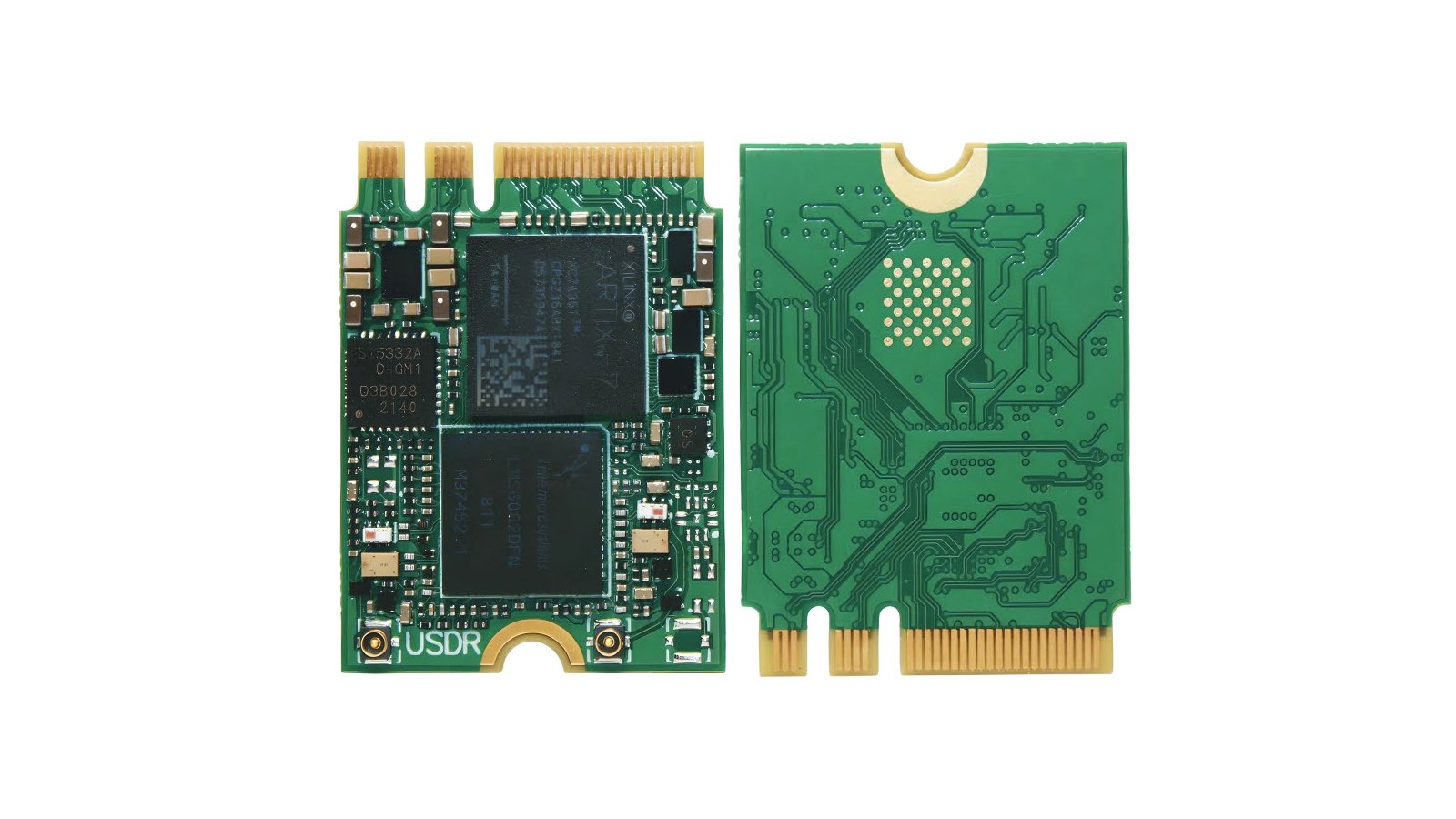
A tiny, single-sided M.2 SDR board that you can operate easily using your web browser

An open source FT2232H-based, multi-protocol, multi-voltage tool for hardware hacking
An FPGA board that fits inside your USB port