Results for 'fpga'
Newsletter Update · The Latest and Greatest from Crowd Supply
0.040
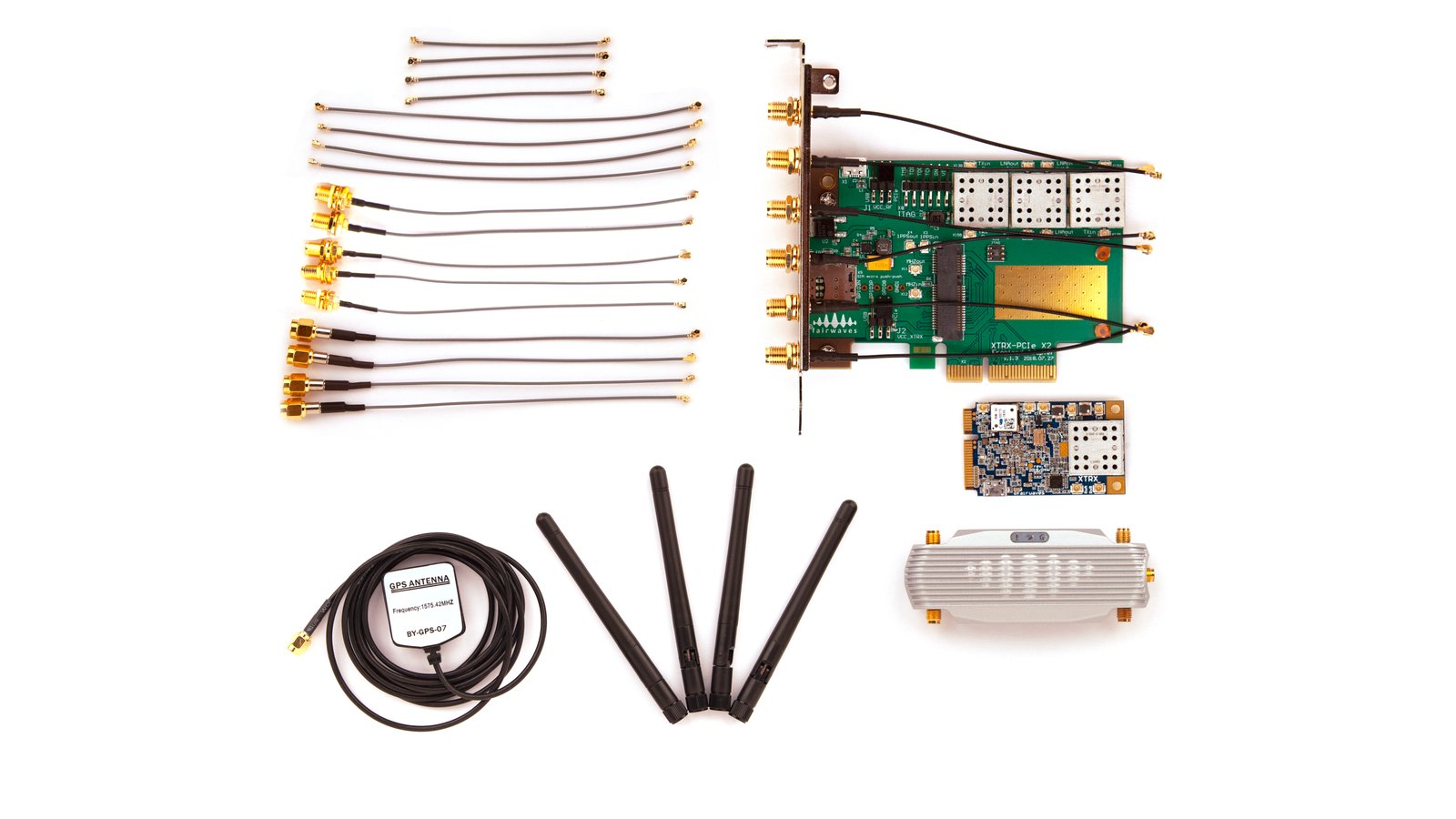
New: Somu, New: PhyWhisperer-USB, Coming Soon: UltraMiner FPGA, Field Report: OreSat, In Stock: XTRX Pro Starter Bundle
Newsletter Update · The Latest and Greatest from Crowd Supply
0.040
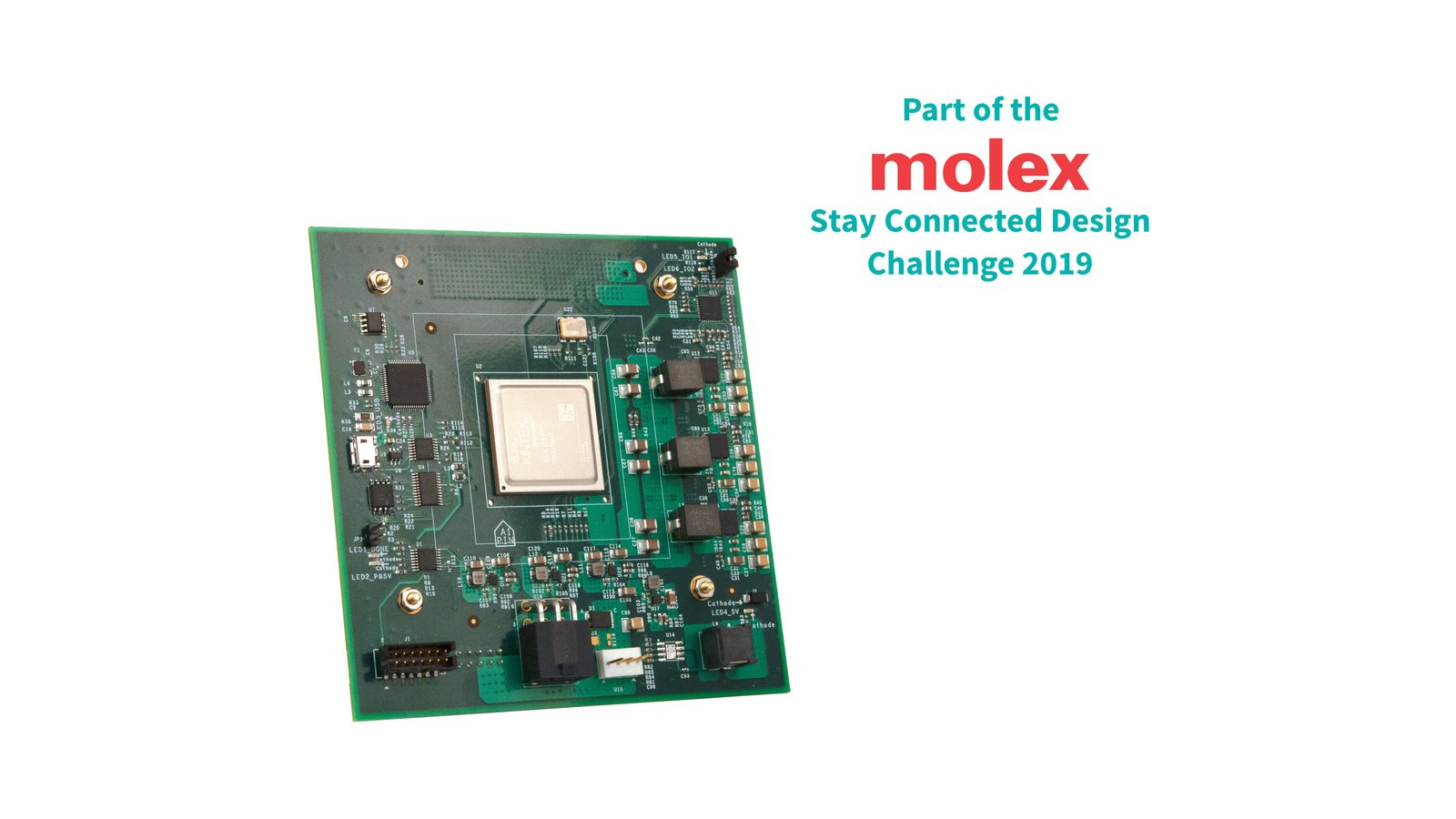
New: UltraMiner FPGA, Coming Soon: esp32MX-E, Coming Soon: SimplePnP, Coming Soon: Power H Mini v2, In-stock: Onion Omega2 LTE, Field Report: Sunrise Simulator Alarm Clock with ANAVI Light Controller, Jobs: Crowd Supply is Hiring
Project Update · USB Hub Control Jupyter Notebooks
0.040
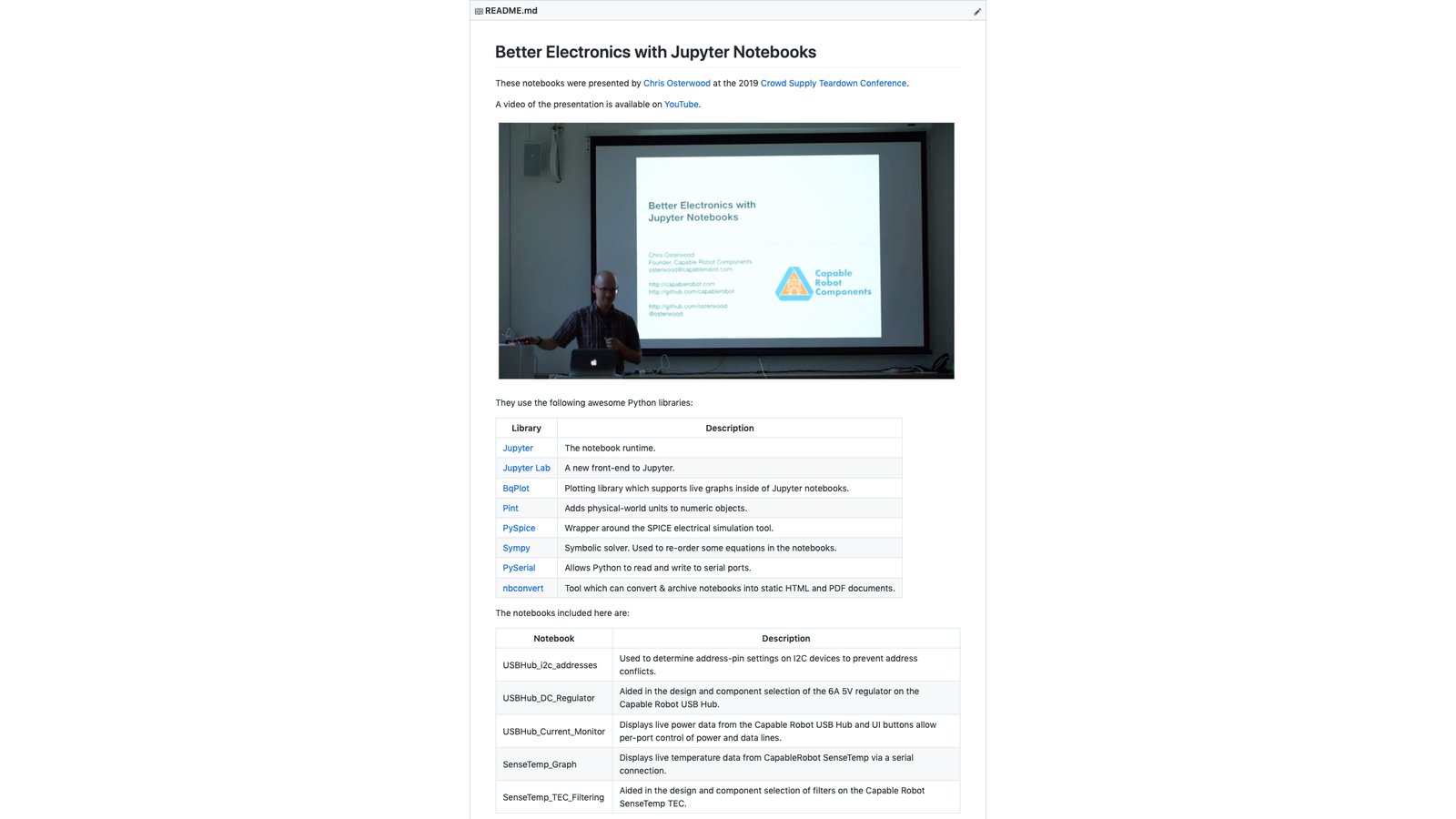
First, it's incredibly exciting to see the enthusiasm for the Hub here on Crowd Supply and at the 2019 Teardown Conference last weekend. During the conference I did a presentation on how I've used Jupyter Notebooks to aid the electrical design and testing of this product.
Newsletter Update · The Latest and Greatest from Crowd Supply
0.040
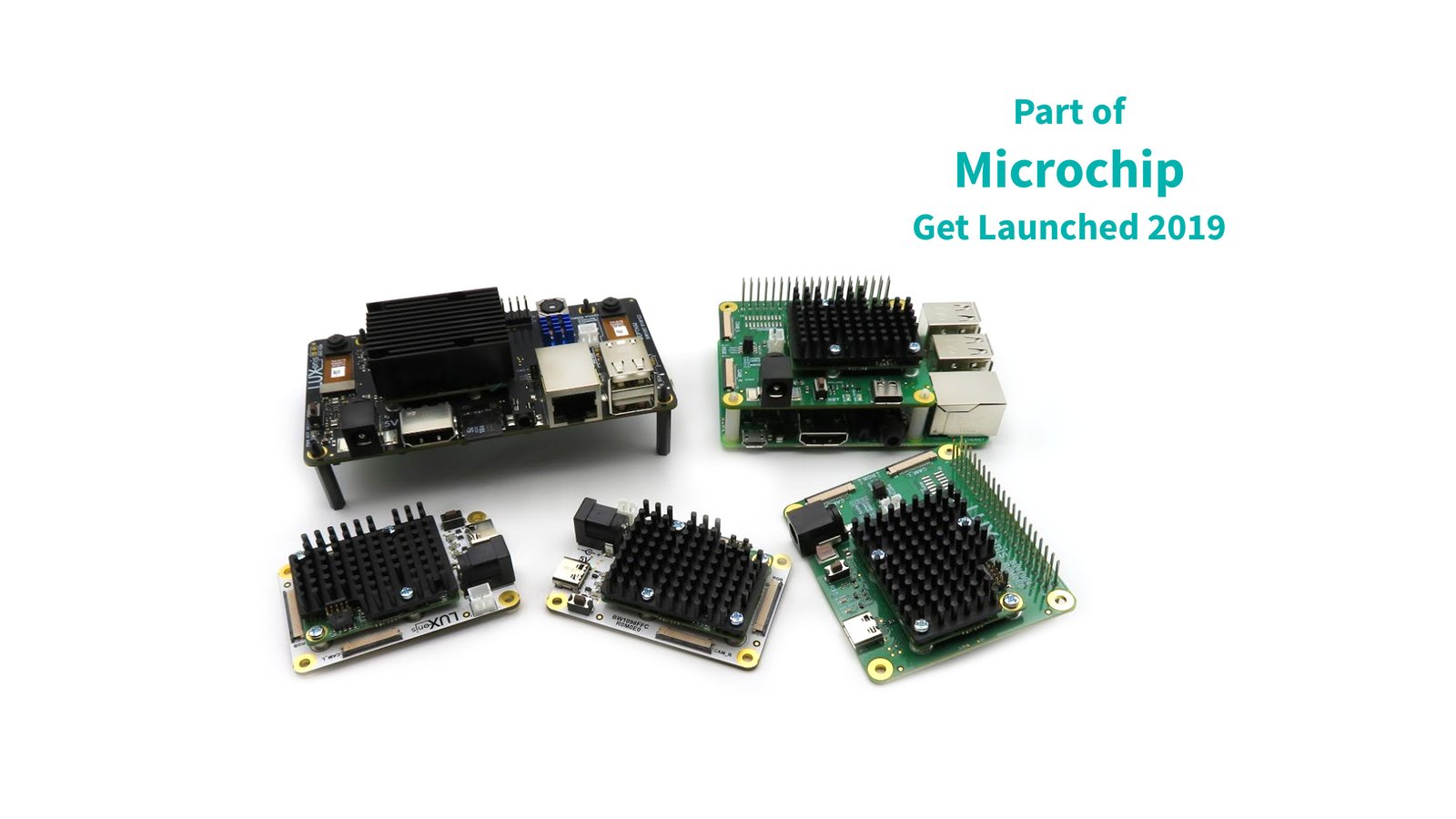
New: Dreamweaver 4N, Ending Soon: DepthAI, Coming Soon: Onion Omega2 Dash, Coming Soon: HikeBuddy, Coming Soon: Vision FPGA SoM, Field Report:, In Stock: HiFive Unleashed

Newsletter Update · The Latest and Greatest from Crowd Supply
0.040
New: DiceKeys, New: SmartLED Shield for Teensy 4, New: Vision FPGA SoM, Coming Soon: SAVVY-V, Coming Soon: 6502 Companion, In Stock: Inkplate 6, In Stock: wESP32
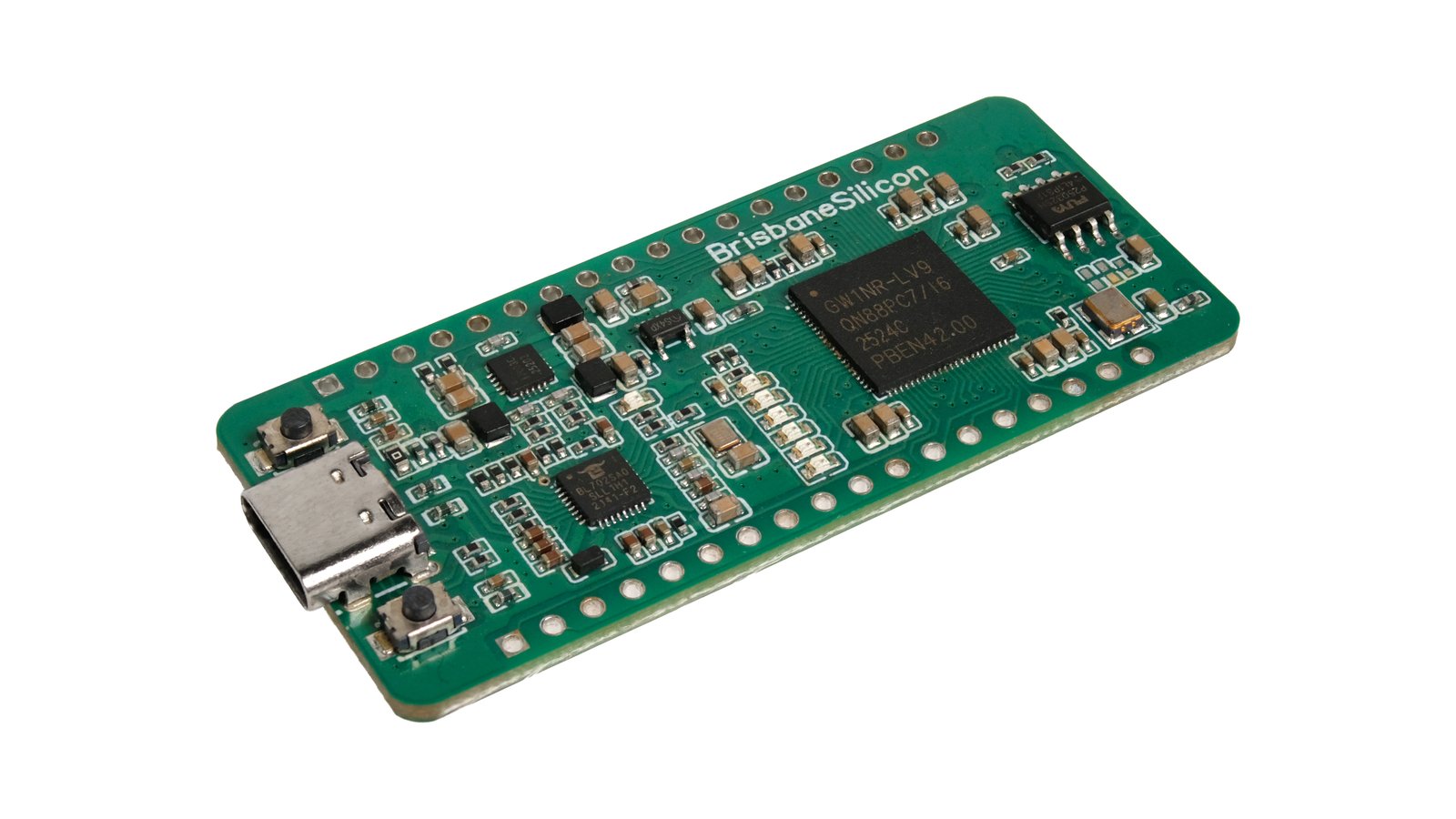
Project · ELM11-Feather
0.040
A feather-compatible microcontroller board programmable with Lua
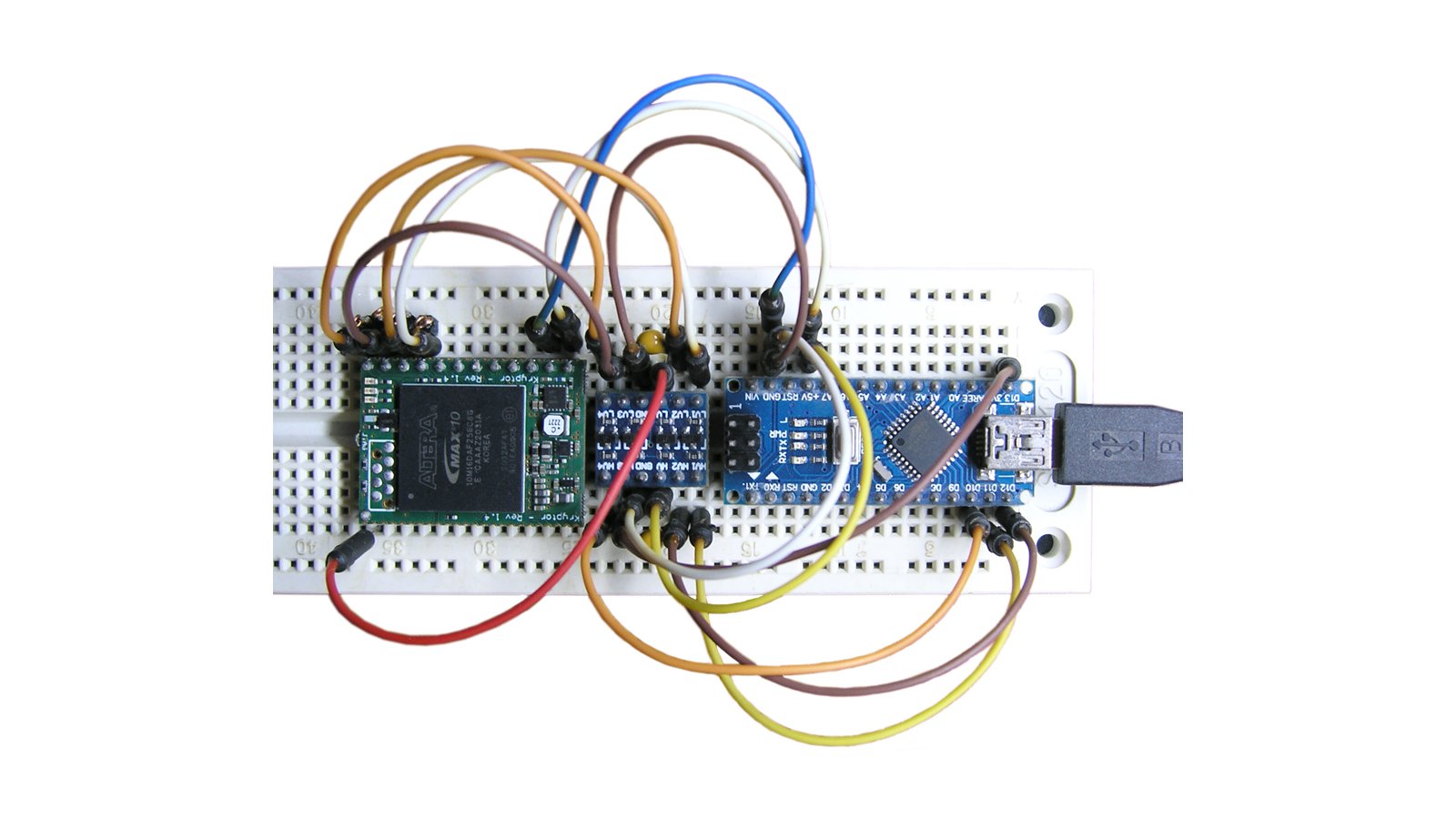
Project Update · Working With Arduino
0.040
As we have demonstrated through many of our tutorials in the last five weeks, our SKUDO Kryptor board can be easily used with Raspberry Pi boards. This week we will show you how to use SKUDO Kryptor with an Arduino Nano.

Channel Post · Teardown Session 50: Greg Steiert, Technical Marketing Manager at Altera
0.040
In this Teardown Session, Crowd Supply's Helen Leigh talks with Greg Steiert from Altera. Greg has figured out how to build a $5 drag-n-drop FPGA loader using a Raspberry Pi Pico and open-source software, and now he's working on an upgraded version.
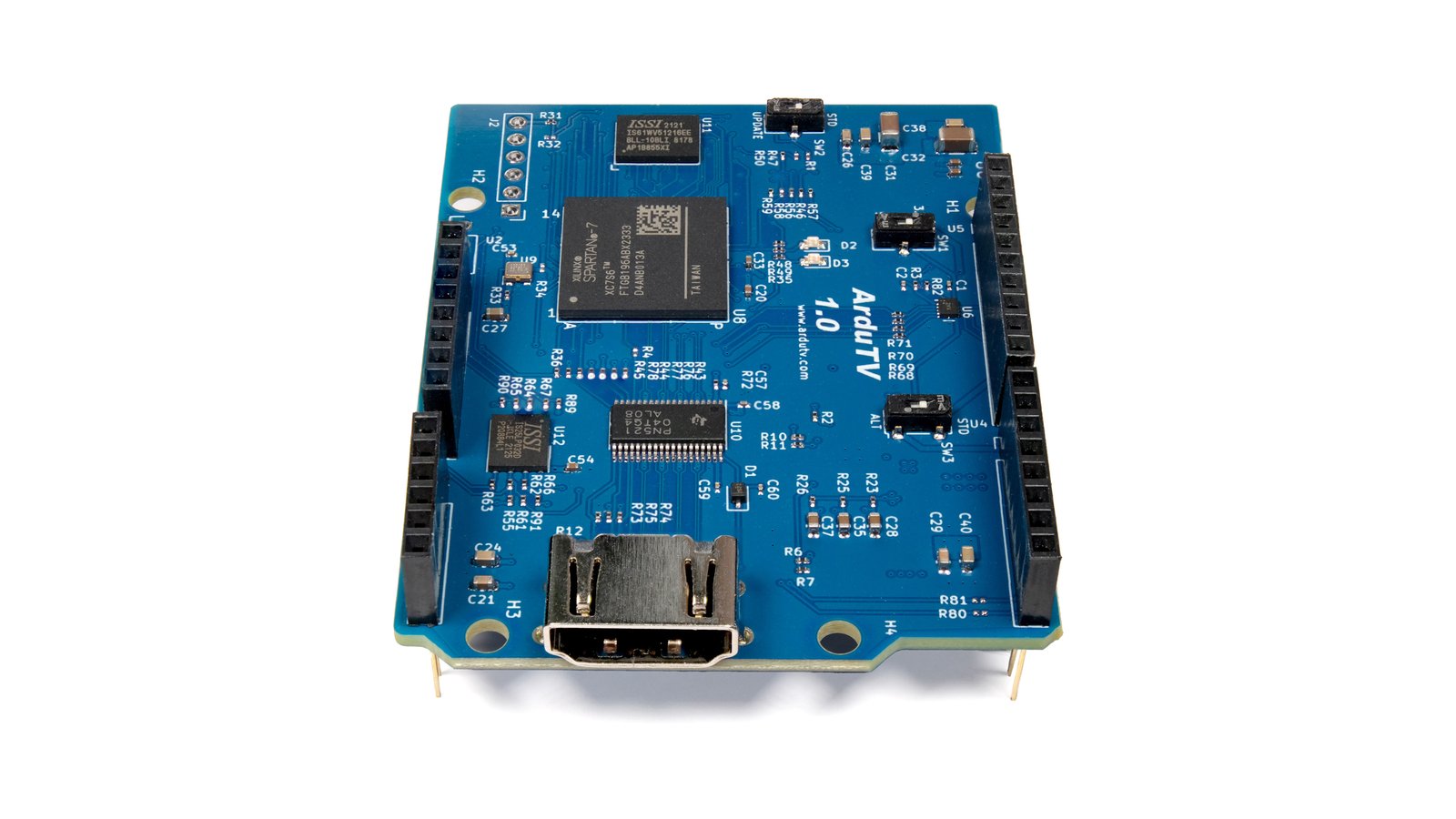
Project · ArduTV
0.040
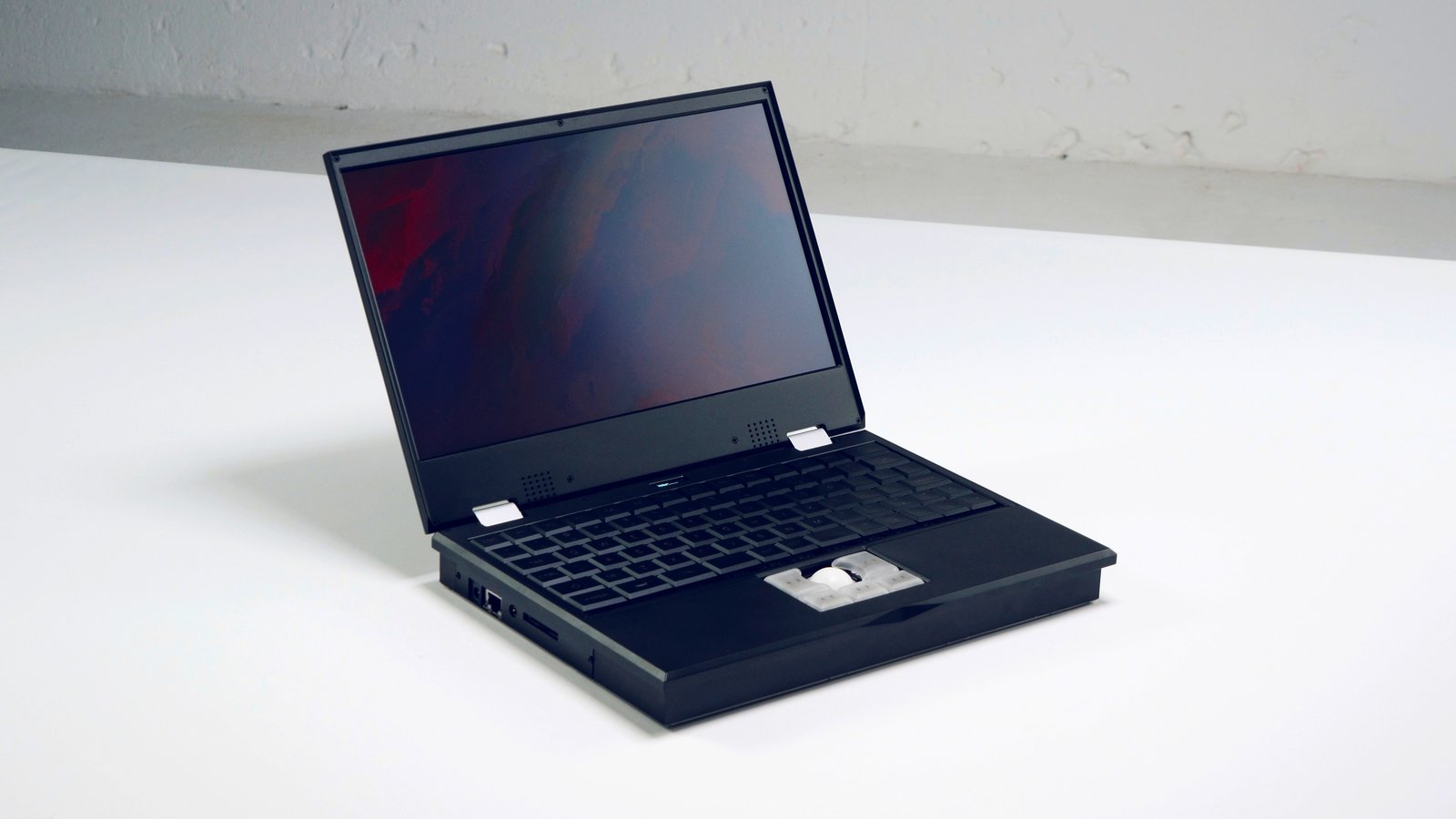
Project · MNT Reform
0.040
The open source DIY laptop for hacking, customization, and privacy
Project Update · A Demonstration of Direct & DMA Access to our LSRAM & DDR4 Memory
0.040
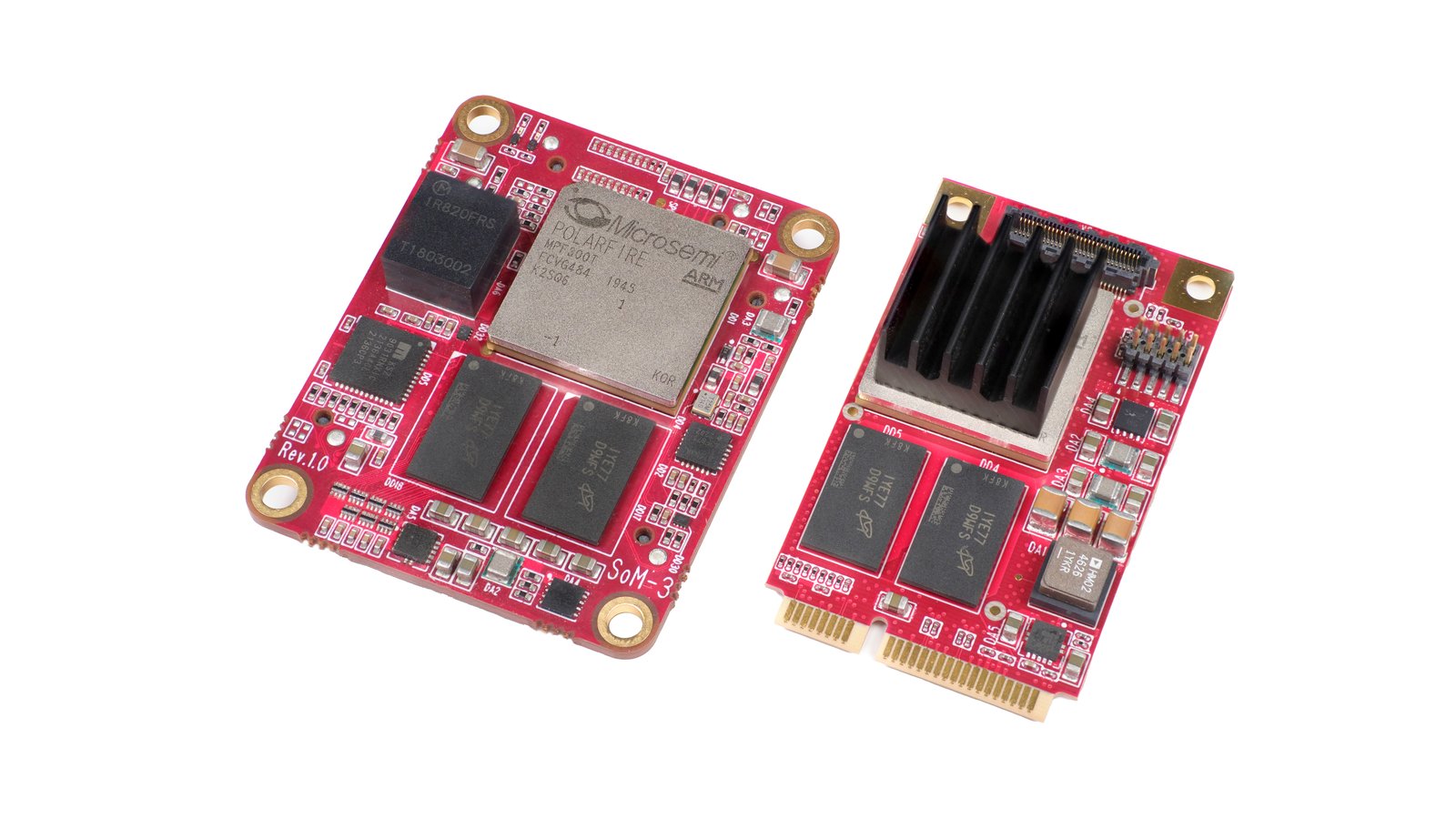
We're excited to announce the final milestone in our commitment to open sourcing the TinyBeast design and its associated firmware and software. The simple application described in this update demonstrates direct and DMA access to TinyBeast's LSRAM and DDR4 memory.
Project Update · Software Fixes and New Features
0.040
Hello supporters and backers.
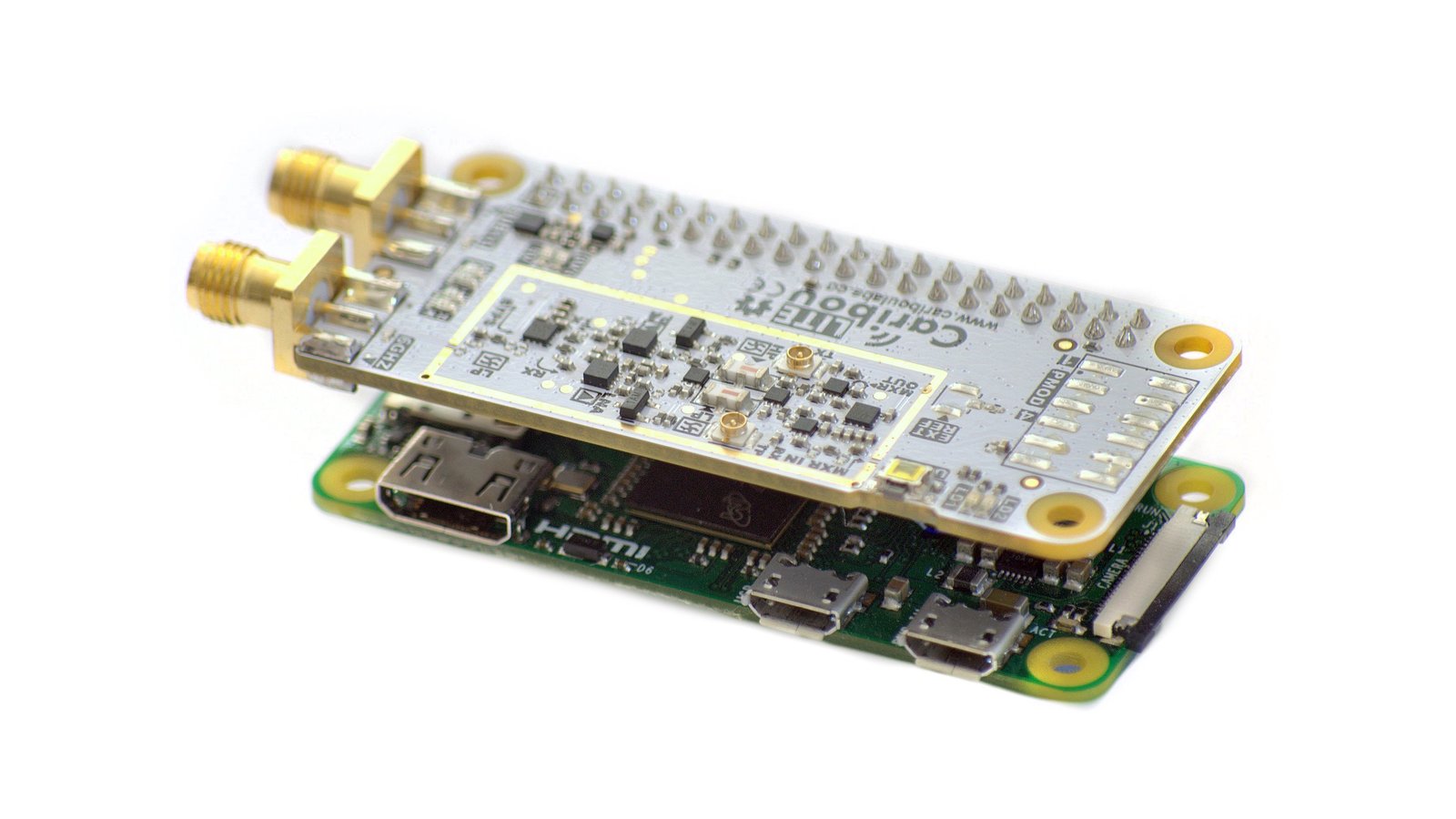
After too long of a silence following the first production batch fulfillment, we are back to public firmware/software issue-solving, feature additions, and the next production batch.

Project Update · The Fomu Campaign is Now Live
0.040
With our new project, Fomu, we want to replicate the same ease-of-use as Tomu, but with a more advanced FPGA board. Meet Fomu and help us put an FPGA in every USB port!
Newsletter Update · The Latest and Greatest from Crowd Supply
0.040
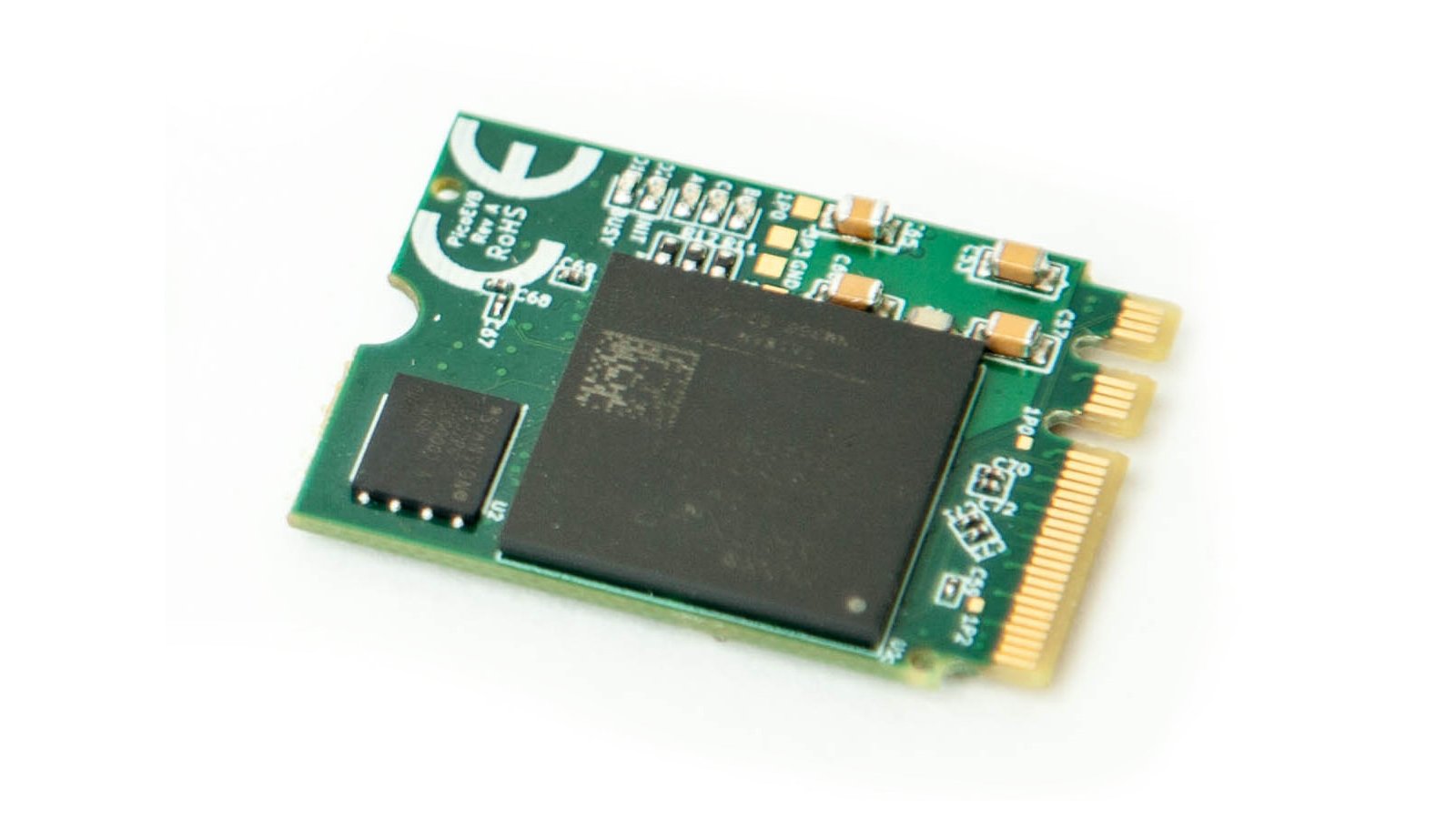
Project Updates: Airpup, Coming Soon: Tomu FPGA, Coming Soon: Spectra, Coming Soon: ArduPiSHIELD, In-stock: PicoEVB
Newsletter Update · The Latest and Greatest from Crowd Supply
0.040
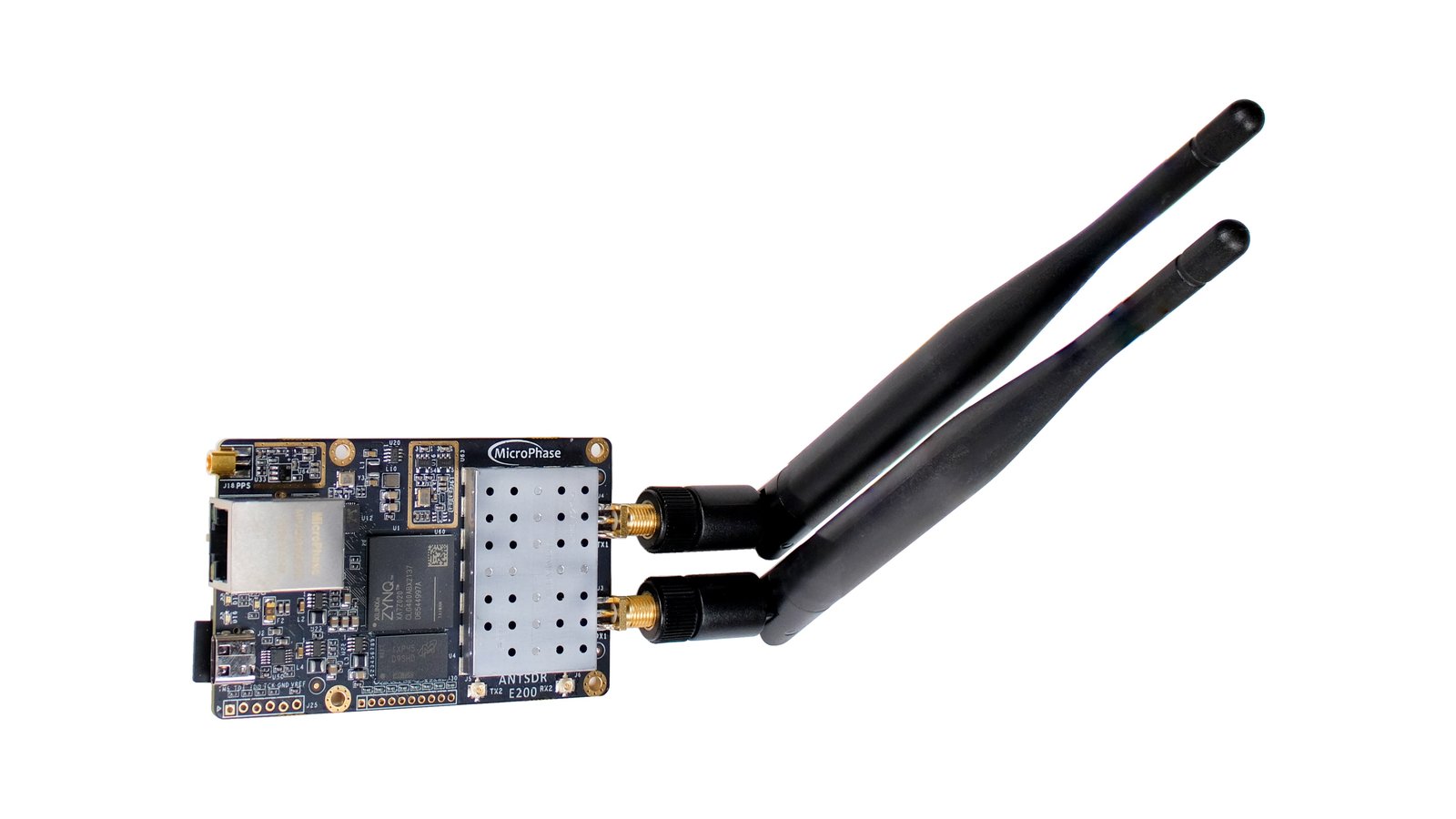
New: AntSDR E200, Coming Soon: Milk-V Pioneer, uSDR, ANAVI Macro Pad 12 & Arrows, In Stock: Home Assistant Yellow, DAQiFi Nyquist 1, FireAnt, Tomu, Update Roundup: HealthyPi 5, Precursor, ULX4M, Pixel Pump, unsurv offline, EsPiFF
Project Update · Answering Your Questions
0.040
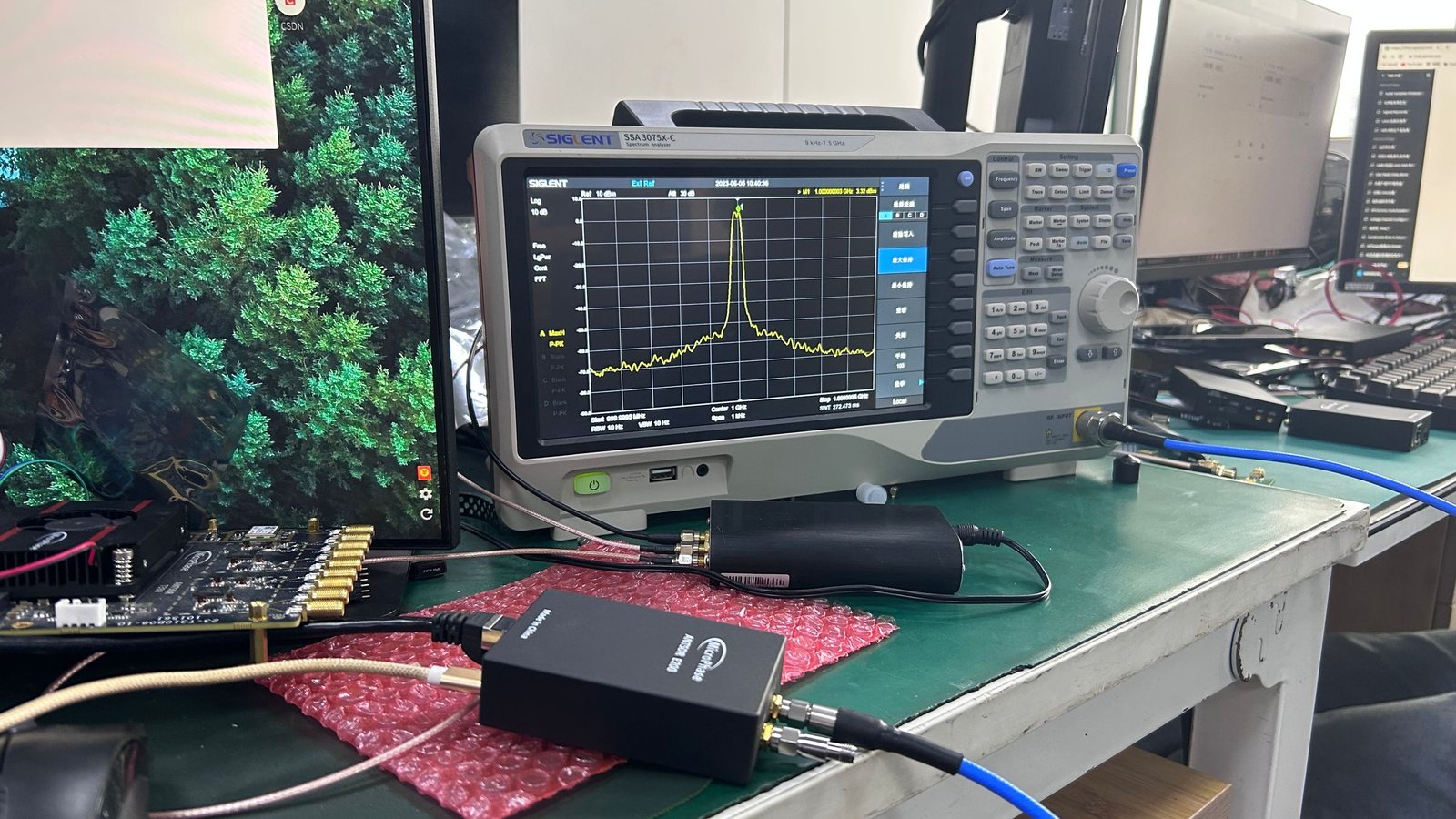
Q&A based on our most asked questions: frequency accuracy, FPGA resources, APIs, IIO, etc.
Project Update · Our Campaign is Live!
0.040
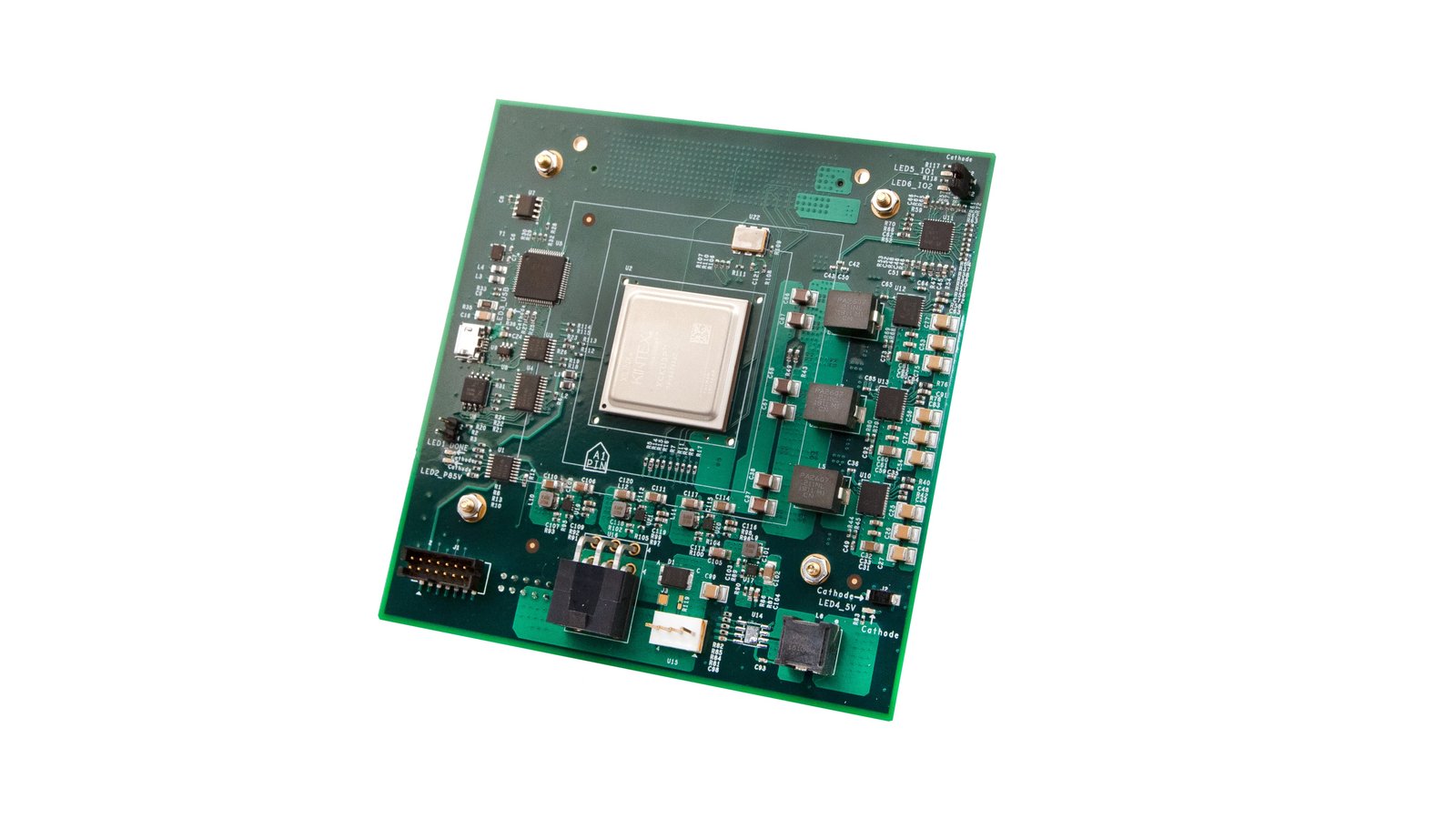
After many months of development and a long wait, we are thrilled to announce the launch of our Crowd Supply campaign!
UltraMiner is the first affordable, open-source FPGA development board powered by the latest Xilinx Kintex UltraScale+ FPGA. It ships with open-source cryptocurrency mining software, including pre-compiled bitstream files that work out-of-the-box with many popular cryptocurrencies. We also offer a Developer Version of the board – with PCIe support and additional IOs – that is perfect for prototyping high performance designs related to cryptography, software-defined radio, and machine learning.
Project Update · Field Report: A bit pattern generator aligned with the SDR data stream
0.040
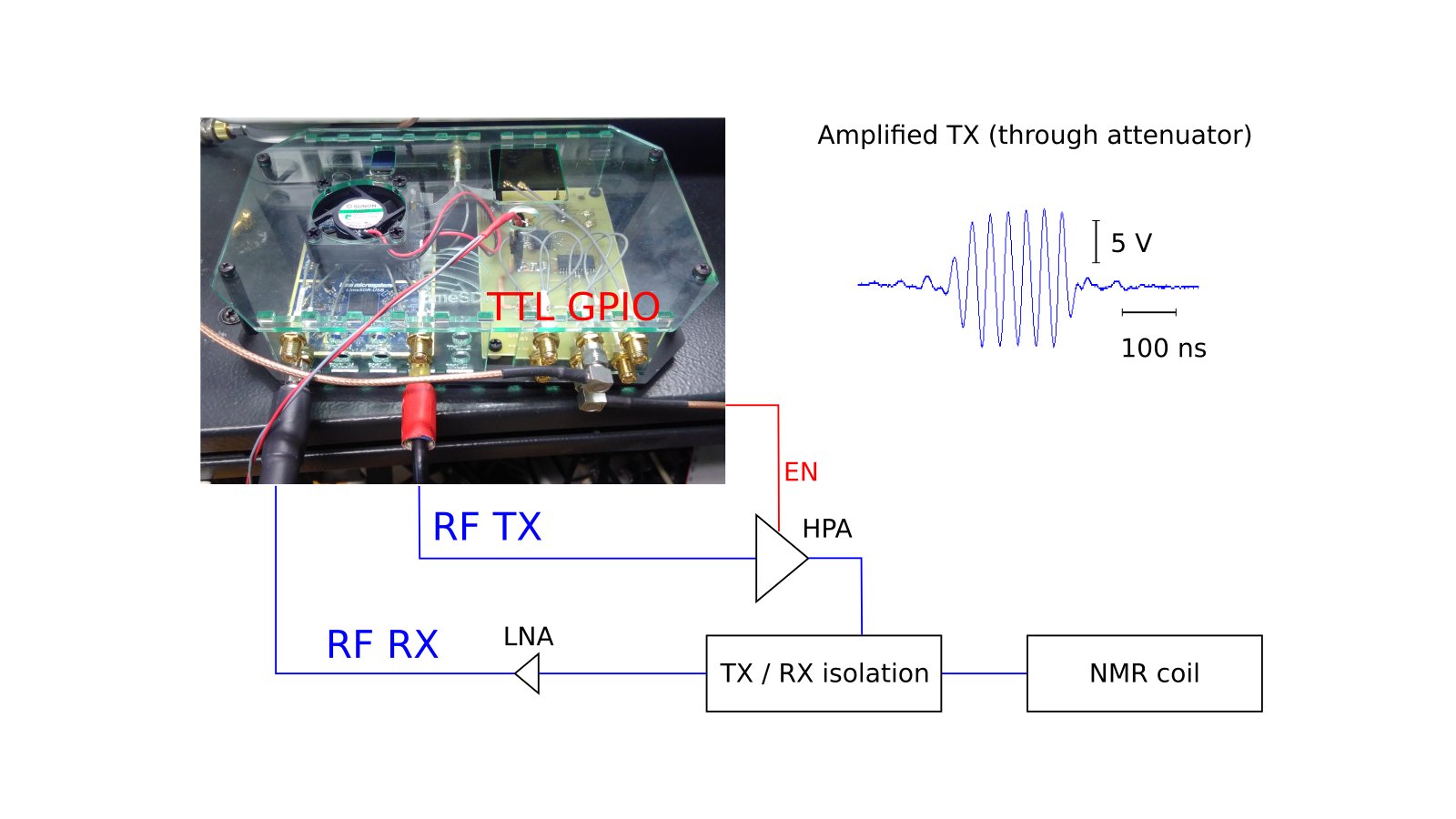
Learn how to synchronize a LimeSDR with an external data stream for experimentation, development, and testing.
Project Update · The Case for Embedding FPGAs in MCUs
0.040
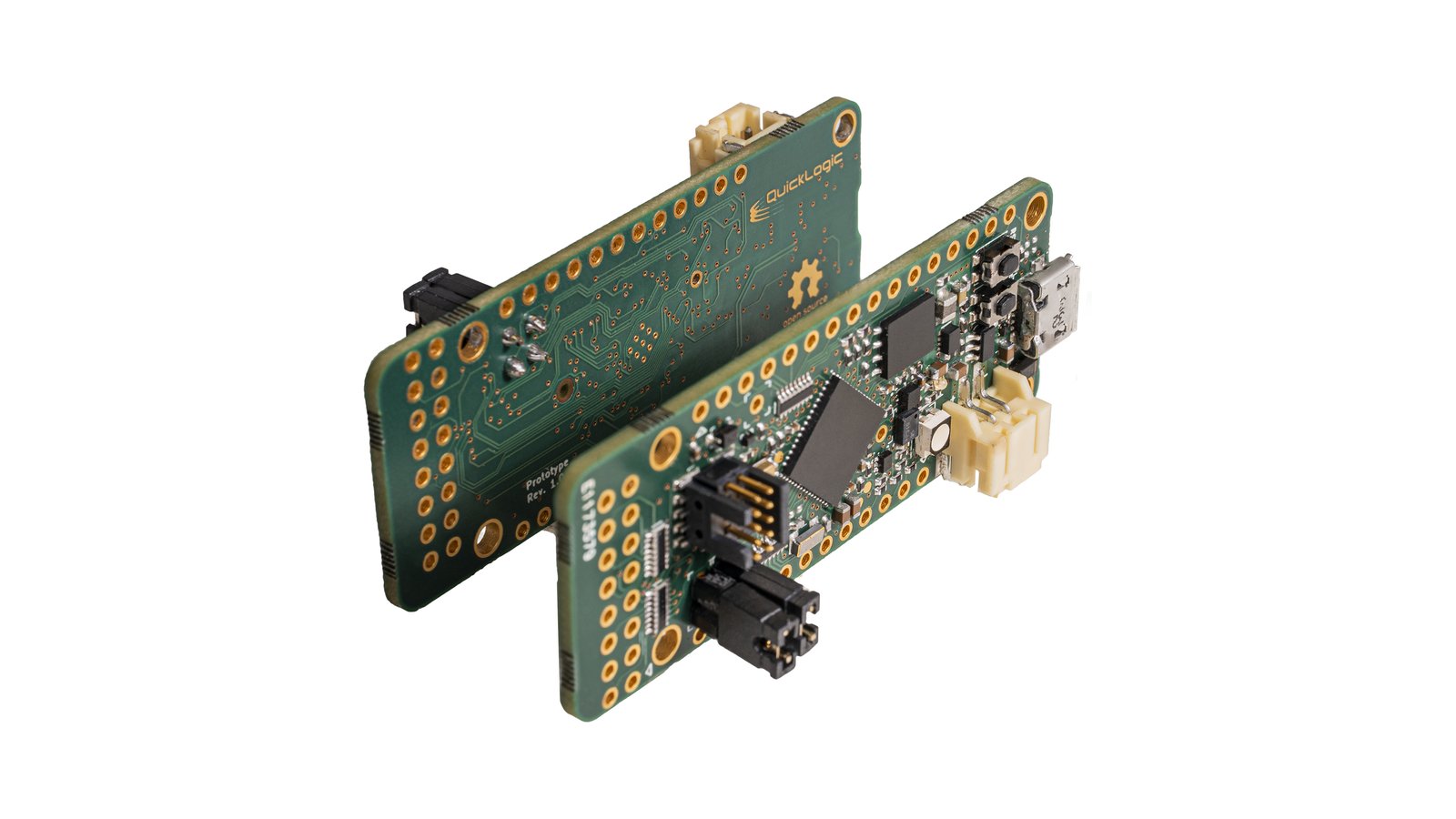
Since we launched the QuickFeather campaign one week ago, we've received some thought-provoking questions on why we architected our EOS S3 device to include both a Arm Cortex M4 MCU and an embedded FPGA (eFPGA).
Project · DE0-Nano
0.040