Results for 'qwiic'
Project Update · Our Campaign is Now Live!
0.010
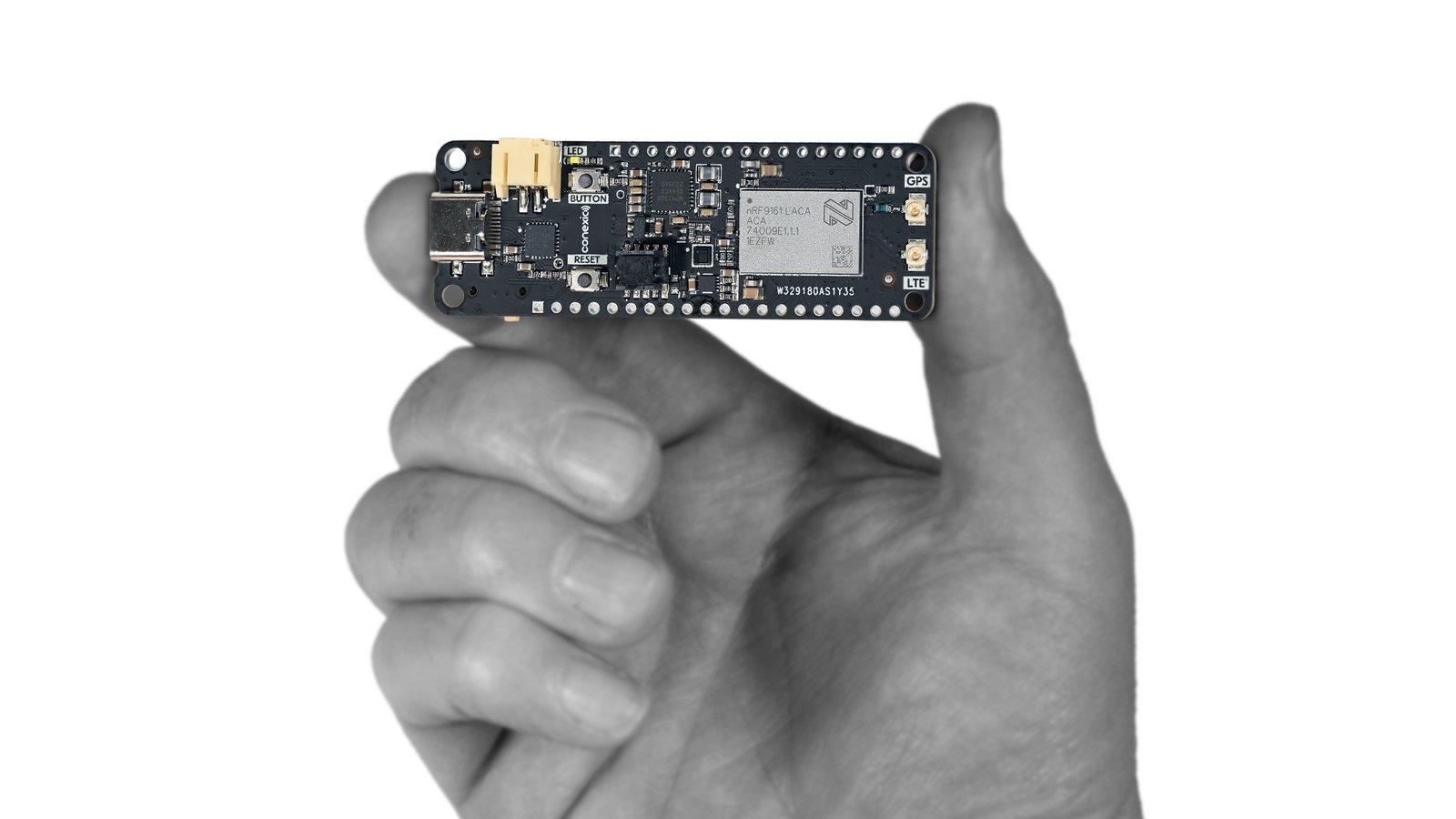
Learn about our simple cellular-connected IoT solutions
Project Update · Machine-Learning Demo
0.010
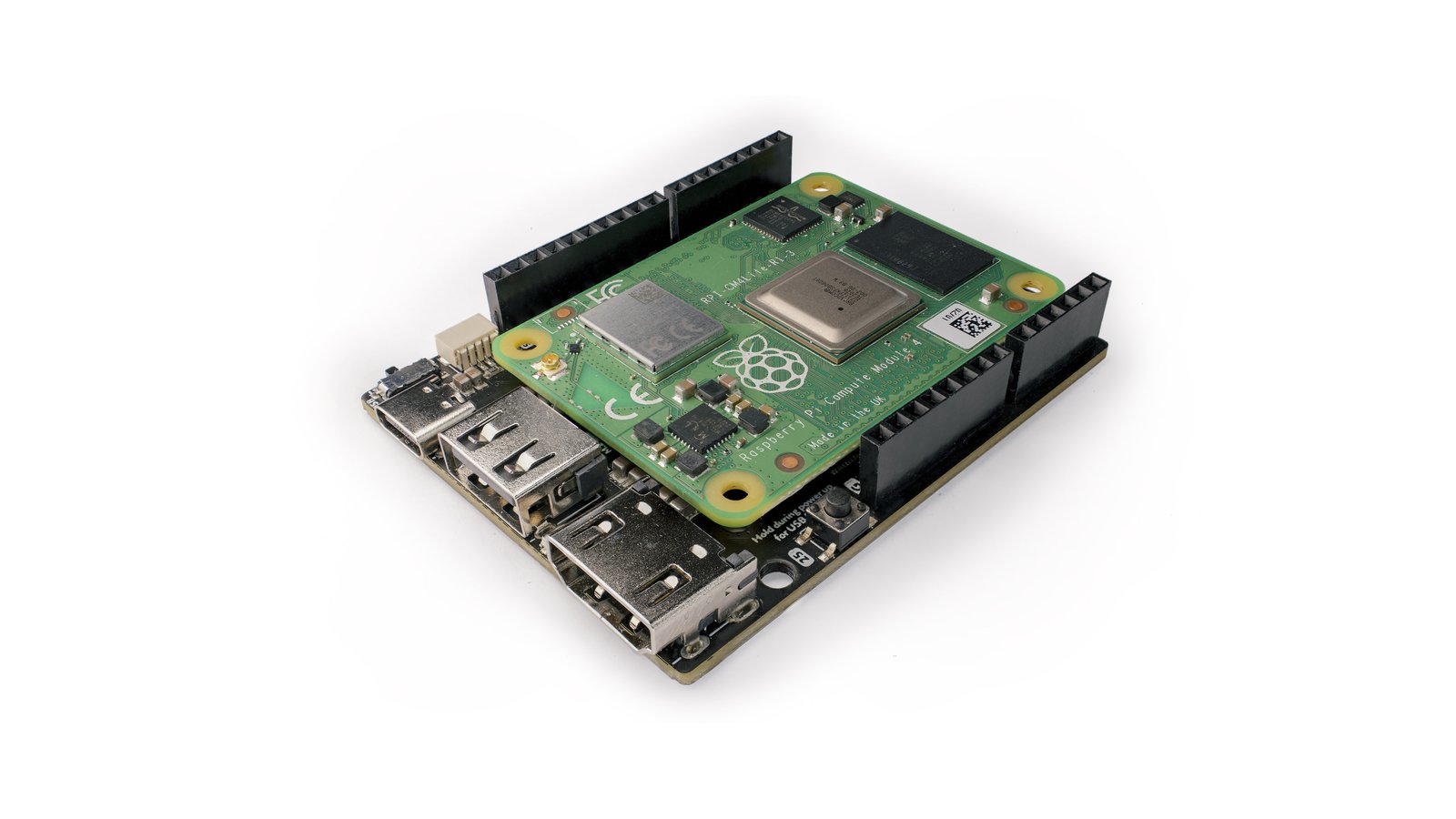
In this update I want to show you how easy it is to create custom machine learning models for your Piunora using tools like Edge Impulse. Edge Impulse recently added support for the Raspberry Pi 4 and, along with it, the Compute Module 4. In fact, you don't need anything but your Piunora for the entire workflow covered in this update!
Newsletter Update · Tiny KVMs, spying on LEDs, retro emulation, and more - the latest and greatest from Crowd Supply
0.010
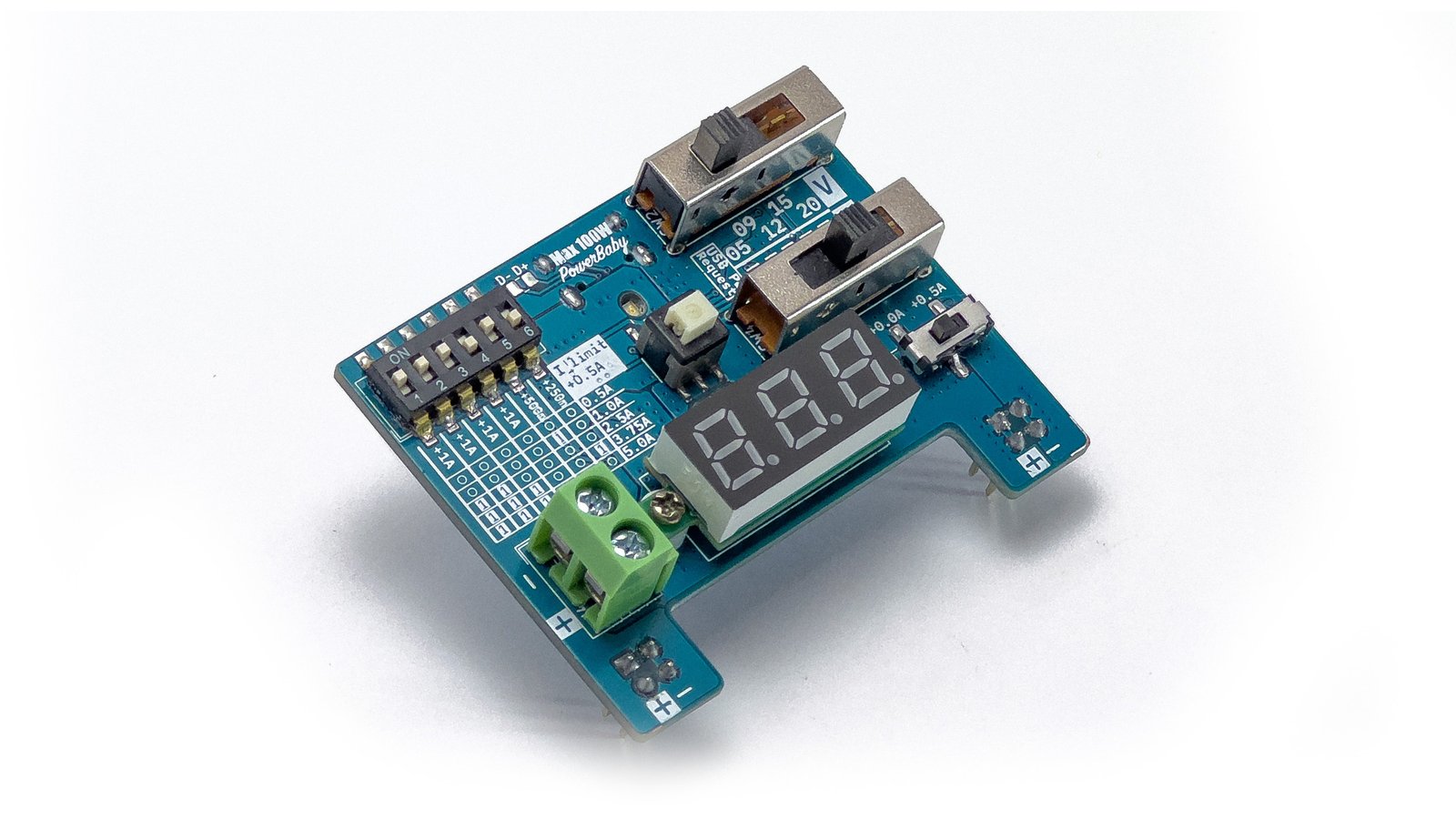
New: Omnimo nRF52840, Game Bub, PwrTool 500, RK3588 AI Module7, MNT Reform RCORE V2 with RK3588; Coming Soon: PowerBaby-100, Openterface KVM-GO; In Stock: LimeNET Micro 2.0 Developer Edition, Cynthion, OpticSpy, CrowVision;
Project Update · Using the IMU Sensor to Track Wrist Movement
0.010
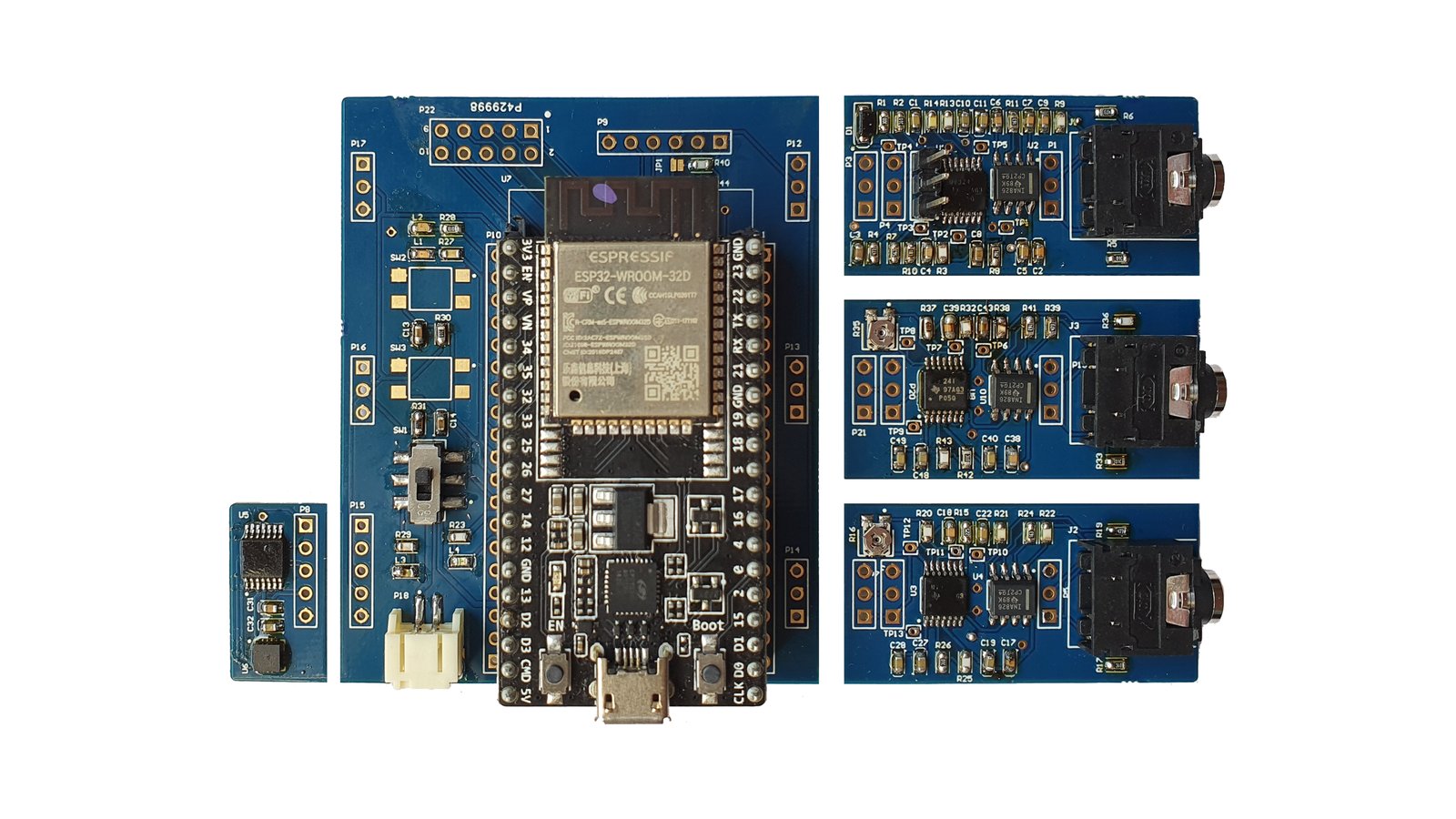
An inertial measurement unit (IMU) is used to measure specific force, angular rate and orientation of the body. An IMU has a wide range of applications especially in Inertial navigation systems, like mobile robots, unmanned aerial vehicles, and VR headsets. With the following example, we will use the E3K IMU sensor to detect motion of the wrist with respect to the forearm.
Project Update · Exploring Practical Use Cases
0.010
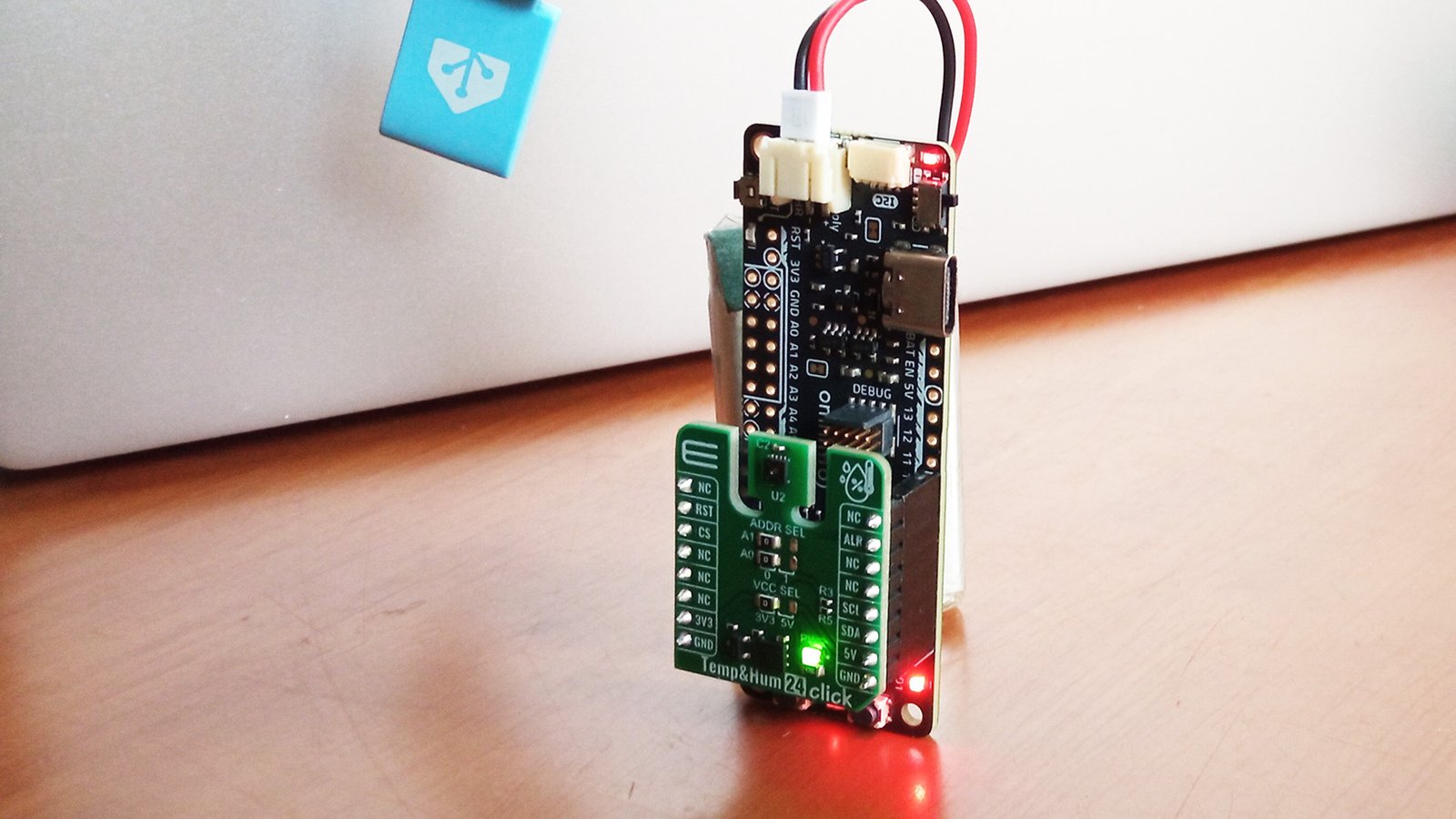
One of the main goals behind [Omnimo nRF52840](https://www.crowdsupply.com/eafaq/omnimo-nrf52840) is to provide a compact and adaptable platform that works across different domains. To show what this means in practice, here are three different applications where Omnimo nRF52840 has already been put to the test.
Project · Q8botOne
0.010
Project · Ubo Pod
0.010
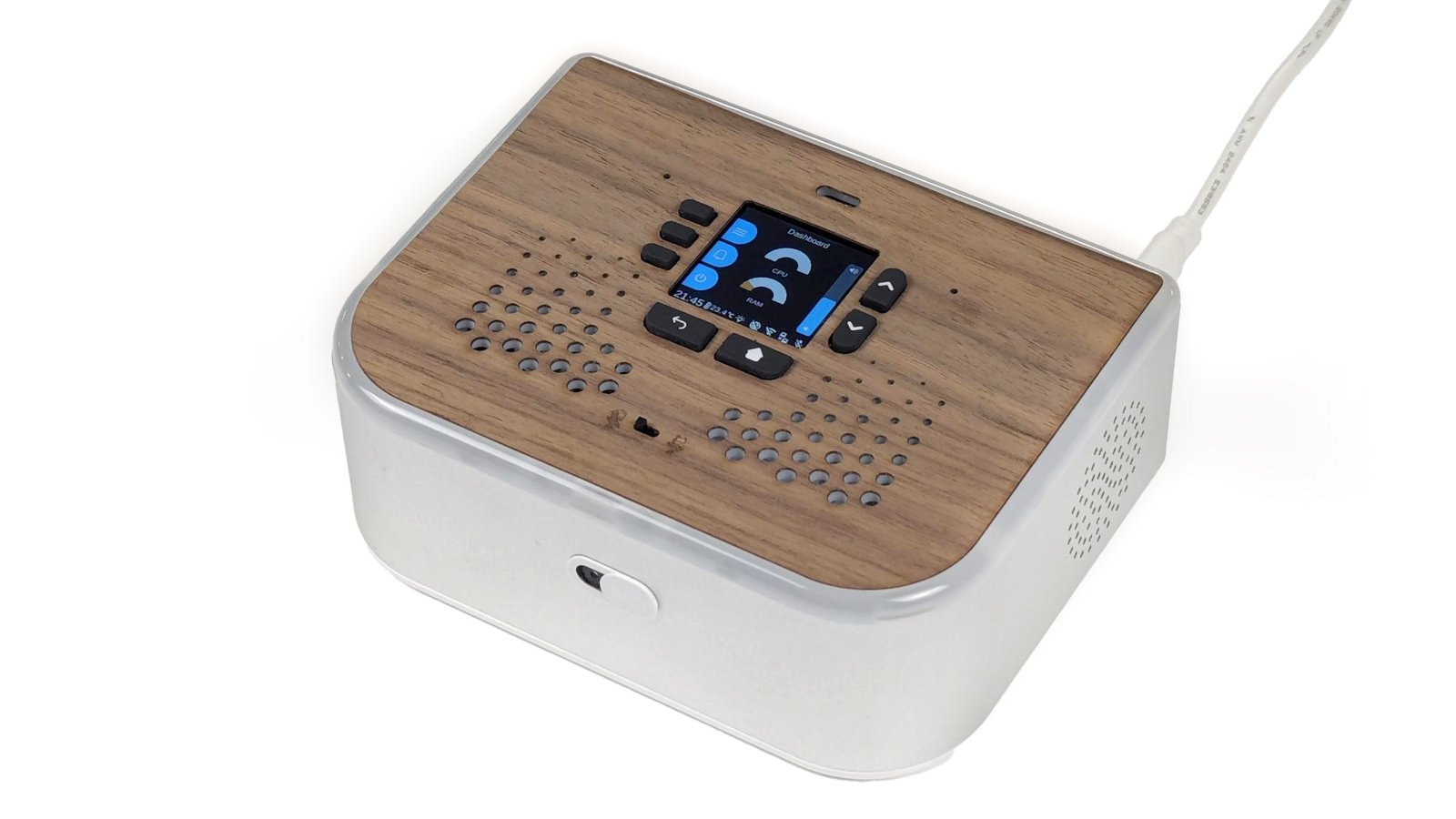
Build your Raspberry Pi interface with our customizable platform.
Project Update · How to use E3K DCPU and Sensors
0.010
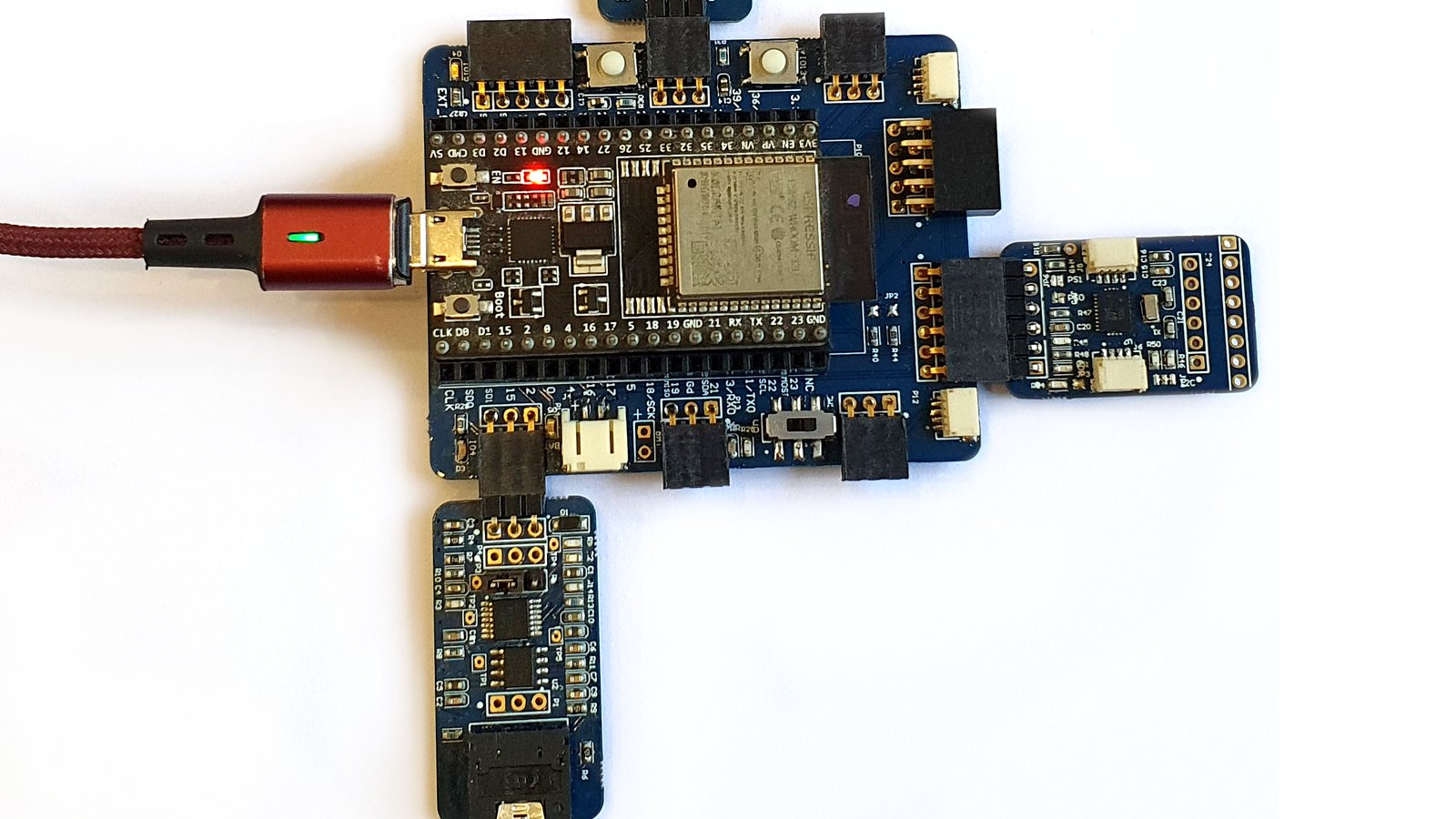
This update will cover how to set up your E3K platform. E3K is a framework of biosensors bundled together for your immediate and easy usage. One can develop a project or prototype easily using this platform.
Newsletter Update · The Latest and Greatest from Crowd Supply
0.010
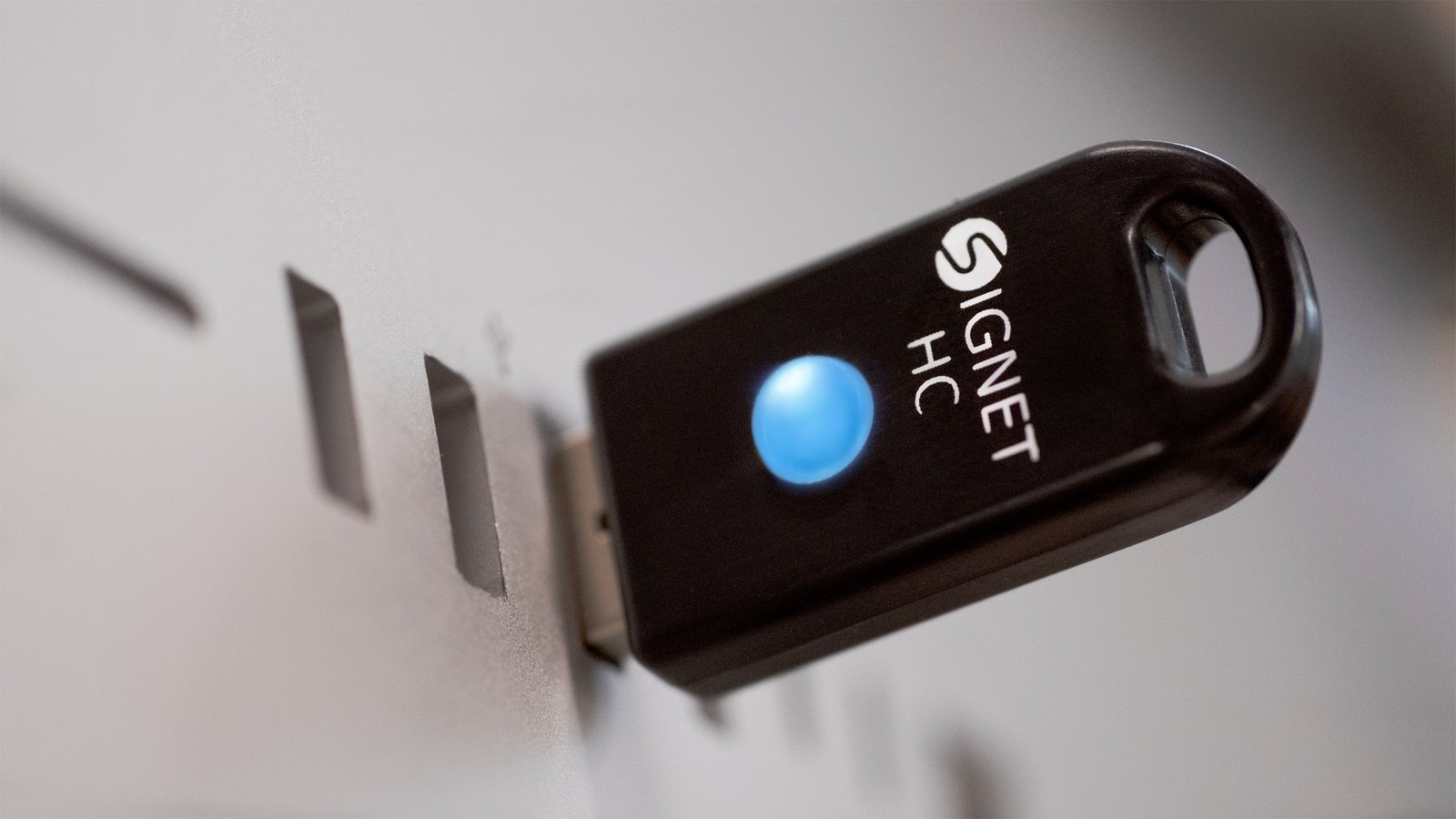
New: Signet High-capacity, New: HEGduino, Coming Soon: XCOM, Coming Soon: I²CMini, Field Reports: StereoPi, In Stock: PowMeter Shield Nano
Newsletter Update · The Latest and Greatest from Crowd Supply
0.010
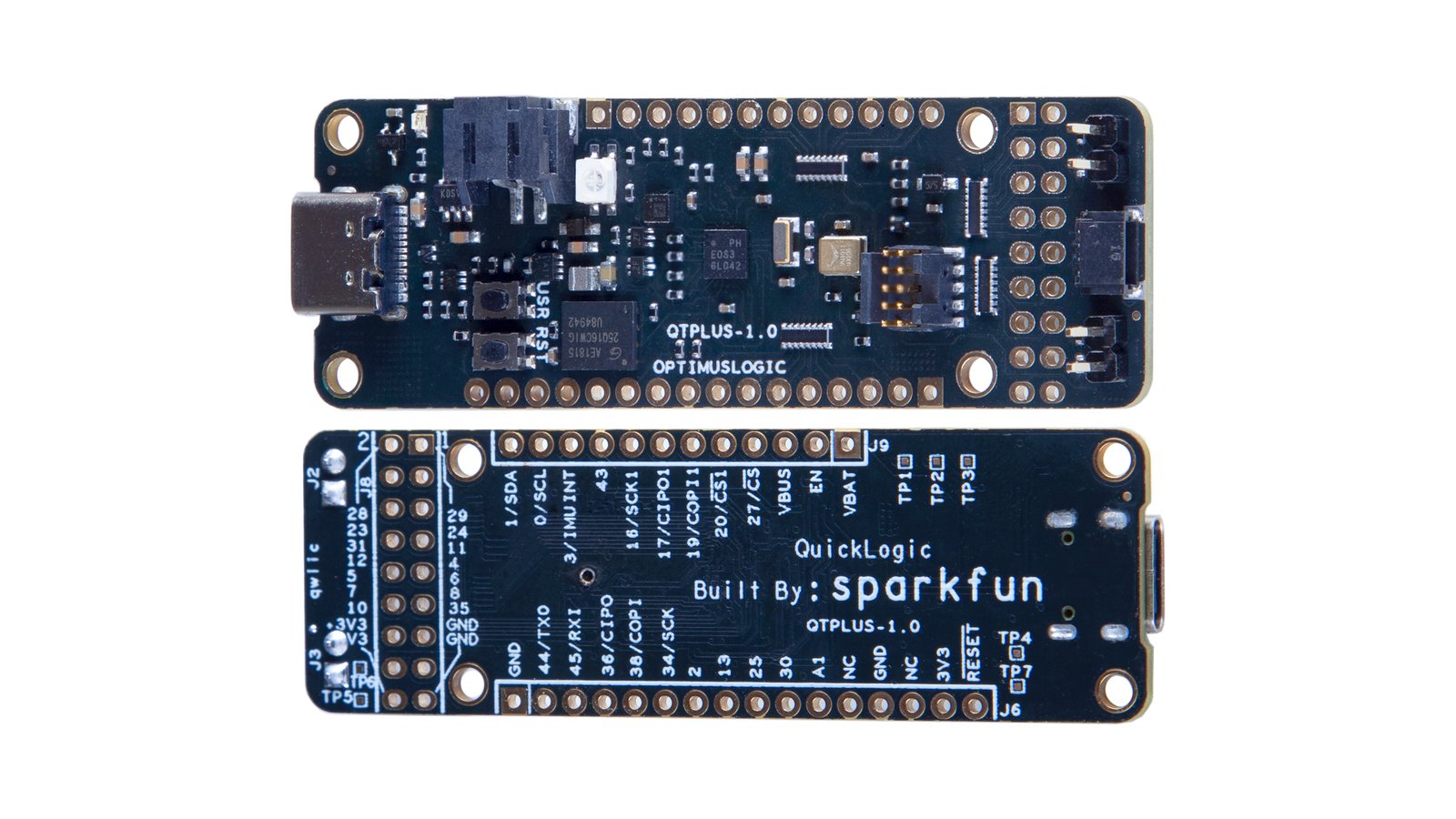
New: SparkFun Thing Plus - QuickLogic EOS S3, Eduponics Mini, Coming Soon: NetSoM, ATtiny Flasher, Project Update Roundup: microByte, Onion Tau LiDAR Camera, Glasgow Interface Explorer, Pebble Tracker, In Stock: Gameduino 3X Dazzler, Somu
Project Update · Review on HackSpace!
0.010
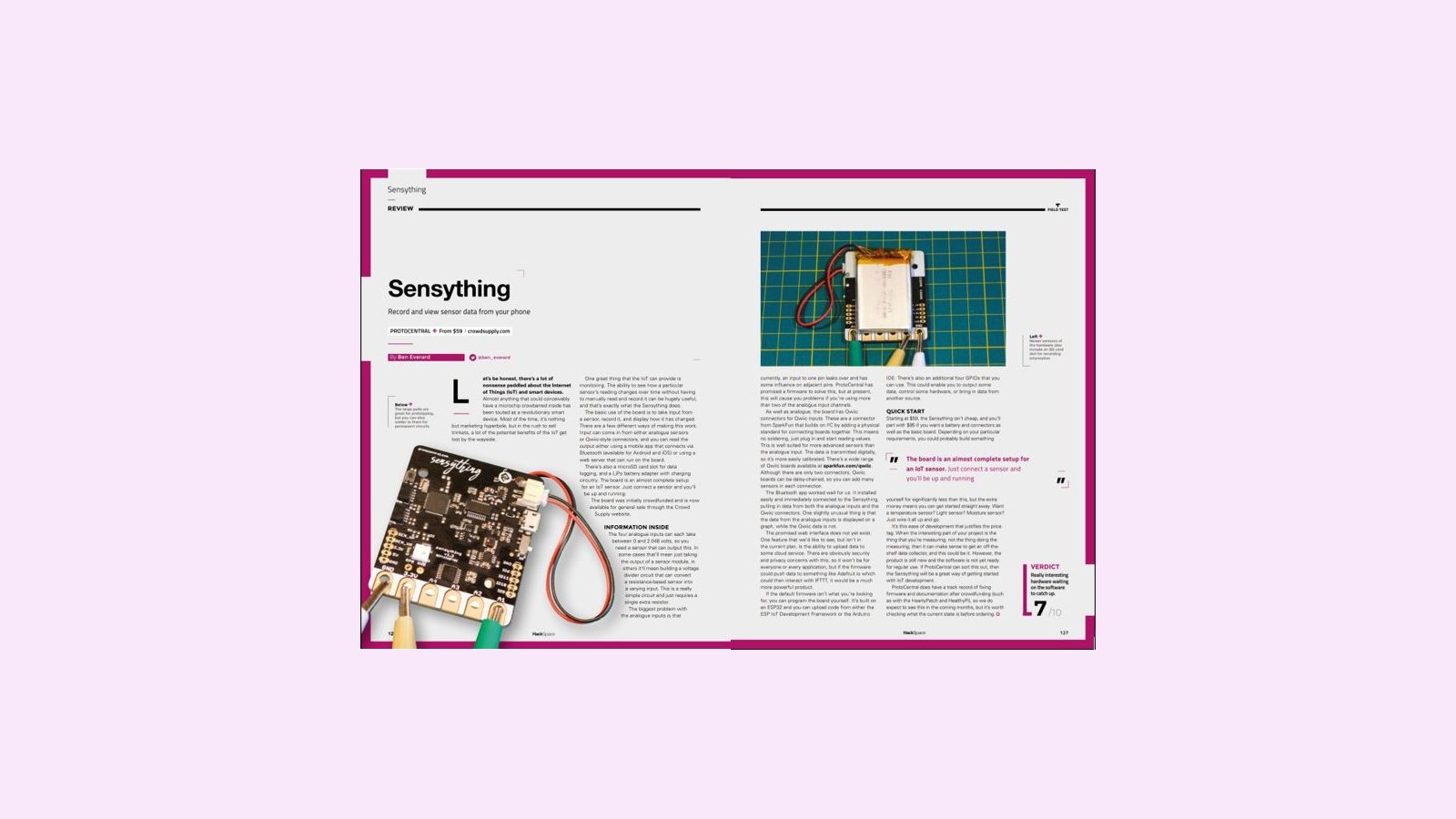
We have some great news! A review on Sensything has been published in the HackSpace magazine. The insights the article provides are already being worked on from our end. So we would suggest you to stay tuned for further updates from us on Crowd supply.
Project Update · Crowdfunding Has Begun
0.010
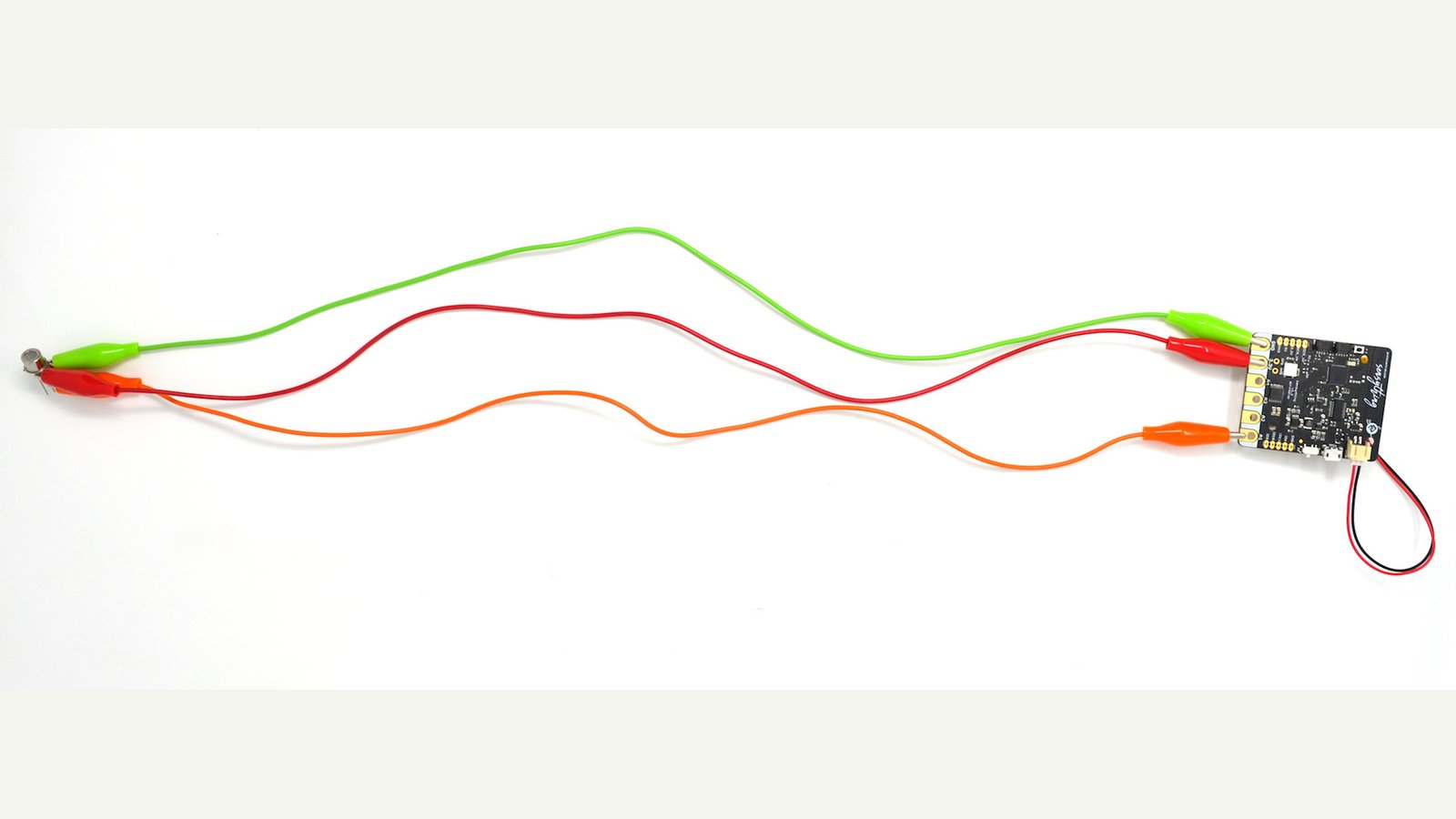
To meet our own development needs, we decided to build a platform, Sensything, for analog and digital sensors along with multiple connectivity options. With it, the output of analog sensors can be measured by a 24-bit ADC for high precision values, while for digital output sensors you simply plug-in the Qwiic-compatible sensors to the board. Just to make it more interesting we added IoT capabilities to transmit and record data.

Conference Update · Sessions
0.010
Project Update · We Are Live!
0.010
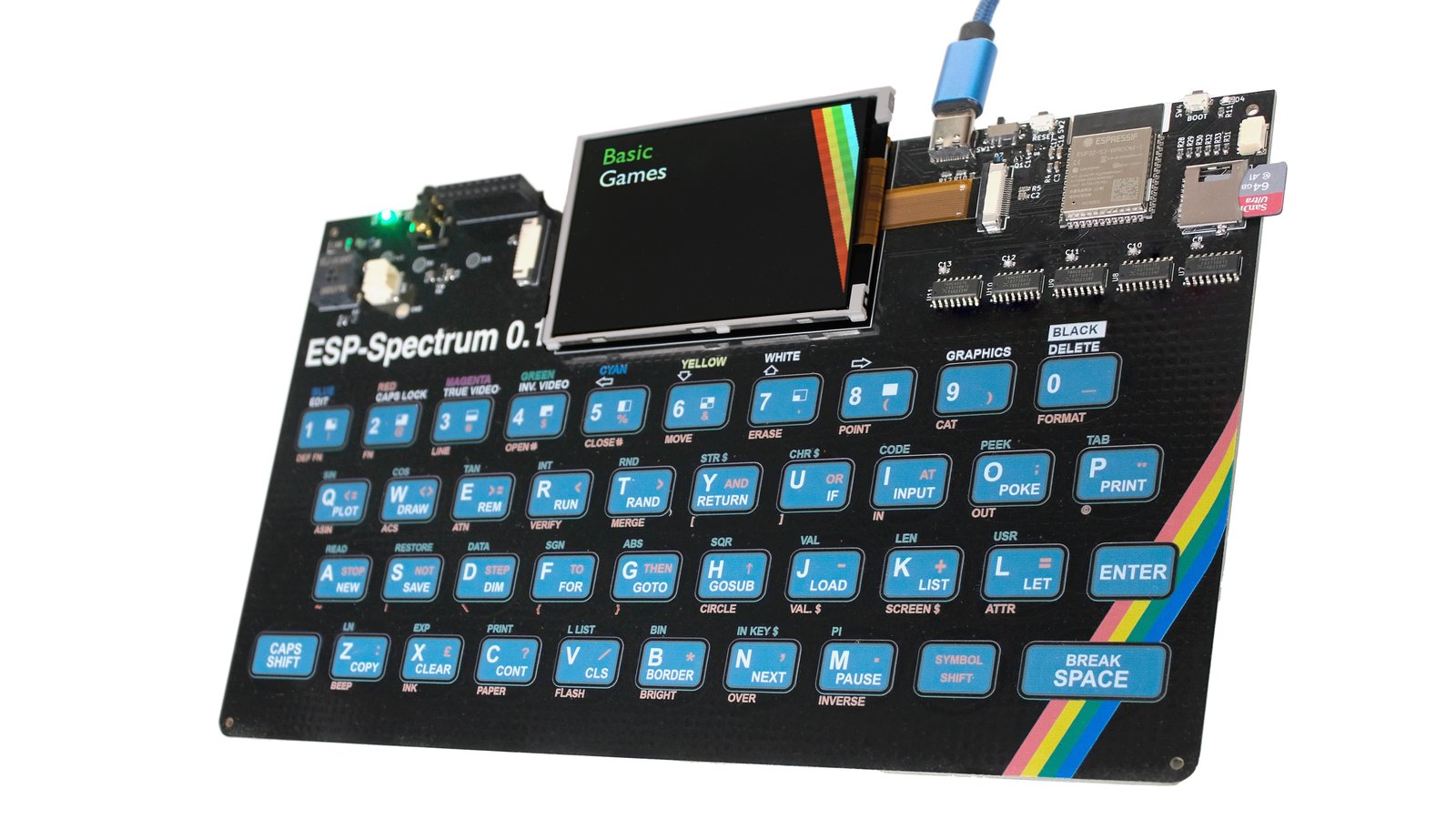
I'm pleased to announce that our campaign is now available on Crowd Supply. ESP32 Rainbow is a beautifully crafted homage to my first computer — the ZX Spectrum. It's based around the ESP32-S3 chip from Espressif and boasts a built-in 320x240 color display, SD storage, a 2 W speaker, two Qwiic connectors, an expansion port, and a USB Type-C port for power and data.
Project Update · Built for Backers
0.010
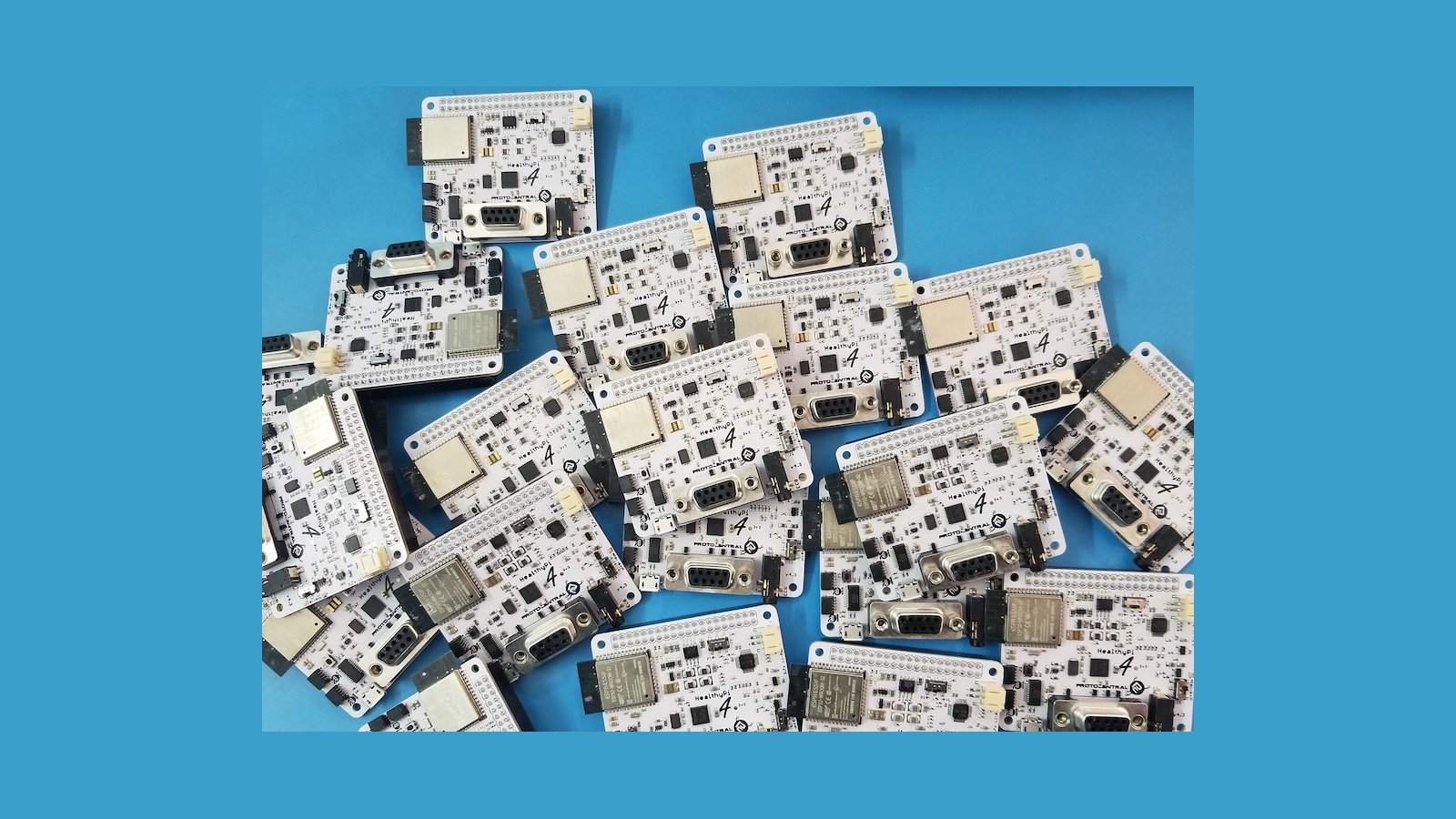
Good news folks. We are almost ready to ship HealthyPi v4. All orders should be on their way to Crowd Supply within a few days, after which they will be sent to backers as quickly as possible.
Project Update · Introducing Hornet Nest & wESP32 Rev 8
0.010
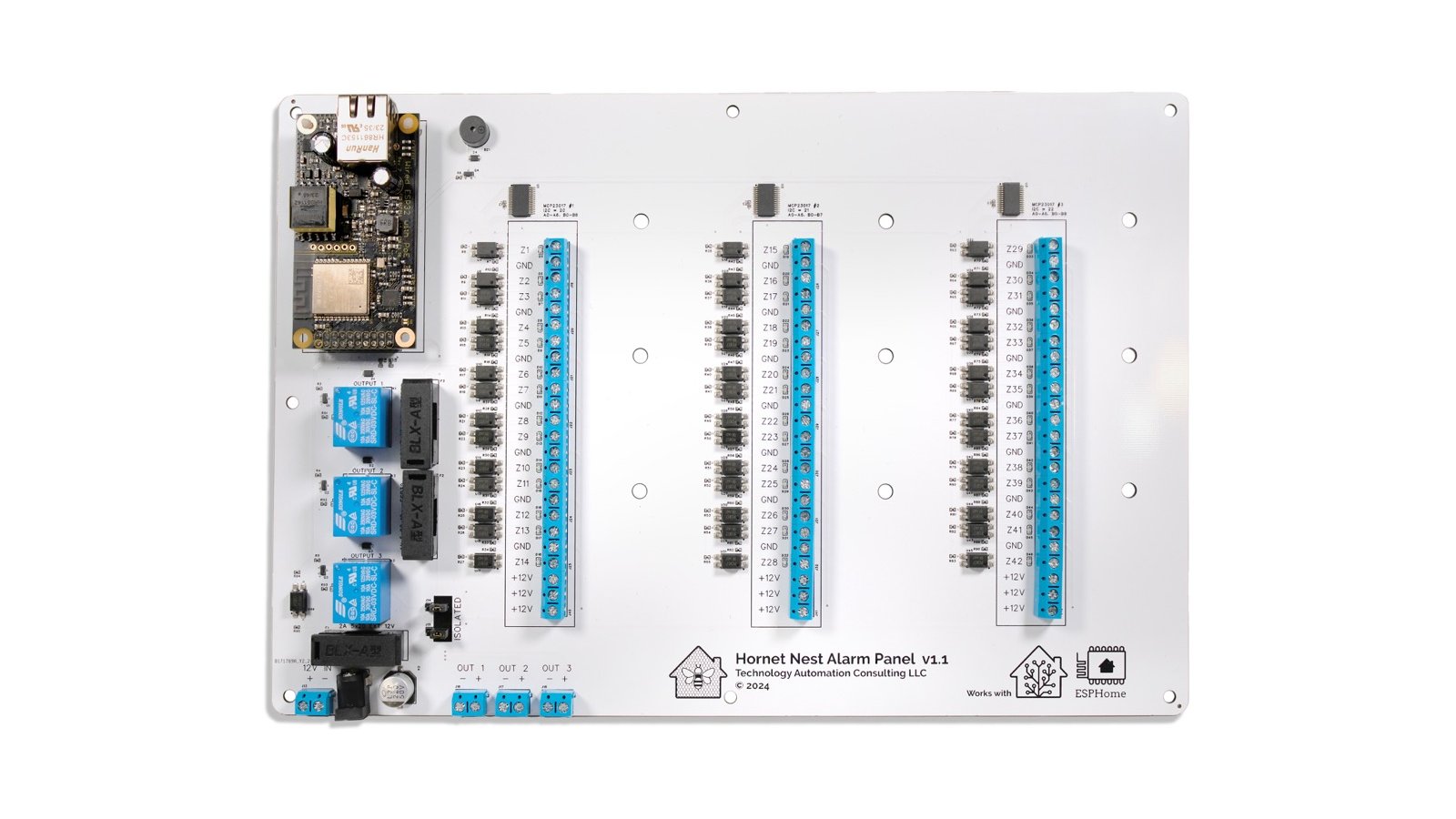
Hard to believe how time flies. It's been 6 years already since we first introduced the wESP32 on Crowd Supply! And it's still going strong, this little thing that started thanks to all of you backers who helped make it a reality. Thank you! One of the main reasons the wESP32 is still going strong is that customers keep finding cool uses for the powerful combo of the amazing ESP32 ecosystem, combined with networking and 13 W of power delivered through a single cable. One such customer is Christopher Greenlee, who created the Hornet Nest Alarm Panel using the wESP32, and he is now launching his own campaign right here on Crowd Supply!
Project · Gliss
0.010
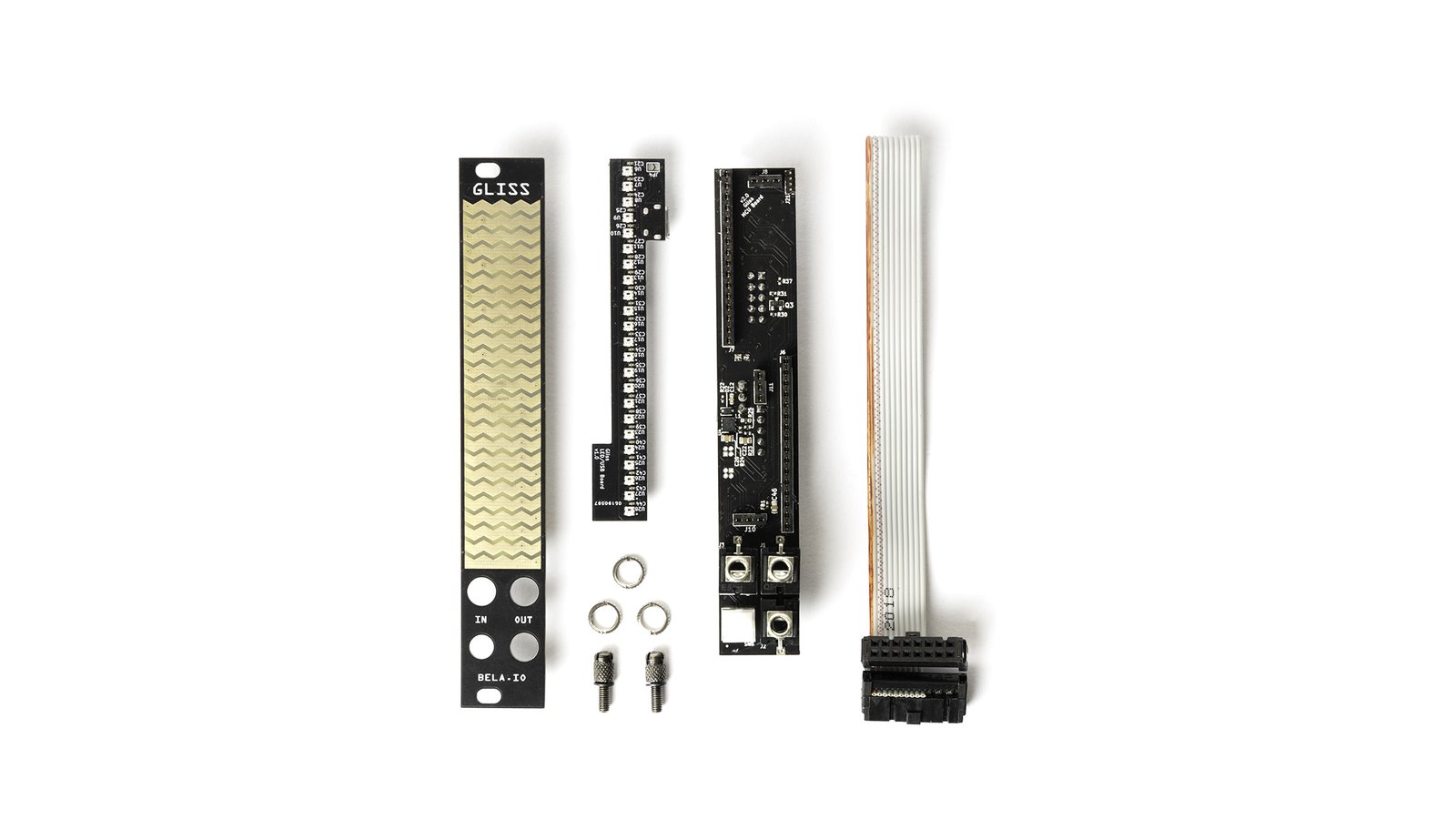
Draw waveforms directly into your modular synth with this open-source touch module
Project Update · I2C & SWD mode
0.010
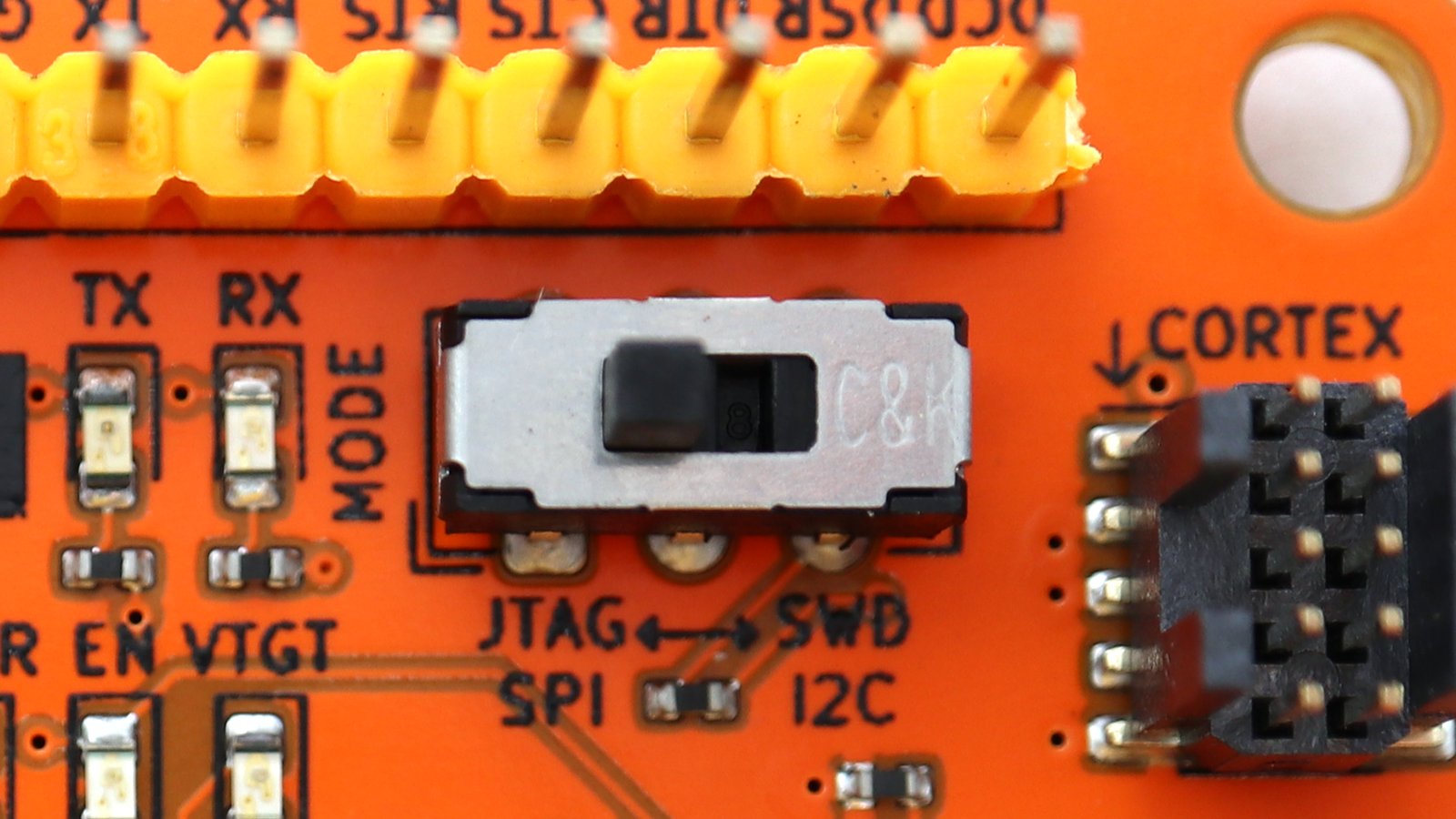
Through the past several updates, I shared details about the design, development, and testing of Tigard. For this update, we'll focus a bit deeper on a single feature - the SWD/I2C mode switch.
Project · Inkplate 6MOTION
0.010
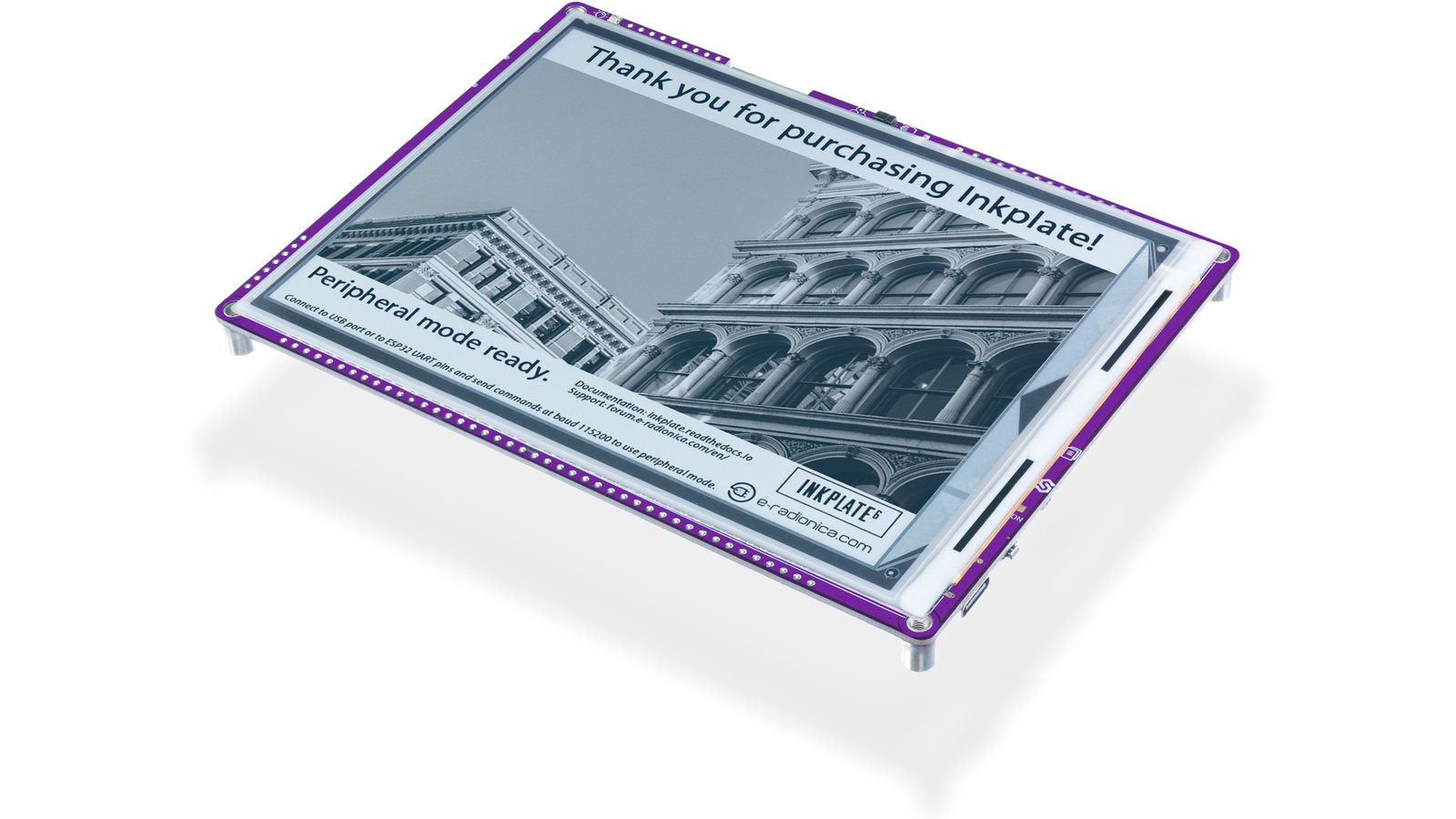
Expand your creative horizons with the fastest e-paper screen around
Project Update · Our Crowdfunding Campaign Is Live!
0.010
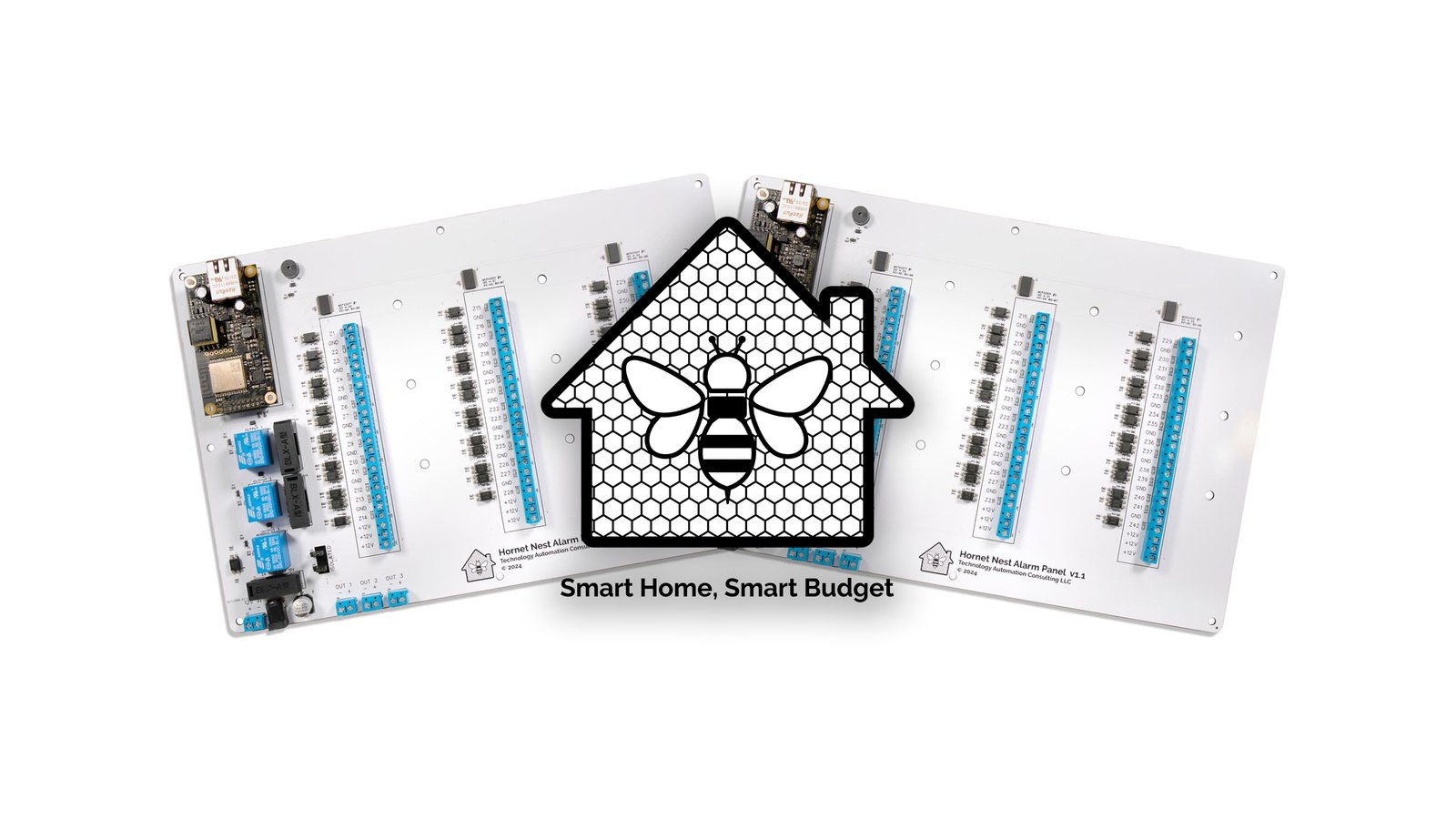
We are thrilled to announce that the Hornet Nest Alarm Panel campaign is now live on Crowd Supply! The Hornet Nest Alarm Panel is a PoE-enabled security panel meticulously crafted for seamless integration with Home Assistant and ESPHome. Designed for enthusiasts and professionals alike, it bridges the gap between traditional wired alarm systems and modern smart home automation.