Results for 'radio OR wireless'
Project Update · Thanks, Videos, and More
0.020
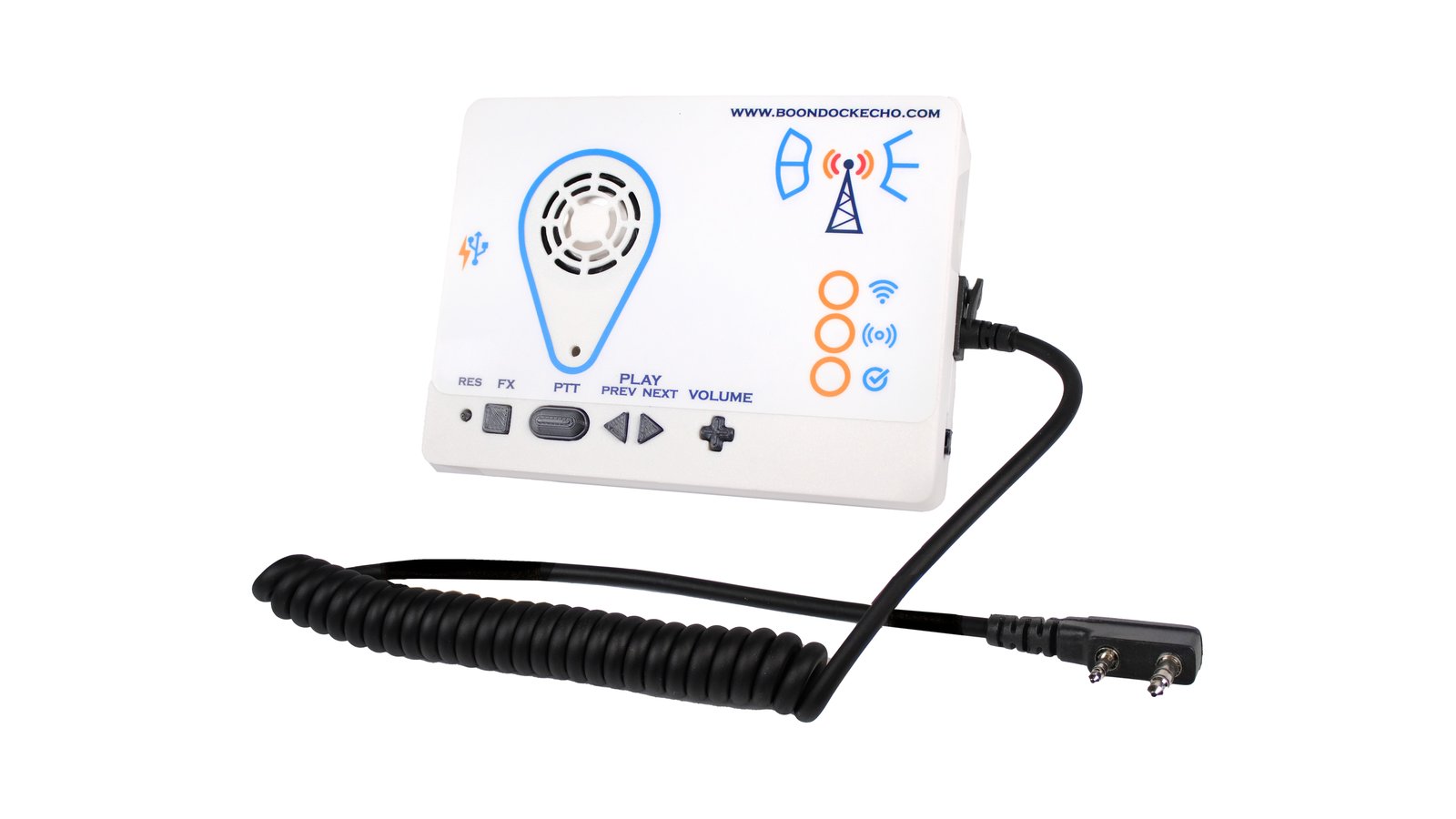
Our Boondock Echo campaign is not just a success; it's a phenomenon! Thanks to your incredible support, we've rocketed past our goal with a jaw-dropping 287% funding! And hold on, because there's more.
Project · ANAVI Miracle Controller
0.020
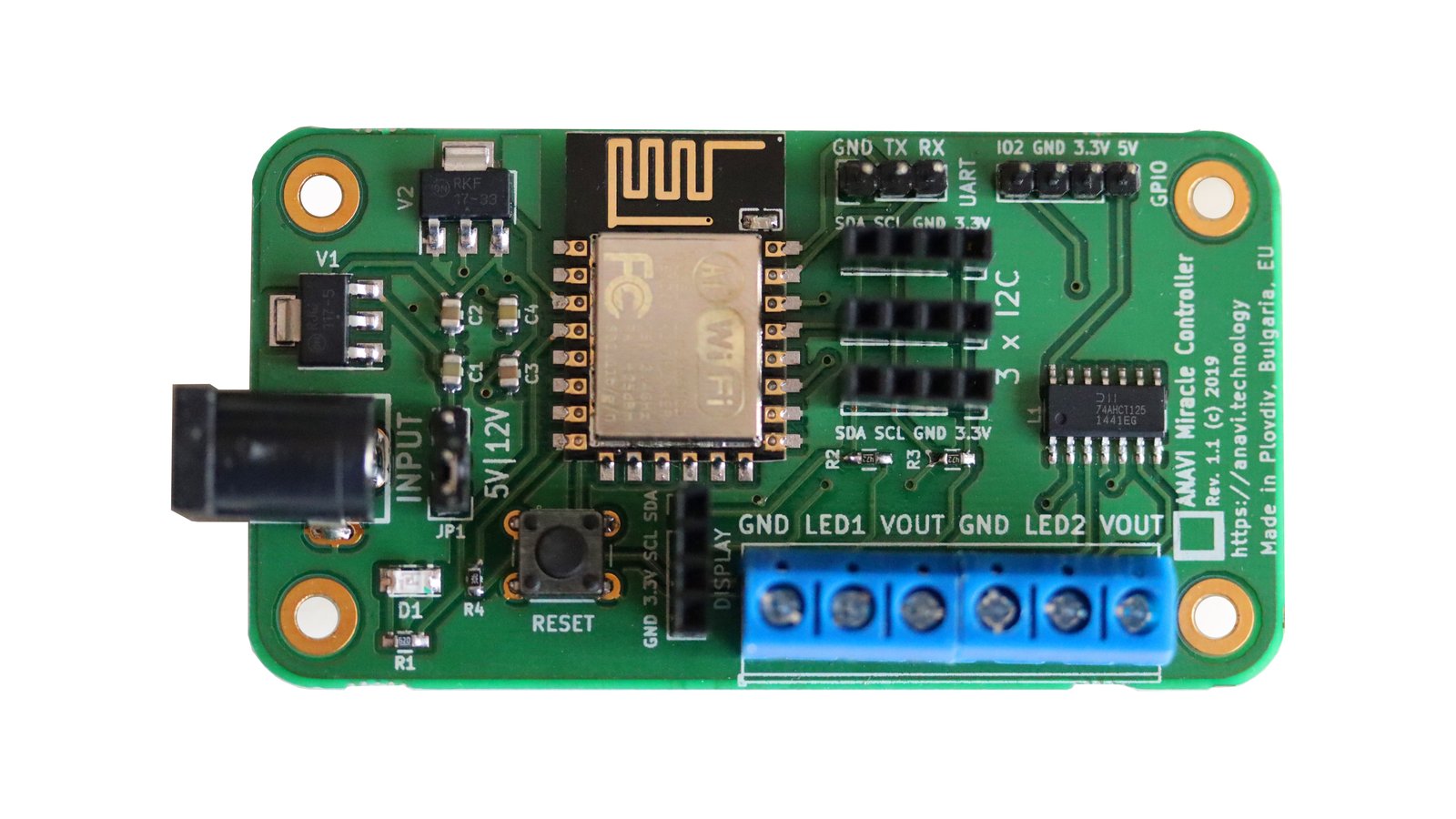
An ESP8266-powered, open source, Wi-Fi dev board to control two 5 V or two 12 V LED strips
Project Update · WSPR Test
0.020
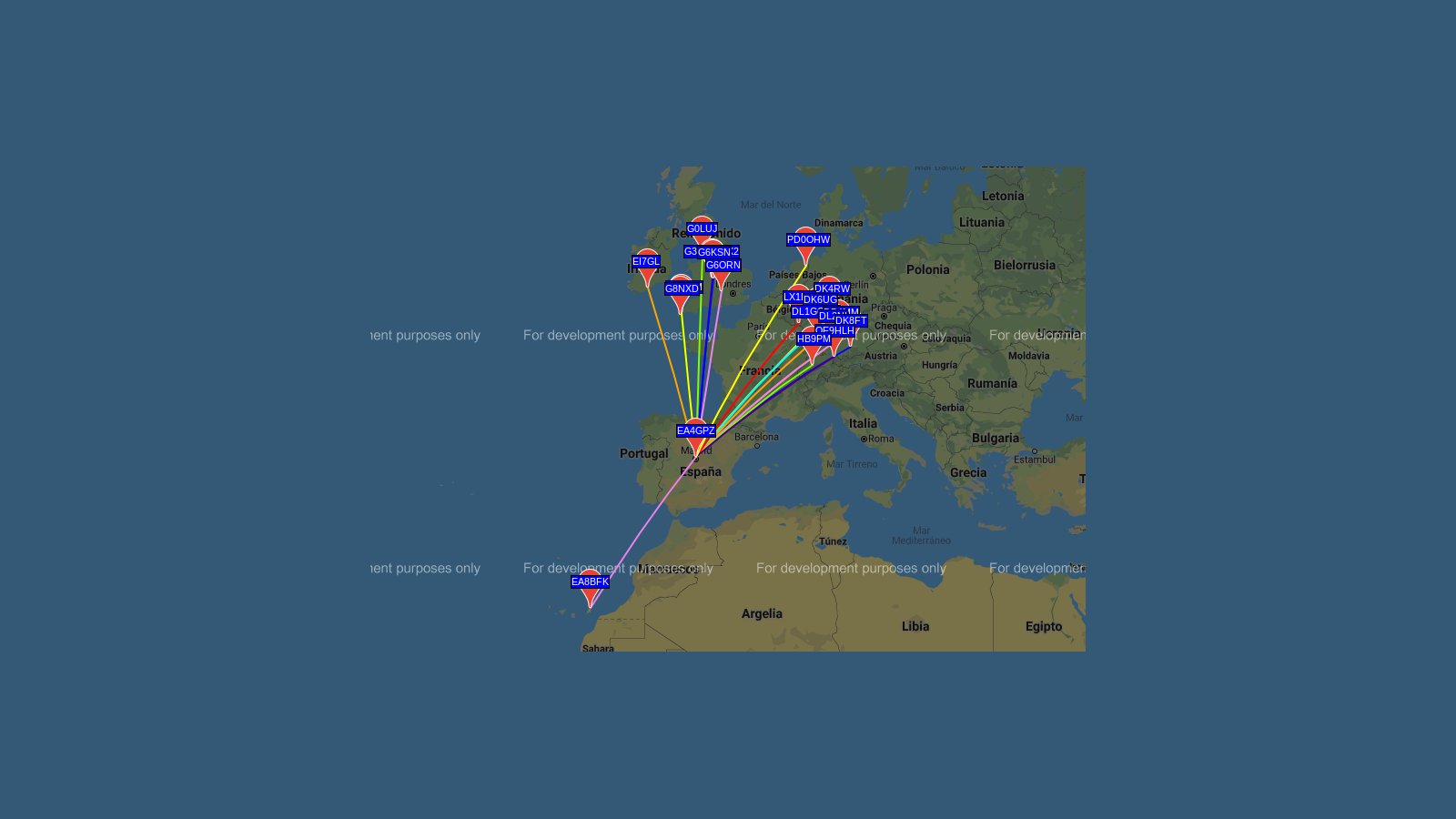
We sent a 0v3 prototype board to radio amateur and GNSS engineer Daniel Estévez (EA4GPZ), so he could put it through its paces and provide feedback as we fine tune the design. Even with a damaged prototype, his Weak Signal Propagation Reporter (WSPR) transmissions from Madrid were being picked up as far away as the Canary Islands, Netherlands and Northern England.
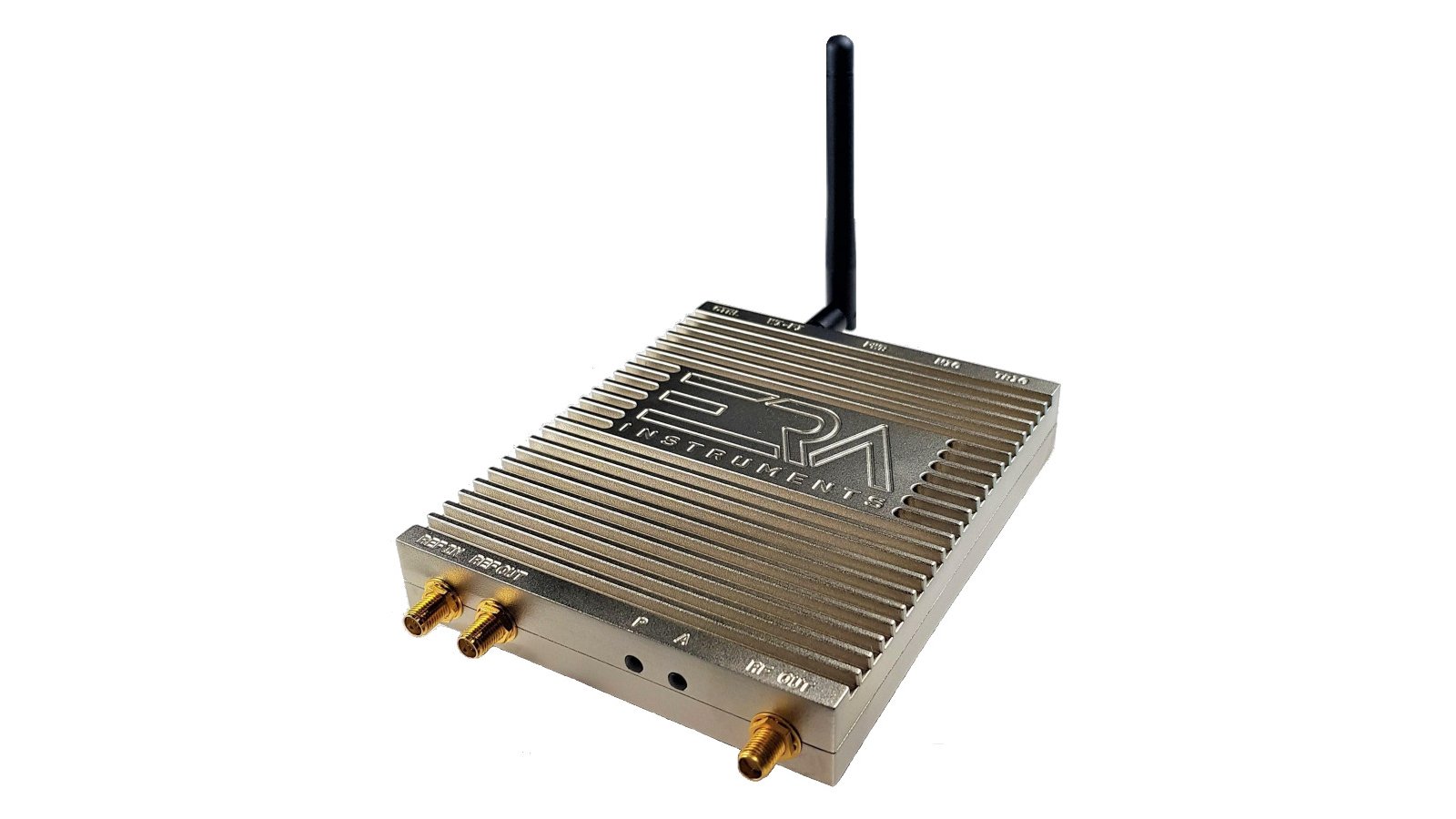
Project · ERASynth
0.020
An open source, Arduino-compatible RF signal generator with Wi-Fi connectivity
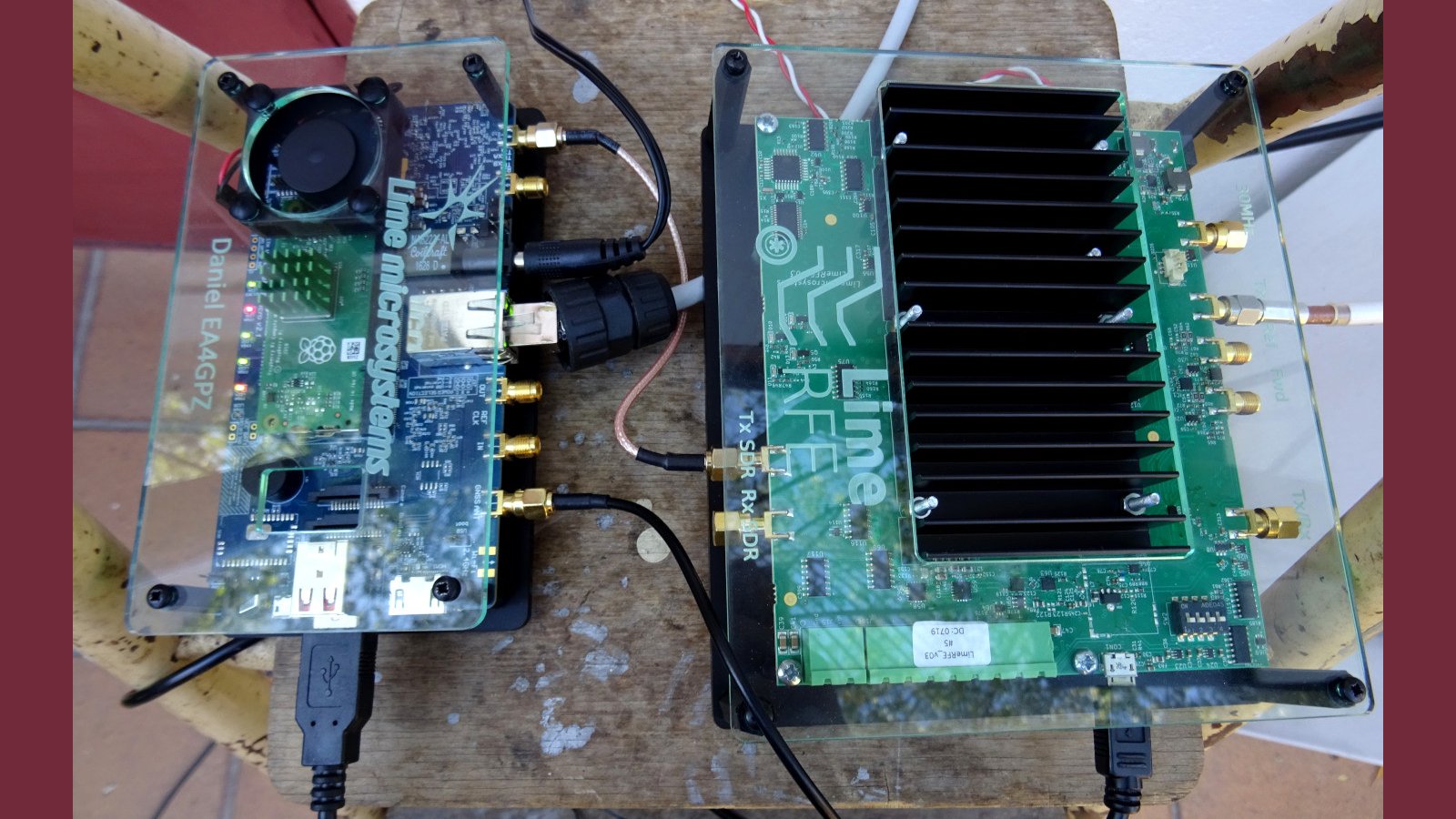
Project Update · QO-100 Satellite Uplink with LimeNET Micro and LimeRFE
0.020
Daniel Estévez paired a LimeNET Micro with a LimeRFE prototype to access the QO-100 narrowband transponder using an off-the-shelf 24 dBi Wi-Fi grid antenna.

Organization · RFOXiA
0.020
RFOXiA is a team of passionate RF and microwave engineers who are driven to revolutionize wireless connectivity. We are based in the United States, where we leverage our extensive experience to design and manufacture innovative solutions that unlock the full potential of communication technologies.
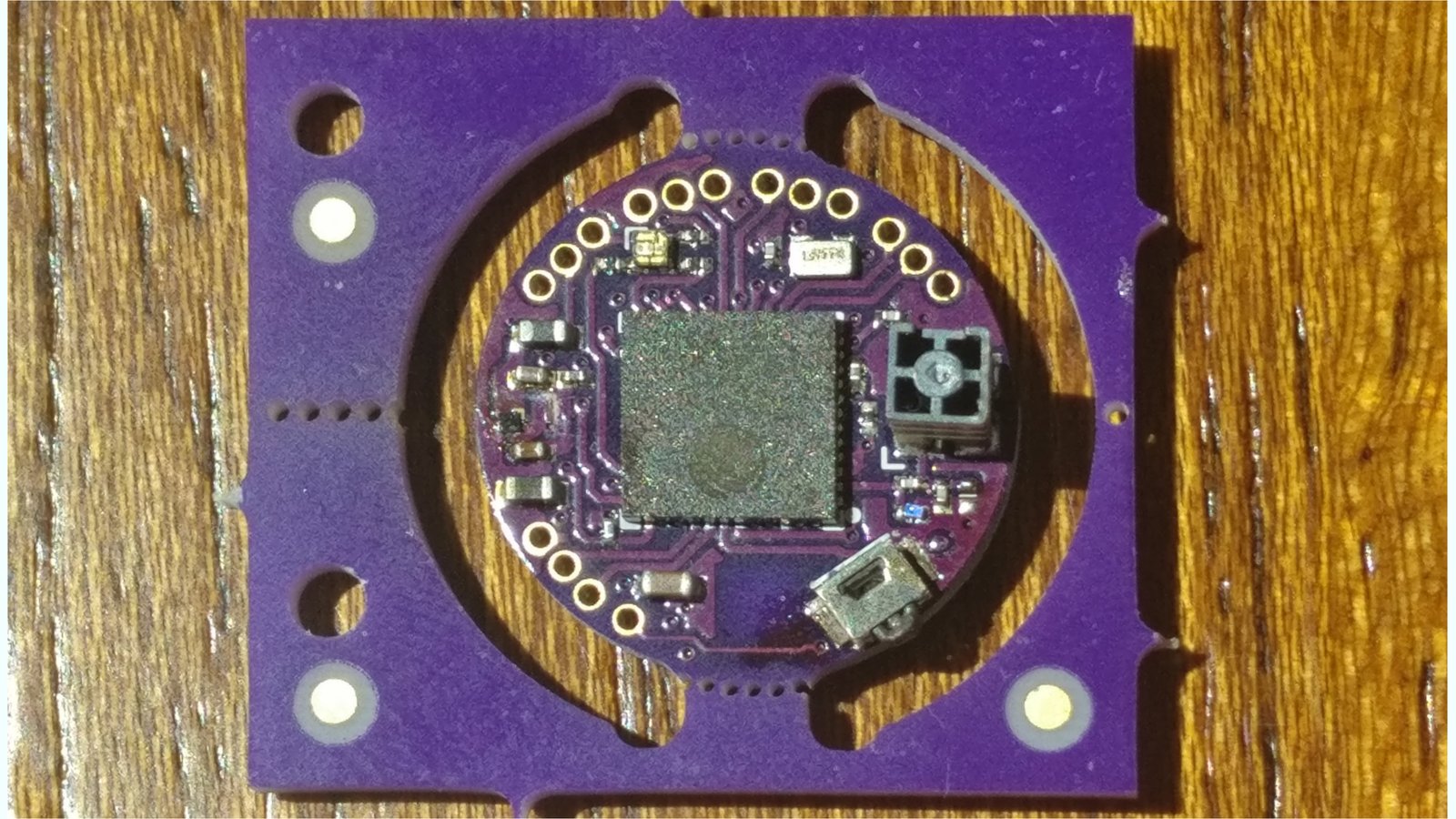
Project · FemtoBeacon
0.020
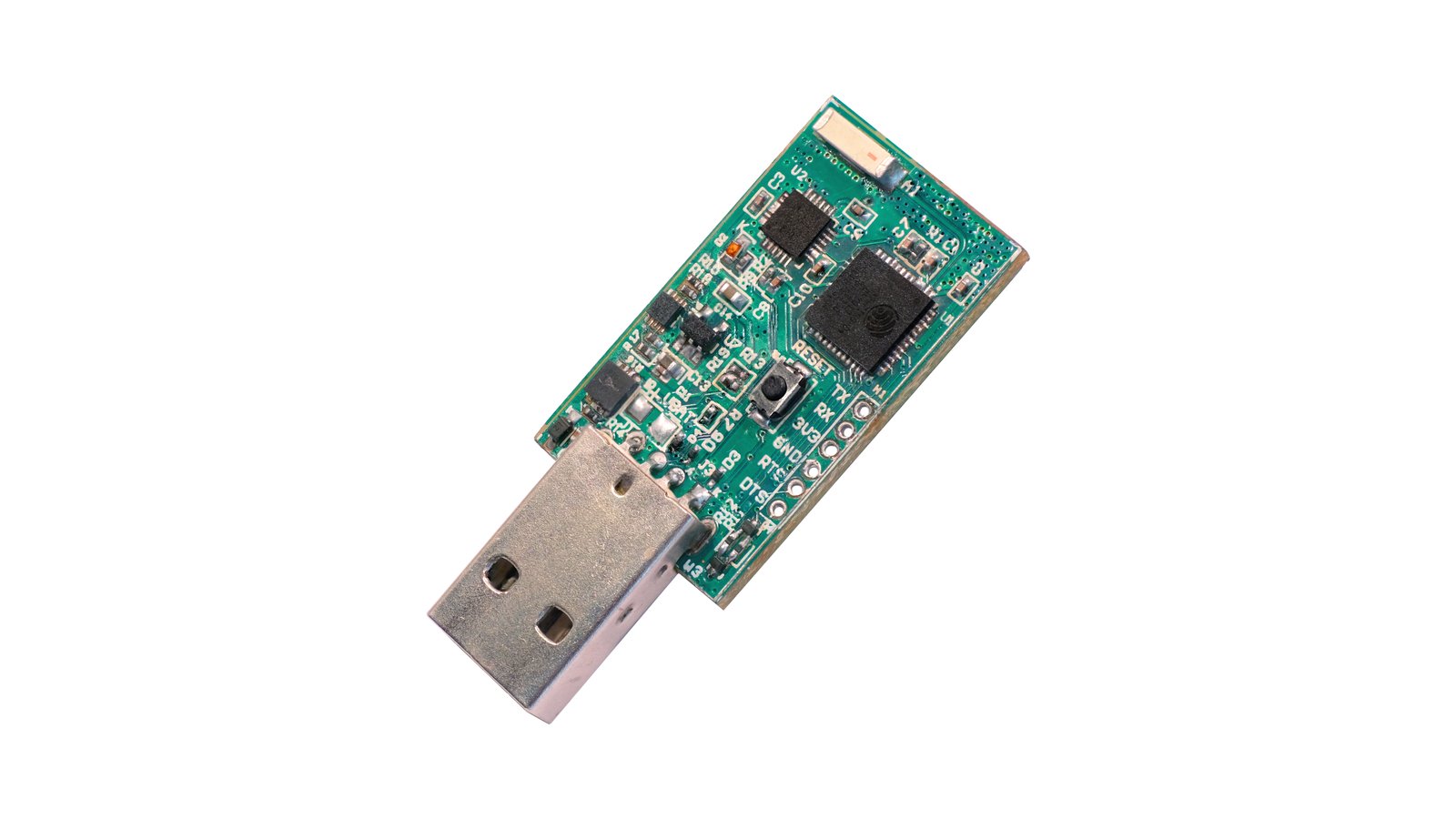
Project Update · Our Crowdfunding Campaign is Now Live!
0.020
Today, crowdfunding begins for a new kind of open hardware storage system. Maypole allows users to share data wirelessly and makes it easier for designers to add Wi-Fi and Bluetooth functionality to their products. Come check it out!
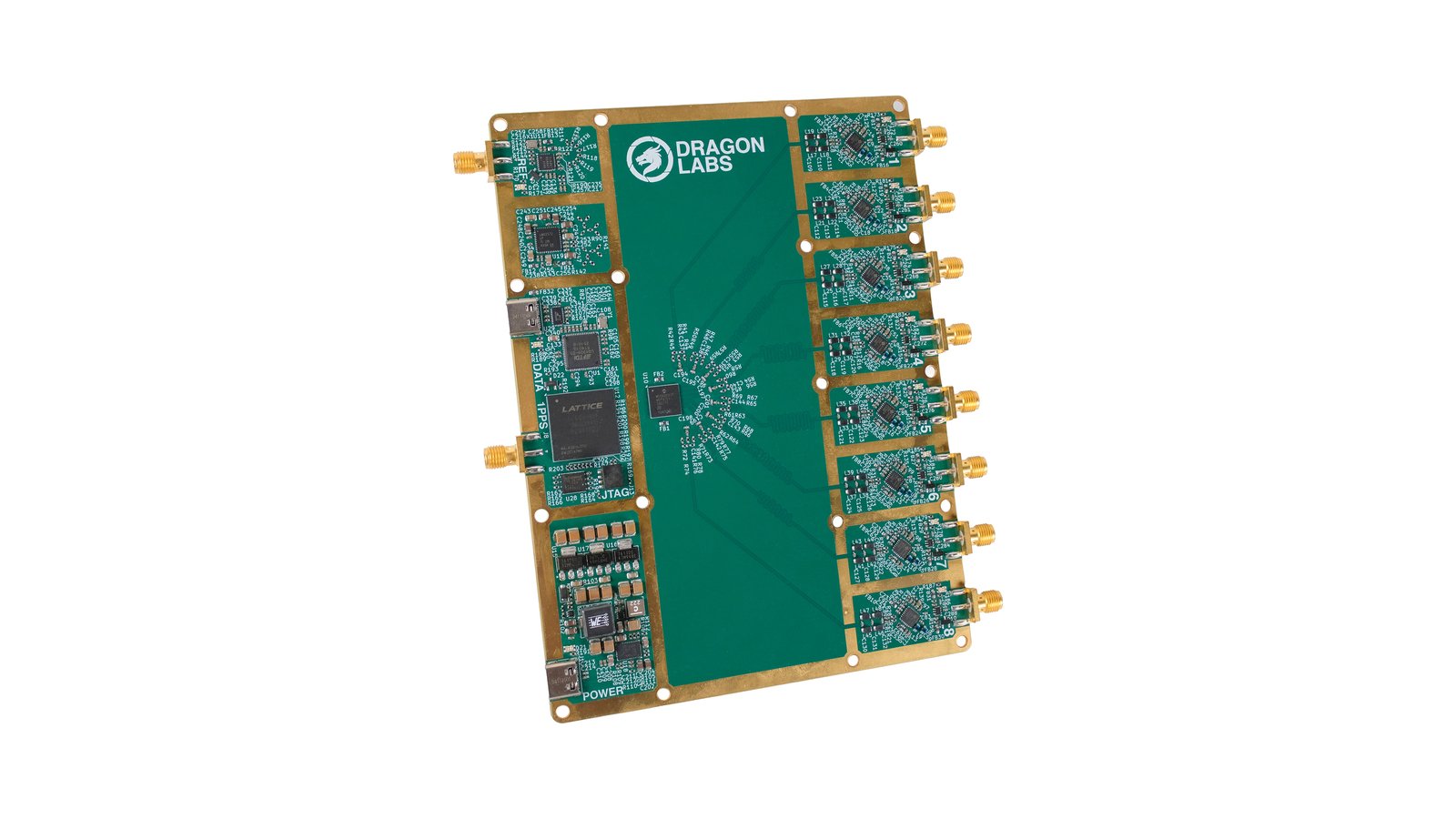
Project · Dragon Labs CR-8
0.020
Project Update · Crowdfunding Begins!
0.020
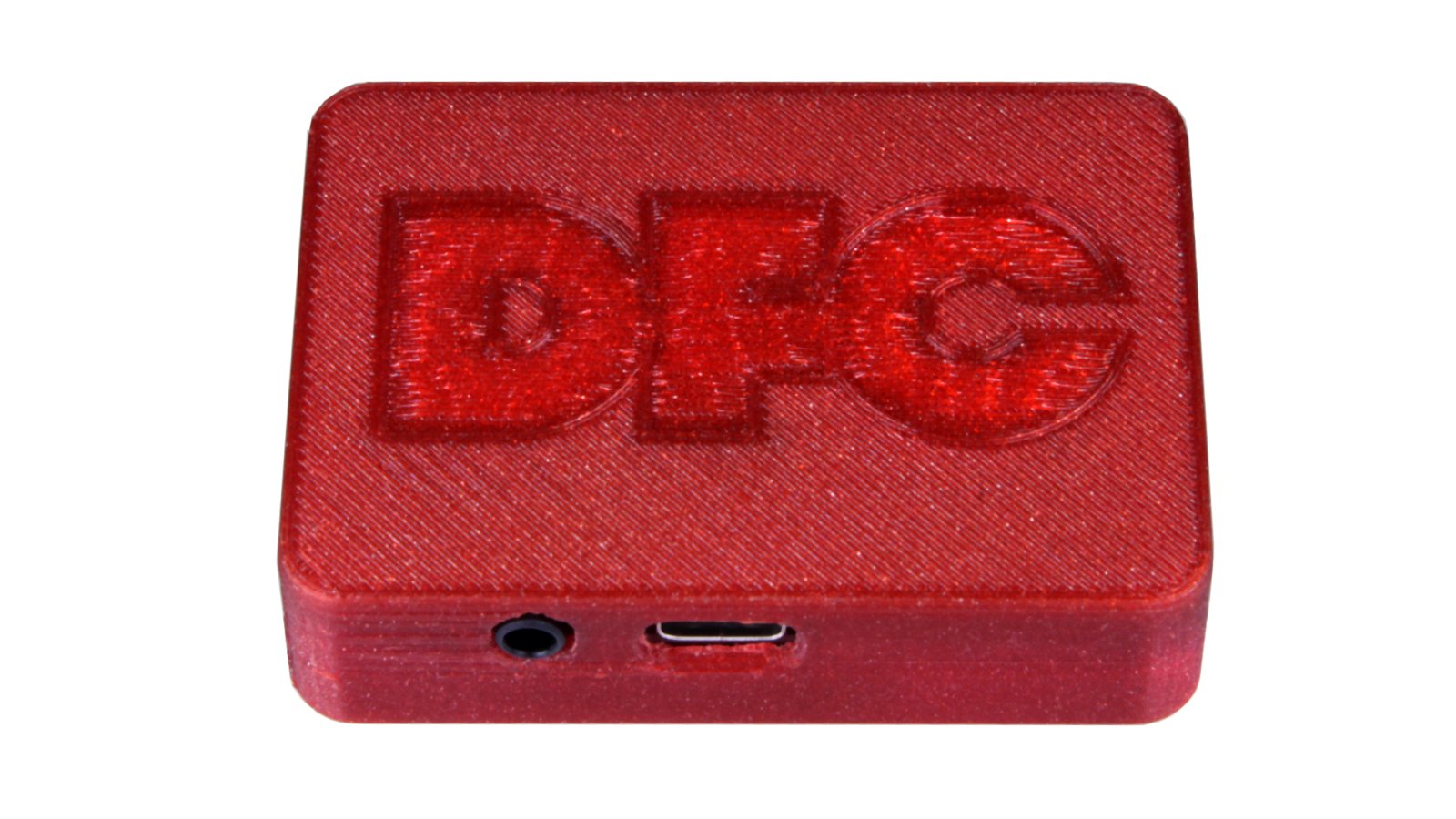
The moment is here and we're so excited to announce that the DFC campaign is officially live! The DFC Data Broadcaster is a Bluetooth device that allows Peloton bikes to connect to fitness watches, head units, and apps — a feature that's not available
on stock Peloton bikes. It reads power and cadence data in realtime, through a cable connected to your bike, and broadcasts them to nearby devices, including those with support for non-Peloton platforms like Zwift and Garmin. This allows
you to enjoy the built-in functionality of your bike while simultaneously utilizing features and services that depend on third-party platforms.
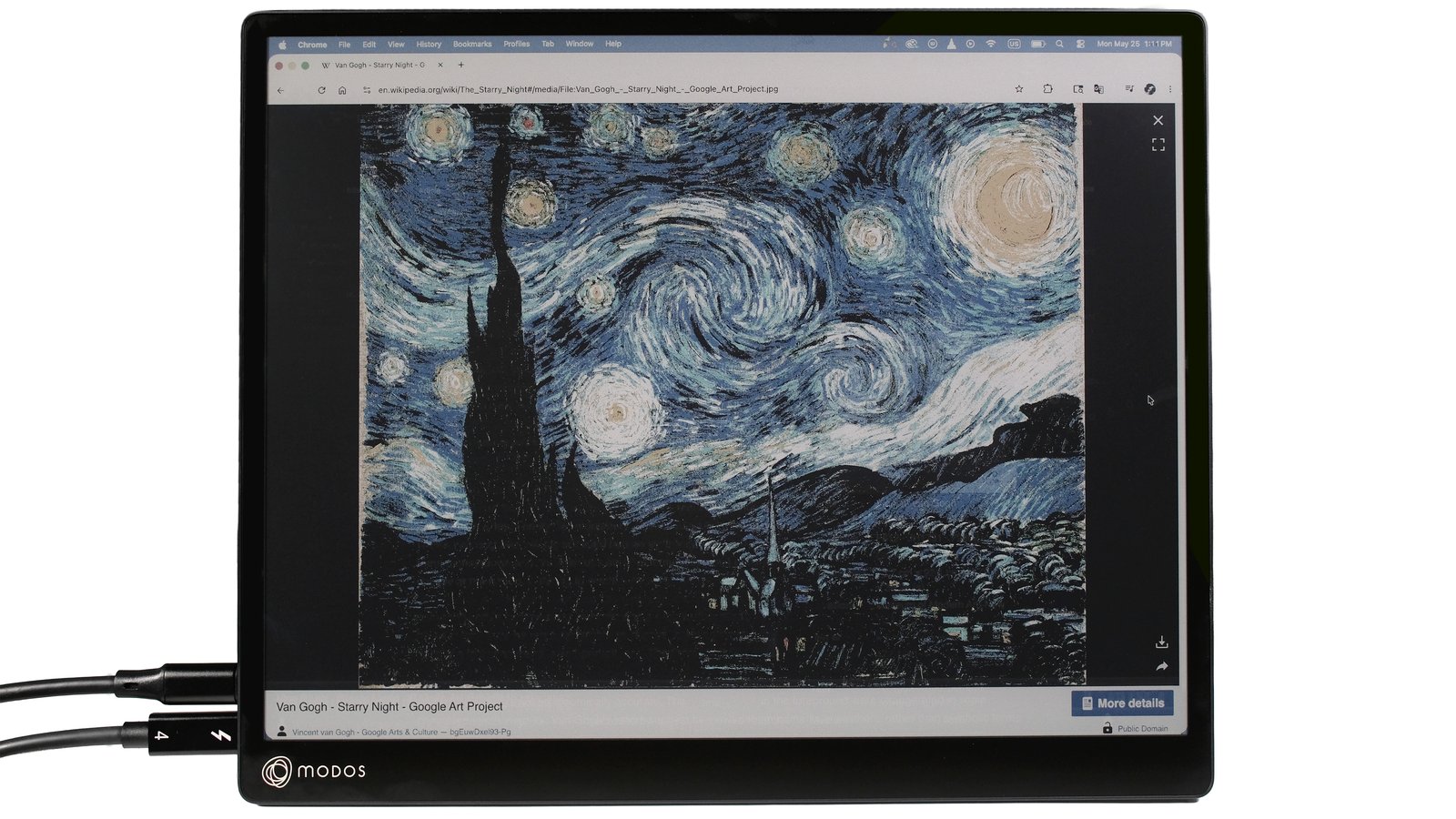
Newsletter Update · Drama club tools, Seeeds of manufacturing, and more - the latest and greatest from Crowd Supply
0.020
New: Modos Flow; Coming Soon: Miauwceiver, AkiraConsole, RE-1 Audio Recorder, AUTEUR; In Stock: AnyShake Explorer, The New Essential Guide to Electronics in Shenzhen, Mathpad, LiFePO4wered/Pi+, LimeSDR Mini 2.0; Teardown: Seeed Studio's Eric Pan

Partner Program Update · Accessorize your Atum A3 Nano, and Livestreams available on-demand
0.020
Browse new Terasic projects, catch the Altera Innovators Day Webinar Series, check out the latest Teardown Sessions, and get a preview of the next project in the Altera Innovation Lab.
Project Update · We Are Live!
0.020
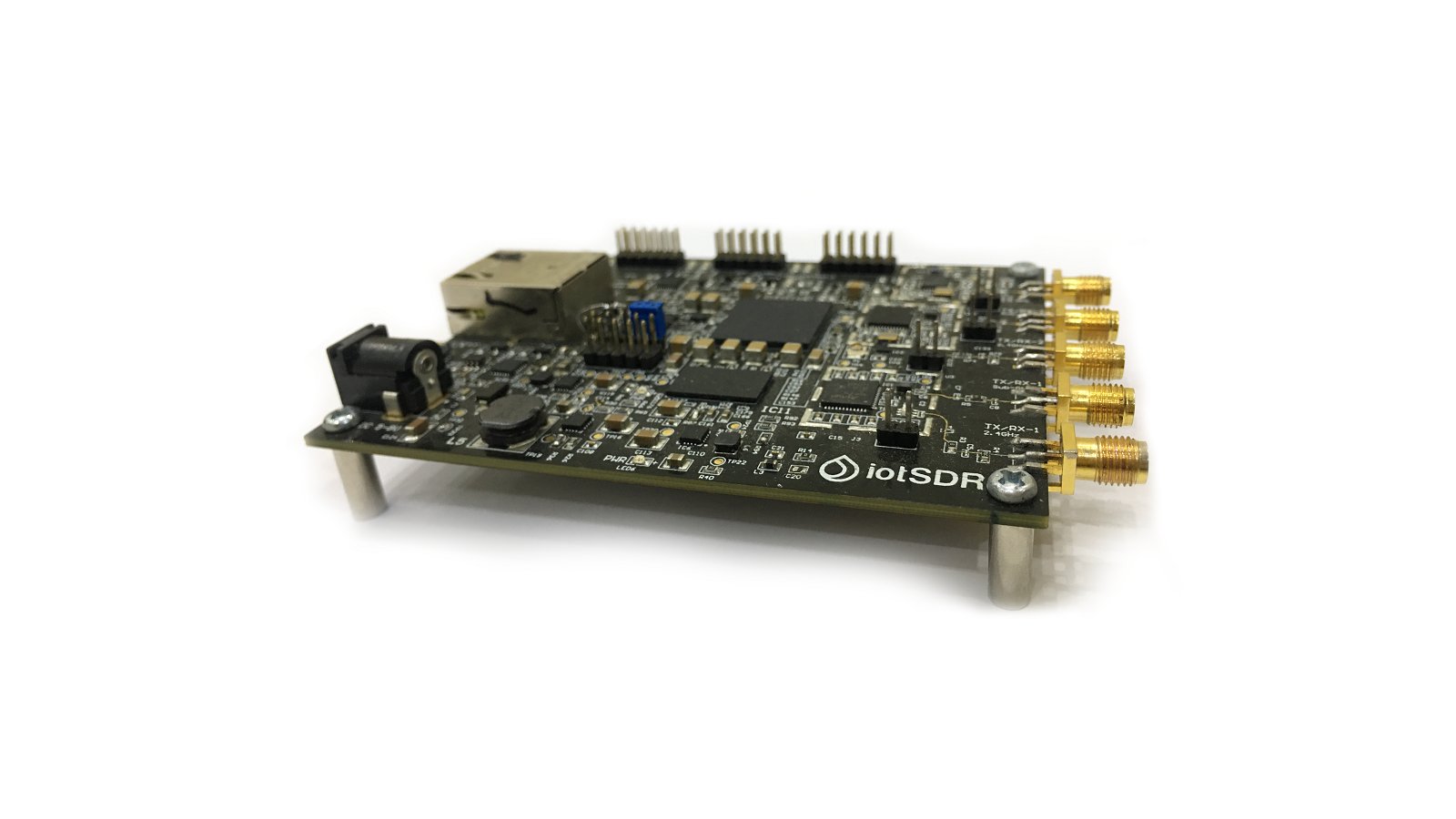
We are extremely excited to be launching the iotSDR crowdfunding campaign. Our passion for RF technology and our commitment to open hardware brought us here, and we can't think of anywhere we'd rather be! Featuring dual, narrow-band (AT86RF215) transceivers, a GNSS frontend, and a Zynq SoC, iotSDR is packed with features that developers will appreciate. With support for open source software like PYNQ, Jupyter, and GNU Radio—as well as powerful, gRPC-based remote-operation capabilities—iotSDR provides an open hardware foundation upon which you can develop some very cool applications.
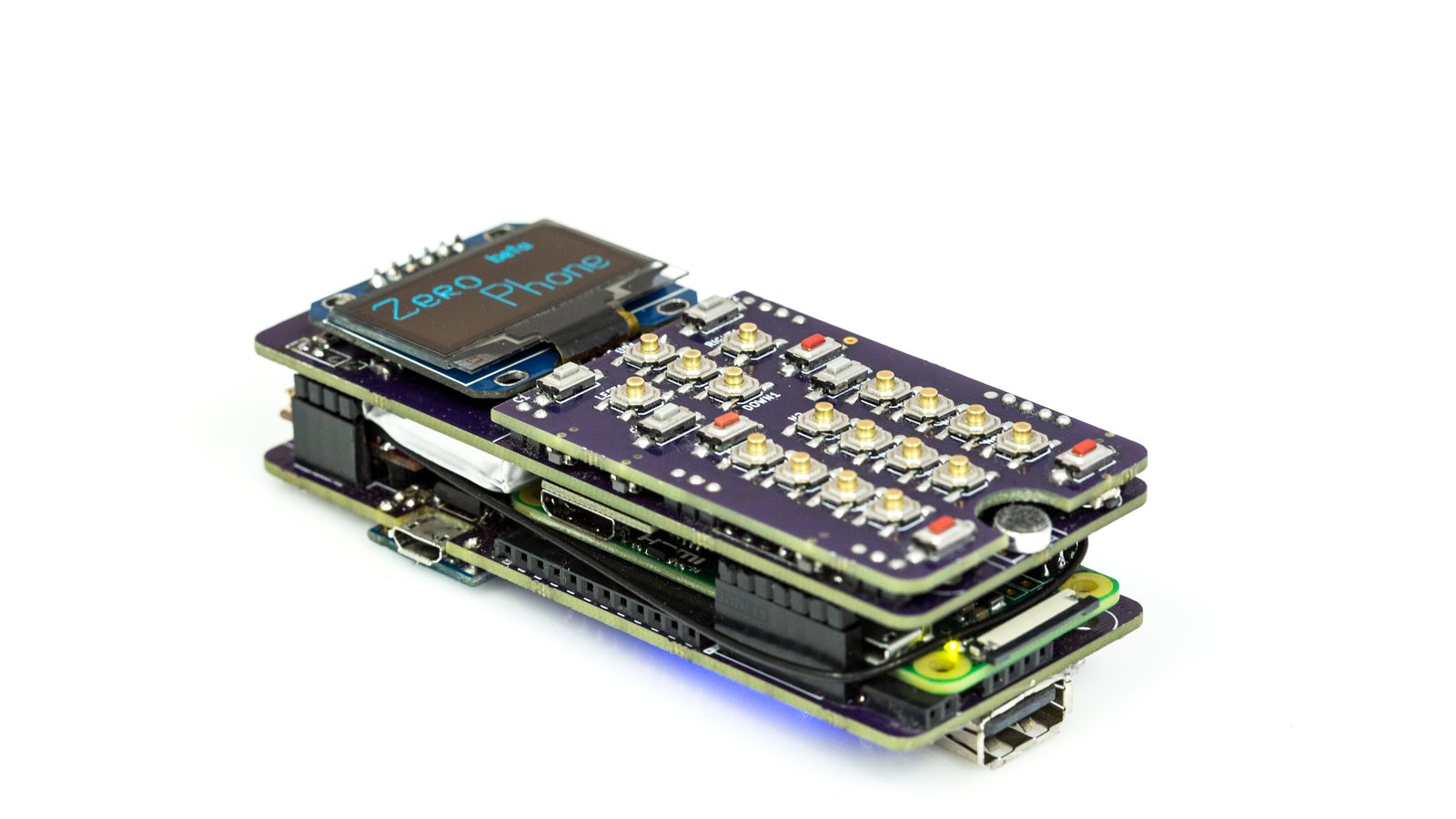
Project · ZeroPhone
0.020
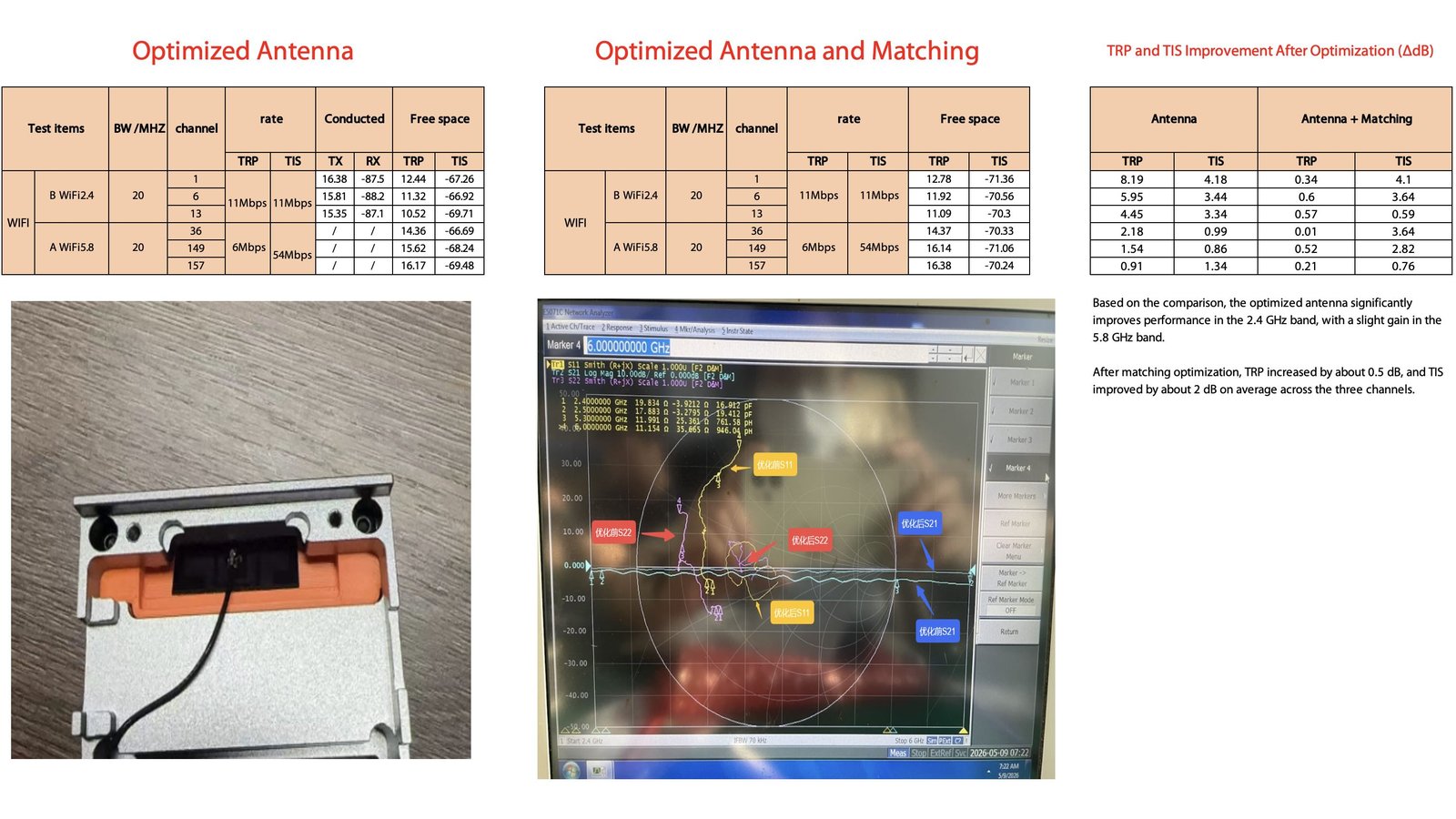
Project Update · Our Campaign Ends Tomorrow! Also, API Development, Antenna Tuning, CE Certification, and a Sneak Peak at Our Manufacturing Plan
0.020
If you have been considering LeafKVM, this is your last chance to get it at the discounted crowdfunding price
Project · HeartyPatch
0.020
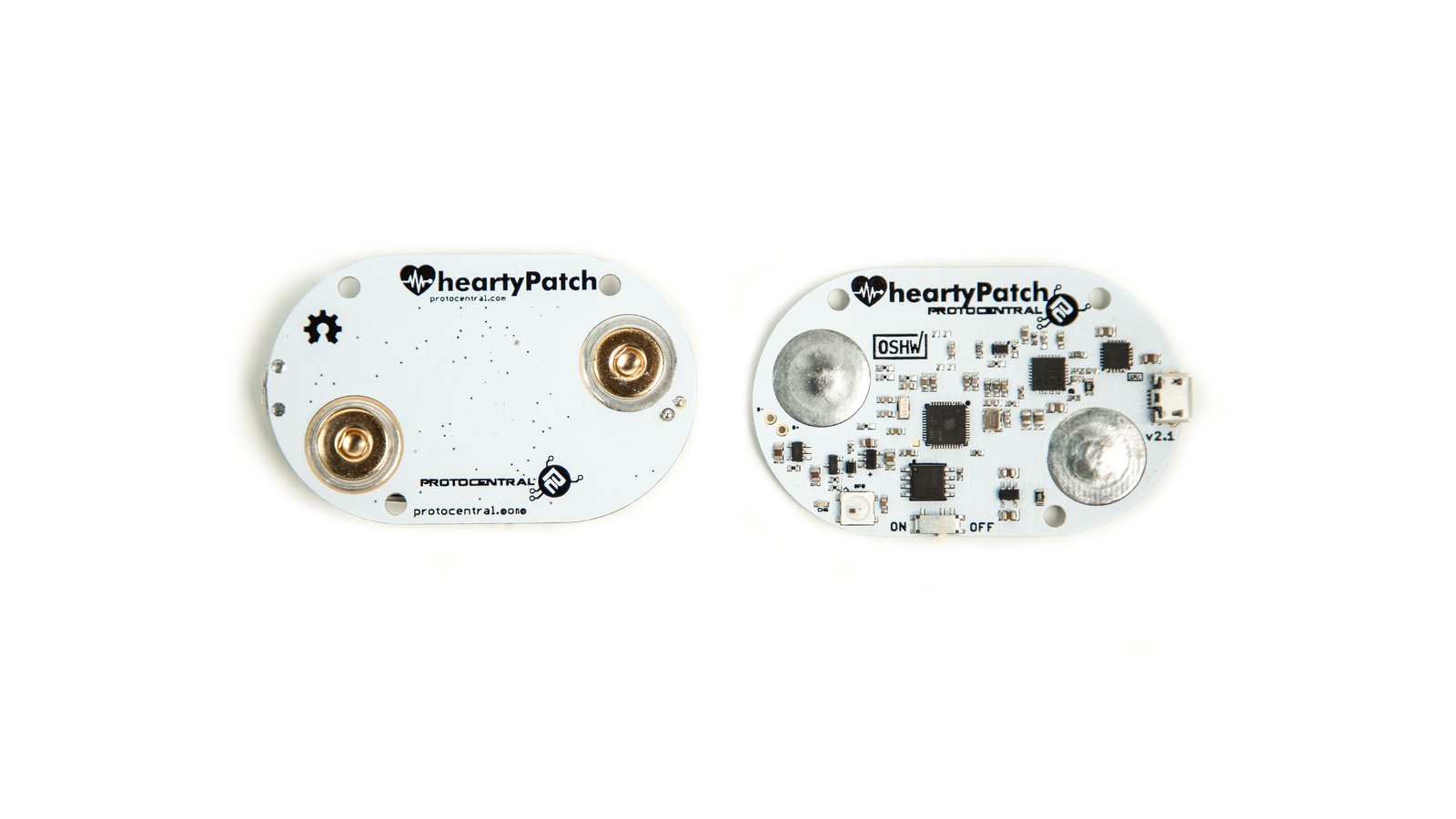
An ECG patch with HRV monitoring that's open source, affordable, and Wi-Fi/Bluetooth connected.

Organization · Lime Microsystems
0.020
Working toward the democratization of wireless communication through an open source ideology.
Newsletter Update · The Latest and Greatest from Crowd Supply
0.020
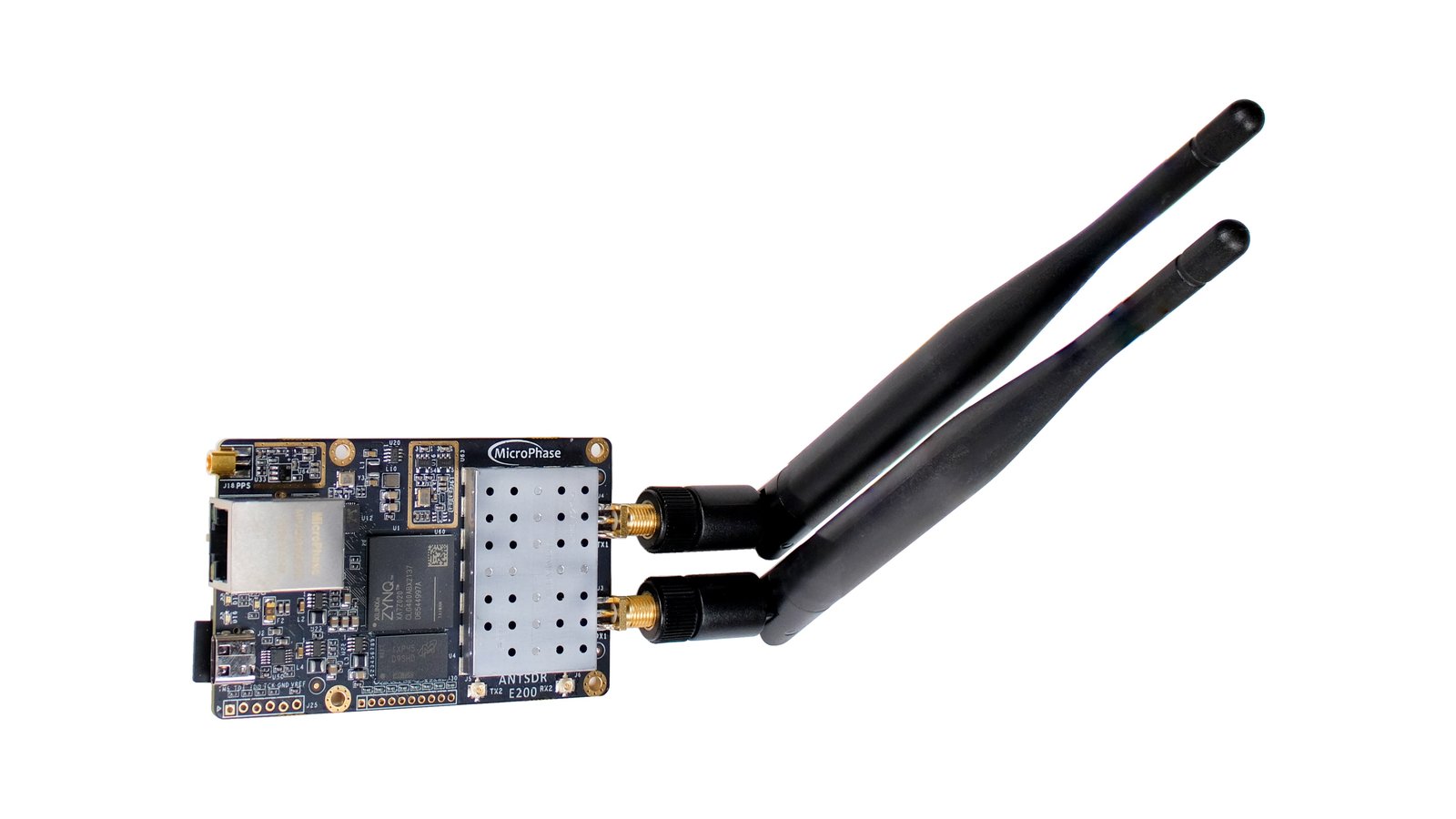
New: AntSDR E200, Coming Soon: Milk-V Pioneer, uSDR, ANAVI Macro Pad 12 & Arrows, In Stock: Home Assistant Yellow, DAQiFi Nyquist 1, FireAnt, Tomu, Update Roundup: HealthyPi 5, Precursor, ULX4M, Pixel Pump, unsurv offline, EsPiFF
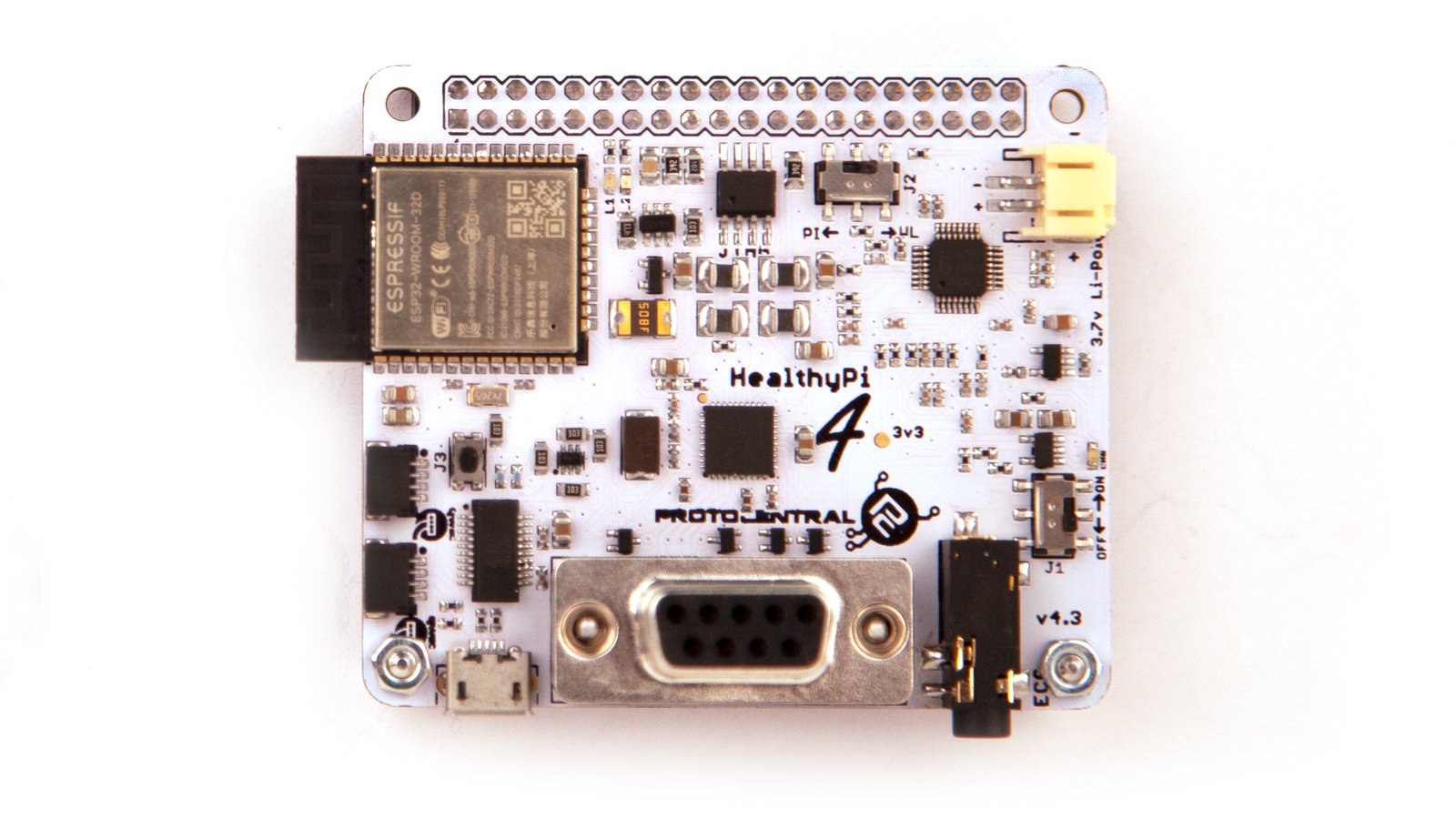
Project Update · The Story of HealthyPi
0.020
After many months of development and with support from the Crowd Supply Team, the HealthyPi v4 campaign is off to a great
start.