Results for 'fpga'
Project Update · Technical Deep Dive
0.180
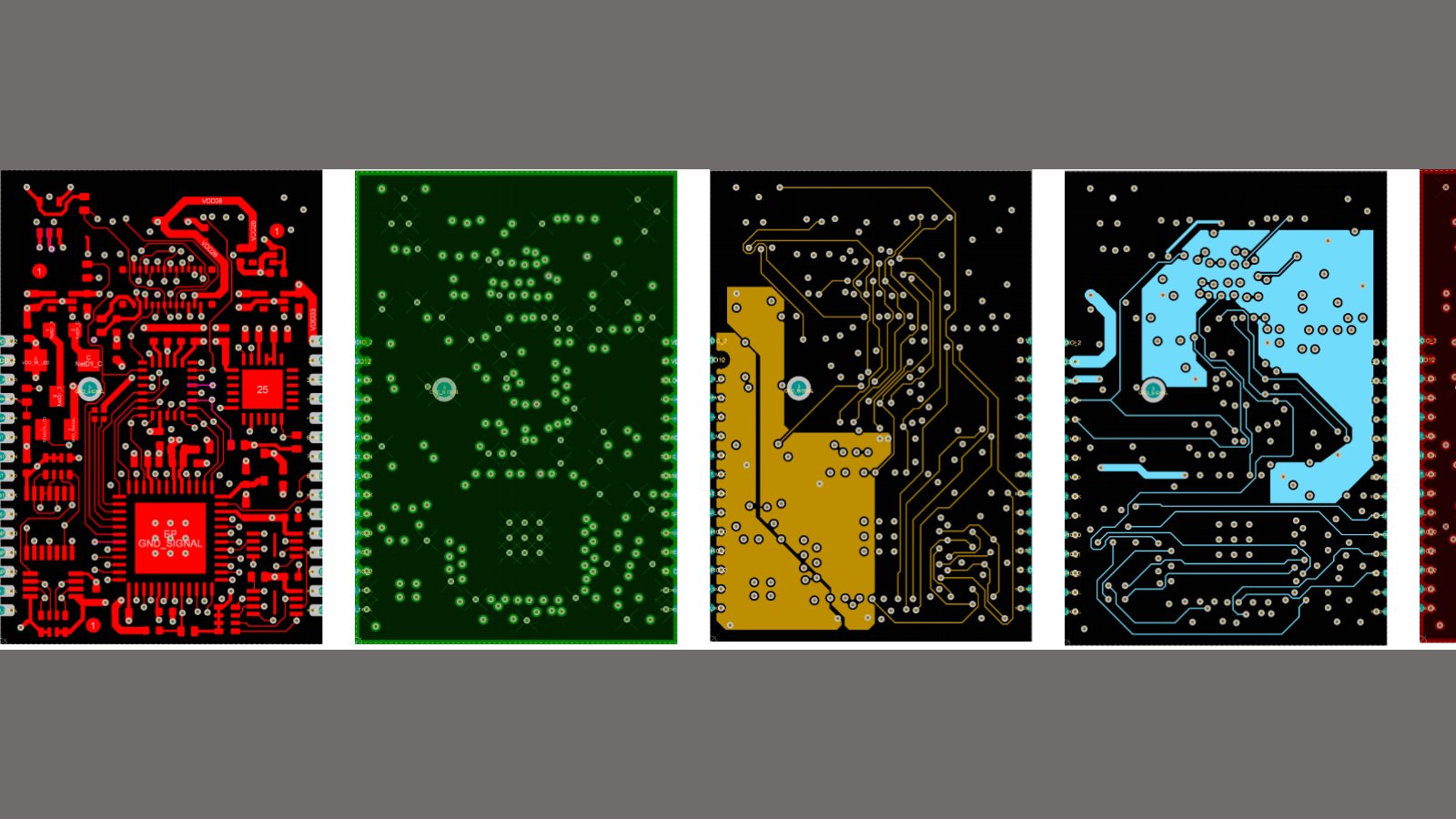
Hello everyone! Thank you for signing up and backing this project! We will delve into the hardware components of the Vision FPGA SoM in this update.
Project · ThunderScope
0.180
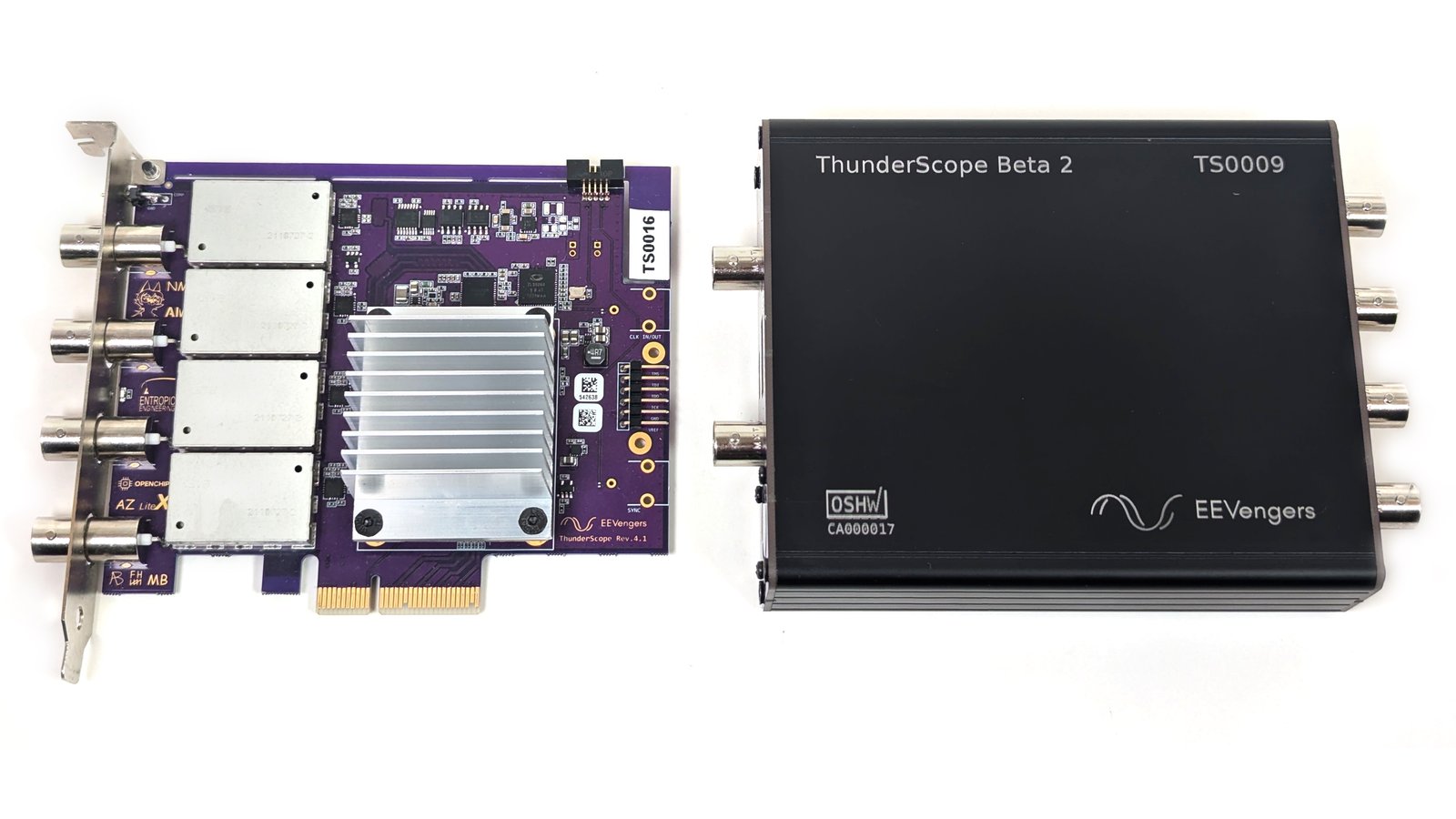
A new type of oscilloscope that’s fast, flexible, and completely open
Project · ScopeFun
0.170
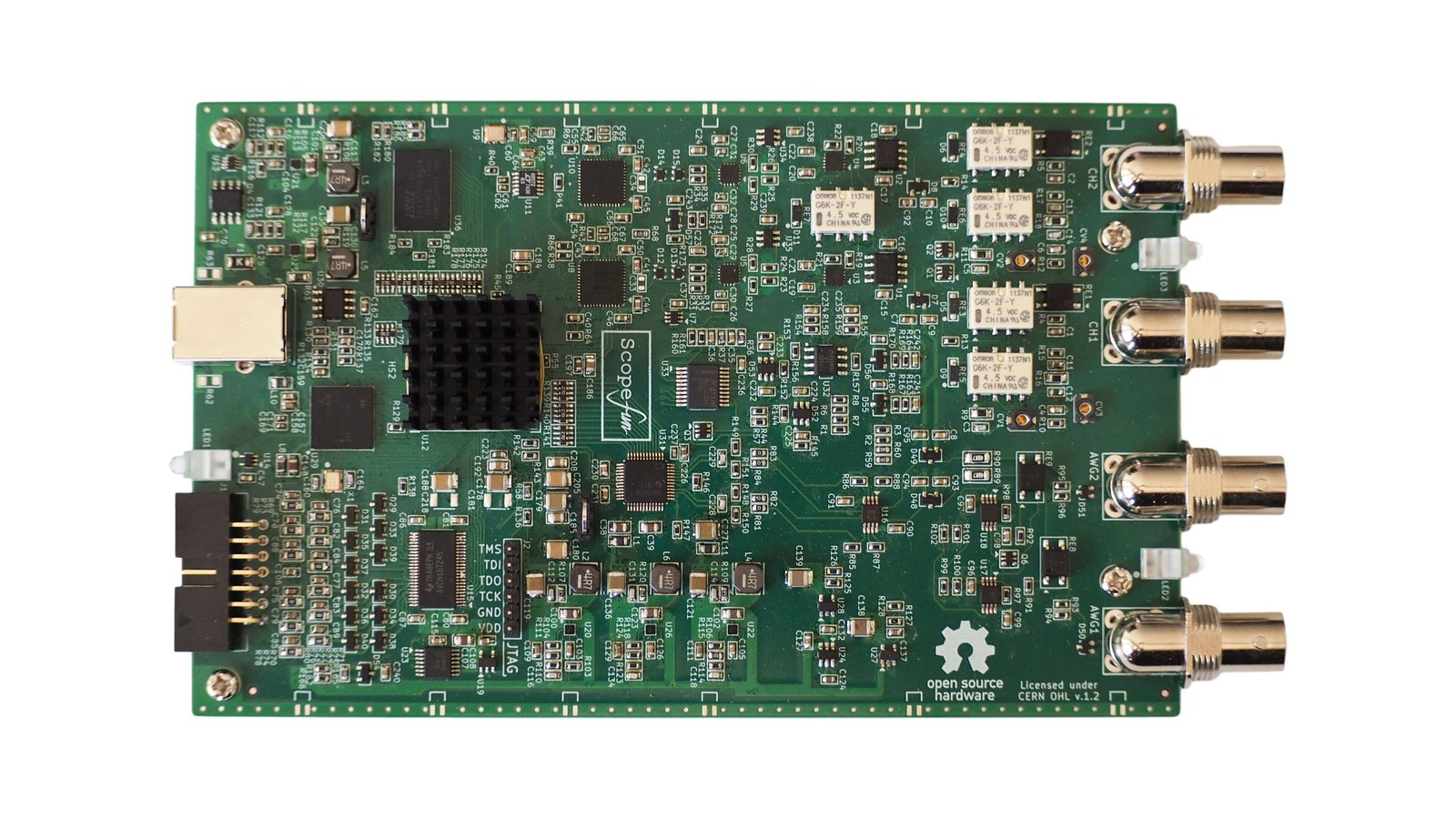
Open Source All-in-One Instrumentation
Project · Artificial Intelligence Radio - Transceiver (AIR-T)
0.170
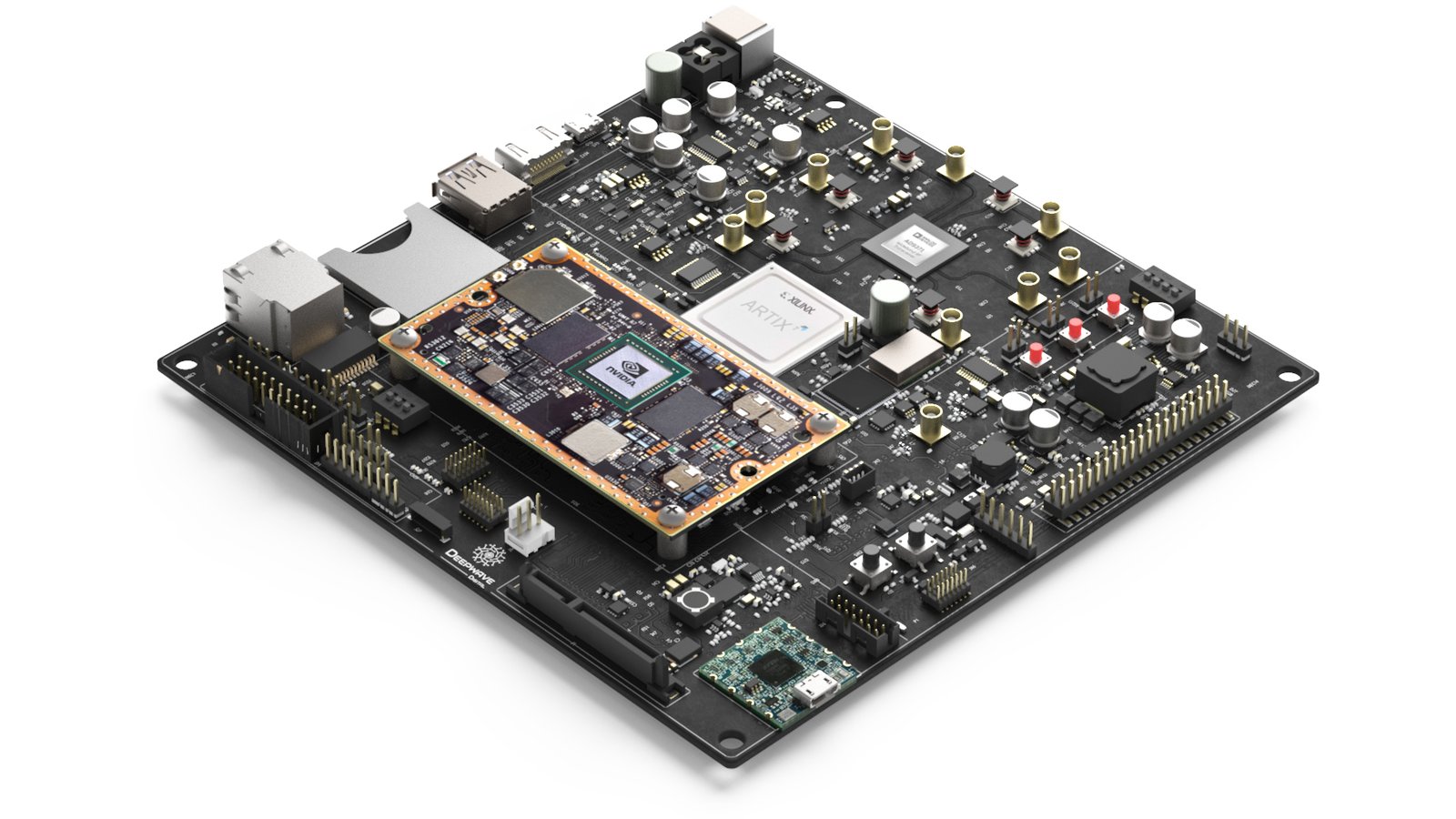
A high-performance SDR seamlessly integrated with state-of-the-art deep learning hardware
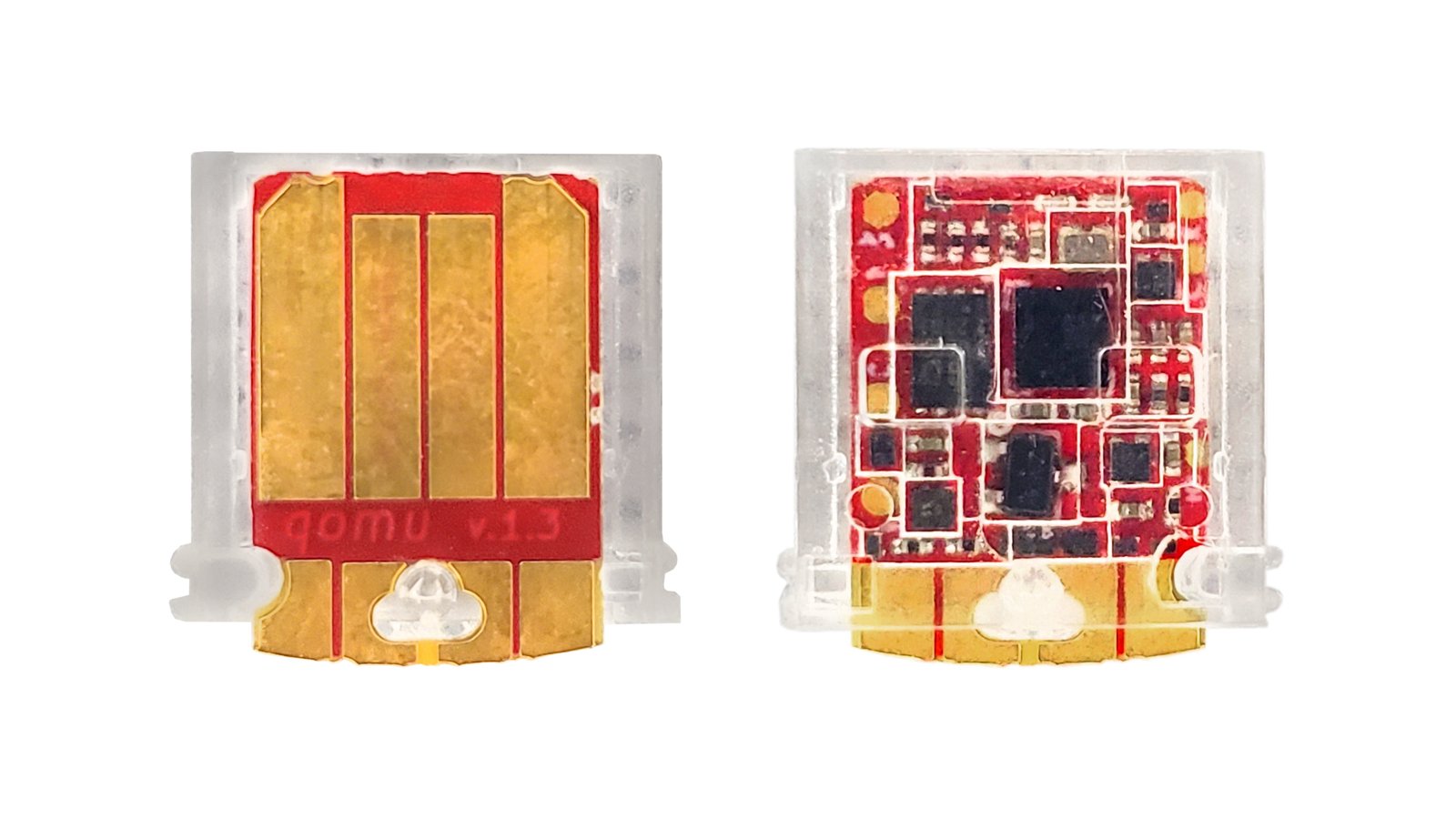
Project · Qomu
0.160
An MCU + eFPGA dev kit with 100% vendor-supported open source tools that fits inside your USB port
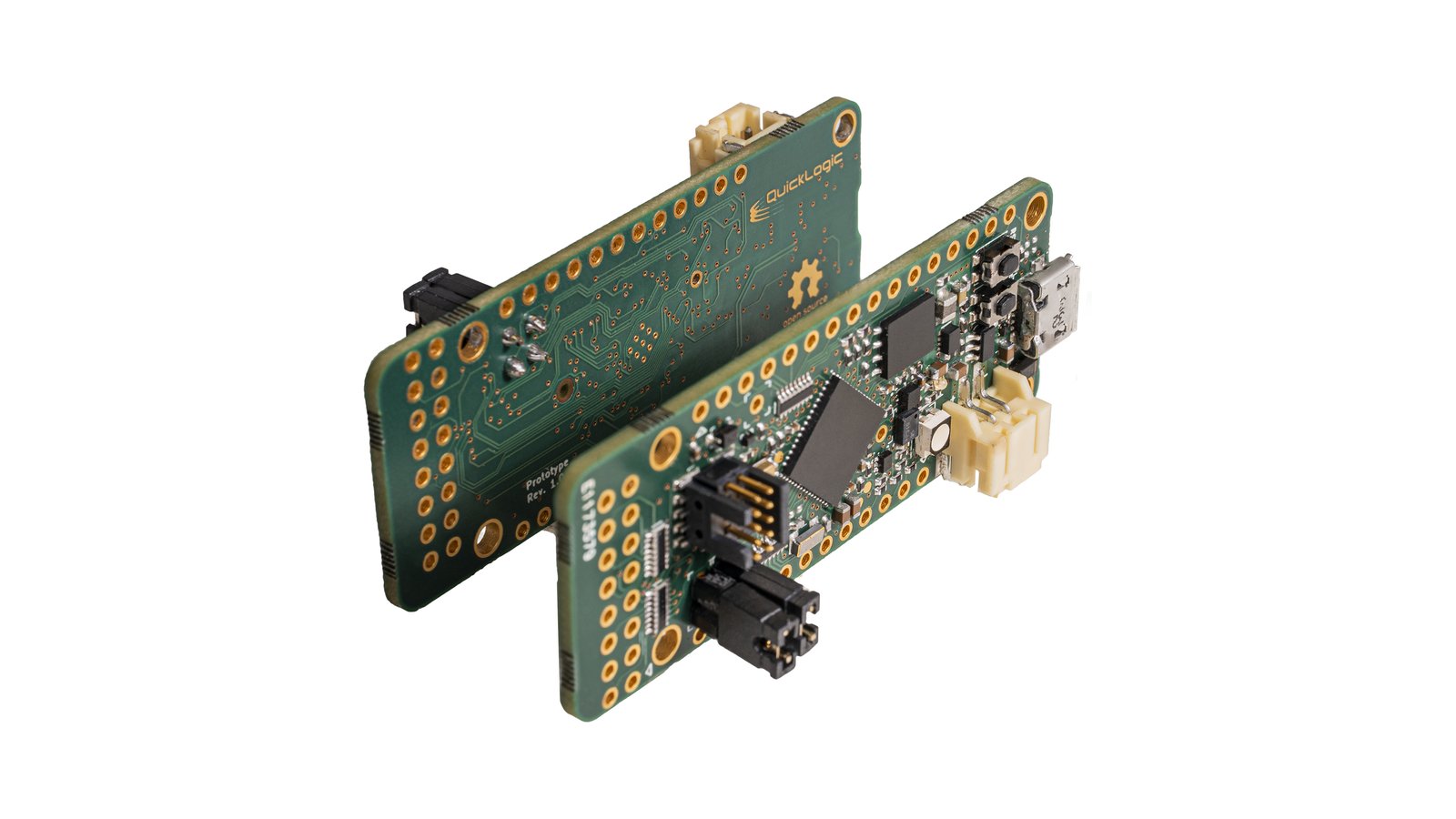
Project · QuickFeather
0.160
A 100% open source dev board for the EOS S3 low-power MCU with embedded FPGA
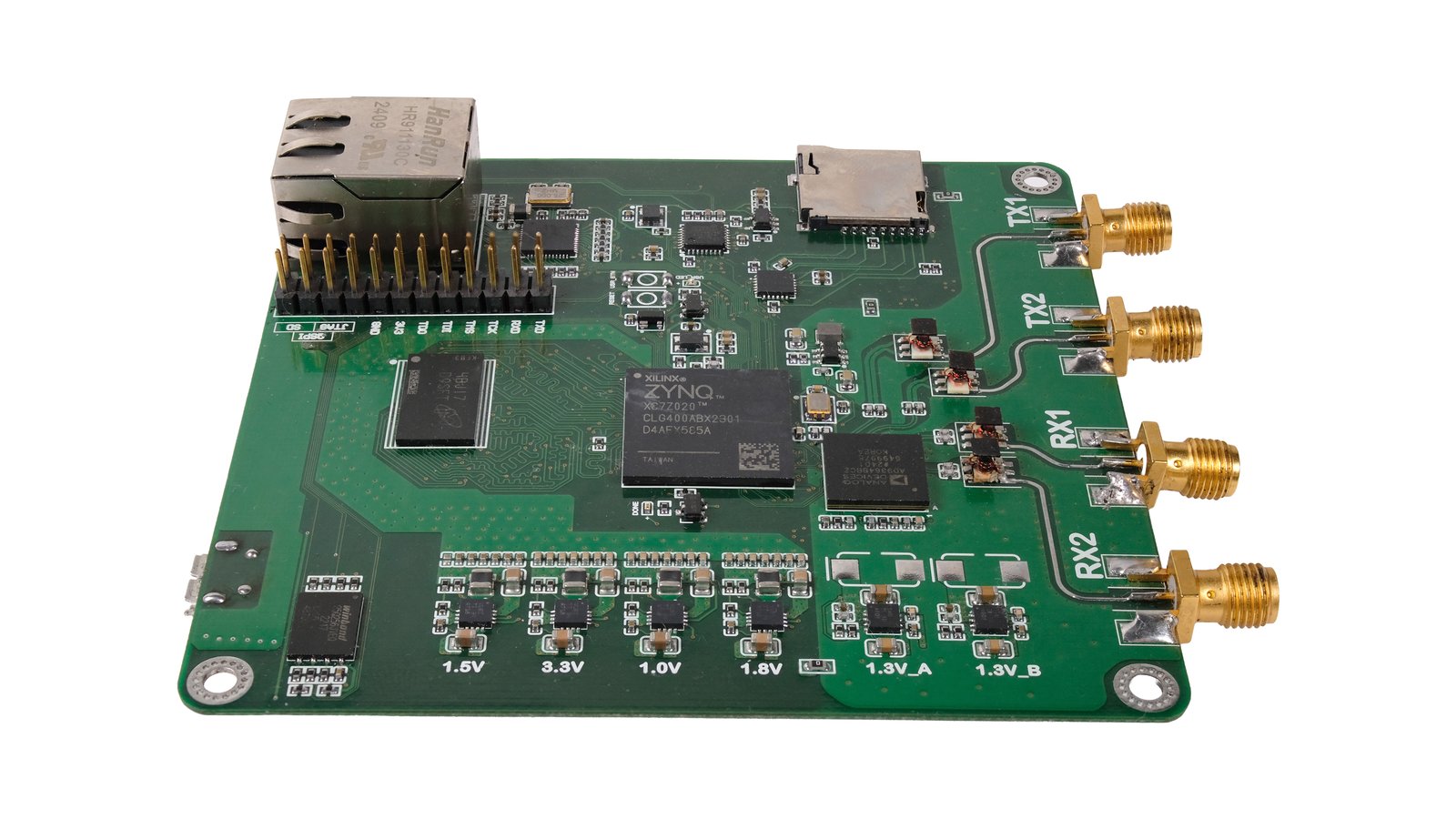
Project · Integrive-100
0.150
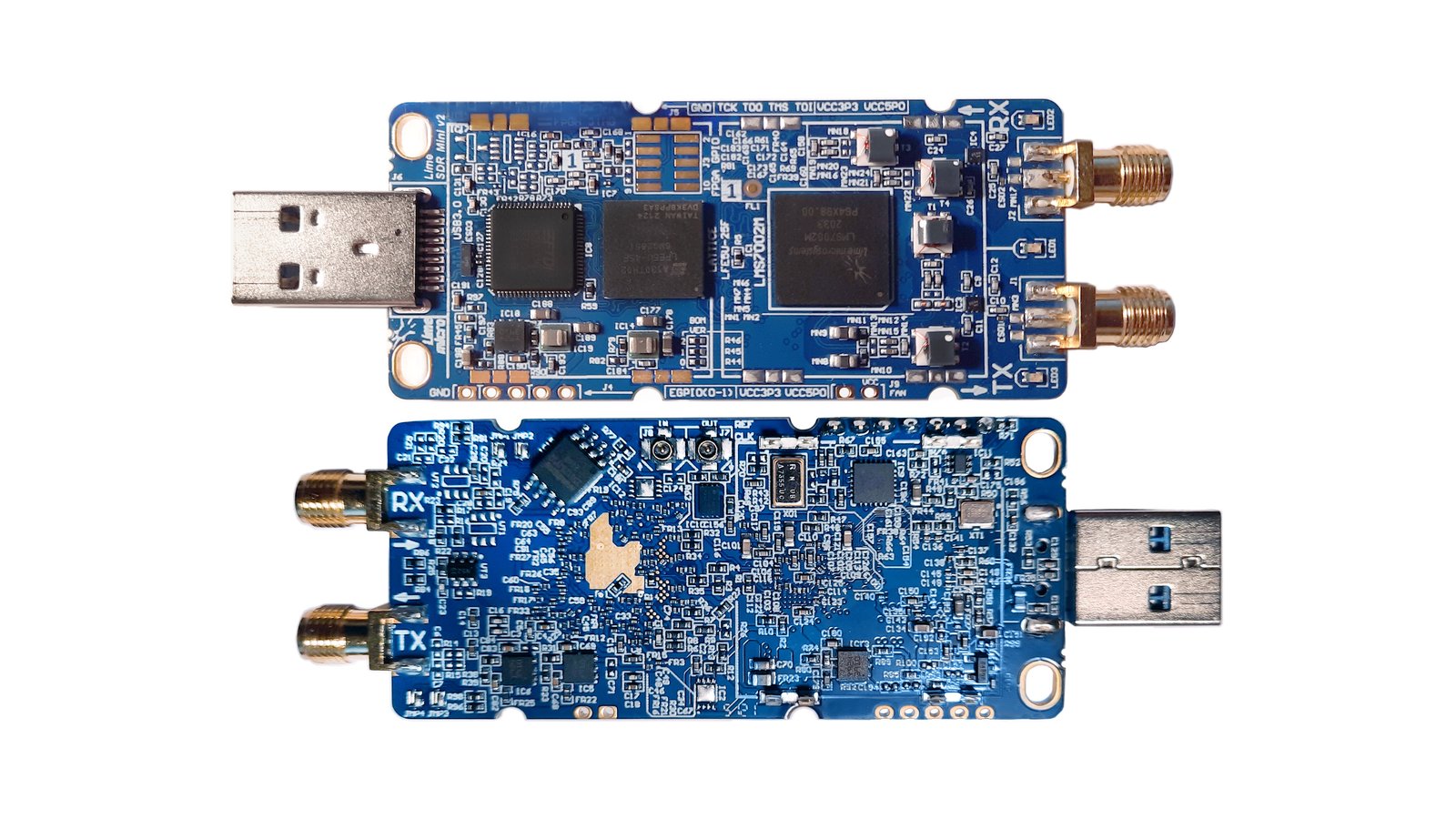
Project · LimeSDR Mini 2.0
0.150
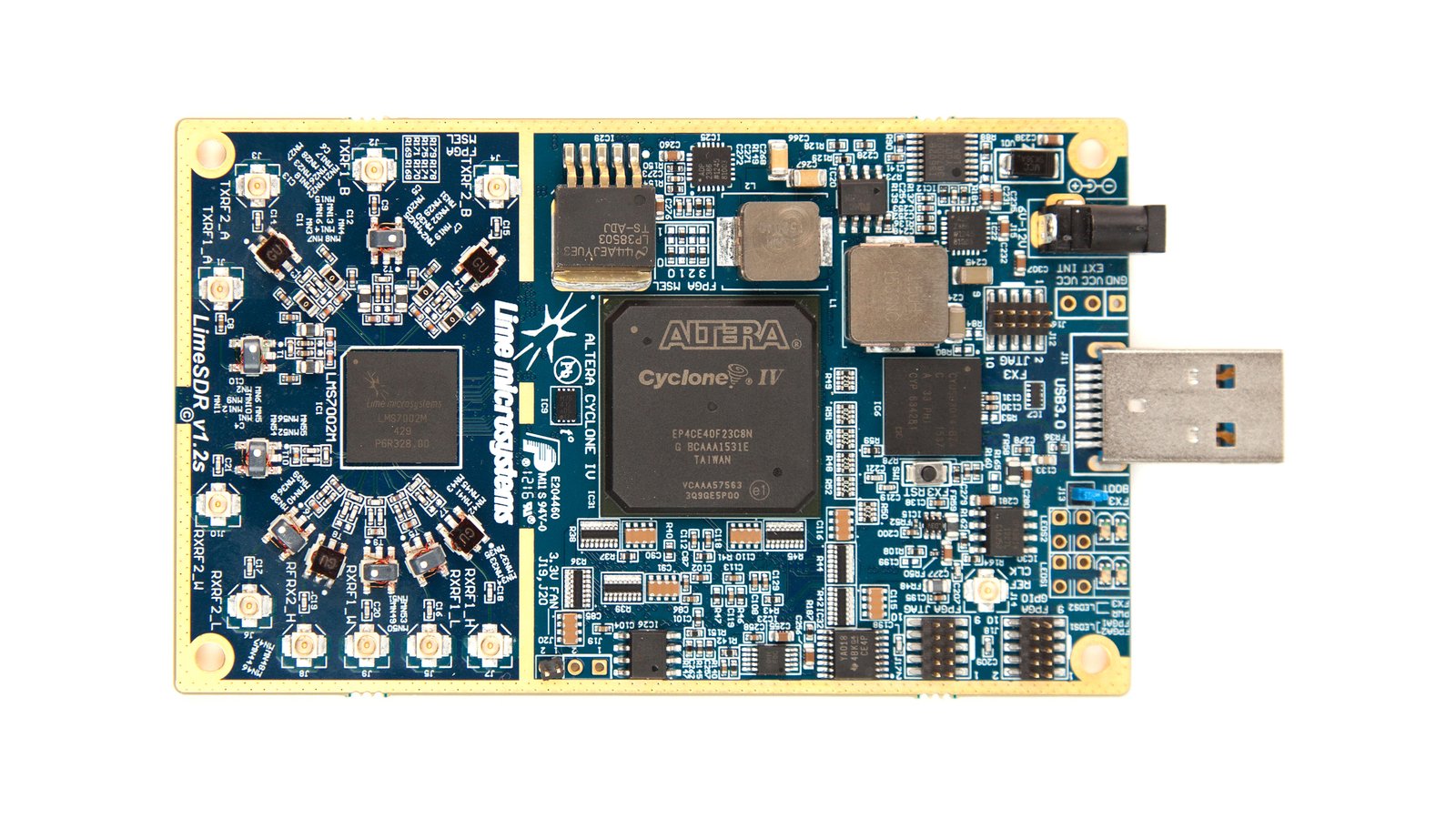
An open, full-duplex, USB stick software-defined radio
Project · LimeSDR
0.150
You no longer have to be a large corporation to be an innovator in wireless communications.
Project Update · Announcing XTRX Pro
0.150
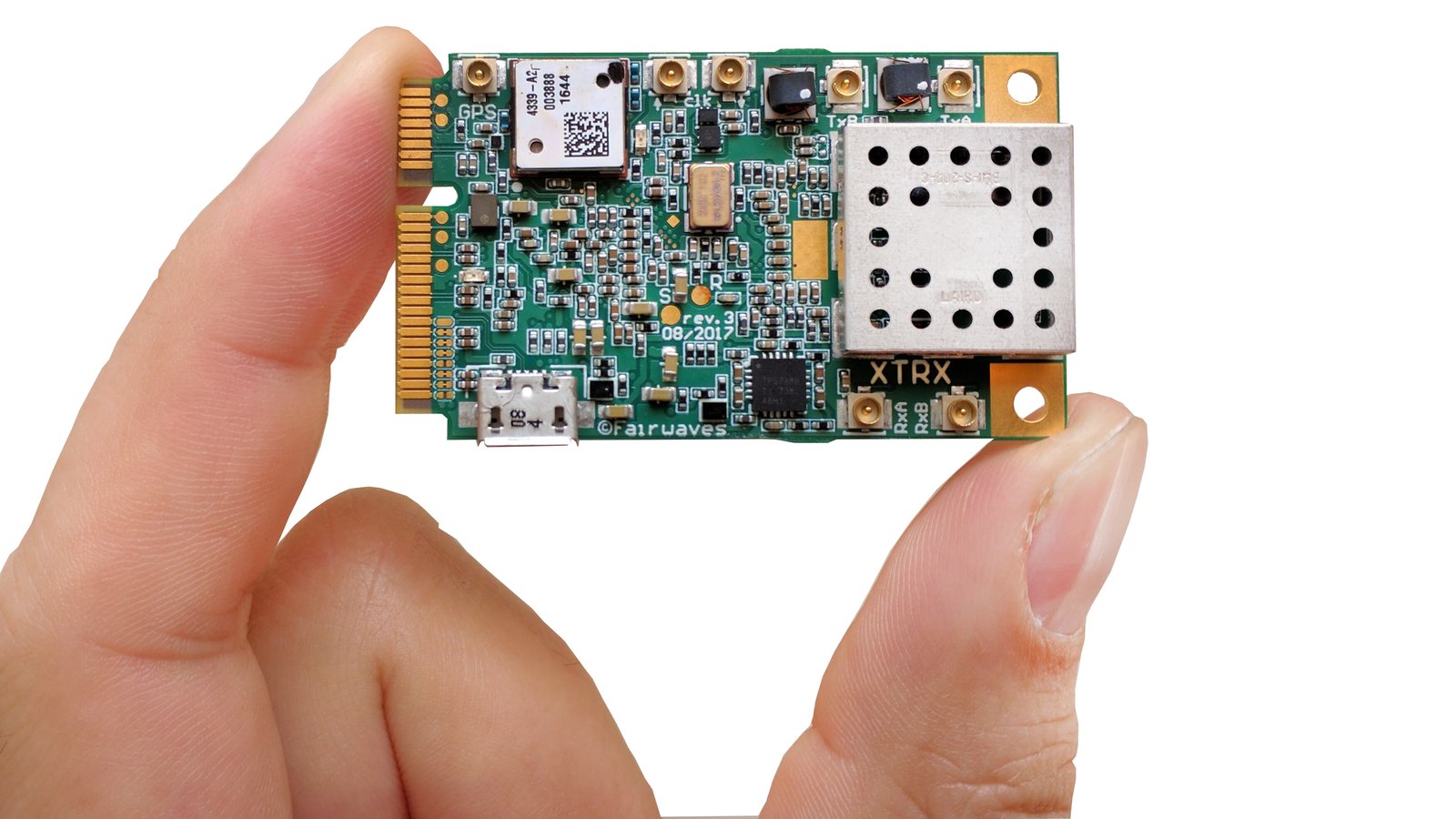
First of all, a massive thank you to everyone who backed the campaign,
supported us with messages, reported issues, helped fix them, ported
their apps to support XTRX, and shared their test results with us.
Project · PicoEVB
0.140
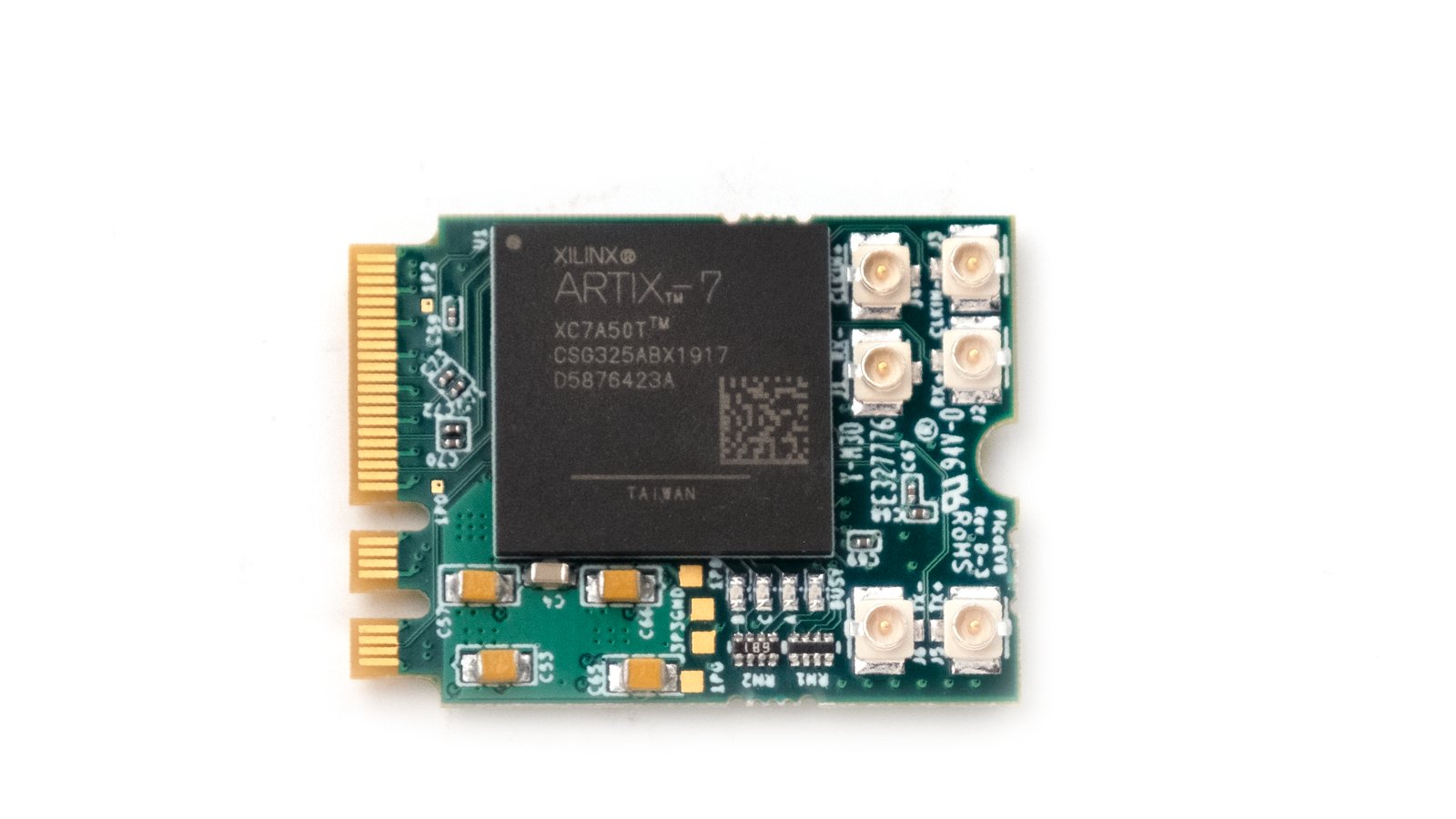
The Xilinx Artix dev kits that fit in your laptop. A convenient, affordable way to explore Xilinx PCIe IP.
Project Update · Hacking ScopeFun
0.140
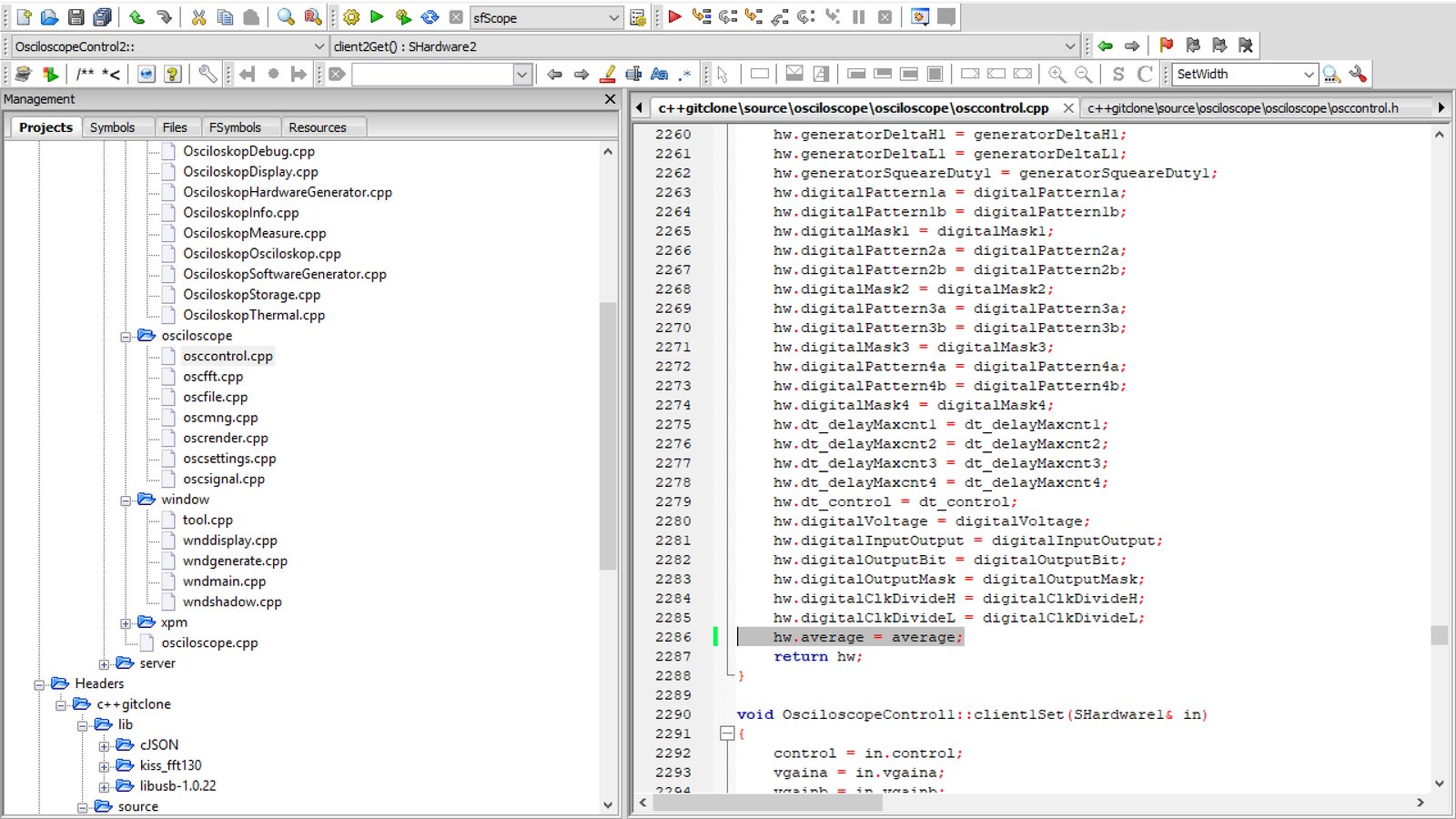
Because ScopeFun is completely open source, users can modify it or add new features simply by editing the source code. To show how easy it is to customize ScopeFun, we have created a short tutorial in which we implement a filter inside the FPGA to average digital samples coming from the onboard AD converter. As we discussed in our previous update, this filter has the effect of reducing noise in the captured signal.
Project · PolarFire SoC Icicle Kit
0.140
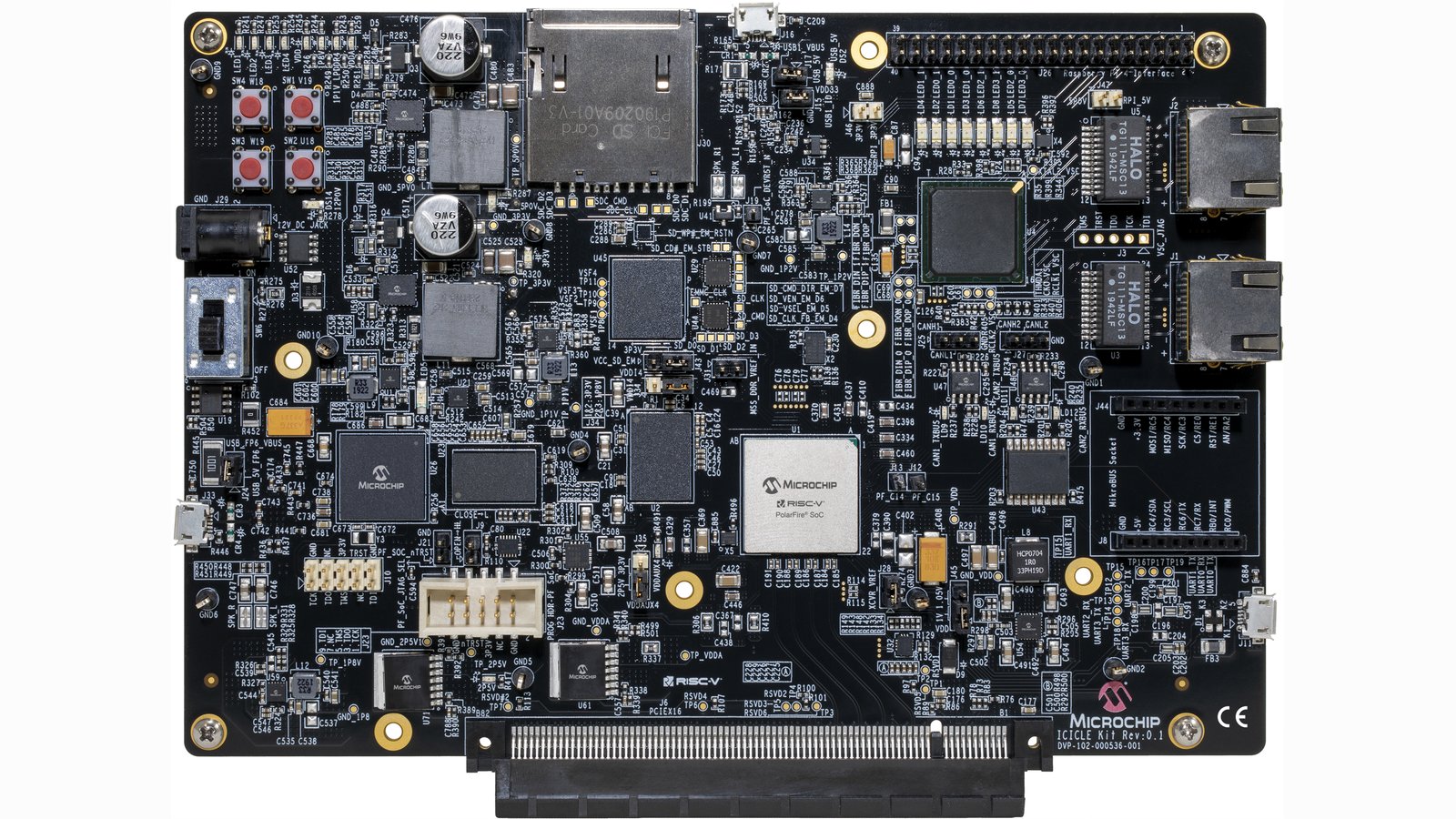
A low-cost dev kit for Microchip's PolarFire SoC, a low-power FPGA integrated with a hardened quad core 64-bit RISC-V microprocessor subsystem
Project Update · A Technical Deep Dive Into Glider
0.130
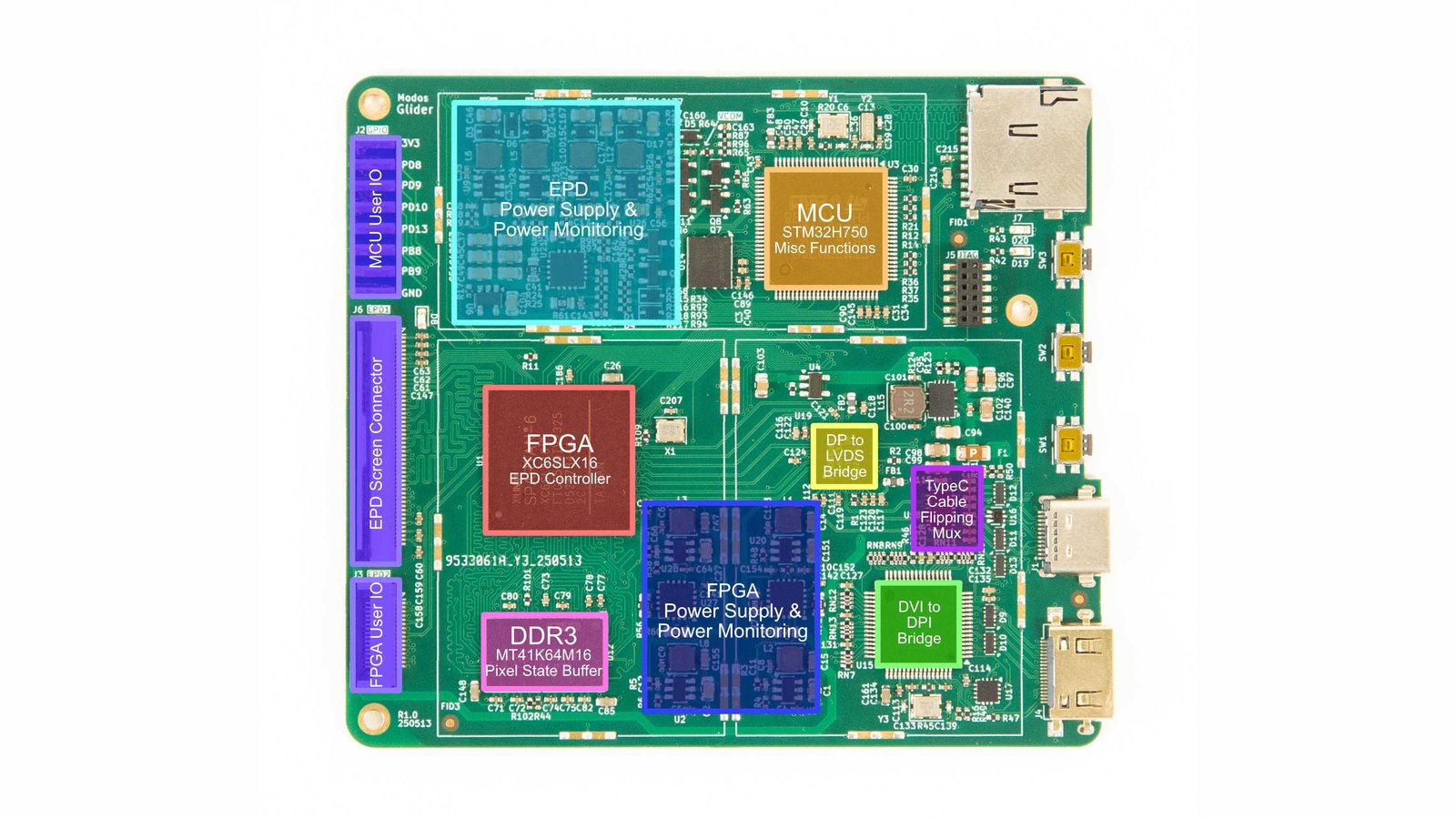
Glider is the core of the Modos Paper Dev Kit. It's an open-source, e-ink display controller board designed to enable low-latency, high-refresh e-paper displays. Unlike typical e-ink solutions, Glider focuses on reducing latency to make e-ink viable for interactive applications like coding, writing, and lightweight real-time use.
Project · LimeNET Micro
0.130
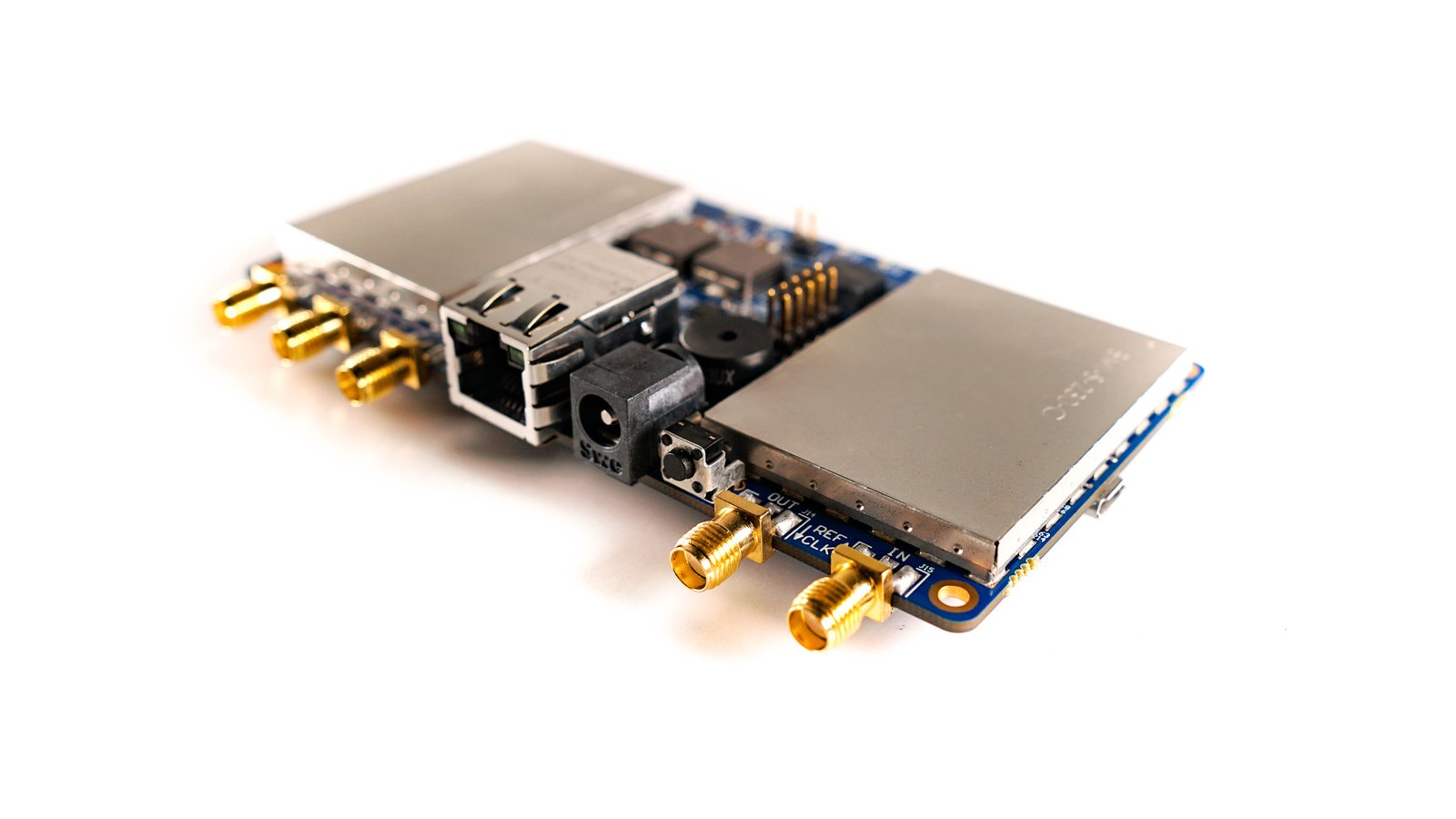
A software-defined radio platform with integrated processor for creating self-contained wireless networks
Project · HiFive Unleashed Expansion Board
0.130
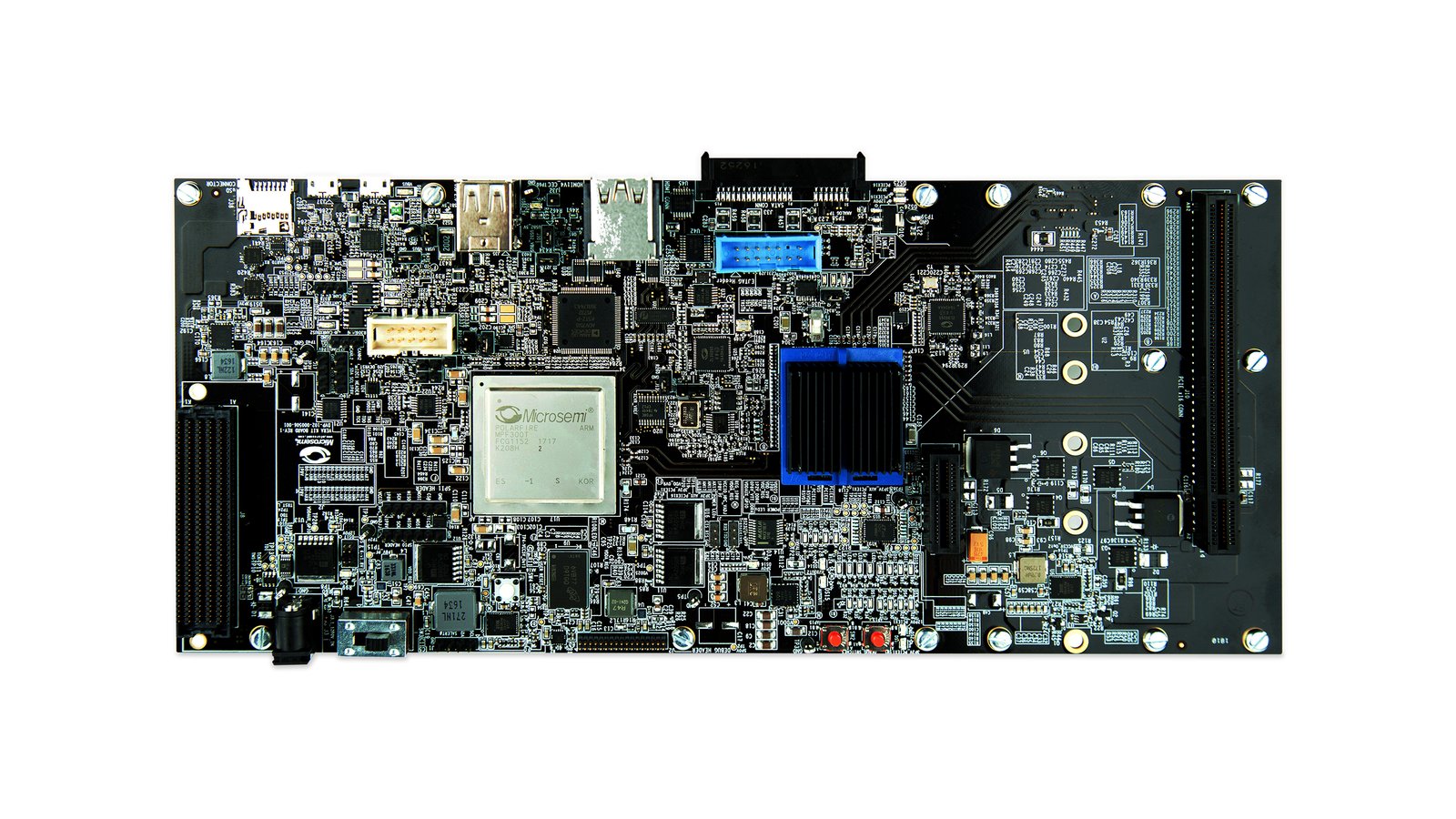
This board is purpose-built to expand the capabilities of the HiFive Unleashed board and comes pre-programmed with a PCIe Root Port in the PolarFire FPGA and much more. Make a RISC-V PC!
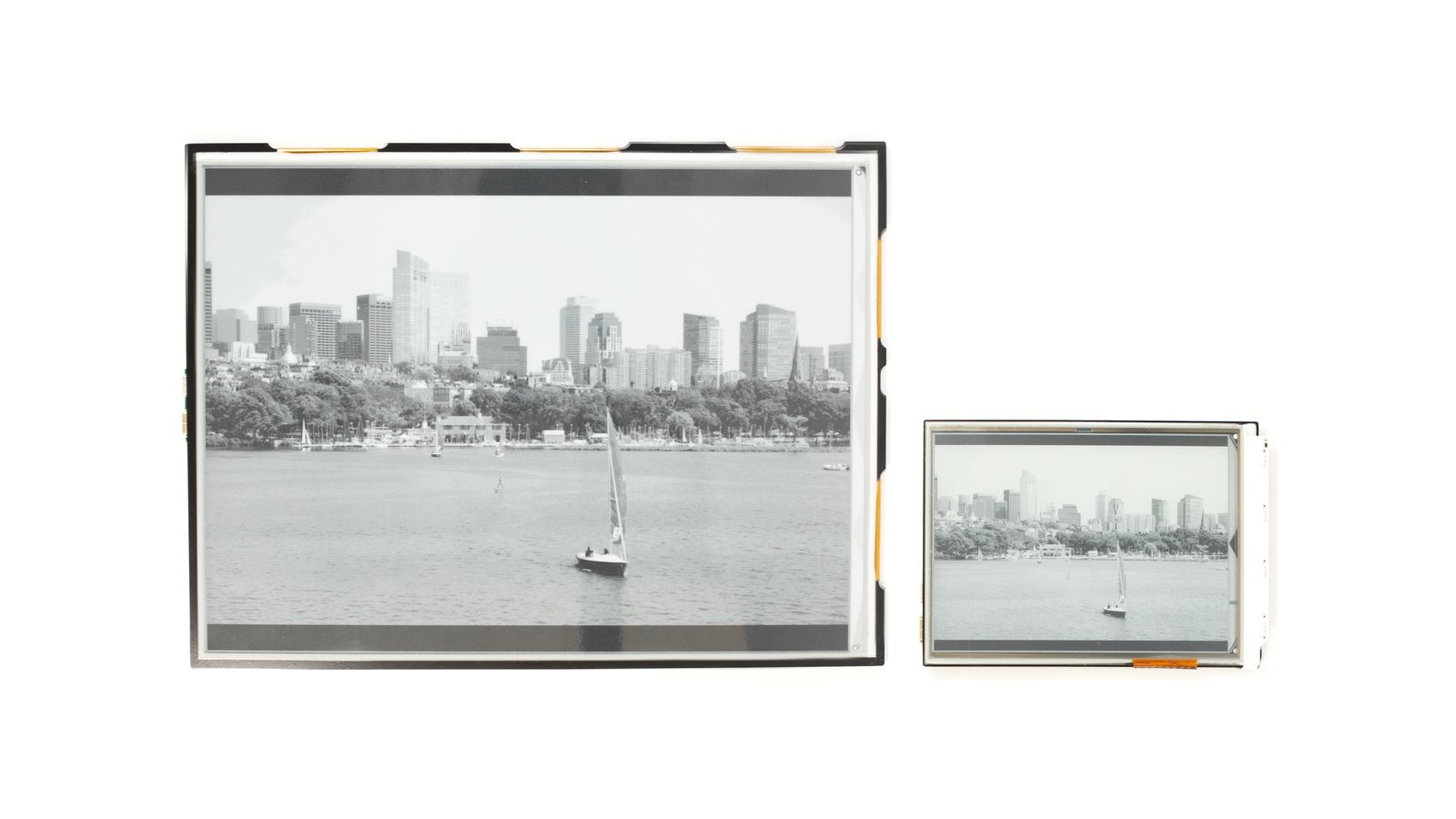
Project · Modos Paper Monitor
0.120
A fast, low-latency, open-hardware e-paper monitor and dev kit
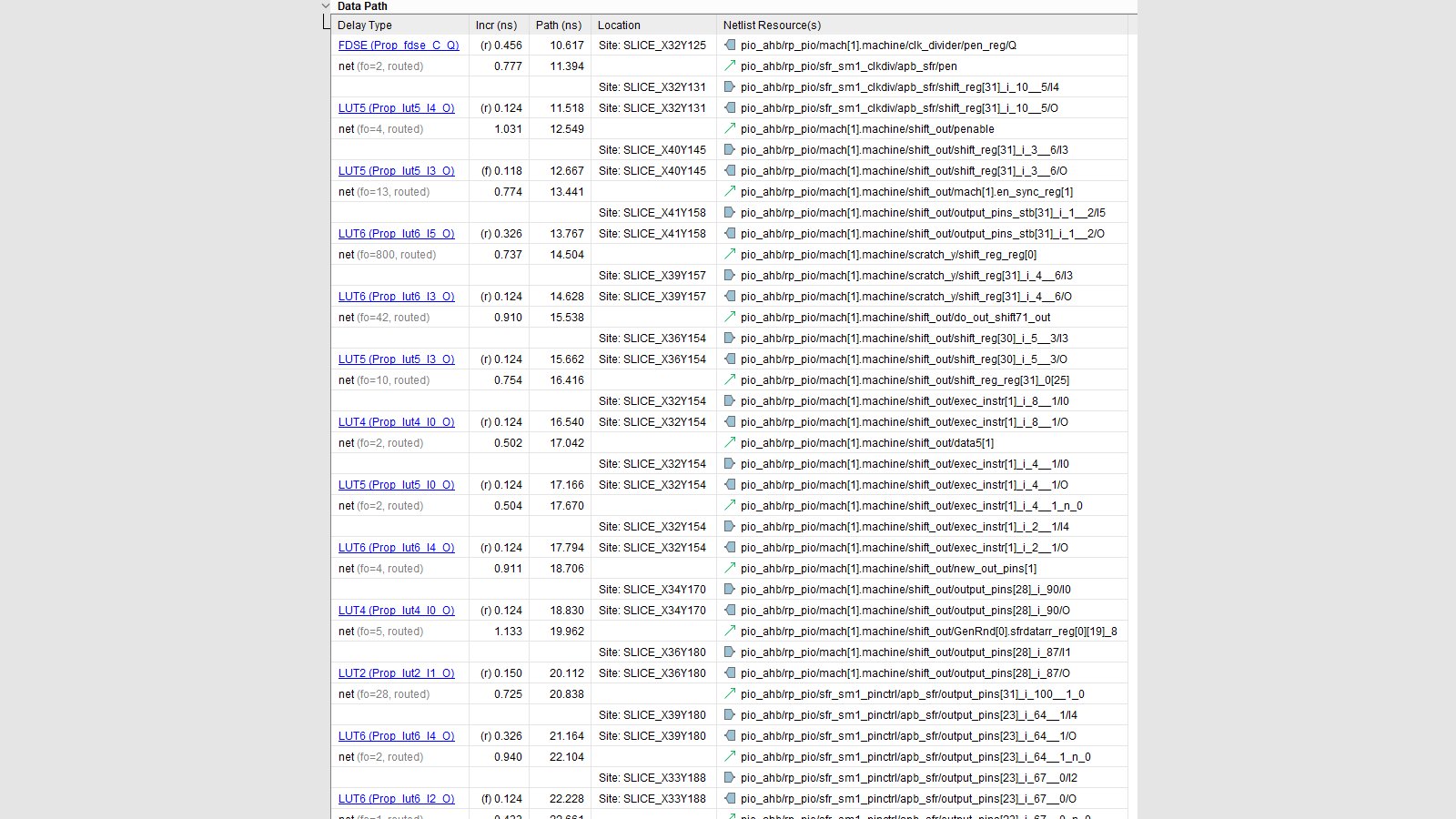
Project Update · BIO - The Bao I/O Co-Processor
0.120
BIO is the I/O co-processor in the Baochip-1x. In this update, I’ll talk about the origins of the BIO, starting by working through a detailed study of the Raspberry Pi PIO as a reference before diving into the architecture of the BIO.
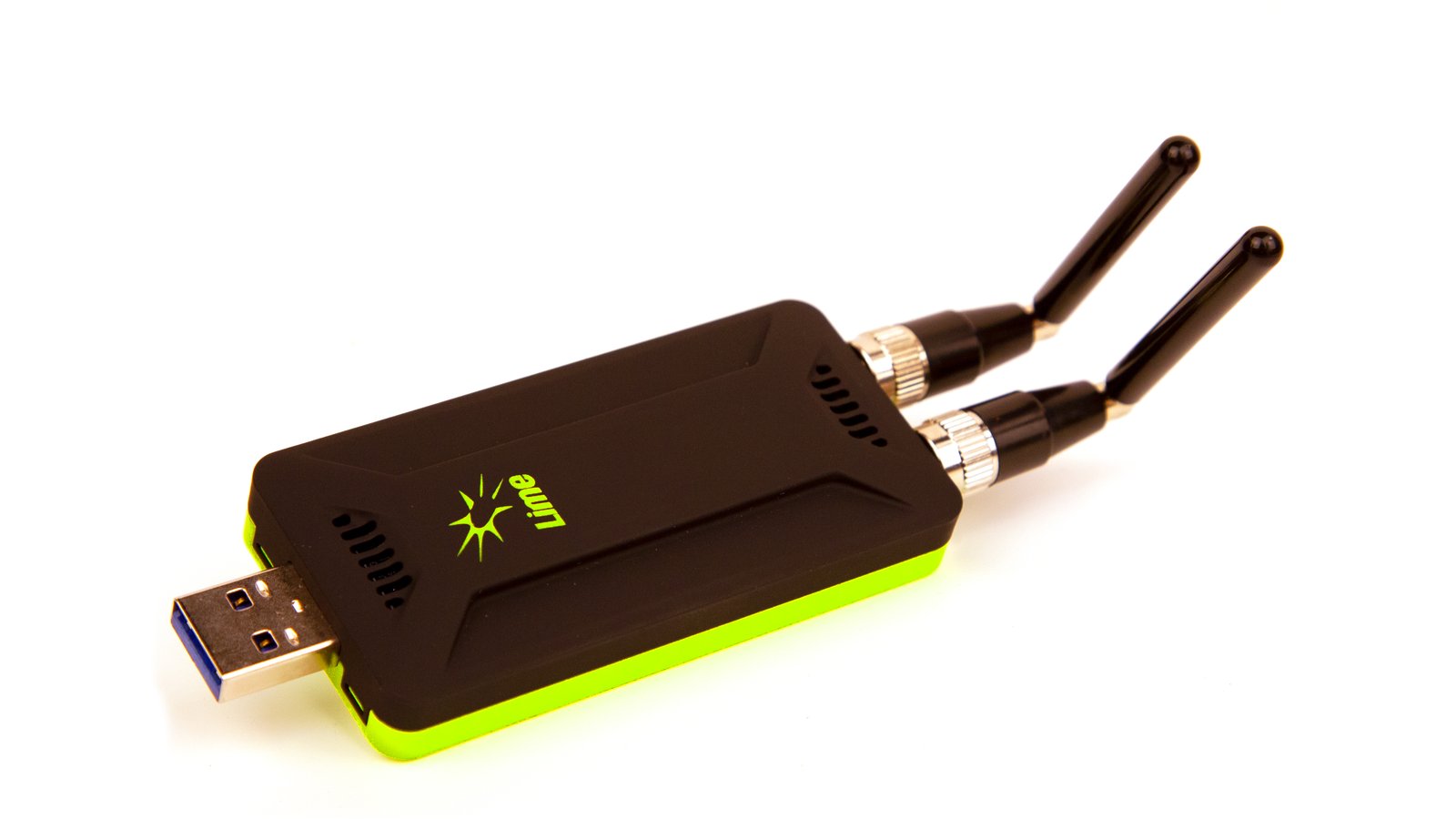
Project · LimeSDR Mini
0.120
An open, full-duplex, USB stick radio for femtocells and more
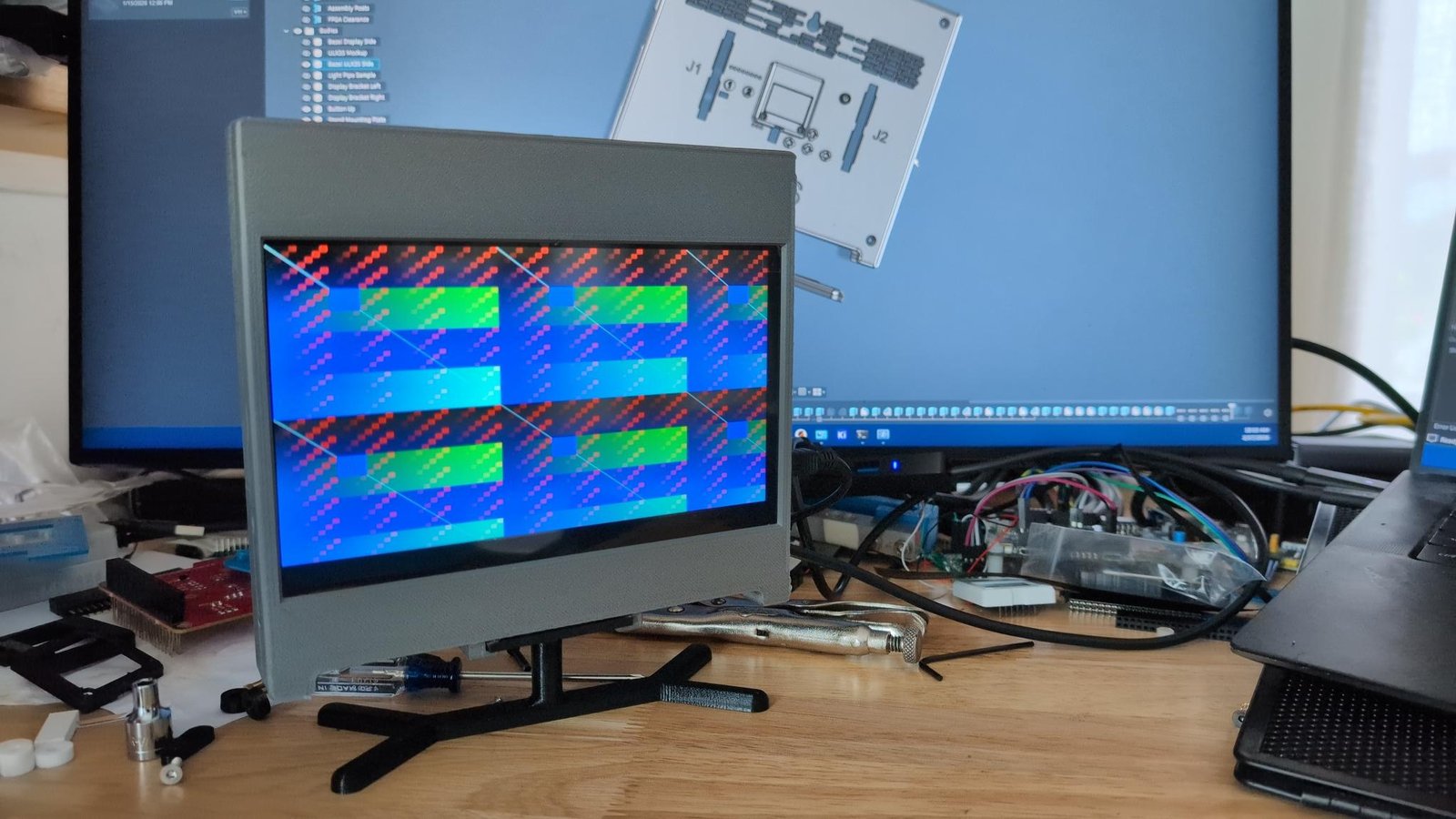
Project Update · New Enclosure & Upcoming Campaign News
0.110
A new open source, 3D printable enclosure now makes it easy to combine the ULX3S with a seven-inch HDMI display to create a compact, portable FPGA workstation.