Wavelet Lab
Software Defined Radio
xSDR
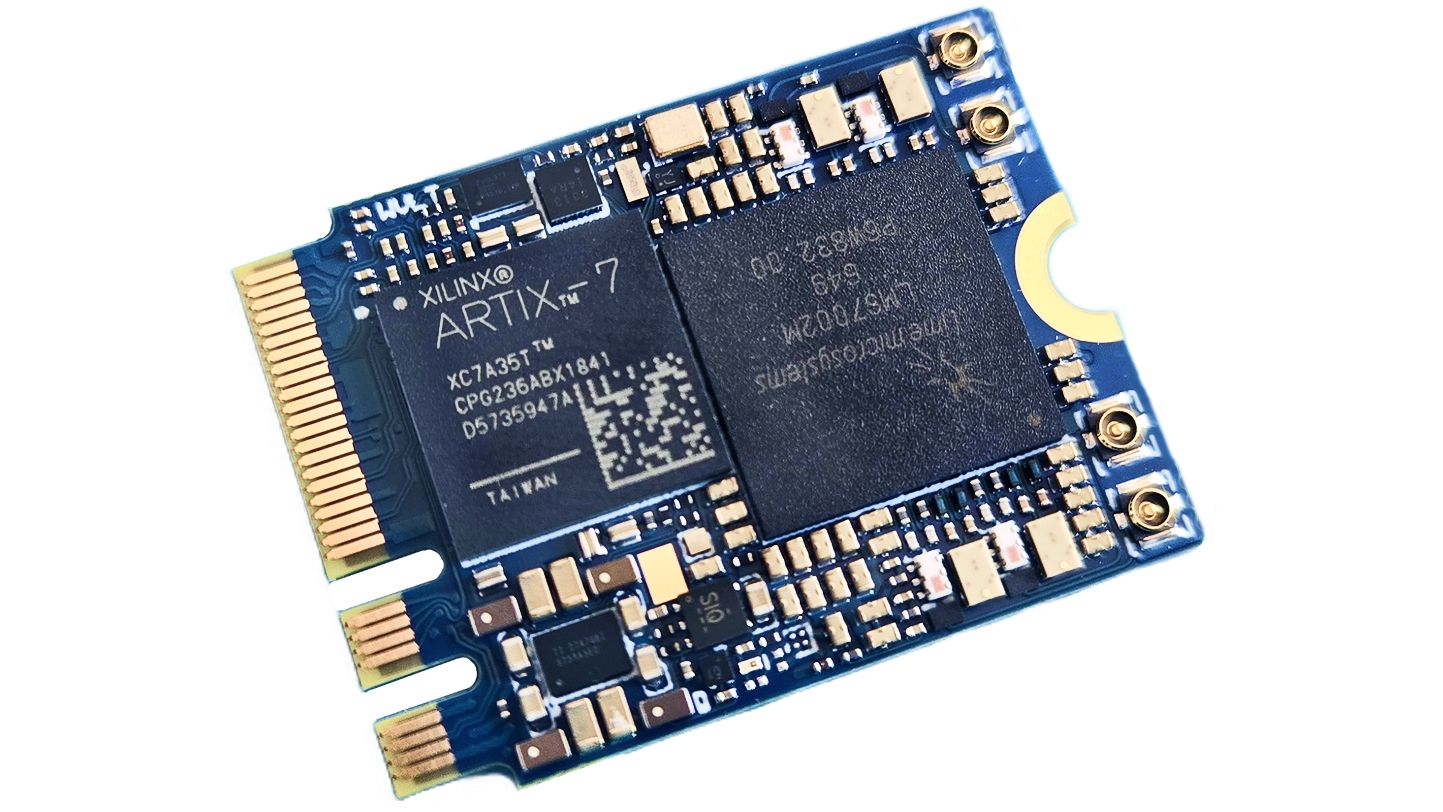
A tiny, single-sided M.2 software-defined radio with 2× RX / TX channels up to 3.8 GHz
Wavelet Lab
Software Defined Radio
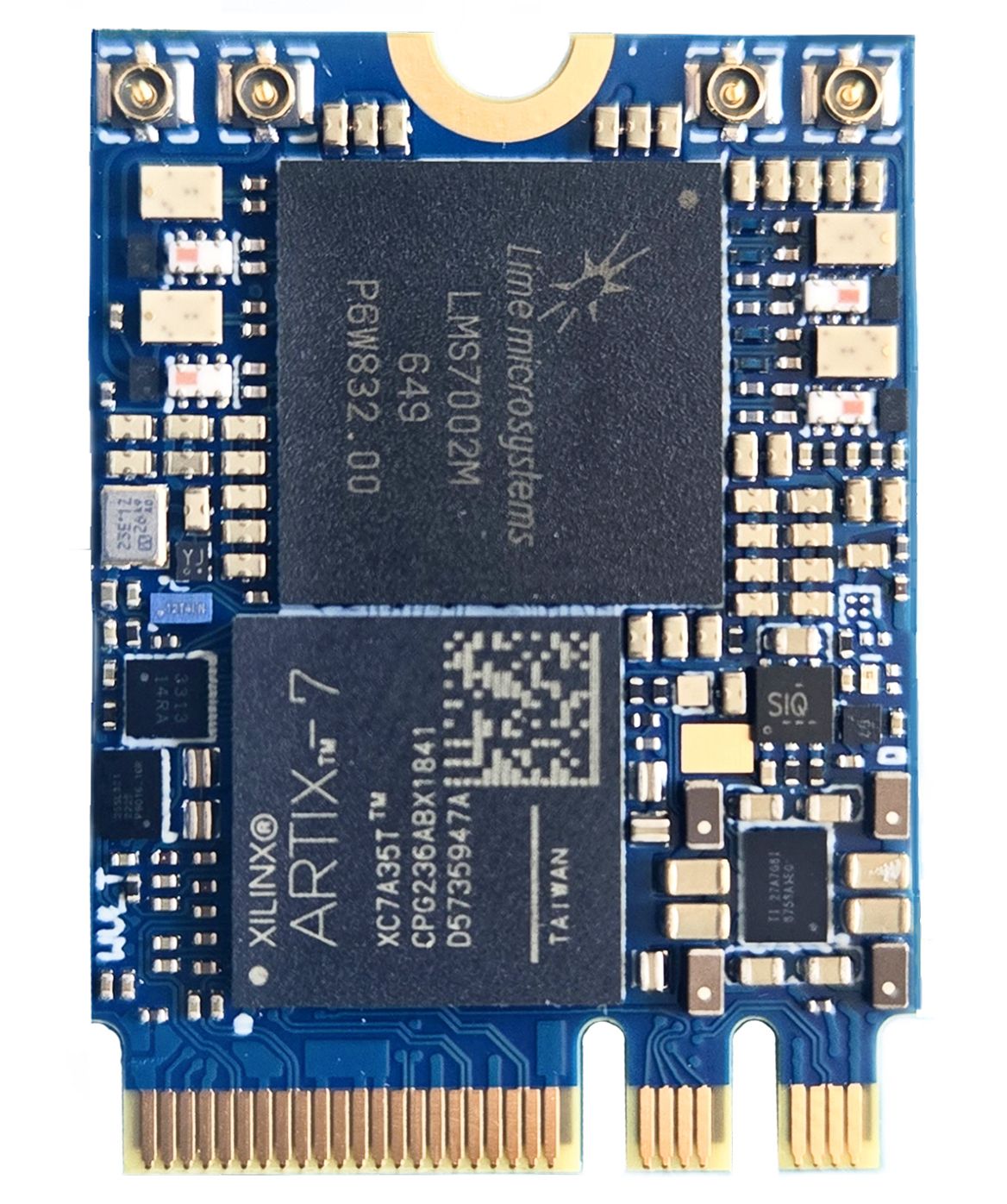
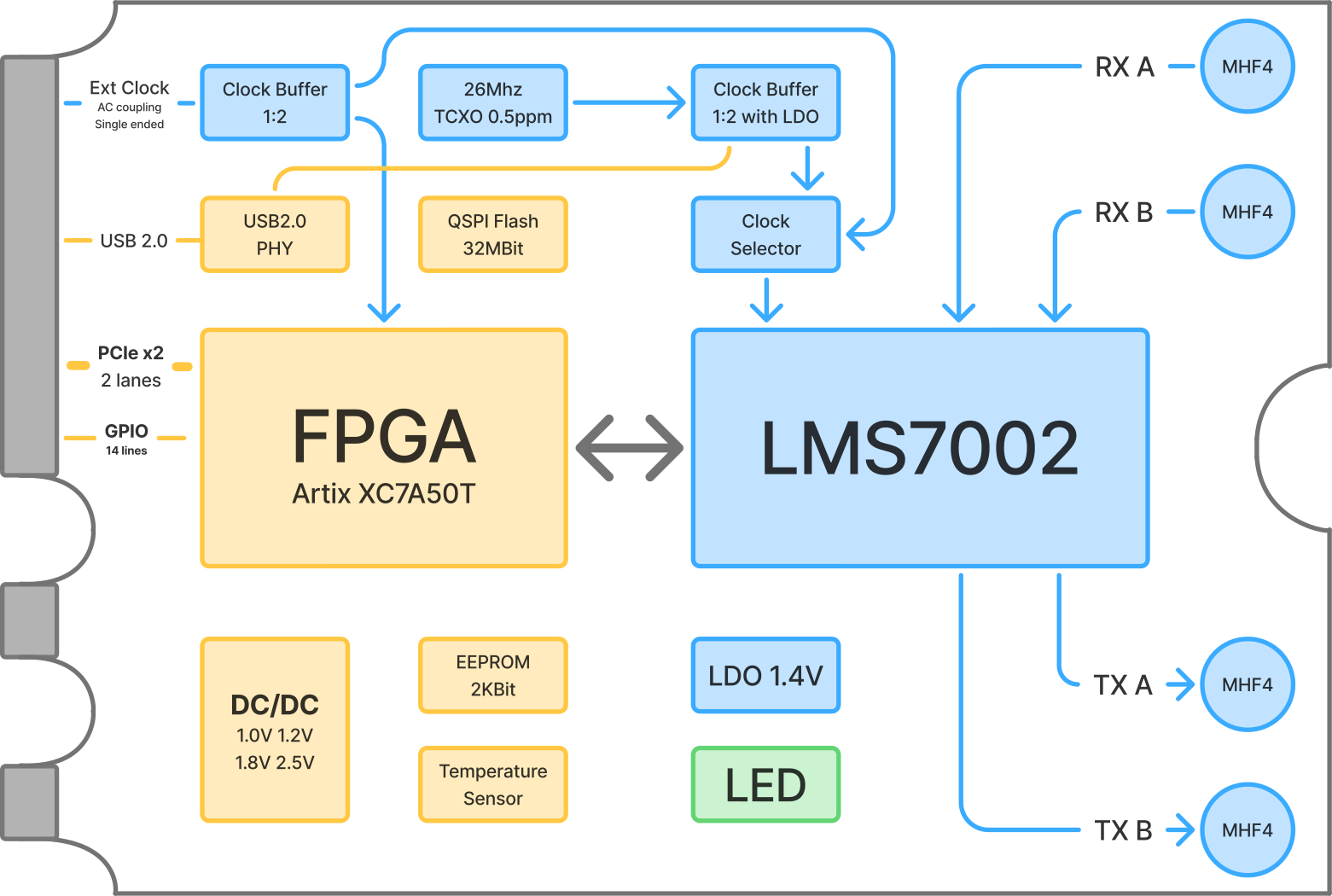
xSDR is a compact, single-sided M.2 software-defined radio designed for seamless integration into modern computing platforms. The “x” stands for extended; xSDR delivers extended bandwidth in the same minimal footprint as our previous model, uSDR. With 2x2 MIMO RX/TX channels, a wide 30 MHz–3.8 GHz tuning range, and up to 122.88 MSPS sampling and an updated FPGA, xSDR is a flexible platform for embedded RF, wireless research, signal intelligence, and rapid prototyping.
Designed to fit the M.2 2230 A+E-key form factor (30 mm × 22 mm), xSDR plugs directly into laptops, tablets, smartphones, and embedded computers. When paired with the wsdr.io web platform, it enables instant creation, control, and sharing of RF applications right from a browser, with no complex drivers or software setup required.
Traditional SDRs often force a trade-off between ease of use and performance. xSDR is designed to deliver both: serious RF capability in a form factor small enough to disappear into your system, paired with a modern, web-based software experience that dramatically reduces setup time and friction.
That’s why xSDR is ideal for work analyzing cellular communications (using open tools like BTS, eNodeB, or commercial ones like srsRAN or Amarisoft), embedded in edge computing devices where power and footprint are at a premium, or as a data link, connecting distant nodes using the web-based wsdr.io platform. Even in demanding scenarios like signals intelligence (SIGINT) or in industrial settings, xSDR is a fantastic solution.
Cellular Communication: Establish dedicated wireless networks by deploying BTS, eNodeB, or gNodeB systems using open-source platforms such as srsRAN and OsmoBTS.
Embedded: Develop compact, high-performance RF and frequency-analysis devices optimized for embedded and edge deployments.
Data Link: Build point-to-point or global communication channels using a browser-based or cloud-connected web platform (USB only).
Software Compatibility: Leverage a wide ecosystem of existing tools, including GNU Radio, srsRAN, and many others via SoapySDR.
| xSDR | uSDR | LimeSDR Mini 2.0 | AntSDR E200 9363 | KrakenSDR | HackRF PRO | Sidekiq™ M.2 | |
|---|---|---|---|---|---|---|---|
| Host interface | M.2 2230 A+E key (USB & PCIe) | M.2 A+E key (USB & PCIe) | USB 3.0 | Ethernet | USB 2.0 | USB 2.0 | M.2 B+M key (USB & PCIe) |
| Adapters for other interfaces | Yes | Yes | No | No | No | No | Yes |
| Size | Tiny (22 × 30 × 2 mm) | Tiny (22 × 30 × 2 mm) | Medium | Medium | Large | Large | Small (30 × 42 × 4 mm) |
| Channels | 2 RX + 2 TX | 1 RX + 1 TX | 1 RX + 1 TX | 2 RX + 2 TX | 5 RX | 1 RX or 1 TX (half-duplex) | 2 RX + 2 TX |
| Web UX | Yes (Native WebUSB) | Yes (Native WebUSB) | No | No | Yes | No | Unknown |
| Capable of cellular communication ¹ | Yes | Yes | Yes | Yes | No | No | Yes |
| Frequency | 30 – 3800 MHz | 300 – 3700 MHz | 10 – 3500 MHz | 325 – 3800 MHz | 24 – 1766 MHz | 1 MHz – 6000 MHz | 70 MHz – 6000 MHz |
| Sample rate | 80 / 124 MSps | 30.72 MSps | 30.72 MSps | 61.44 MSps | 2.56 MSps | 20 MSps | 61.44 MSps |
| Price | $649 | $349 | $440 | $399 | $750 | $400 | Unknown |
¹ BTS, eNB or gNB via srsRAN, OsmoBTS, etc.
xSDR shares the same physical connector ecosystem as uSDR and is fully compatible with all existing uSDR adapters.
When uSDR adapters are used with xSDR, the system exposes one receive and one transmit RF channel (1 RX + 1 TX). This applies to the development board, as well as to the USB and Mini PCIe adapters.
Note: Additional RF paths can be accessed by routing signals directly via MHF4-to-SMA cables.
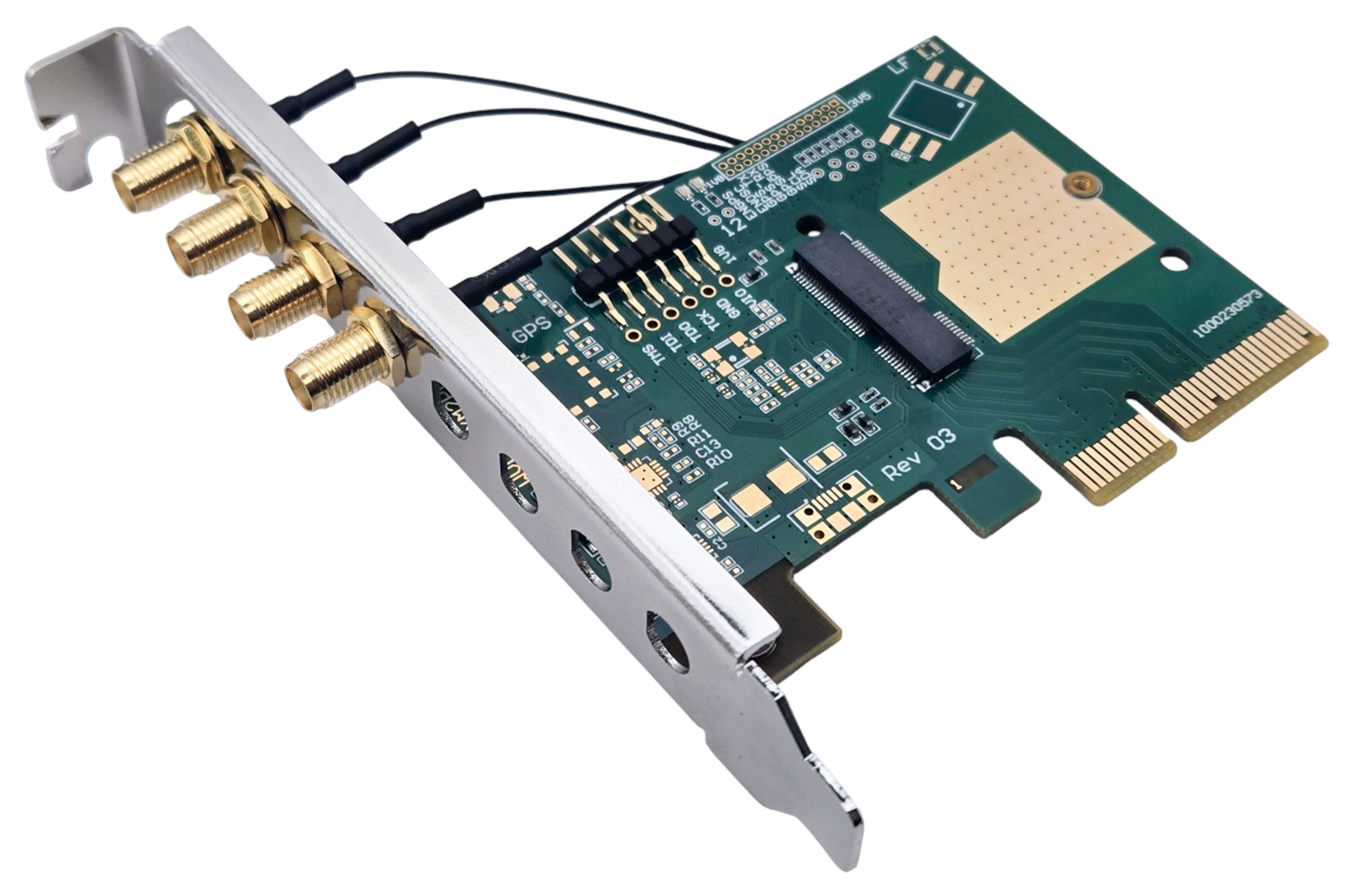
As part of this campaign, we are also introducing a new M.2-to-PCIe breakout board, designed to provide improved integration options and expanded access for xSDR in desktop and embedded systems. This adapter has PCIe x4 host interface and JTAG connector exposed that makes it ideal for custorm firmware development.
xSDR is compatible with established SDR tools such as GNU Radio, srsRAN, and SoapySDR. It also integrates seamlessly with the wsdr.io web platform, providing a streamlined environment for rapid RF solution development.
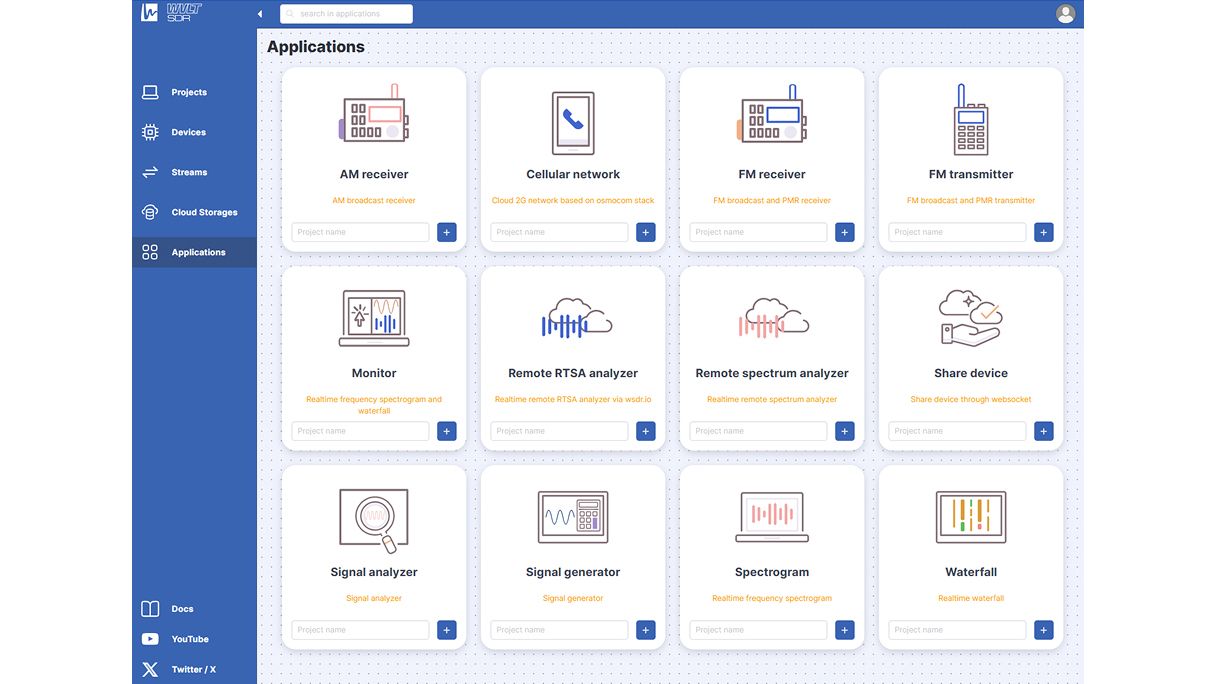
Users can build applications using a browser-based application builder or choose from ready-to-use apps, enabling effortless creation, deployment, and scaling of RF workflows, from spectrum analysis to complex wireless communication systems, including cloud-based setups via wsdr.io
With support from NLnet Foundation we’re making cellular networks more accessible, open, and developer-friendly. The WSDR cellular network initiative focuses on lowering the barrier to building and experimenting with LTE and 5G systems, combining open-source software, web-based tools, and compact SDR hardware like xSDR, uSDR, and sSDR.
xSDR shares the same host software codebase as the uSDR platform, released under the MIT license. Universal support libraries and tools are hosted on our GitHub, enabling a smooth transition from uSDR to xSDR and xMASS with minimal software changes.
FPGA gateware is released under the CERN-OHL-P-2.0 license and is available on GitHub. Host libraries are released under the MIT license and are available on GitHub. Pre-built packages are hosted on Launchpad.
The xSDR schematic will be published after the campaign is completed. General information about features and installation can be found on our website.
After our production run is complete, we will package everything up and send it along to Crowd Supply’s fulfillment partner, Mouser Electronics, who will handle distribution to backers worldwide. You can learn more about Crowd Supply’s fulfillment service under Ordering, Paying, and Shipping in their guide.
xSDR is part of Lime SDR Accelerator
Lime Microsystems LMS7 RFIC · LMS7002M
xSDR is part of AMD FPGA Playground
AMD Artix 7 FPGA · XC7A35T-2CPG236C
xSDR is part of Qorvo RF Accelerator





Produced by Wavelet Lab in Boston, MA, USA.
Sold and shipped by Crowd Supply.
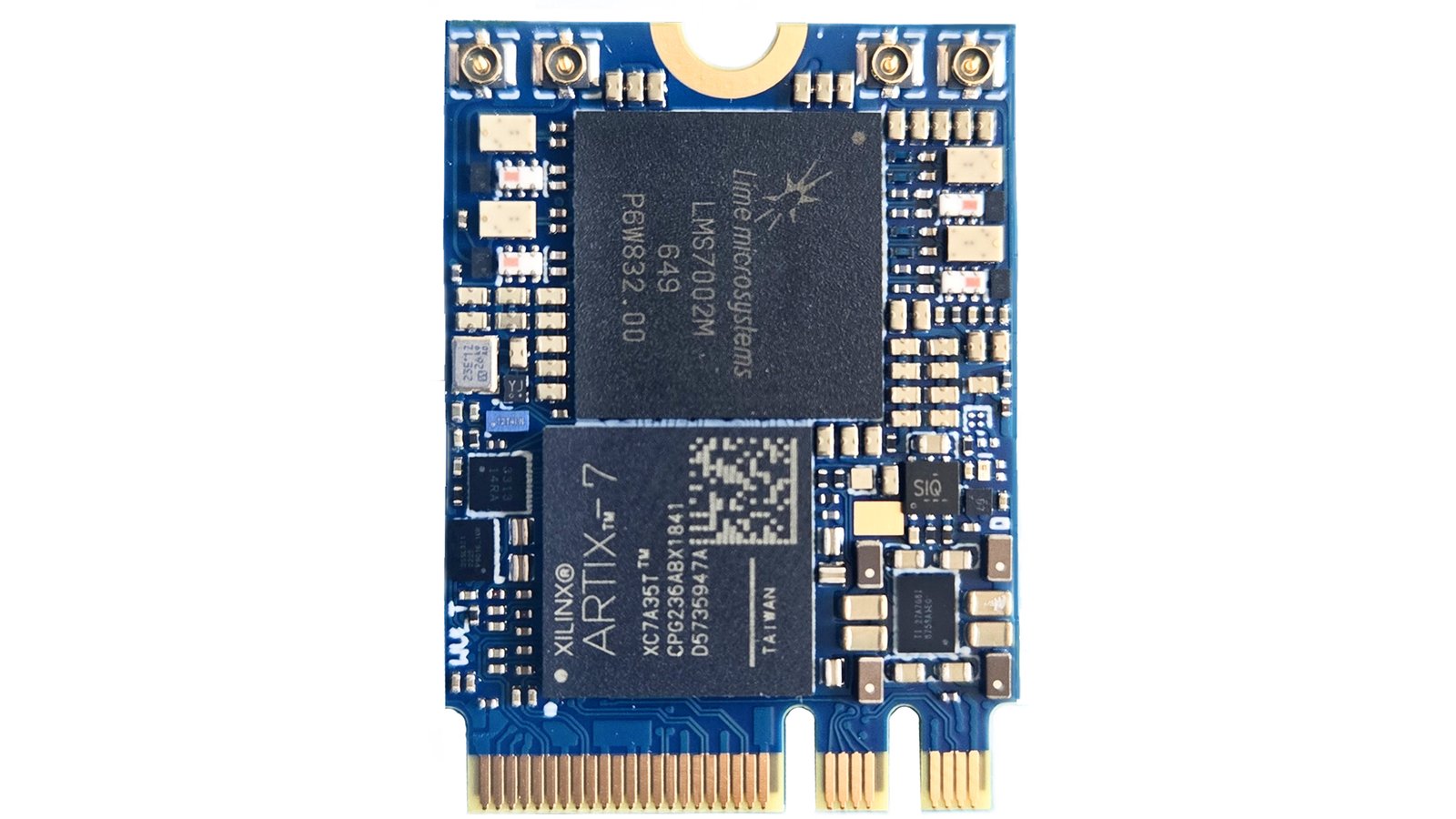
M.2 2230 A+E 2 RX/TX software-defined radio (SDR) board
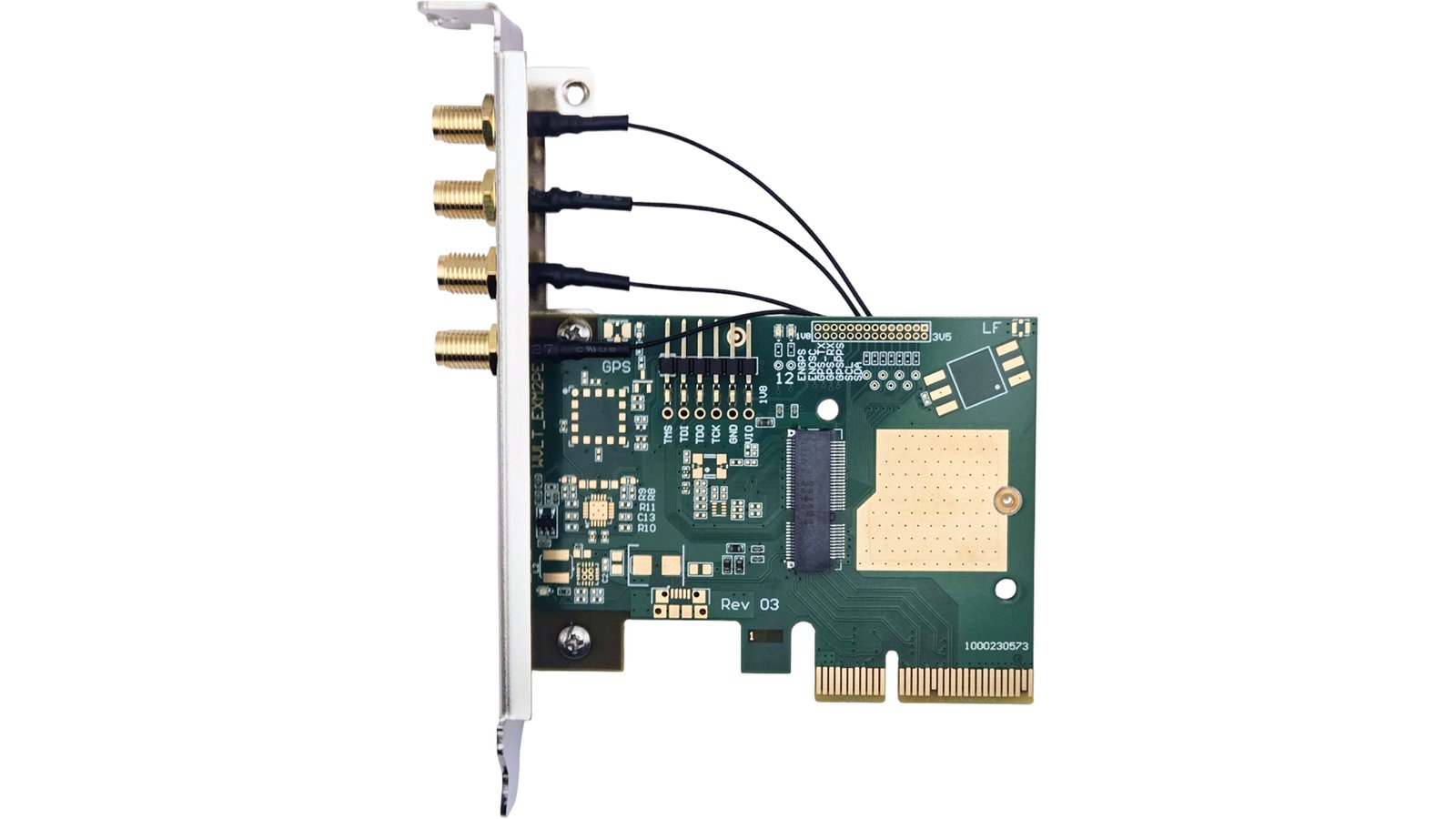
A breakout board for adapting xSDR to PCIe. Includes four (4) MHF4-SMA cables.
From the uSDR project.
Only one channel is needed for xSDR development.
A uSDR dev board with a frontend, RX/TX filters, USB Type-C & PCIe x4 interfaces, a GPSDO clock oscillator, and 12 GPIOs. Does not include a uSDR.
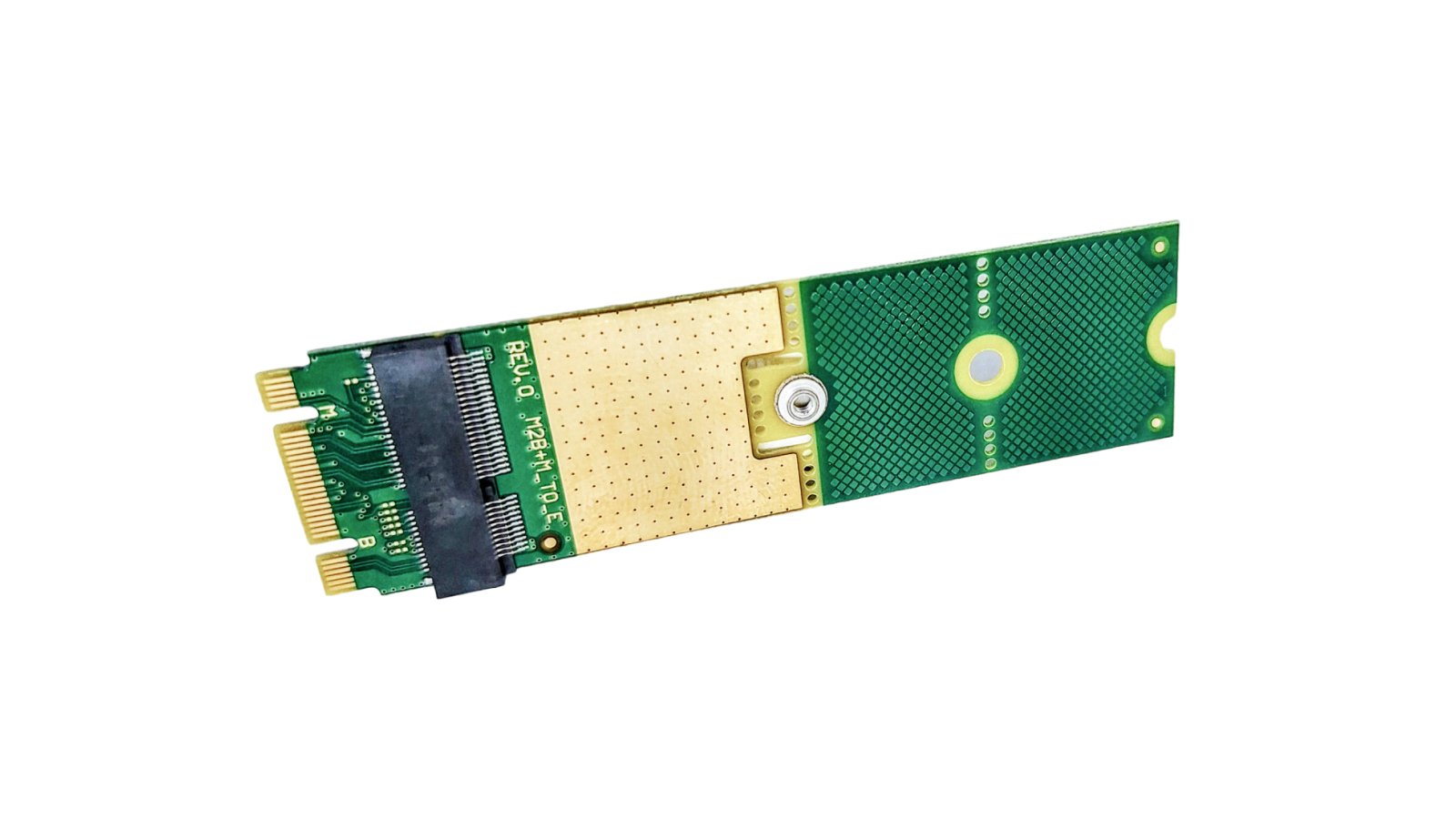
From the uSDR project.
An M.2 B+M-key adapter for uSDR. Comes with a thermal interface
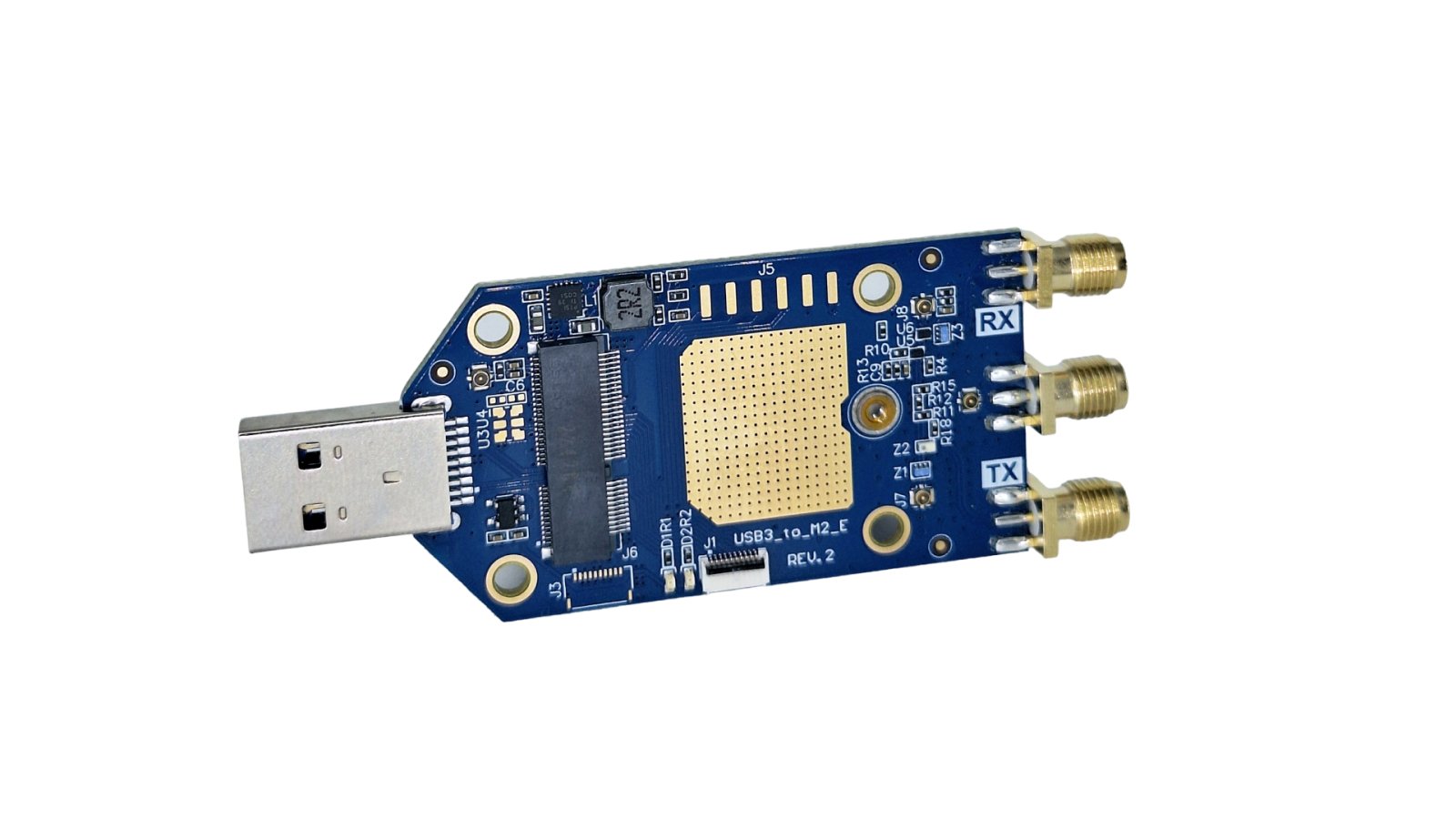
From the uSDR project.
A USB adapter for uSDR. Comes with a thermal interface, a heatsink, and cables
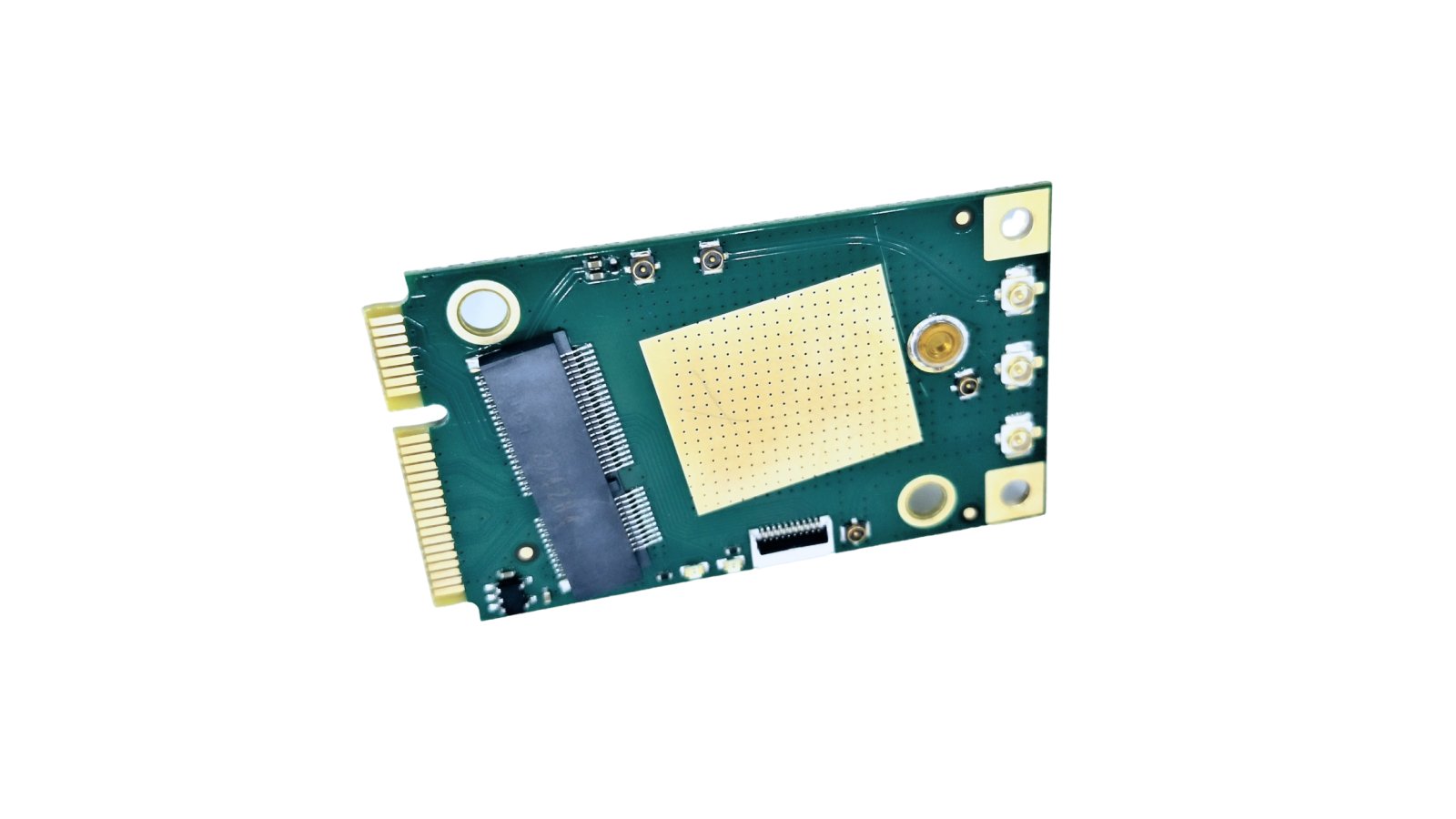
From the uSDR project.
A Mini PCIe adapter for uSDR. Comes with a thermal interface, a heatsink, and coaxial cables
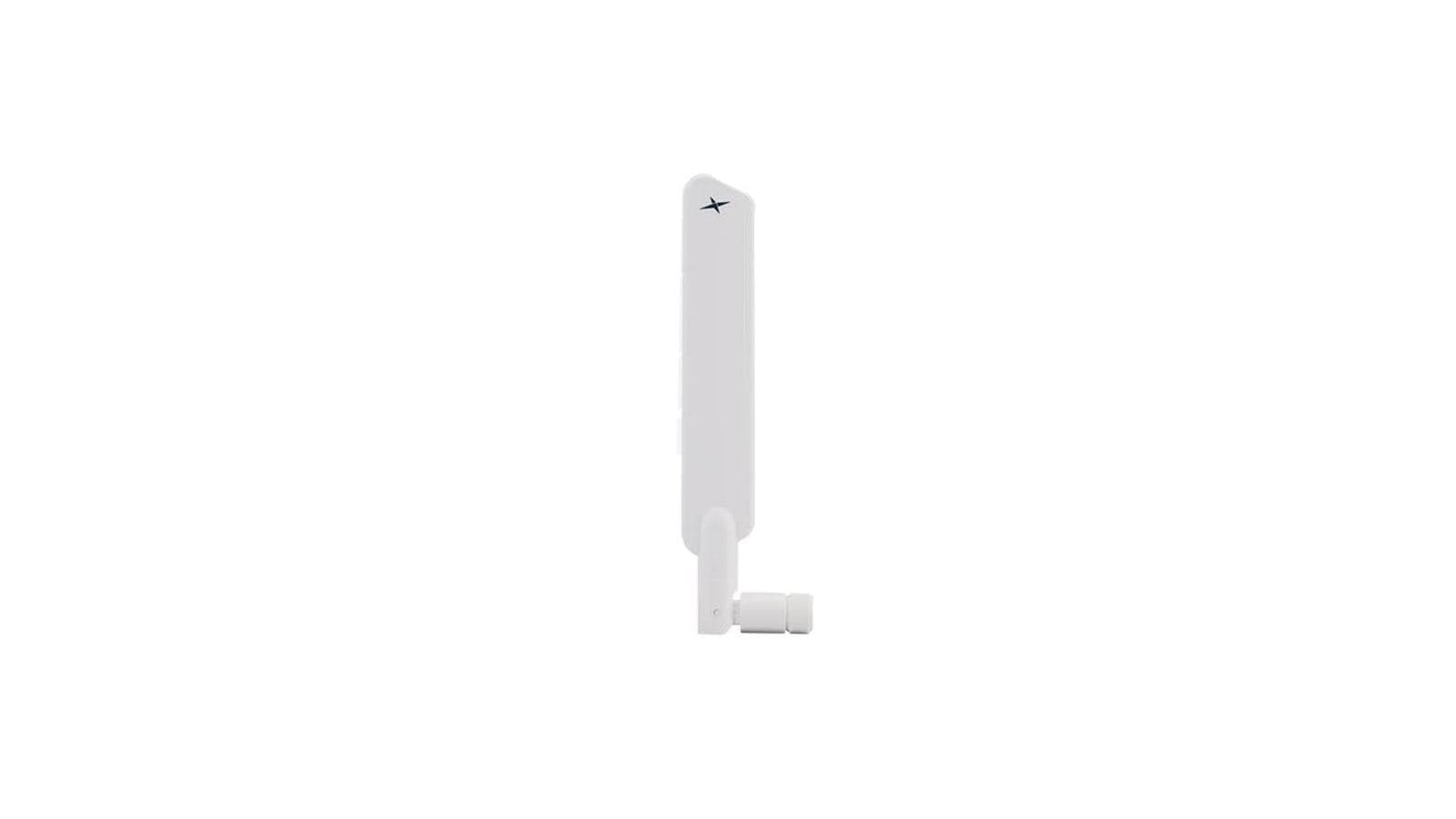
From the TG.55.8113W Cellular Antenna project.
A high-efficiency Taoglas TG.55.8113W tilt/swivel monopole whip antenna with an SMA connector covering 600 MHz - 6 GHz, including 4G and 5G bands.
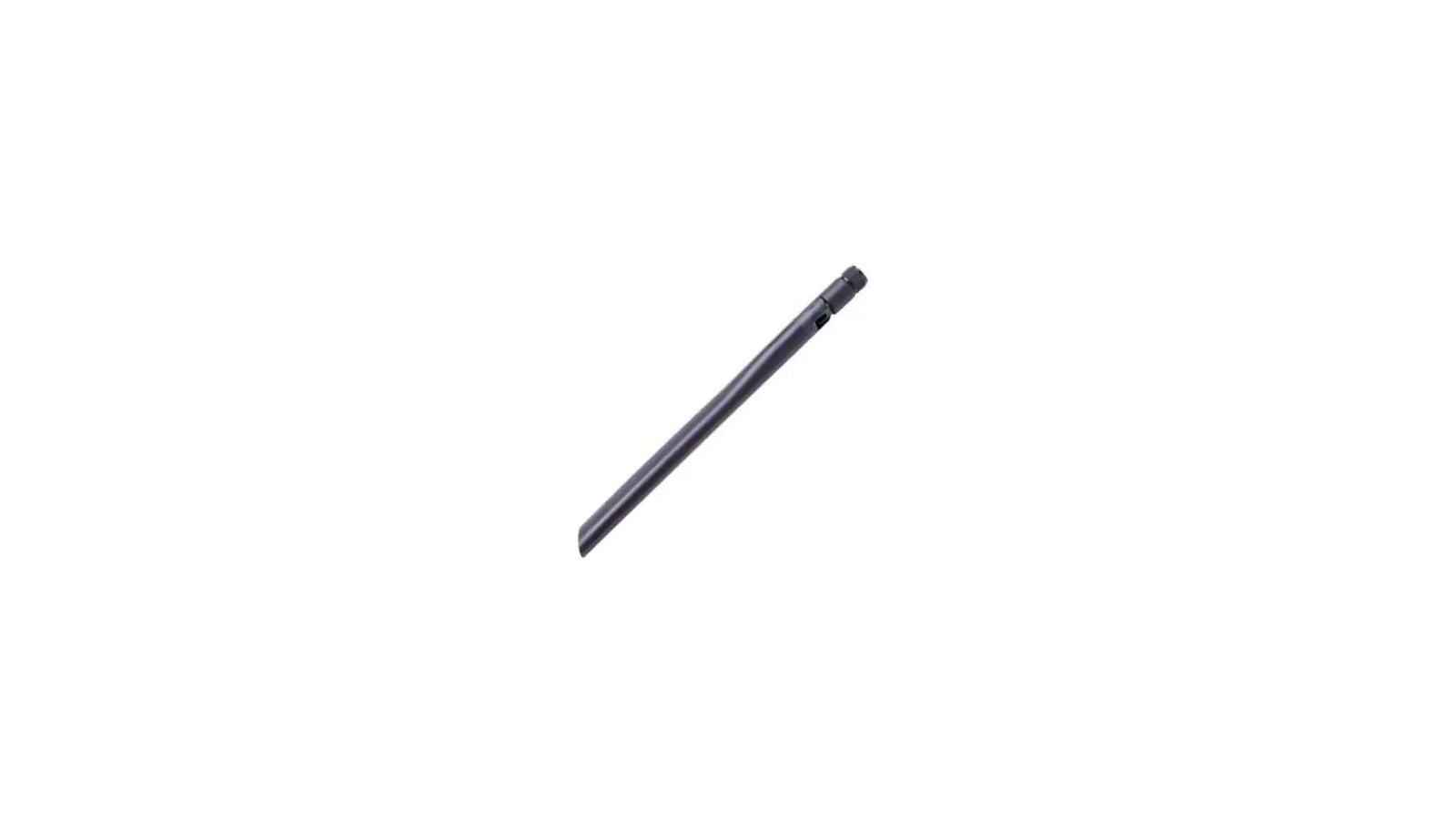
From the Crowd Supply Basics project.
Abracon External Antennas exhibit low return loss characteristics, high gain, and Low Voltage Standing Ratio (VSWR). These external antennas are linearly polarized and come in a low profile package.
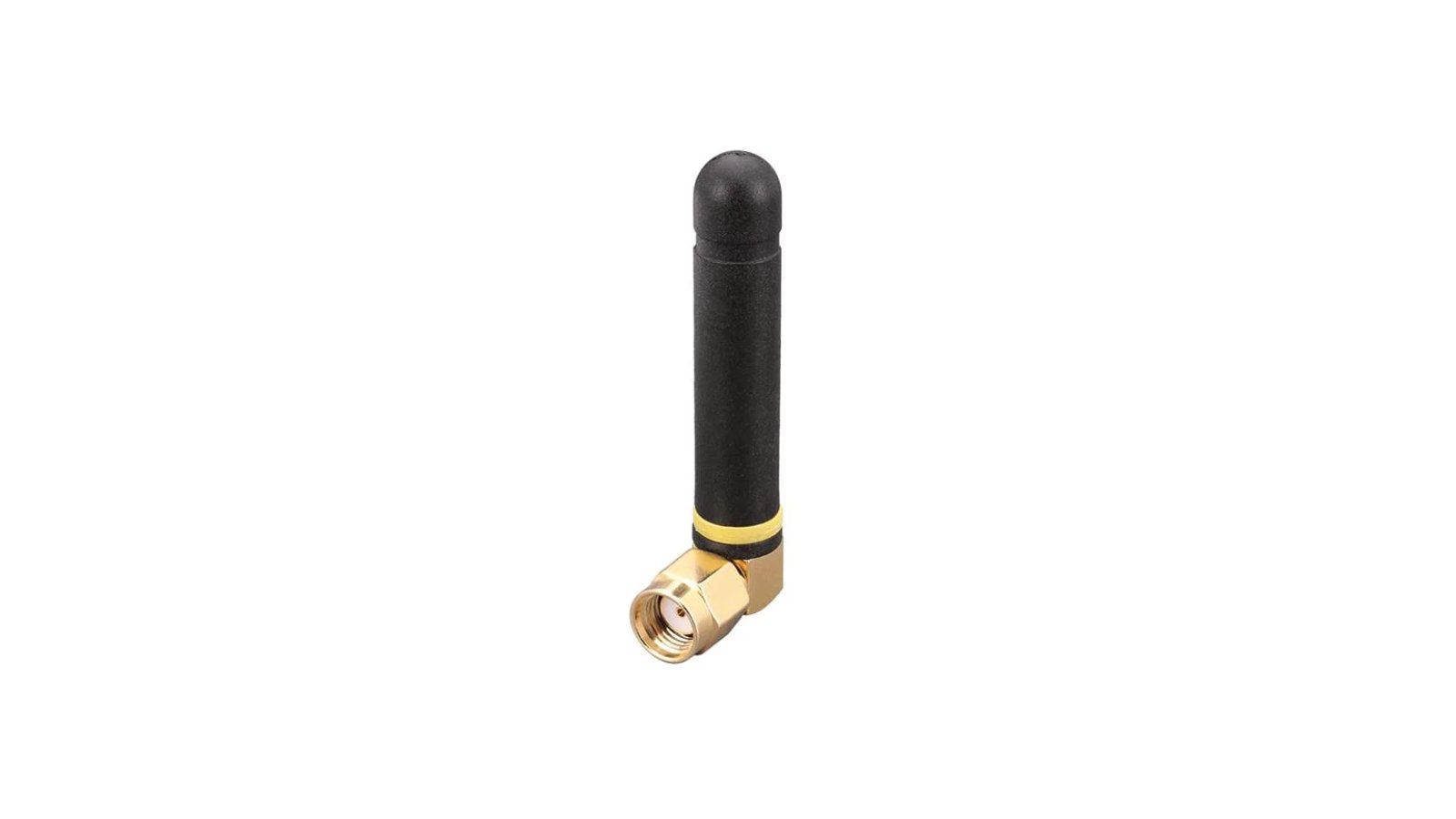
From the Crowd Supply Basics project.
916 MHz ISM Right Angle SMA Connector (LoRaWAN, HaLow, IoT Low-Profile Whip) by Linx Technologies
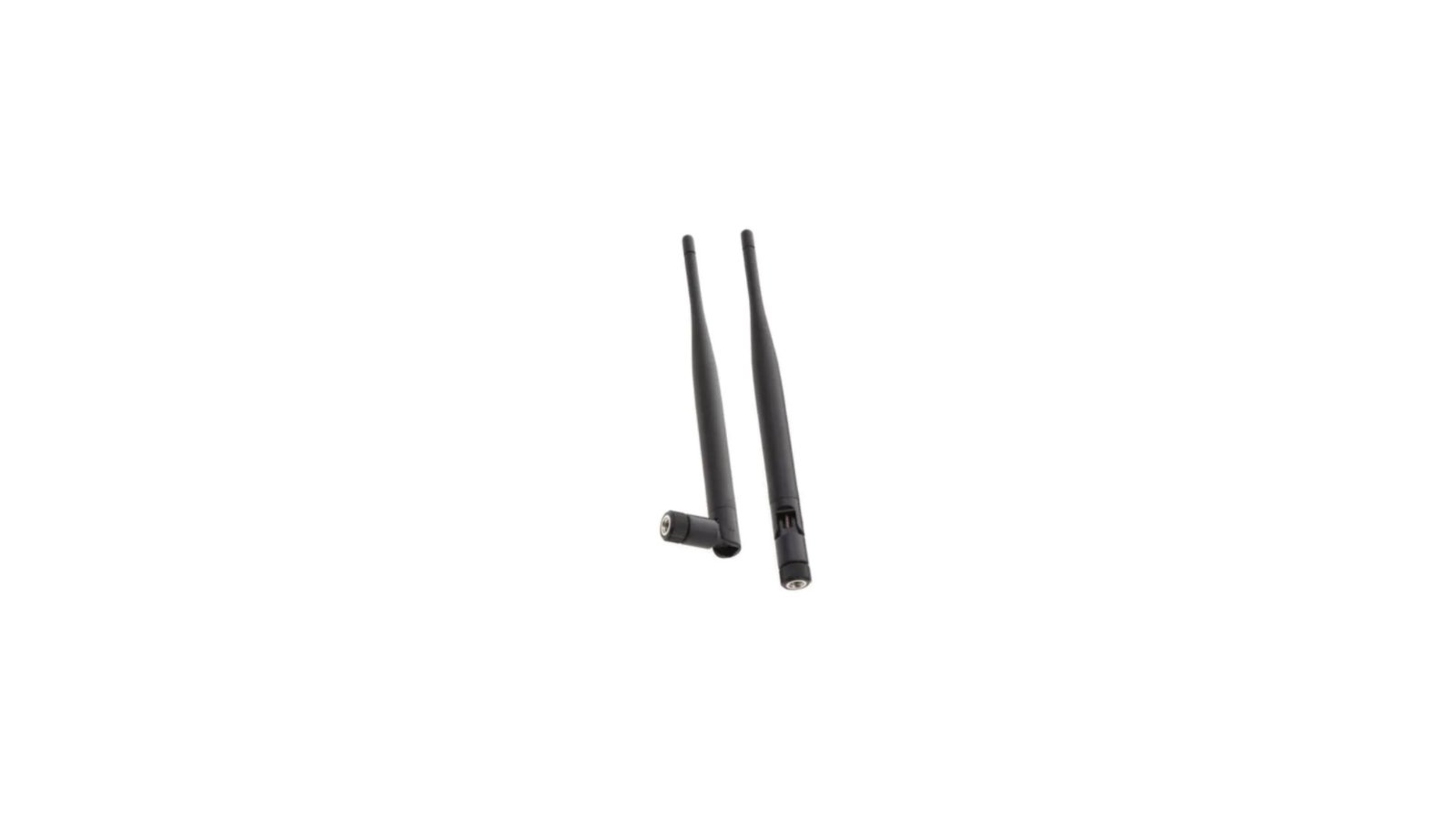
From the Crowd Supply Basics project.
One single 433MHz Swivel Stick Dipole – SMA-M Stick Antenna by Pulse. (Image includes two antenna to show swivel capability.)
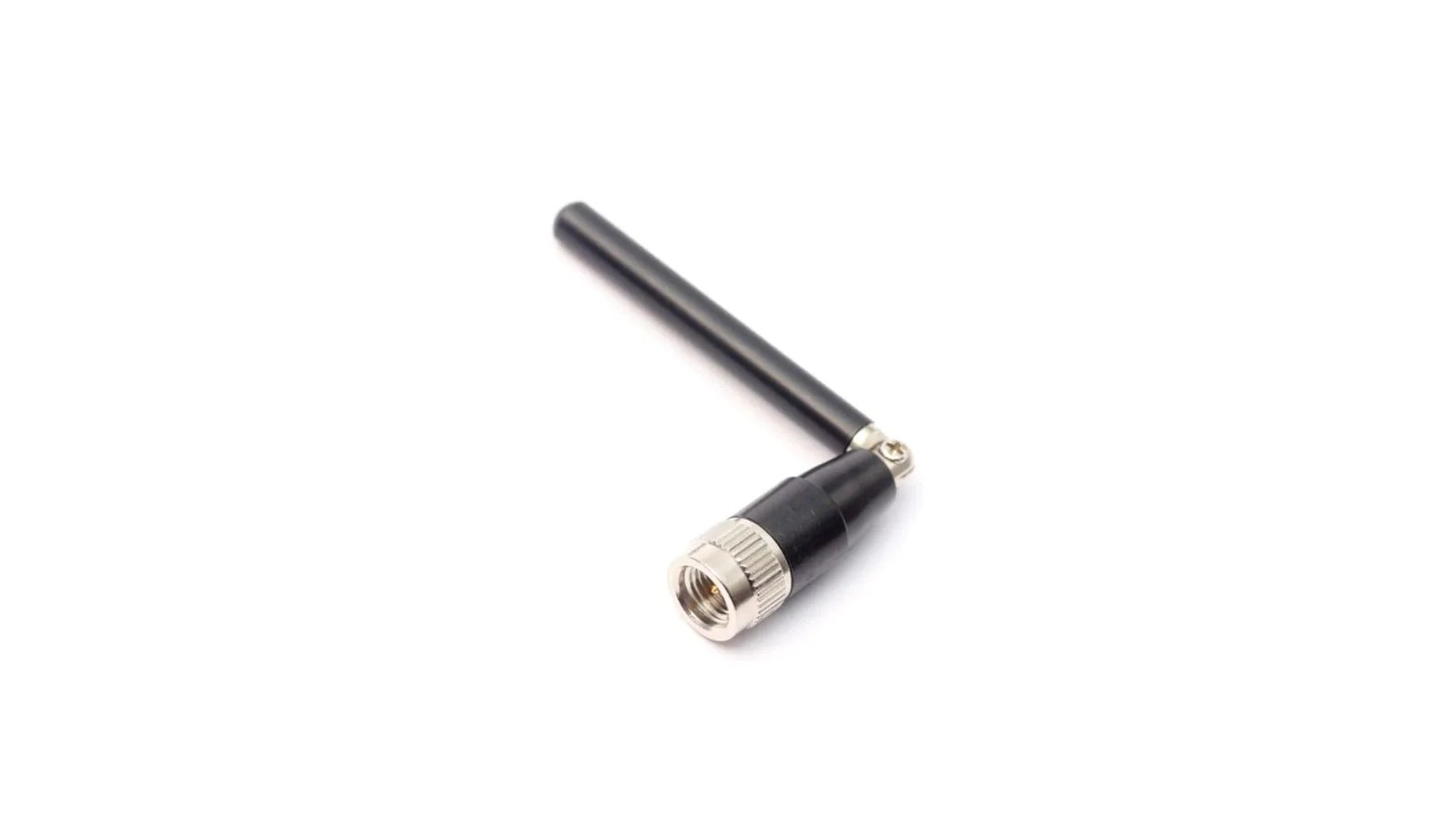
From the TG.09 Cellular Antenna project.
A TG.09 4G/3G/2G cellular hinged SMA(M) mount monopole antenna.
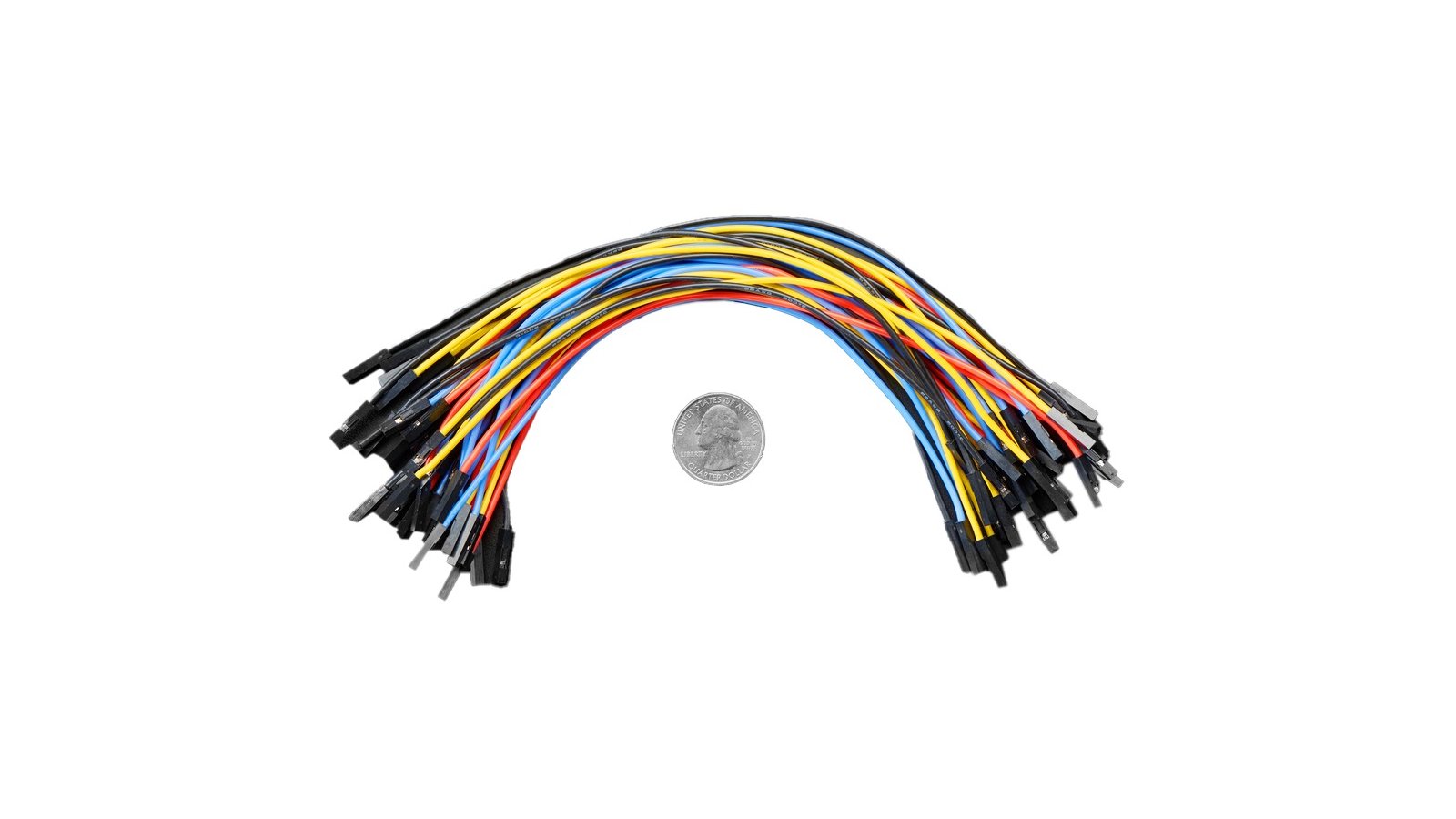
From the Crowd Supply Basics project.
A bundle of 40 multicolored, 7.8" (200 mm) long silicone-coated 24 AWG jumper wires with female terminations on each end. They are designed for use with standard pitch (.1", 2.54 mm) male headers.
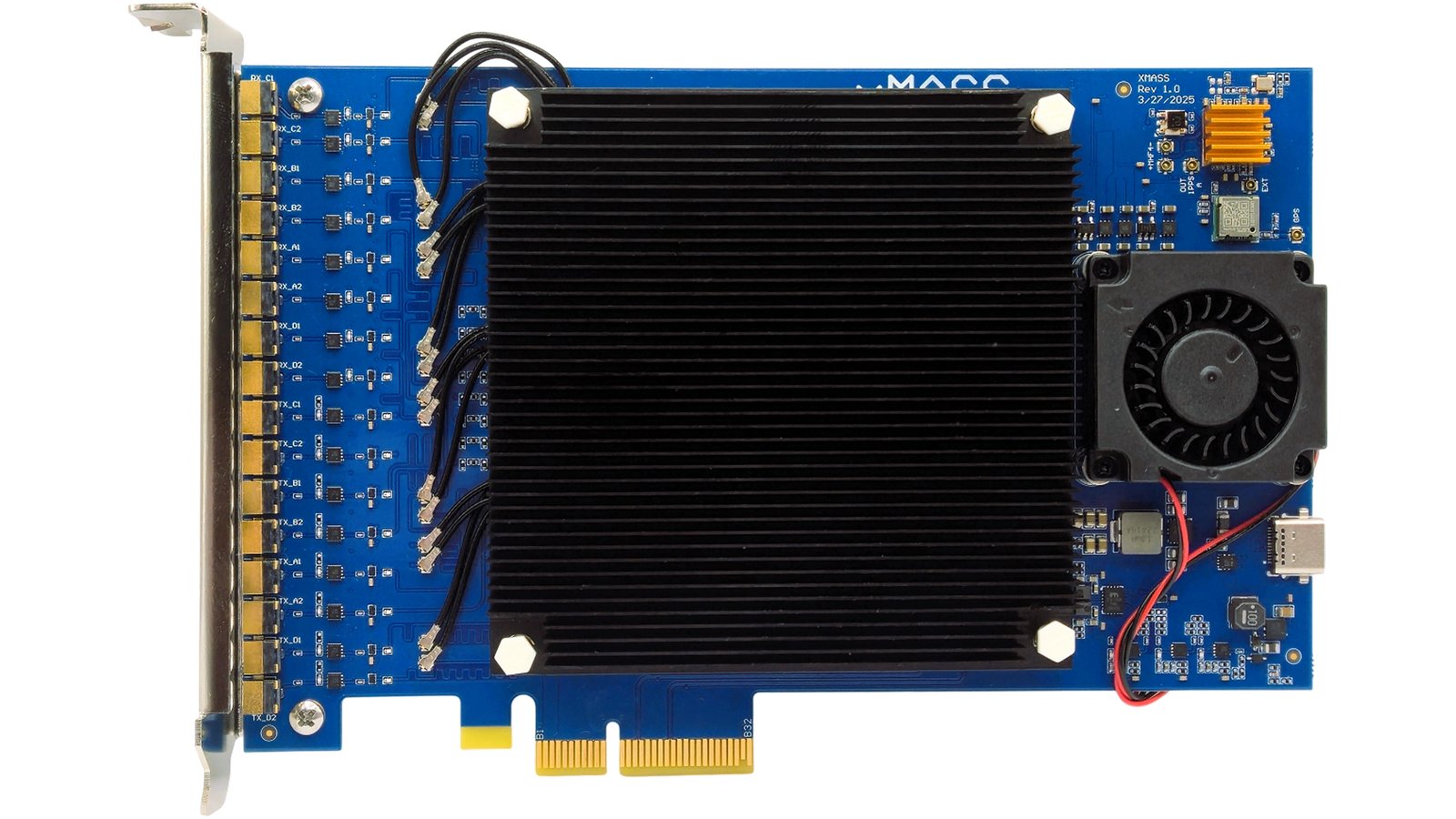
From the xMASS SDR project.
Includes four (4) preinstalled xSDR units.
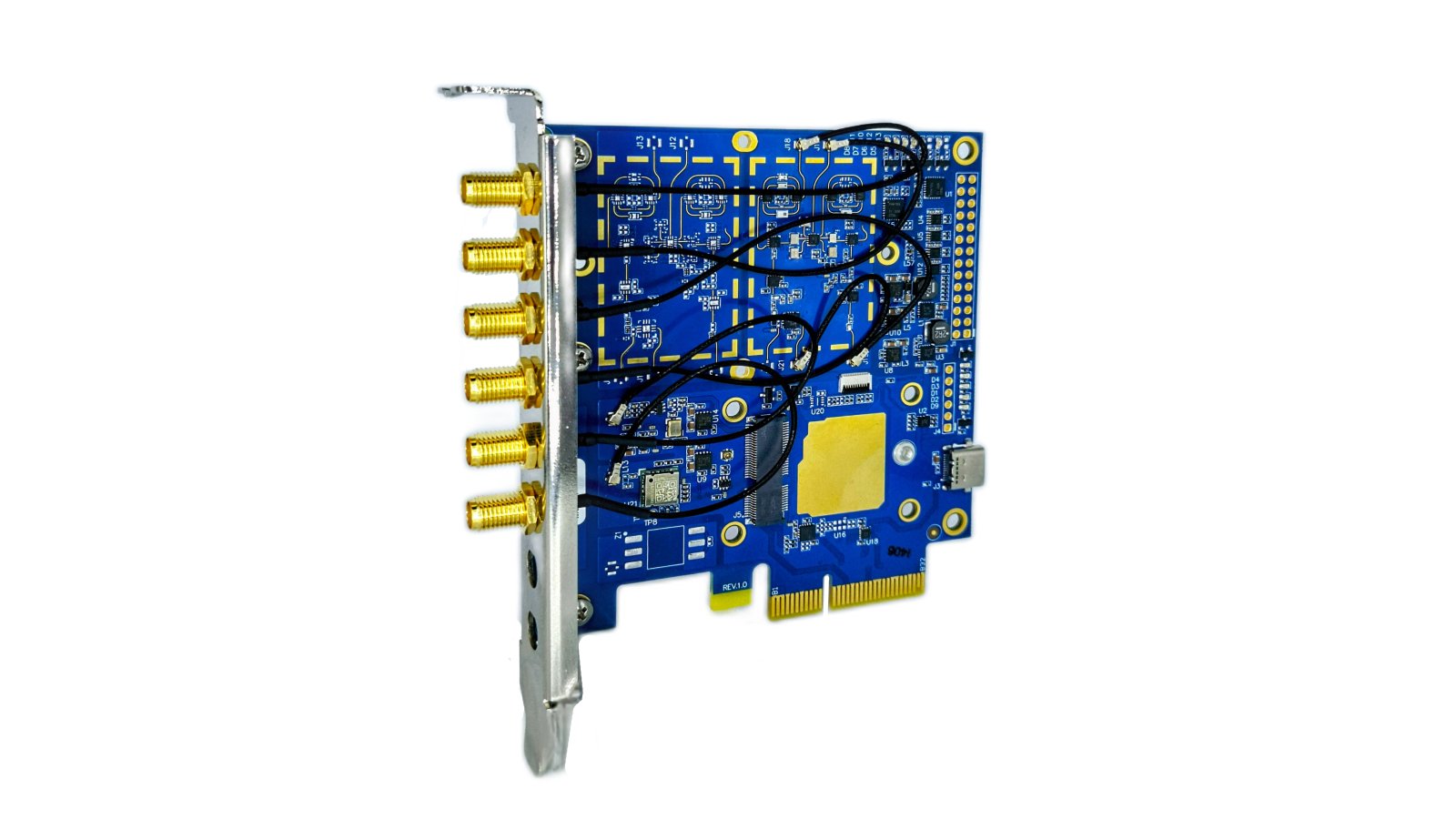
High-performance, 8x8 MIMO, PCIe software-defined radio (SDR) board. Comes with a metal PCIe bracket, a heatsink, and 16 HF4-to-SMA-F cables (1.13 mm thick and 15 cm long)

· wavelet-lab.com · wavelet-lab · wvlt_lab
Our team has been working with digital signal processing (DSP) and software-defined radio (SDR) for the past decade. We leverage that experience to bring the quality and usability of related hardware to the next level, lowering barriers to entry for new members of this growing industry while continuing to support its core developer community.
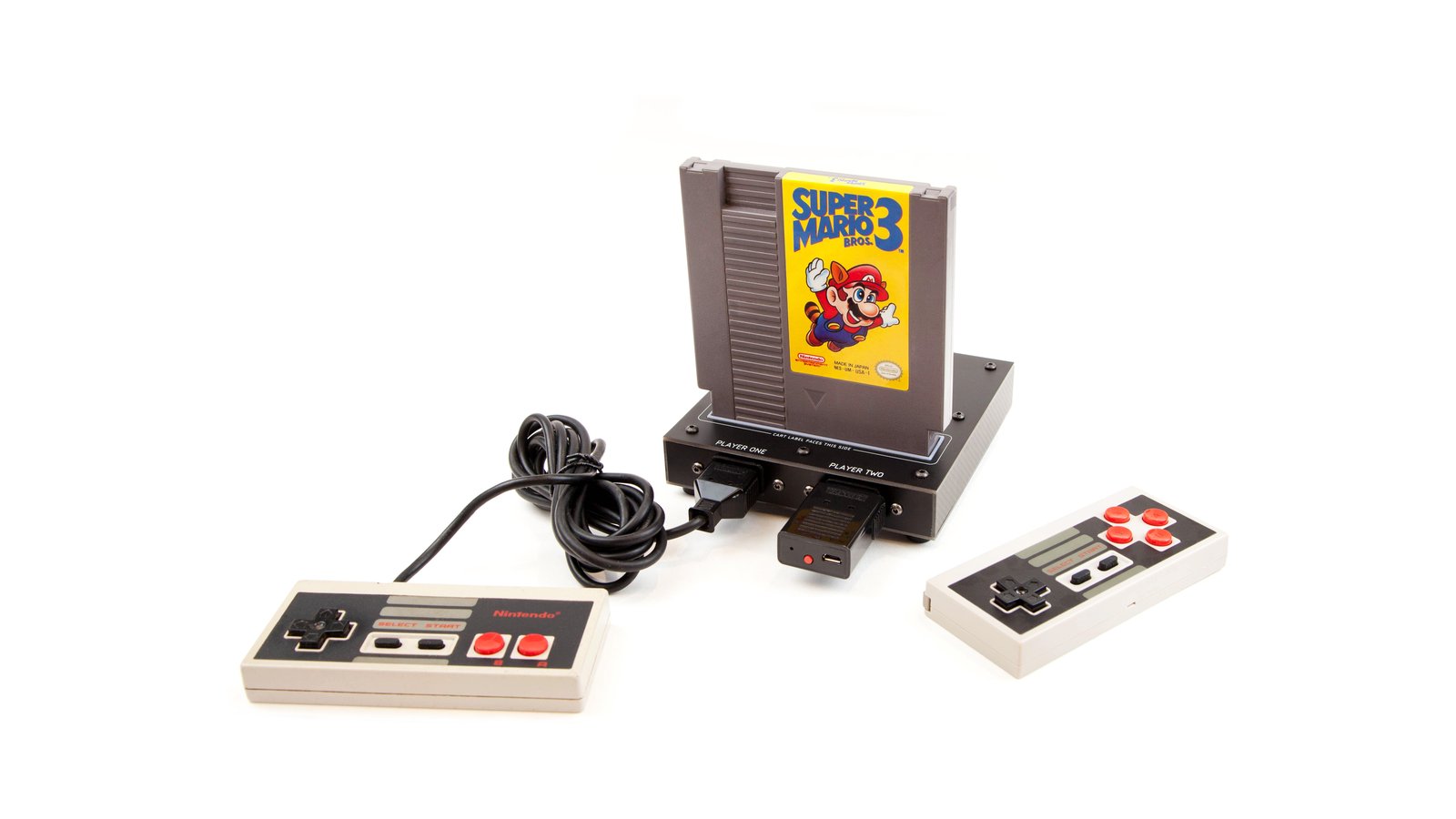
Classic NES games on open source hardware that fits in the palm of your hand
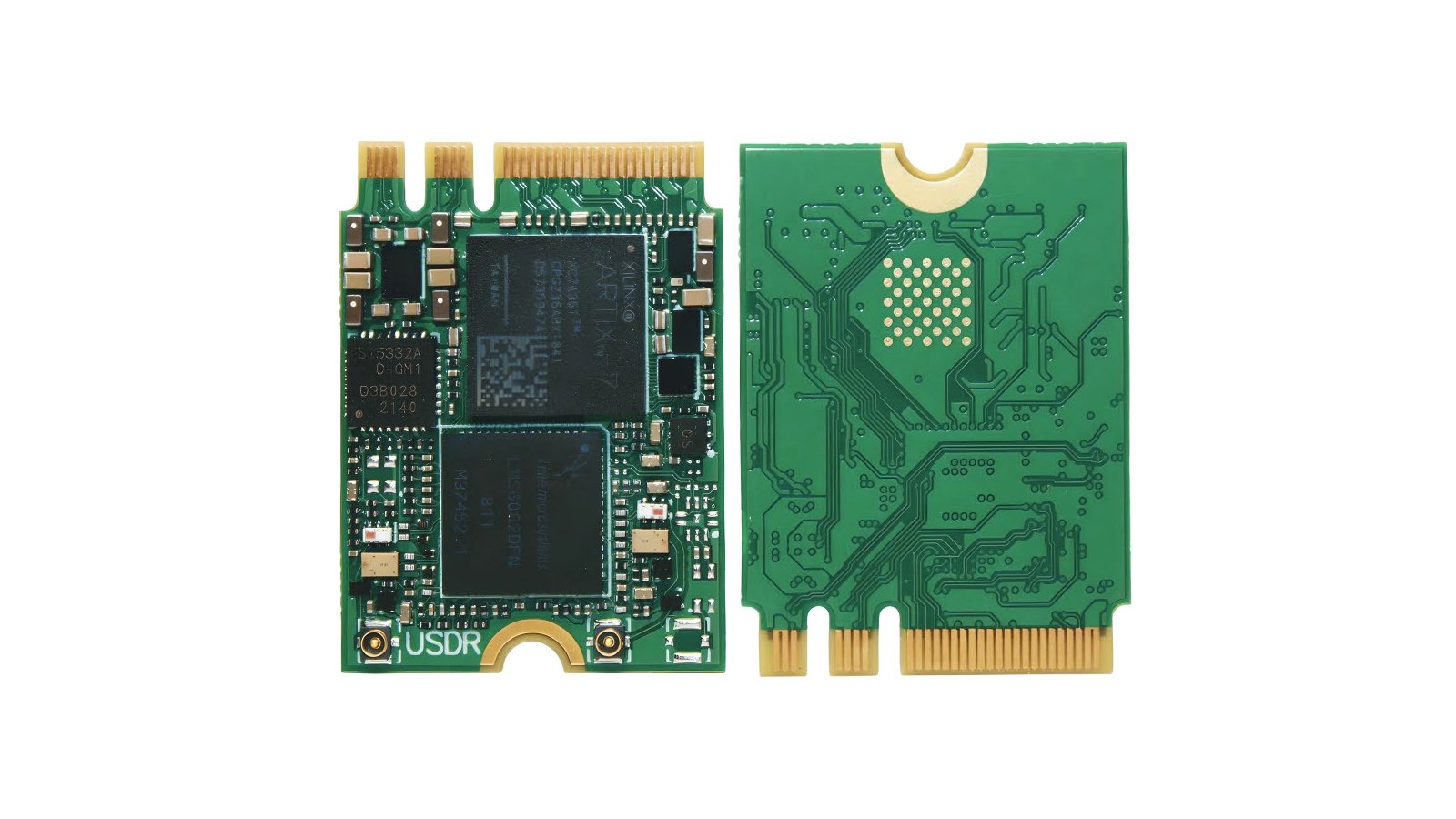
A tiny, single-sided M.2 SDR board that you can operate easily using your web browser
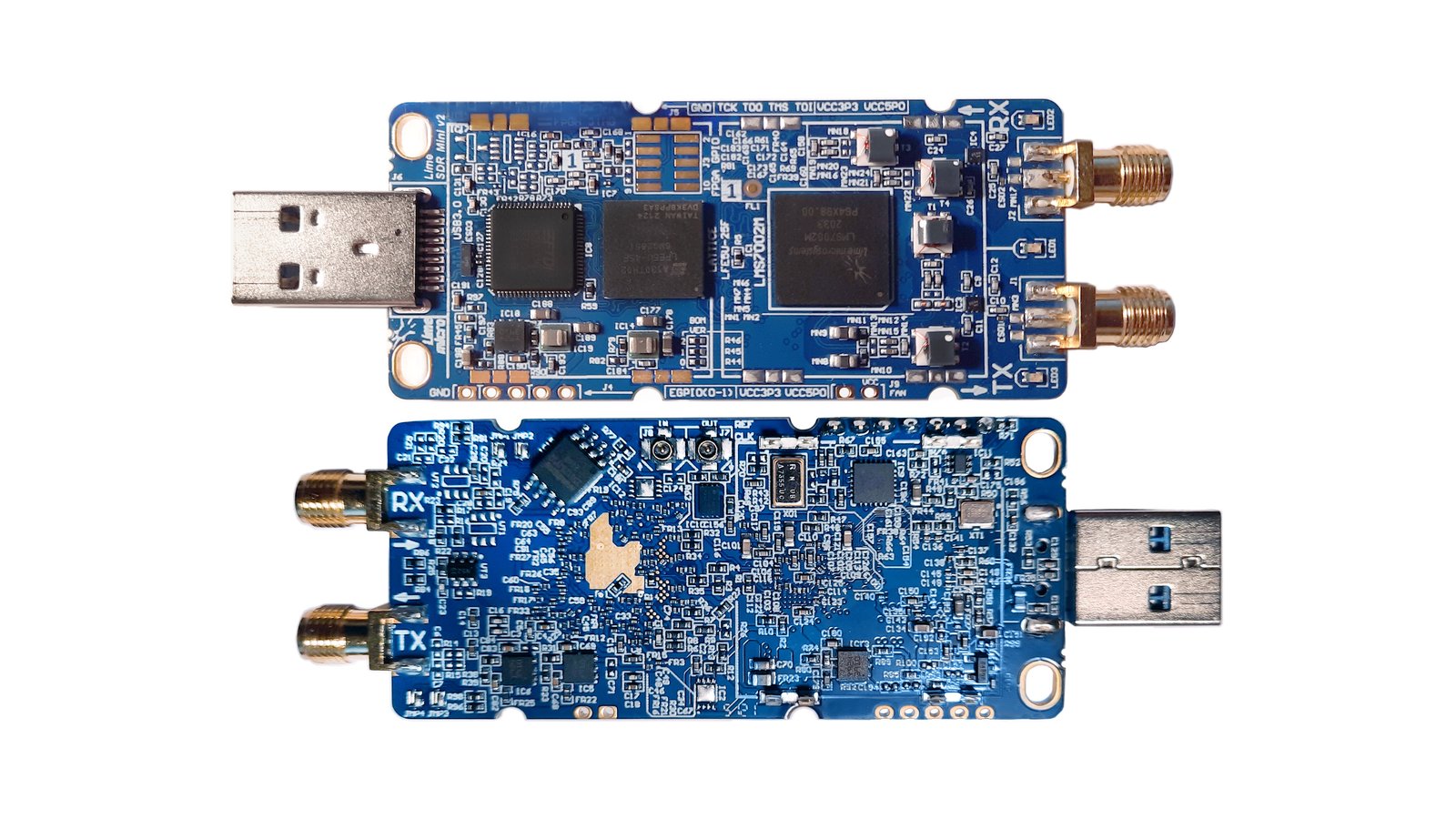
An open, full-duplex, USB stick software-defined radio