Results for 'SDR'
Project Update · The NUT2NT+ Campaign has Started
0.020
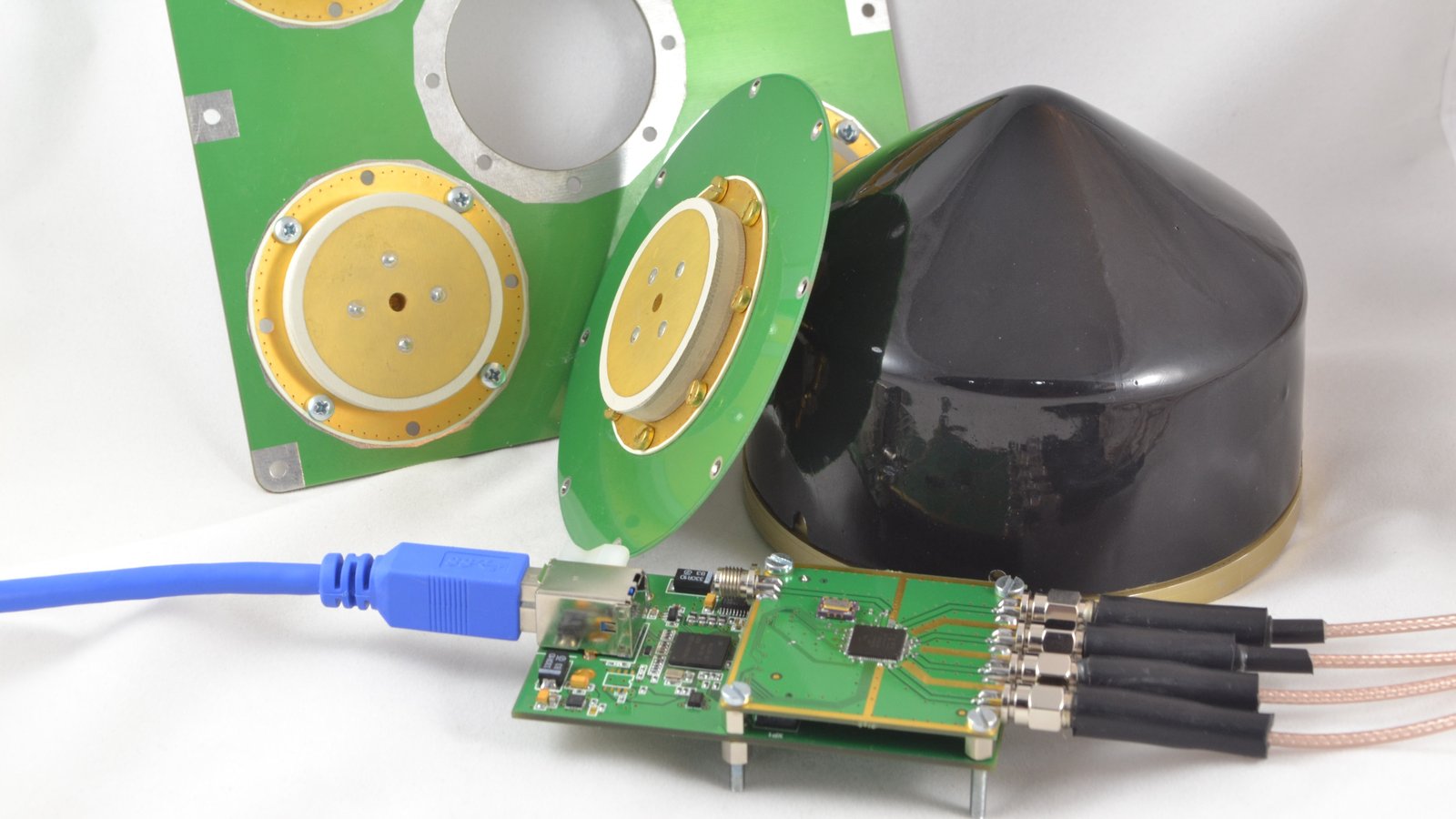
The new NUT2NT+ campaign has begun!
Project Update · SPI Speed Optimisation, LuaRadio and Arch Linux
0.020
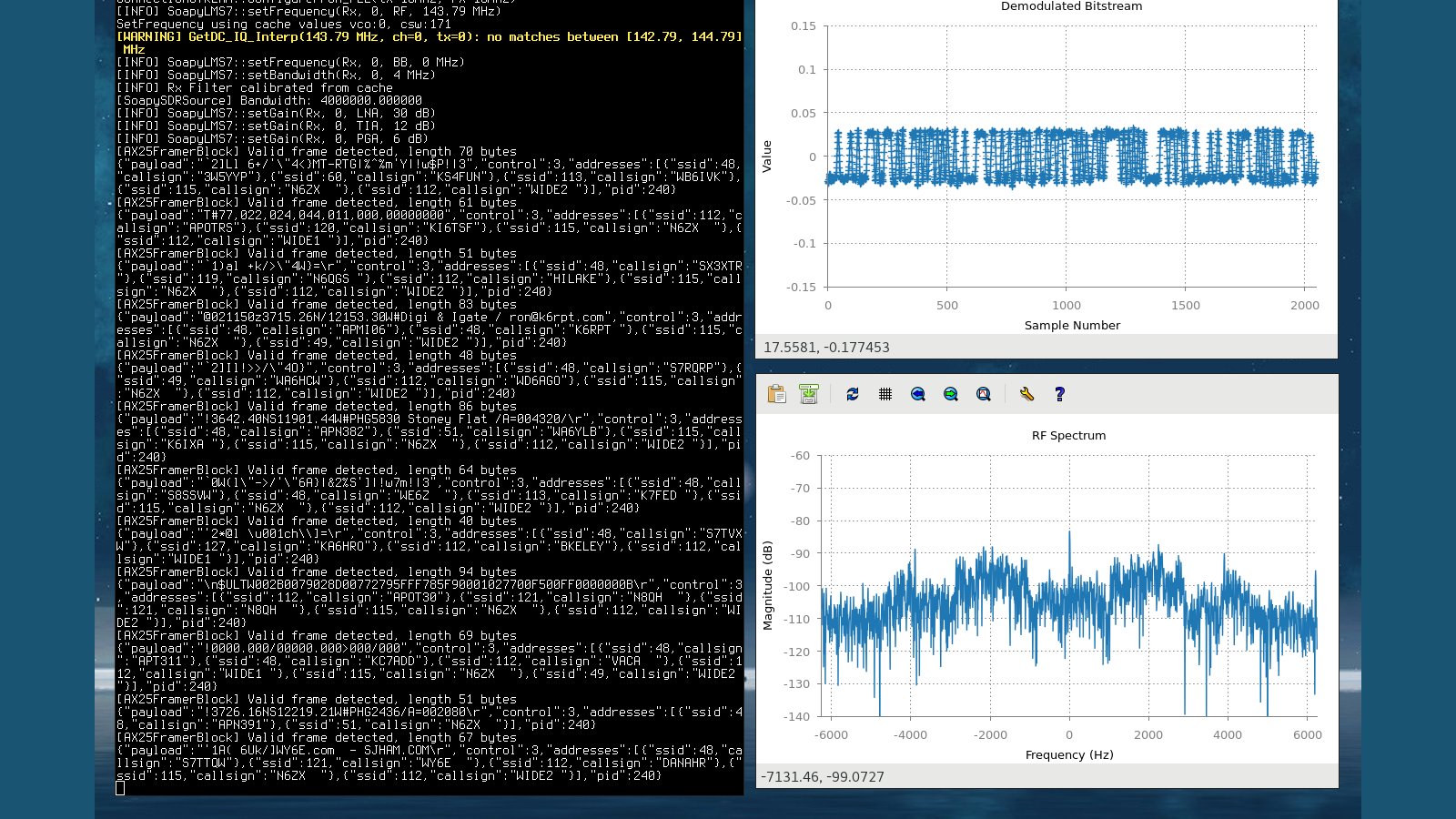
The engineering team are constantly striving to improve the overall performance and user experience of the LimeSDR platform, and in a blog post this week over on Myriad-RF, Andrew takes a look at a change in the way that SPI programming of the LMS7002M FPRF transceiver is handled, which has resulted in much faster read and write operations.
Newsletter Update · Portable KVM, media center, FPGA boards, and more - the latest and greatest from Crowd Supply
0.020
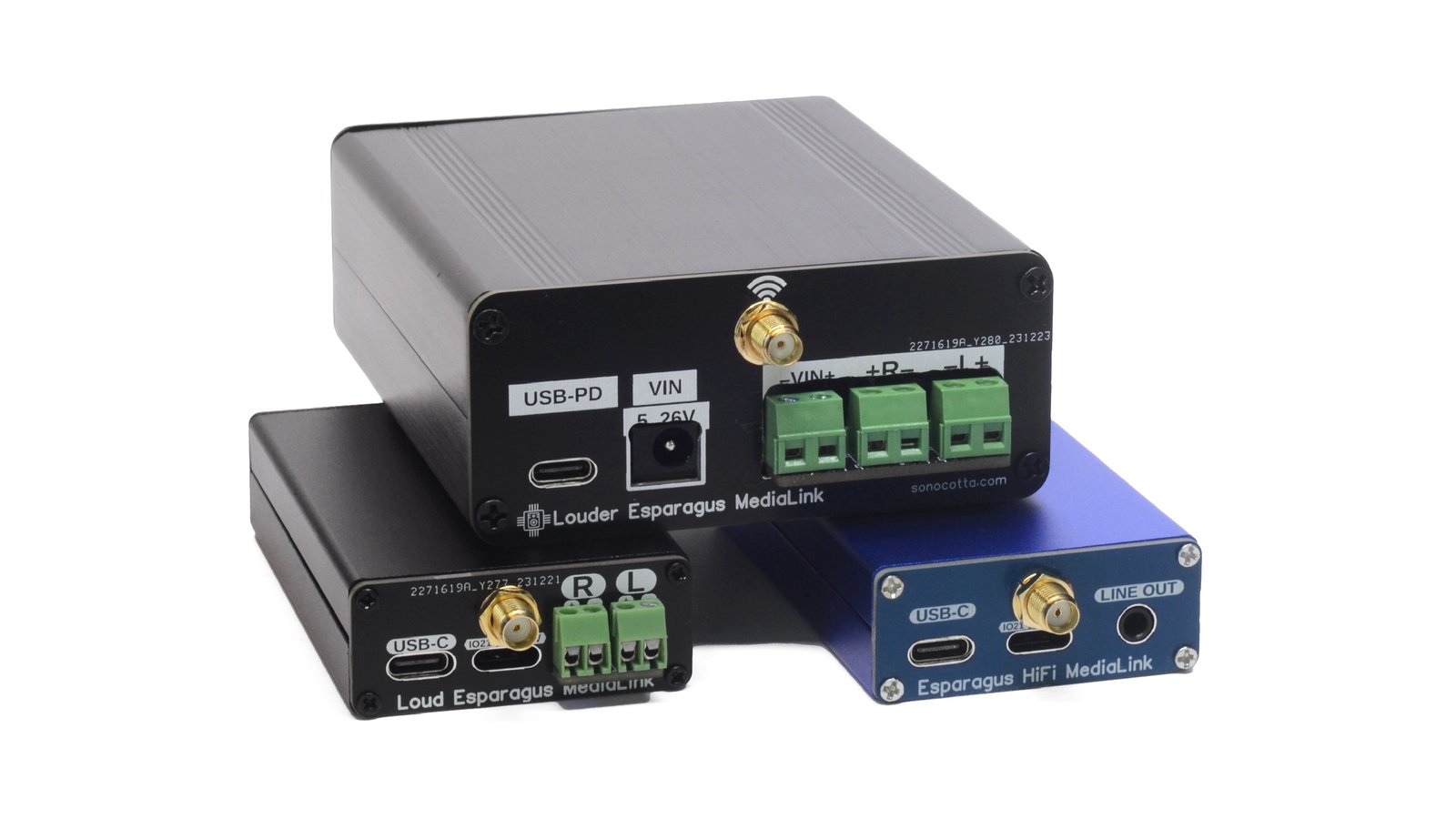
New: ESParagus Media Center, Openterface Mini-KVM, Agilex 5 E-Series 065B Dev Kits; Coming Soon: DeepRad, TinyBeast FPGA; In stock: ScopeFun, CrowVision, Raspberry Breadstick; Teardown 2024: KiCad Project Status; Update Roundup: Wee Noise Maker PGB-1, AMD FPGA Playground, ANAVI Handle, ShaRPiKeebo, Pocket Integrator
Project Update · Our XYNC Campaign is Live!
0.020
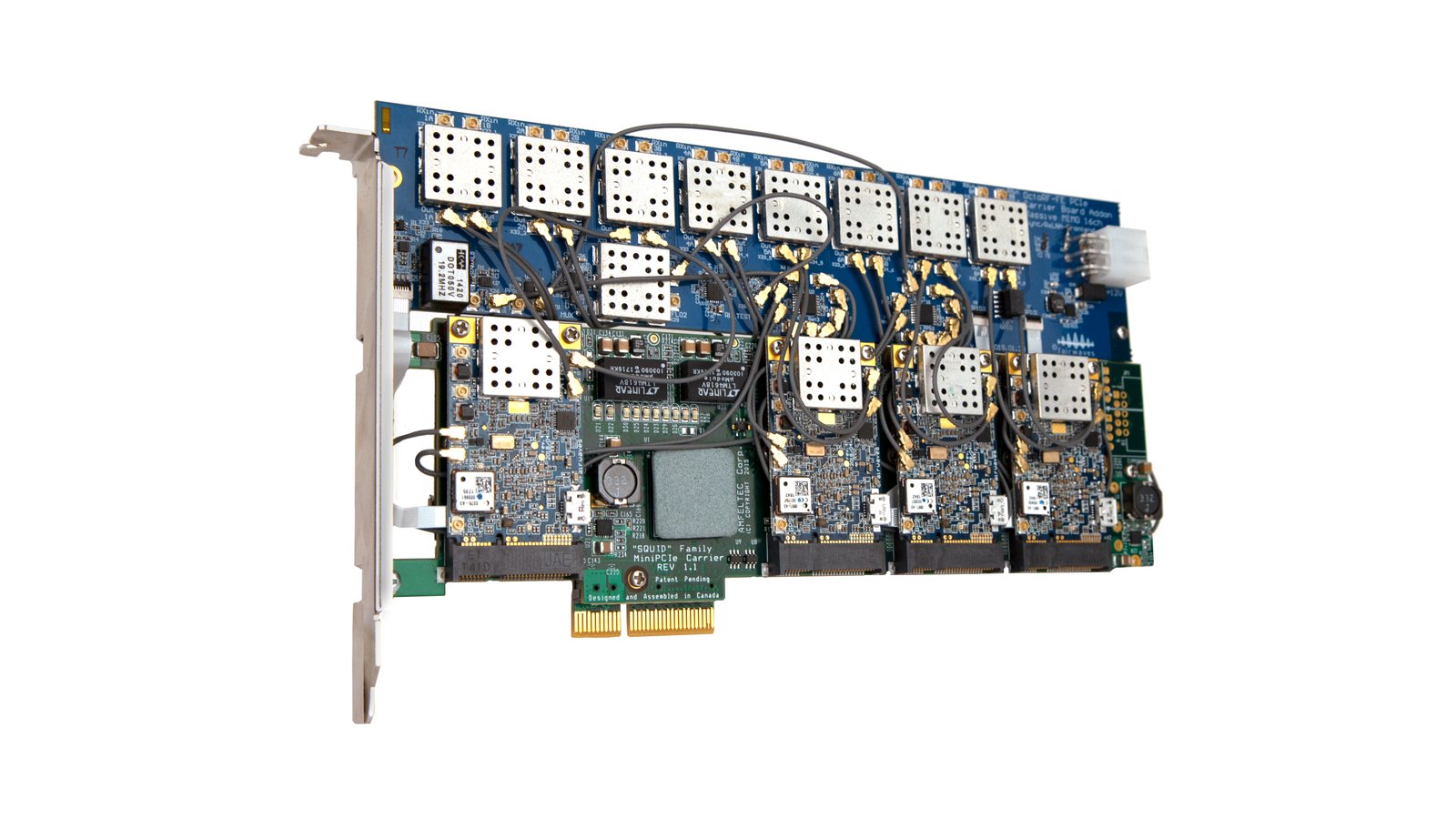
We are excited to announce the launch of our new campaign. With up to 32x32 transmit/receive channels, XYNC is the ultimate Massive MIMO SDR at an affordable price.
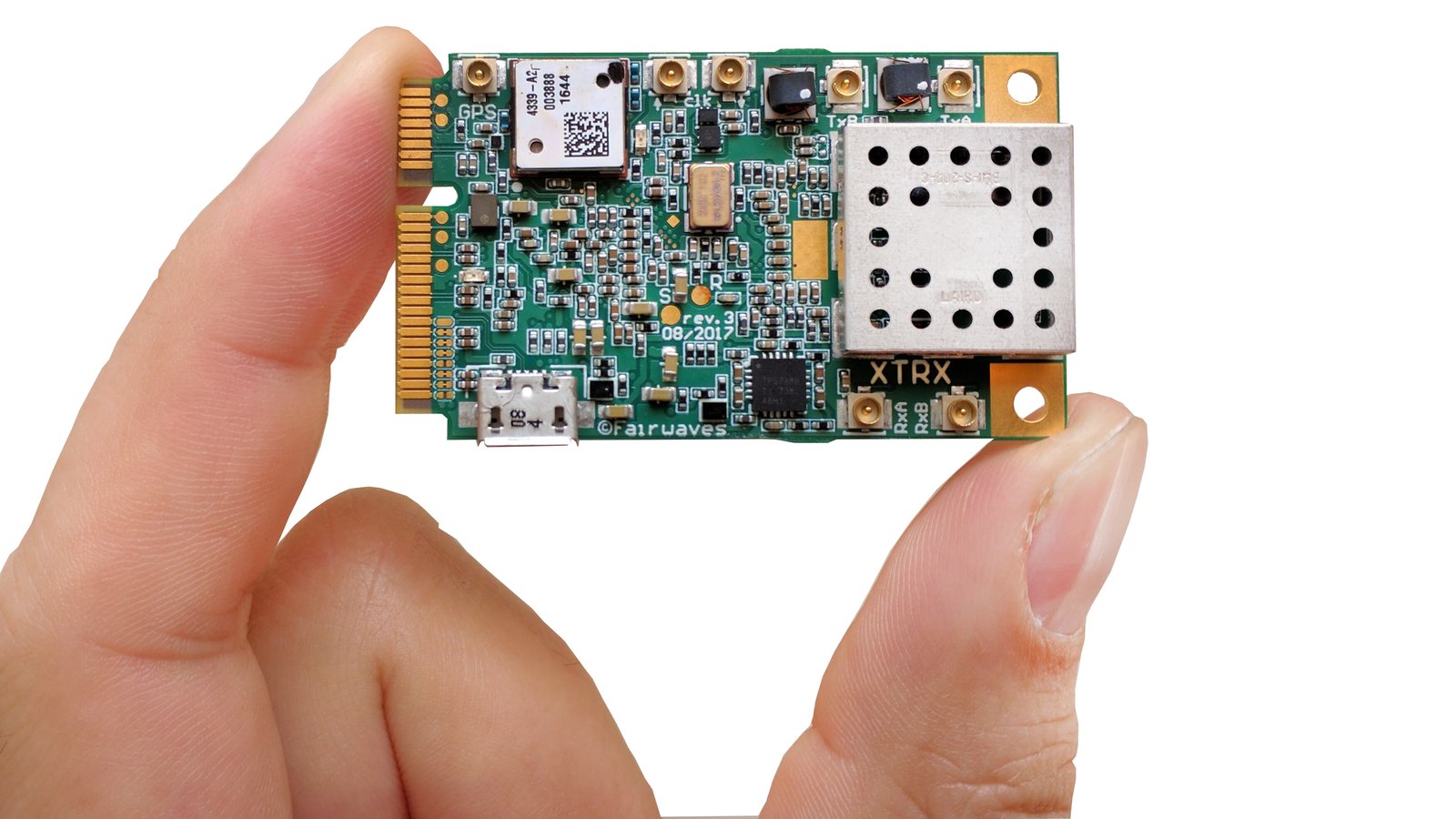
Project Update · GNU Radio Conference, New XCOM and XYNC Campaigns, and Details on RF Bandwidth and Sample Rate
0.020
Come see us this week at GNU Radio Conference and check out samples of XCOM, one of our two upcoming new products. Also, we explain XTRX RF bandwidth and sample rate and throughput limits.
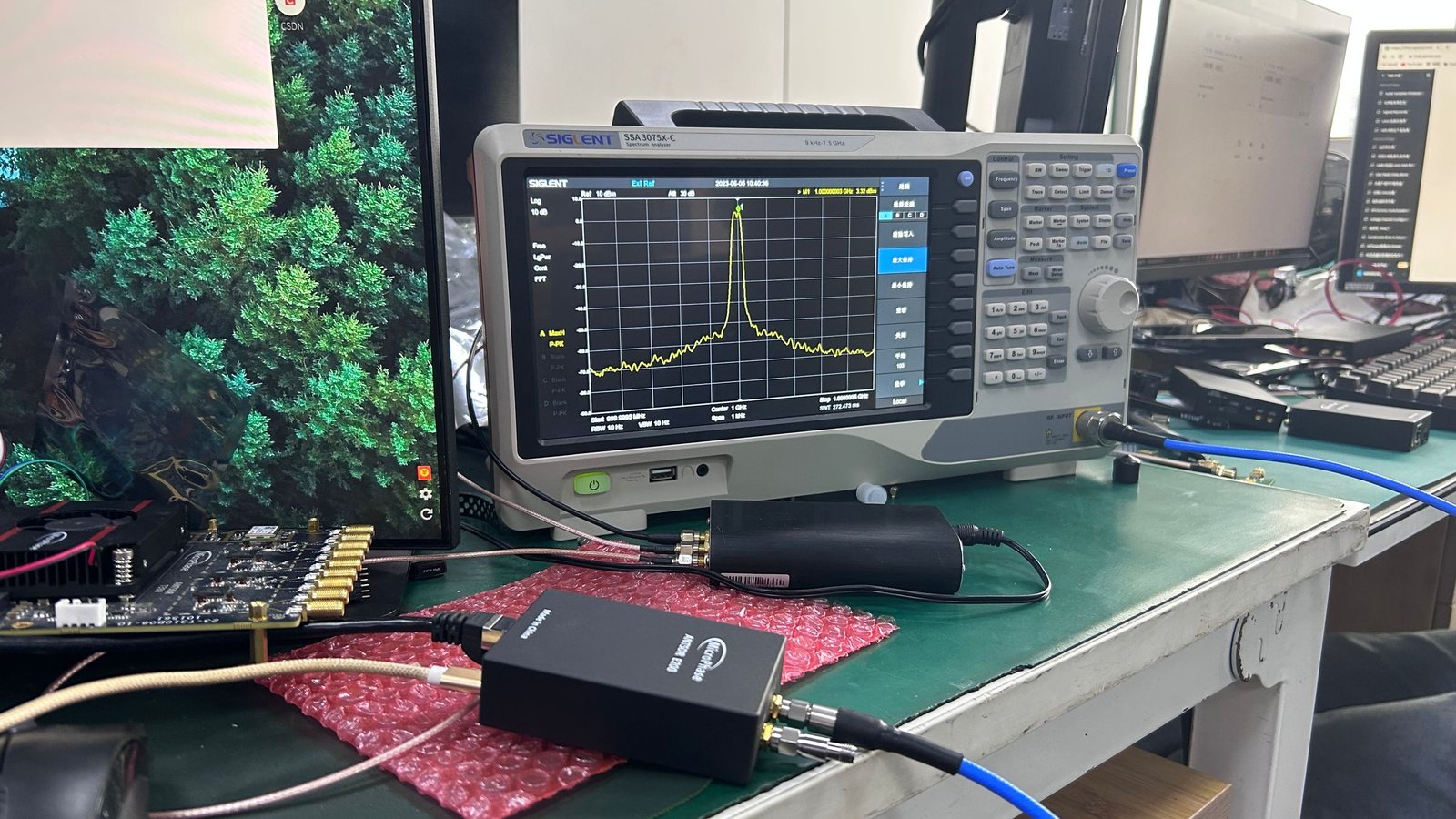
Project Update · Answering Your Questions
0.020
Q&A based on our most asked questions: frequency accuracy, FPGA resources, APIs, IIO, etc.
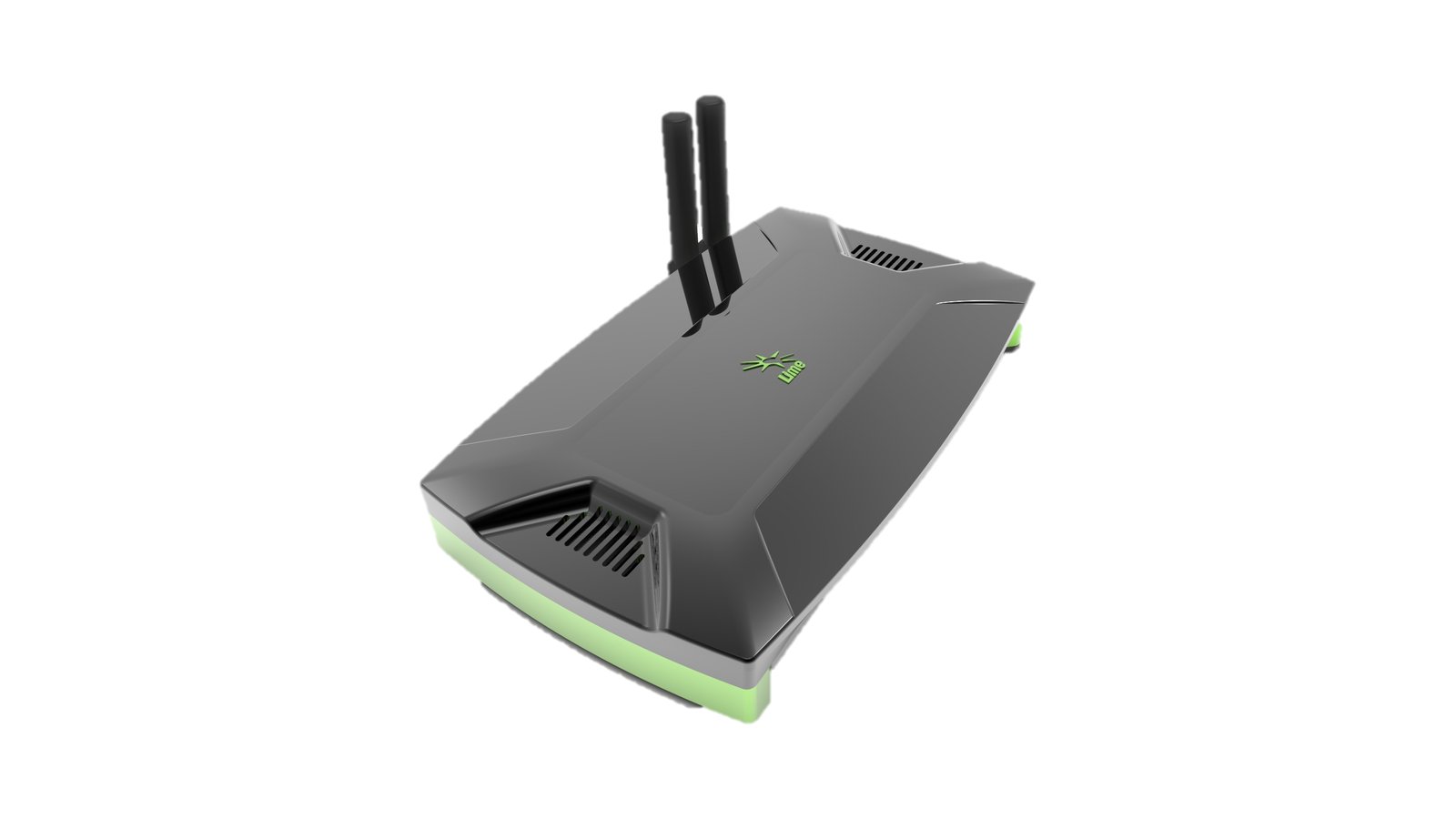
Project Update · LimeSCAN Blockchain Demo
0.020
One of the key applications for LimeNET Micro is spectrum scanning — taking power
measurements and looking at spectrum utilisation, along with network availability and
performance, etc. In support of this we’ve been working on an application called
LimeSCAN, which allows spectrum scan data to be uploaded to a central resource and
explored via a web interface.
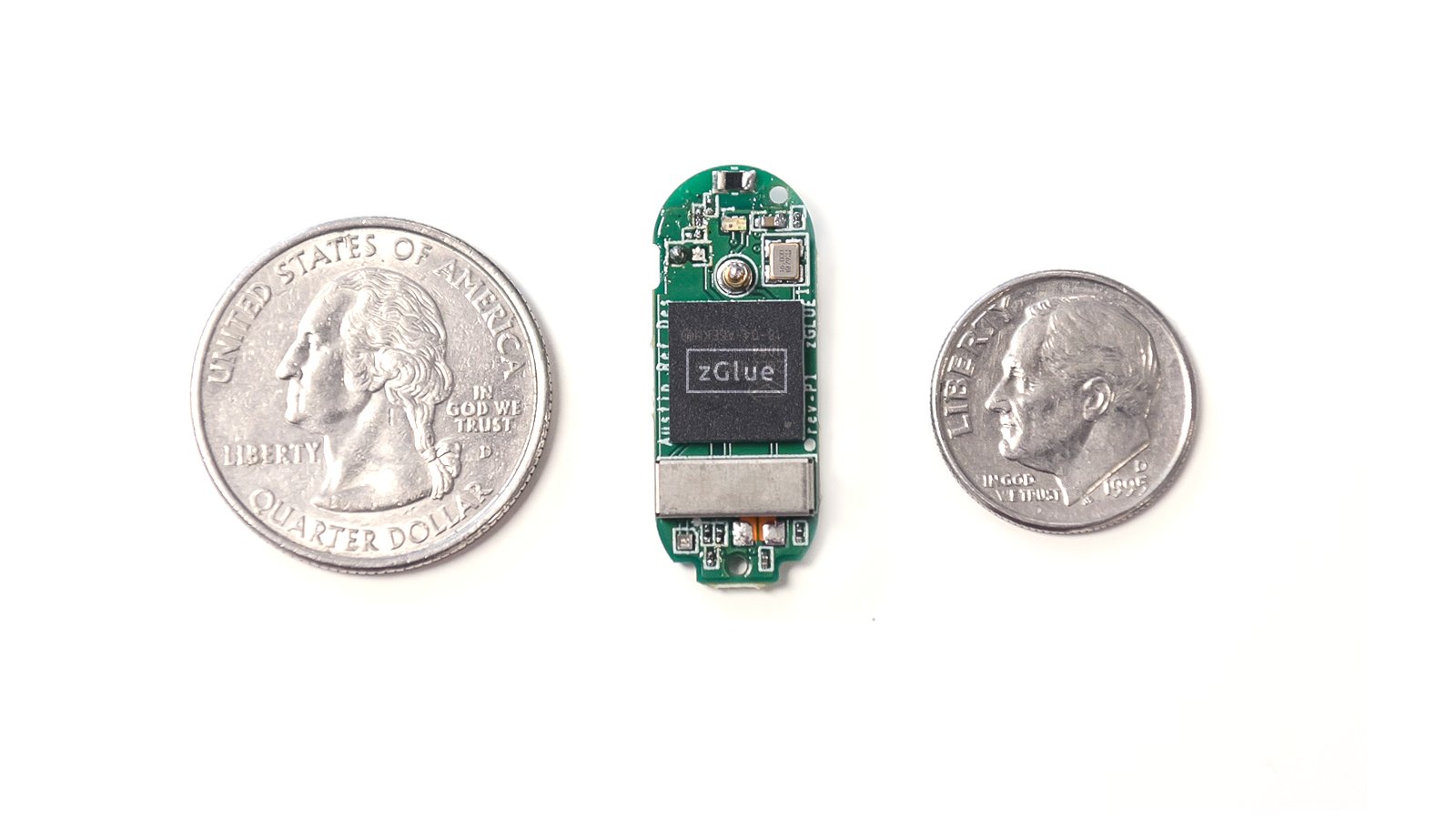
Newsletter Update · The Latest and Greatest from Crowd Supply
0.020
New: zOrigin, Update: NeTV2 Stretch Goal, Update: Teardown Retrospective, Coming Soon: AIR-T, In Stock: ERASynth
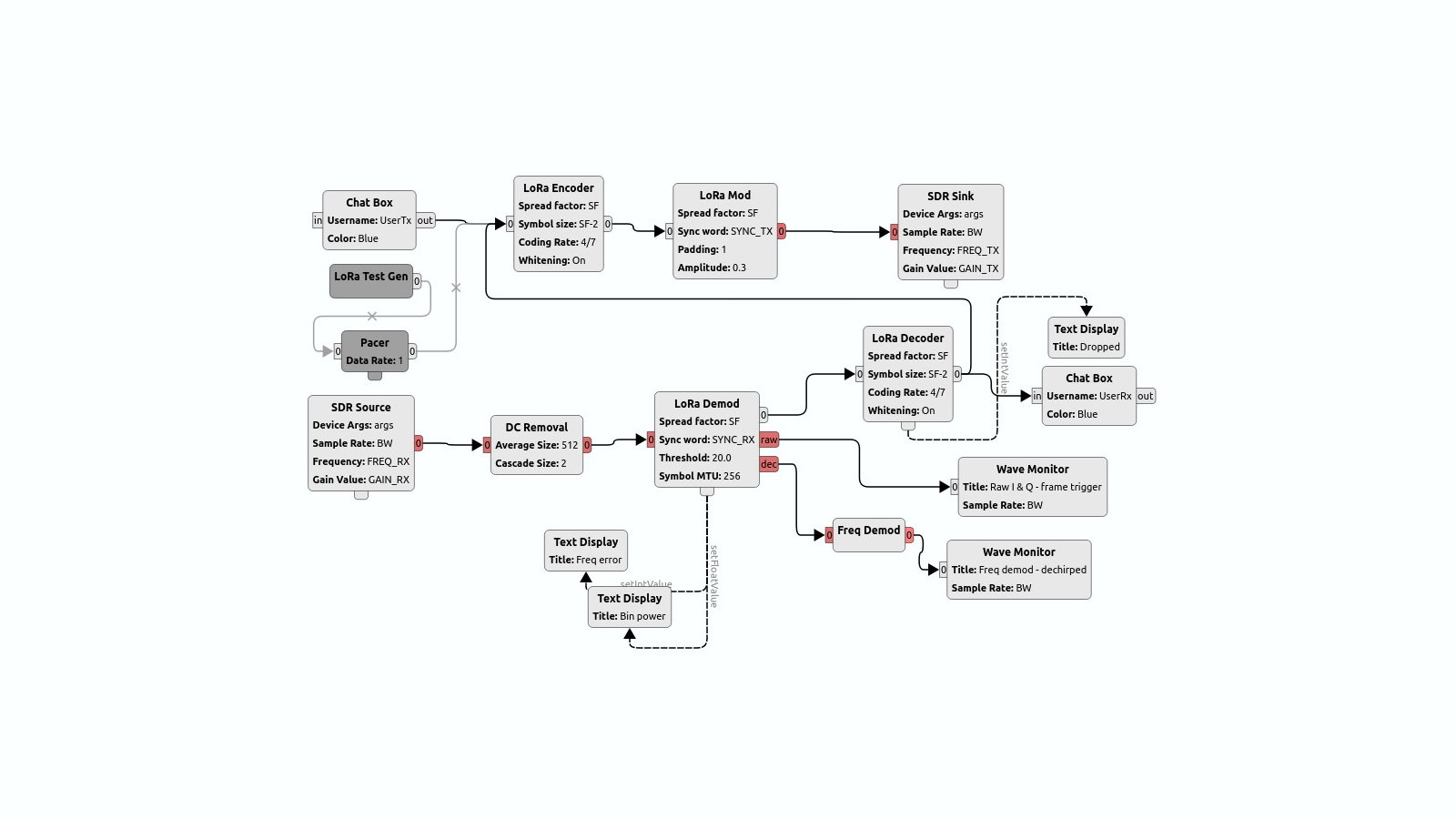
Project Update · LoRa Transmit, Receive, Relay and Simulation!
0.020
Over the past few weeks we've shown how LimeSDR can be used with numerous different applications and wireless systems, and what better way to round off the week than with news that Josh has succeeded in putting together a series of Pothos-based examples for LoRa™ modulation.
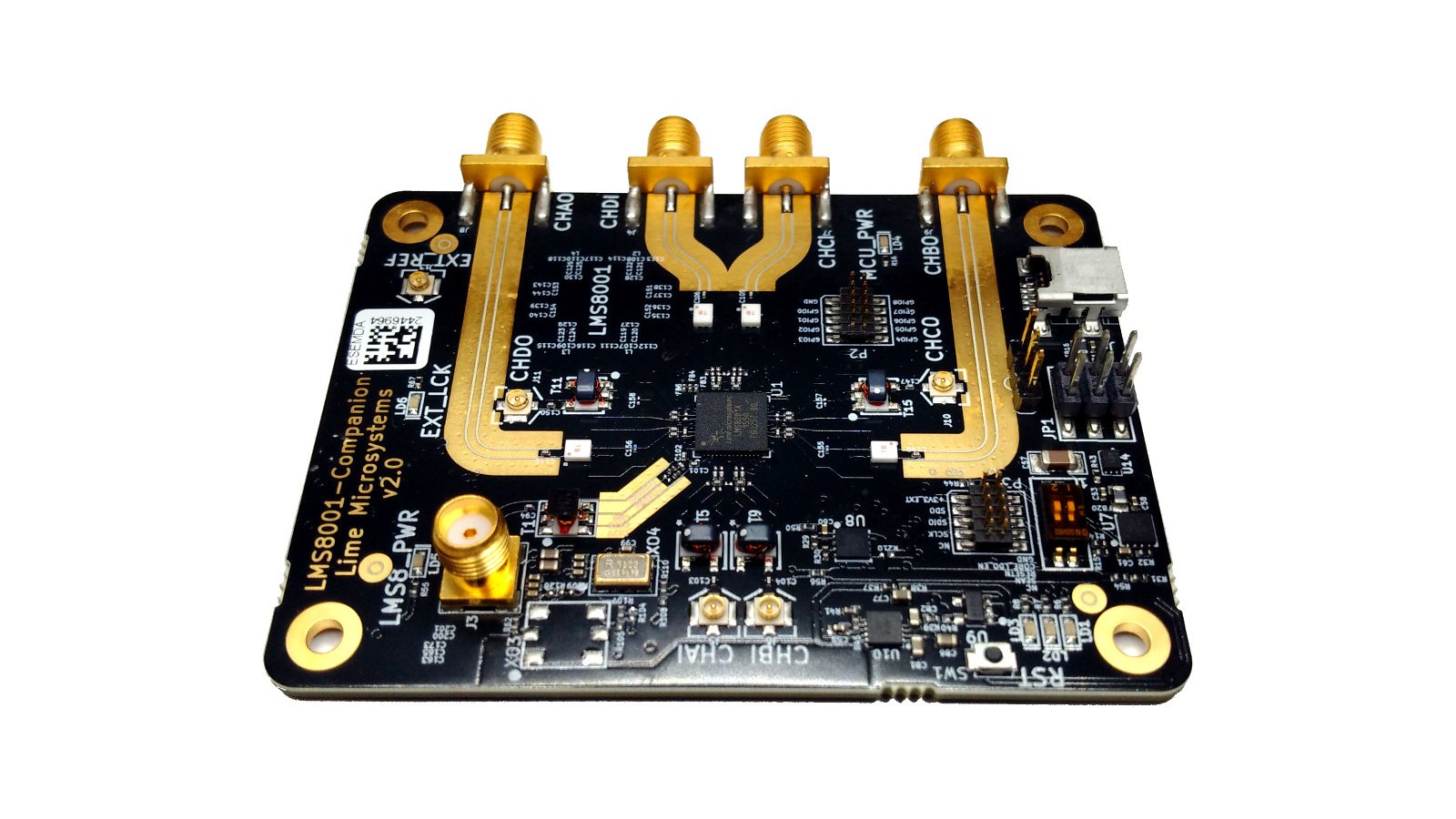
Project Update · LMS8001 Companion and LimeSDR Mini
0.020
Be sure to check out the limited edition companion board that extends LimeSDR's range to 10 GHz and the new sibling to the LimeSDR - the LimeSDR Mini.
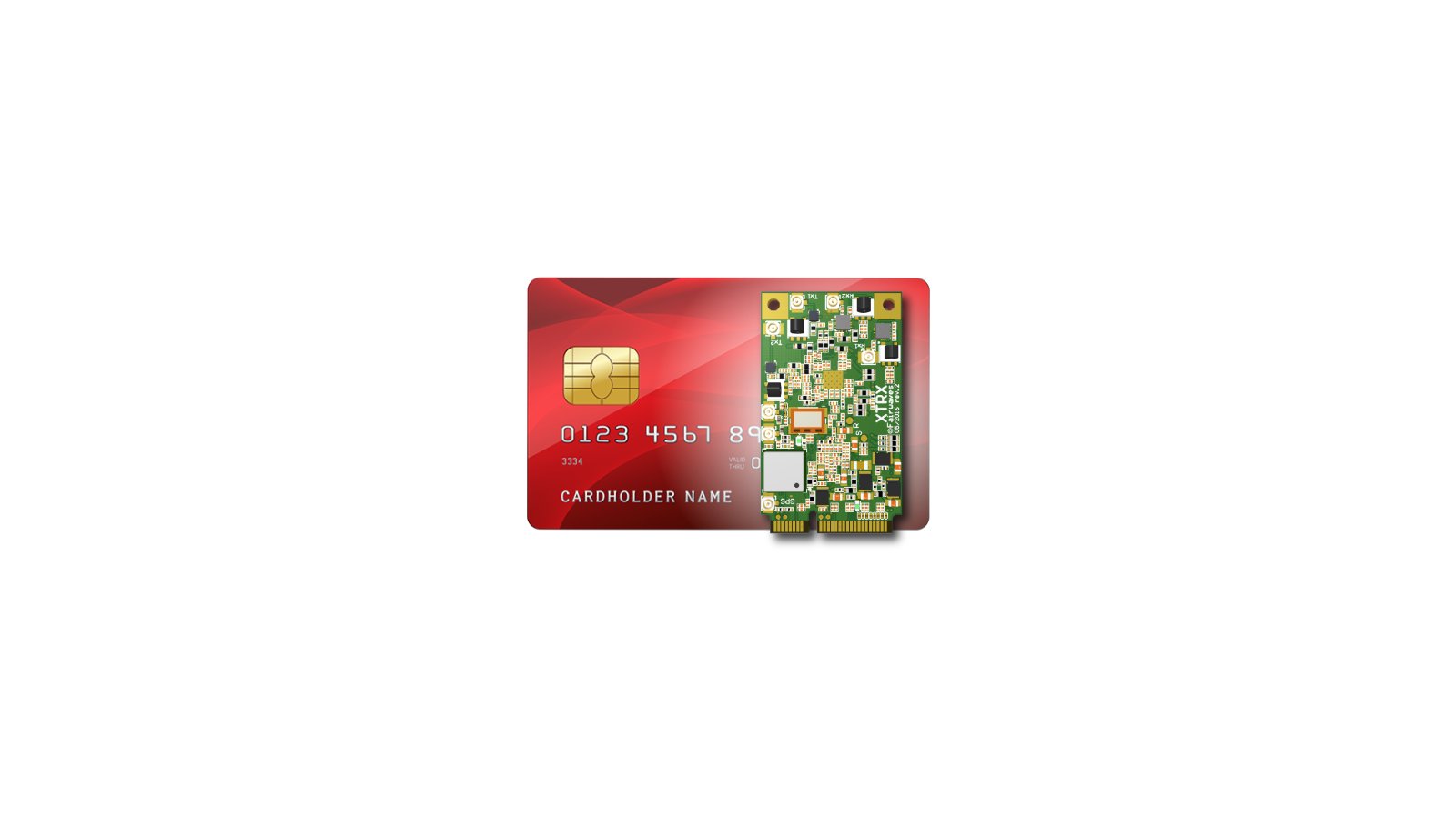
Project Update · First Post! It’s Tiny!
0.020
Now that Umtrx 2.3.1 is out, we wanted to give you a sneak peak at the next SDR board we’ve been working on. We’re calling it XTRX.
Newsletter Update · The Latest and Greatest from Crowd Supply
0.020
New: Spectra, Coming Soon: easySwitchBox, Project Update: Fomu Design and Production, In-stock: LimeSDR Mini with Aluminum Case, In-stock: snapVCC

Project Update · Gqrx Receives Amateur Radio and Weather Satellites
0.020
Alexandru Csete takes us through his first experiences with LimeSDR and getting it to work with the popular SDR receiver application, Gqrx. Noting how, thanks to Josh's work on the driver, this was simply a matter of configuring appropriate sample rate and bandwidth settings.
Project Update · Compatible Software
0.020
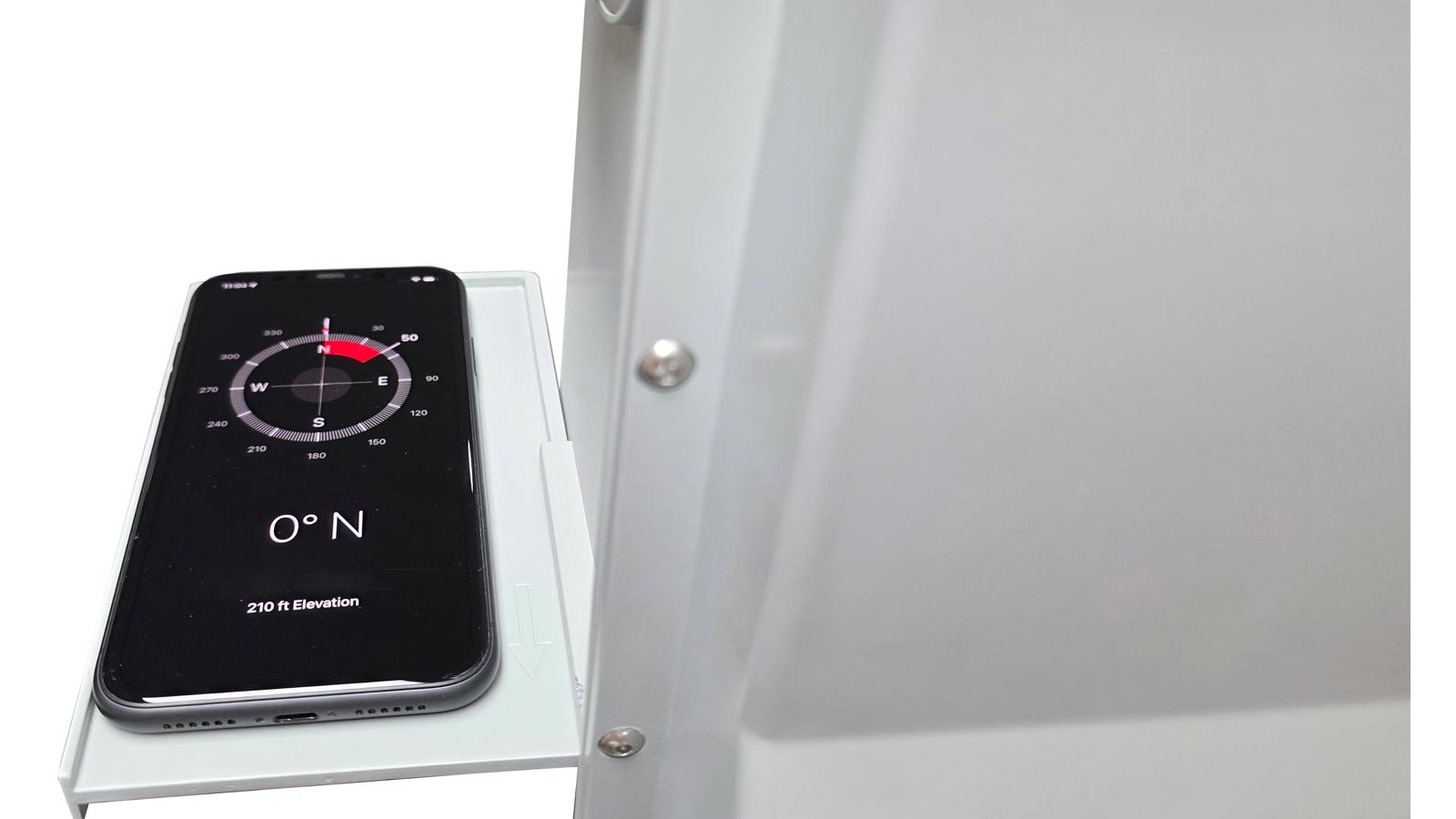
This time out, we want to provide some updates on software that has been tested to work with the Discovery Drive and provide more information about the side-pod add-on as well as answer a few more questions.
Newsletter Update · The Latest and Greatest from Crowd Supply
0.020
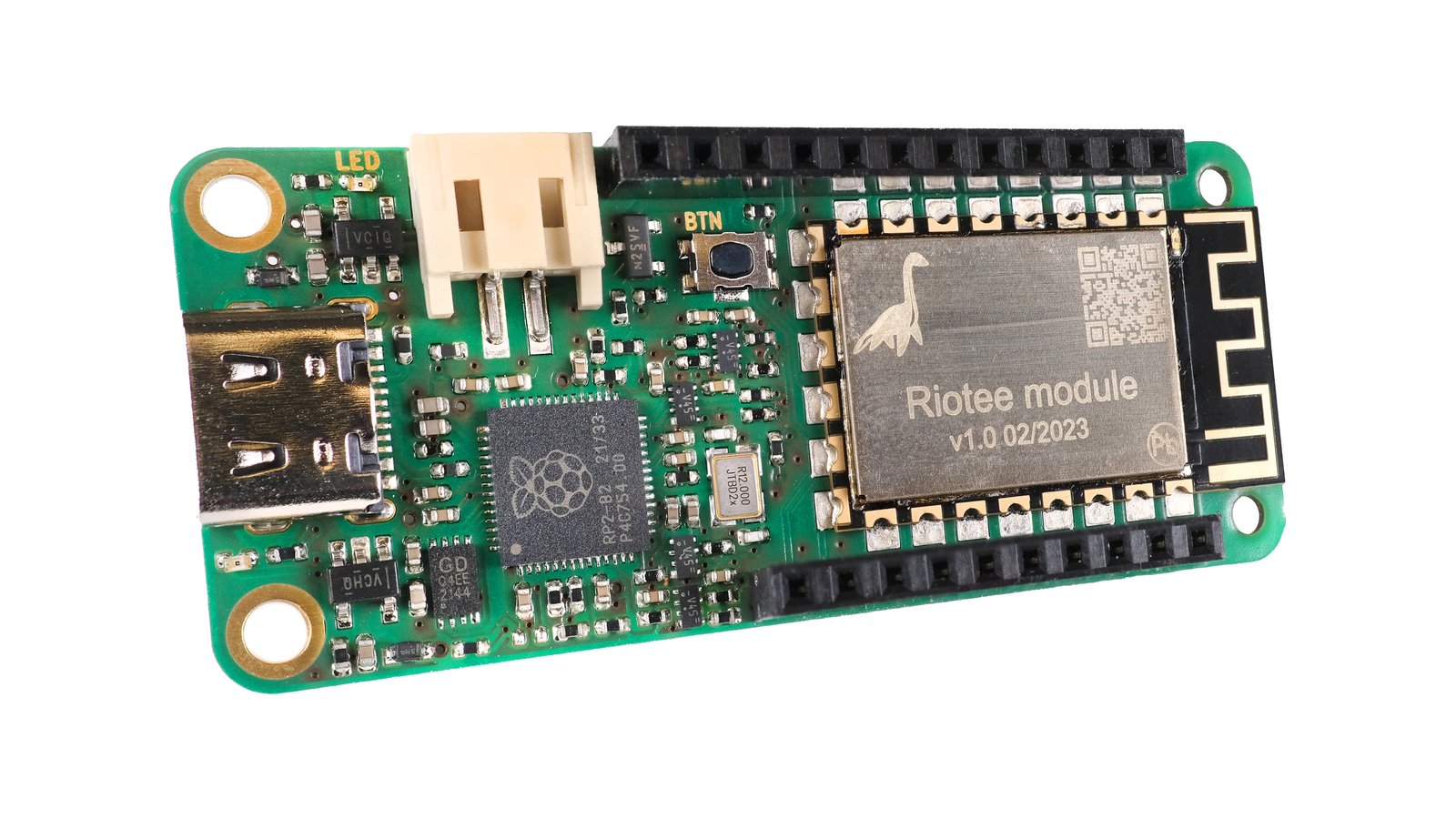
New: Riotee, Loud ESP, Coming Soon: LimeSDR XTRX, Wyldcard DevKit, X1501 Pico SoM, In Stock: HiFive1 Rev B, Artificial Intelligence Radio - Transceiver (AIR-T), Pixelblaze V3, Update Roundup: SOCORAD32, Eduponics Mini v2.0, DeepDeck
Project Update · Field Report: OreSat, Oregon's first satellite
0.020
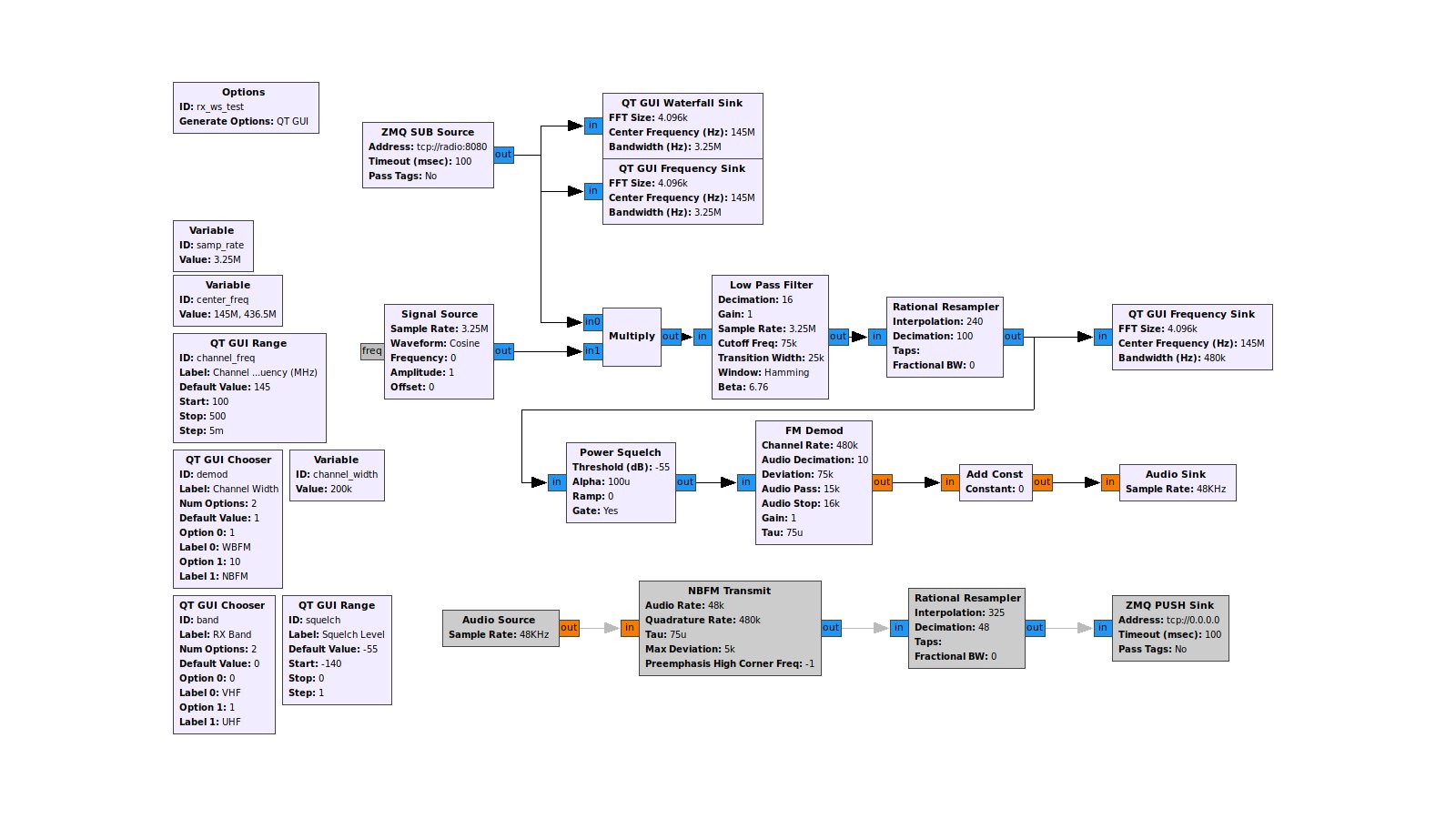
Learn how Portland State University is leading a team building Oregon's first satellite, with LimeSDRs providing a communications link.
Project Update · Field Report: LimeSDR Digital Audio Broadcast
0.020
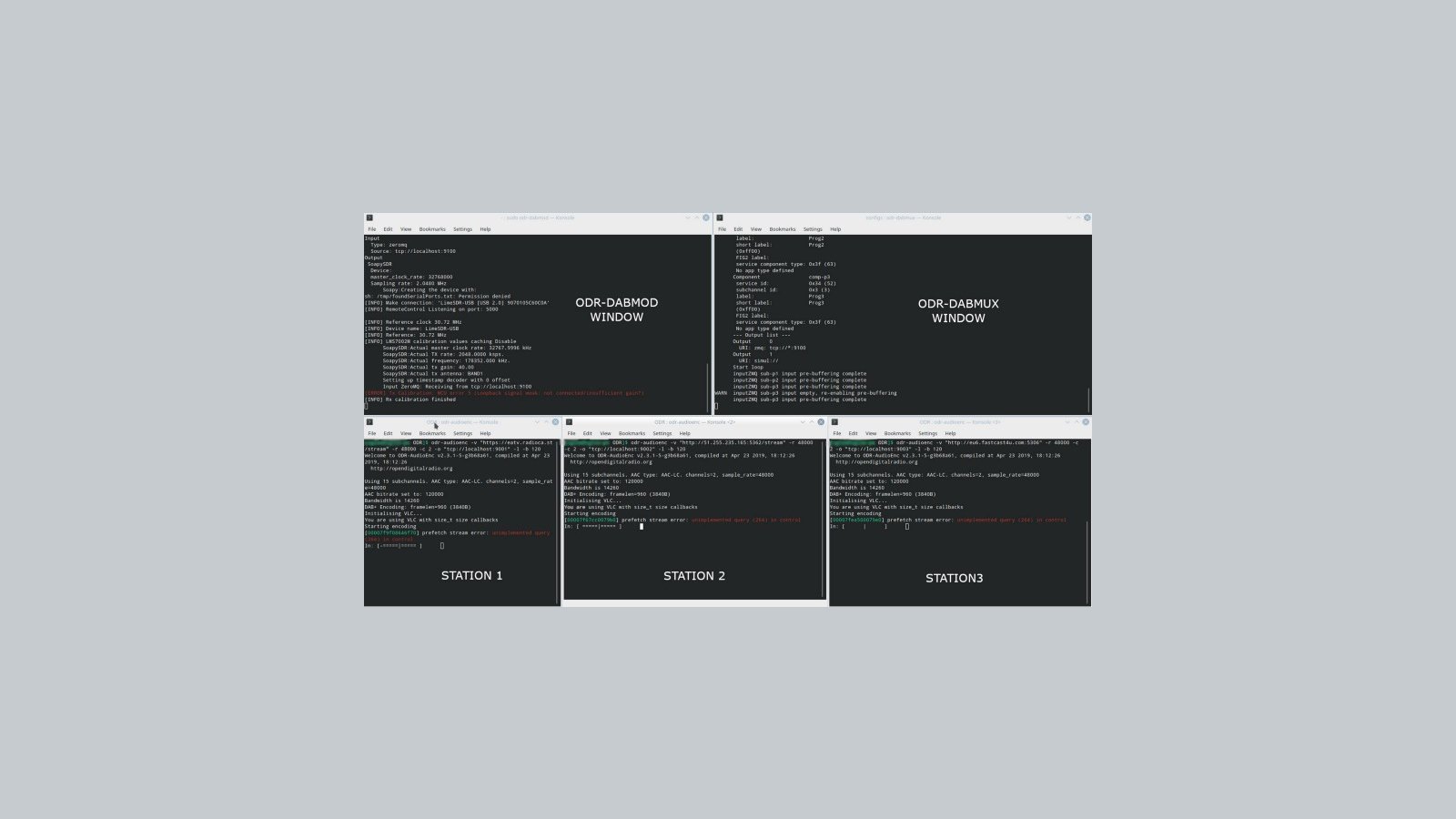
Set up your own Digital Audio Broadcast transmitter with a LimeSDR. To learn how, read the full update.
Project Update · Frequently Asked Questions
0.020
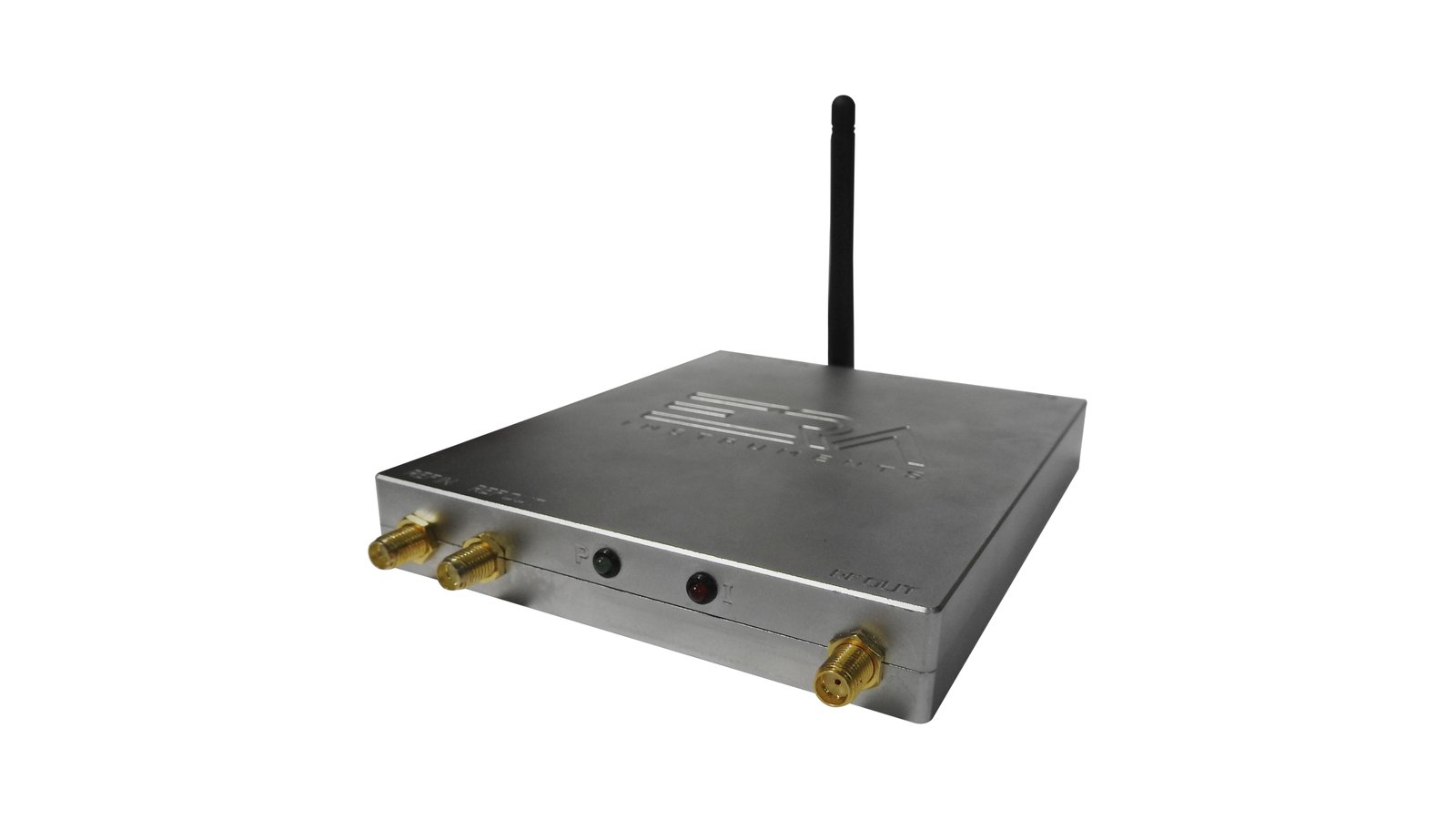
Here are some answers to common questions we have been receiving about the ERASynth.

Project Update · May Update
0.020
In this update we'll provide details on the progress over the past month since the previous update.
Project Update · Our Campaign Is Now Live!
0.020
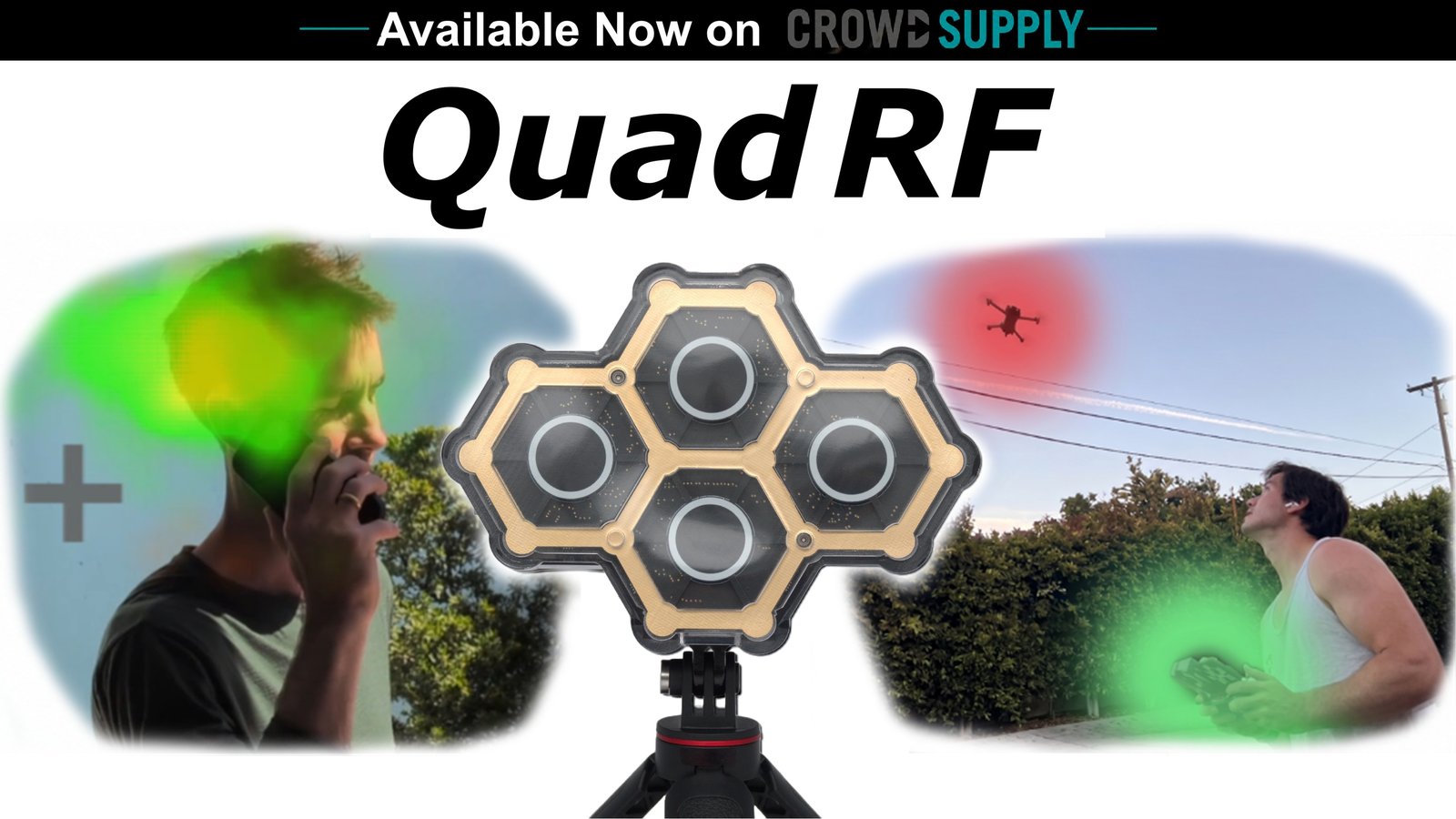
QuadRF is officially live! We’ve built the first affordable, plug-and-play 4x4 MIMO software-defined radio (SDR) kit that functions right out of the box as a real-time RF camera.